.webp&w=384&q=75)

Loading, please wait...
Loading, please wait...
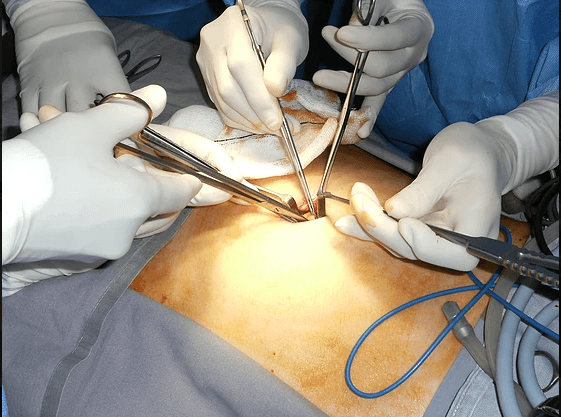
The OSLO-COMET randomized trial compared laparoscopic and open resection for colorectal liver metastases. Liver surgery has traditionally required large incisions and can be technically demanding, so the study asked whether a minimally invasive approach could preserve oncological quality while improving recovery. In appropriately selected patients, laparoscopic resection provided comparable oncological outcomes while supporting the expected benefits of minimally invasive surgery, including a less invasive recovery profile. The findings added randomized evidence to a field previously dominated by observational series and expert experience. For surgeons, OSLO-COMET is particularly useful because selection is central to the success of minimally invasive liver surgery. Tumour location, number and size of lesions, previous treatment, liver reserve and surgeon expertise all influence whether laparoscopy is appropriate. The goal is not to force every case into a minimally invasive approach, but to select patients in whom the access strategy can be changed without compromising the oncological resection. The study helped move laparoscopic liver surgery from a technically interesting option toward an evidence-supported component of modern hepatobiliary practice. It also highlights the importance of specialist centres, advanced imaging and multidisciplinary planning when treating metastatic colorectal cancer.

Read summarized clinical updates, watch expert medical content, and earn CME certifications right from your smartphone.
Open your smartphone camera to scan and install.





The OSLO-COMET randomized trial compared laparoscopic and open resection for colorectal liver metastases. Liver surgery has traditionally required large incisions and can be technically demanding, so the study asked whether a minimally invasive approach could preserve oncological quality while improving recovery. In appropriately selected patients, laparoscopic resection provided comparable oncological outcomes while supporting the expected benefits of minimally invasive surgery, including a less invasive recovery profile. The findings added randomized evidence to a field previously dominated by observational series and expert experience. For surgeons, OSLO-COMET is particularly useful because selection is central to the success of minimally invasive liver surgery. Tumour location, number and size of lesions, previous treatment, liver reserve and surgeon expertise all influence whether laparoscopy is appropriate. The goal is not to force every case into a minimally invasive approach, but to select patients in whom the access strategy can be changed without compromising the oncological resection. The study helped move laparoscopic liver surgery from a technically interesting option toward an evidence-supported component of modern hepatobiliary practice. It also highlights the importance of specialist centres, advanced imaging and multidisciplinary planning when treating metastatic colorectal cancer.
4 weeks back

Discover how catalytic nanozymes redefine autoimmune disease therapy by establishing a physiological redox set-point to restore immune tolerance without broad immunosuppression.
Last week
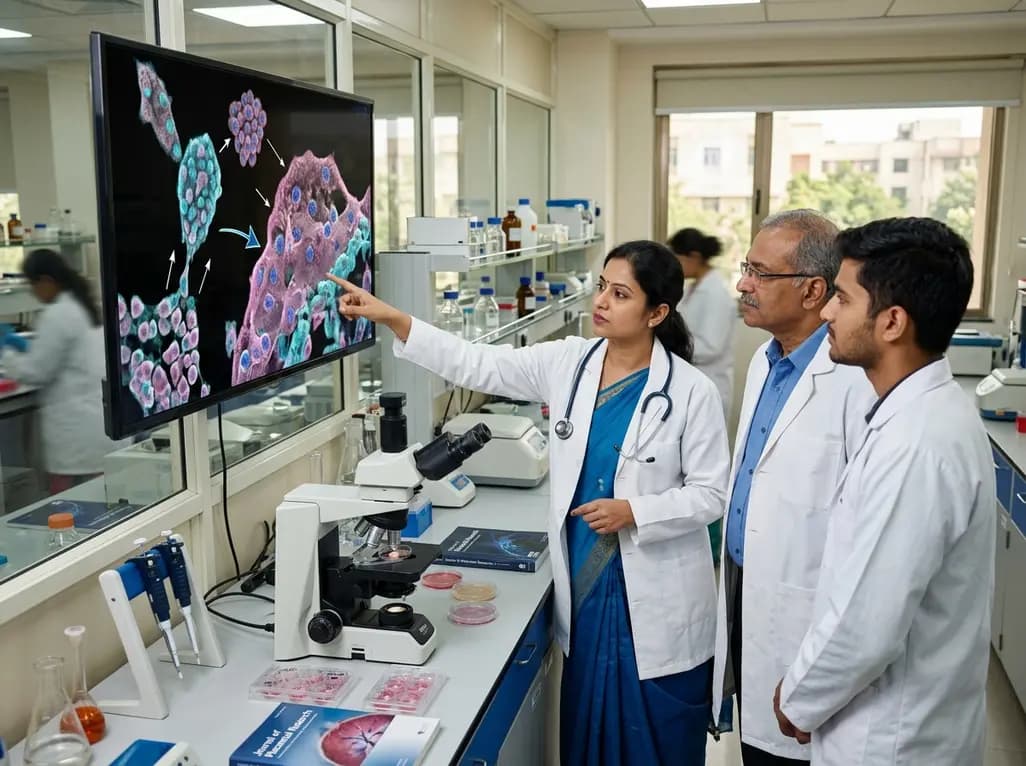
Recent research reveals that downregulating YAP1/TAZ-TEAD via Hippo signaling triggers spontaneous human trophoblast syncytialization in 3D cultures, illuminating placental biology and preeclampsia.
3 weeks back

A landmark comparative study evaluates atrial electrophysiology across humans, swine, and rodents. By linking cellular recordings with transcriptomics and in silico modeling, researchers resolve cross-species gaps, explaining translational failures to advance targeted therapies for atrial arrhythmias.
3 weeks back
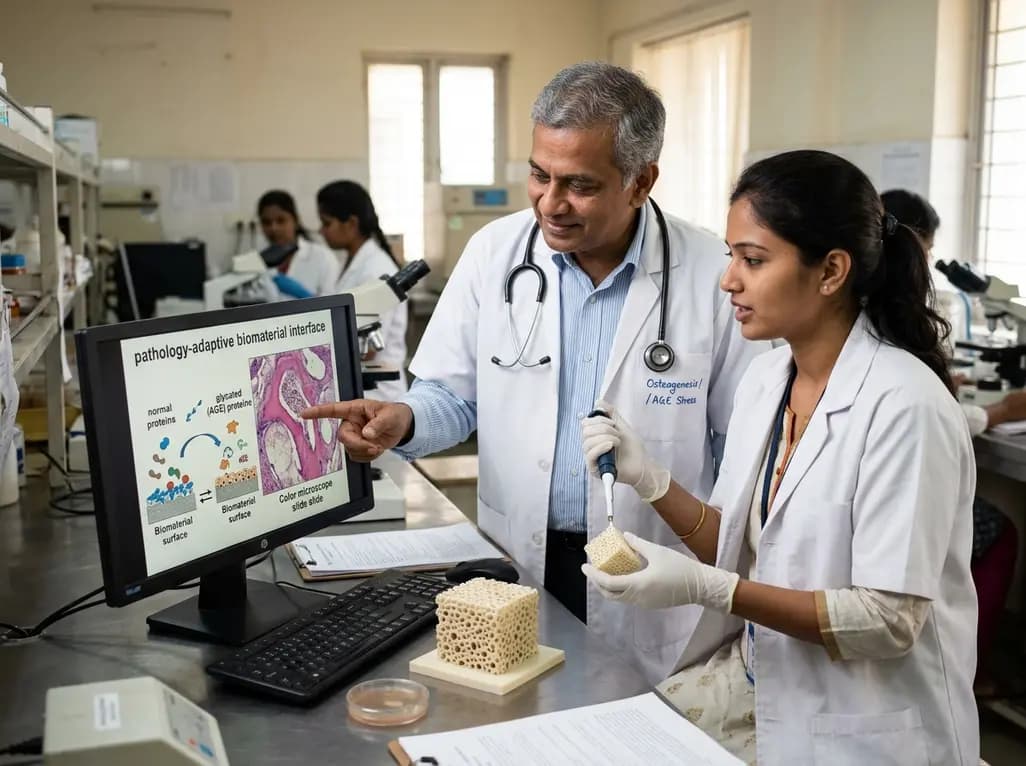
A novel pathology-adaptive surface engineering strategy uses functionalized plasma polymer coatings to selectively modulate AGE adsorption, reducing oxidative stress and restoring bone formation in diabetic and aging microenvironments.
last month
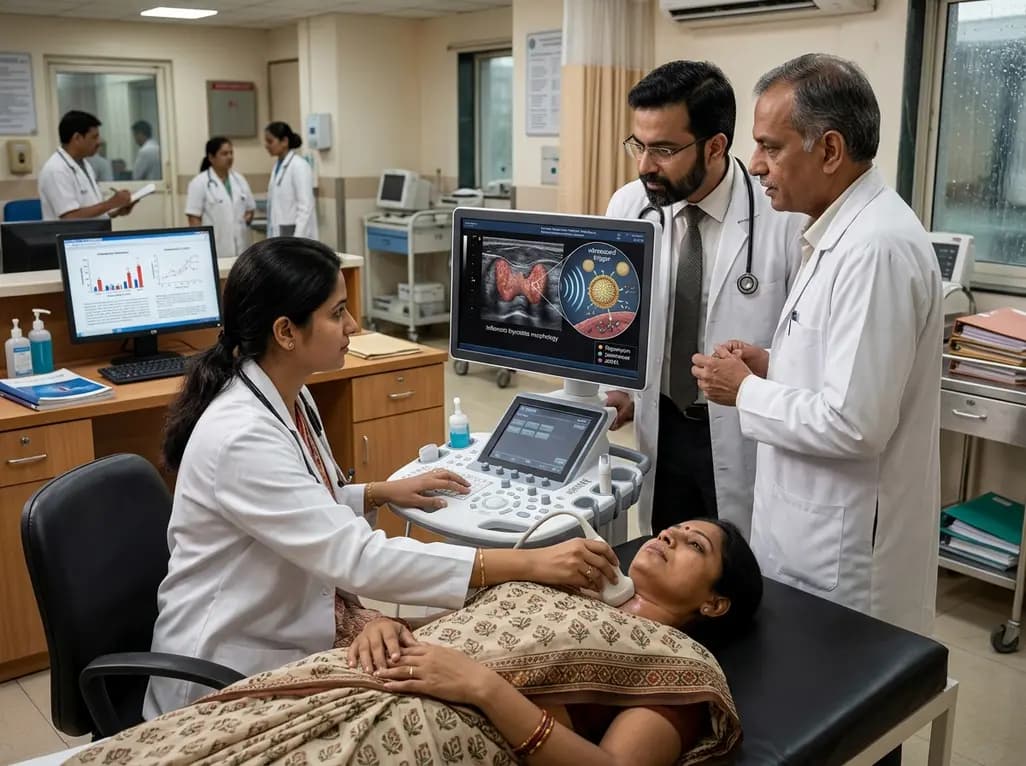
Researchers have developed an innovative ultrasound-responsive nano-contrast agent that co-delivers CIITA-siRNA and rapamycin directly to inflamed thyroid tissue, significantly reducing autoimmune injury and thyroid autoantibodies in preclinical models of Hashimoto thyroiditis.
3 weeks back
