.webp&w=384&q=75)

Loading, please wait...
Loading, please wait...

The pervasive nature of opioid stigma in cancer significantly hampers the delivery of effective palliative care and pain management. Despite clinical guidelines recommending opioids for moderate-to-severe cancer pain, undertreatment remains a chronic issue. This problem is particularly acute in India, where regulatory hurdles and social misconceptions often delay necessary analgesia. A recent qualitative meta-synthesis explores how these stigmas influence the critical interaction between patients and healthcare providers.
Stigma is not merely a social inconvenience; it is a clinical barrier. The meta-synthesis of twenty studies reveals that sociocultural narratives and institutional processes heavily shape the perception of opioids. Patients often internalize this stigma, experiencing profound shame and fear of addiction. Consequently, they may choose to suppress pain expression or delay seeking help to avoid being perceived as \"drug-seeking.\"
Clinicians are not immune to these pressures. Many healthcare providers face a constant tension between ensuring adequate analgesia and managing the perceived risks of diversion or regulatory scrutiny. This defensive stance frequently leads to conservative prescribing patterns. In many clinical encounters, patients feel the burden of proof, forced to justify the legitimacy of their pain to skeptical providers.
Effective pain management relies on shared decision-making, yet stigma disrupts this process. When patients feel stigmatized, they are less likely to be honest about their pain levels or medication concerns. Similarly, clinicians who respond defensively may fail to address the patient's emotional and physical needs. To improve outcomes, multilevel efforts are necessary to destigmatize opioid use in legitimate clinical contexts. These include educating patients about the difference between dependence and addiction and streamlining institutional policies to support evidence-based prescribing.
Patients often experience 'internalized stigma,' which manifests as shame, guilt, or fear of being labeled an addict. This leads them to skip doses or downplay their pain intensity during consultations.
Clinicians often face a conflict between the clinical need for pain relief and the fear of regulatory repercussions or patient misuse. This leads to defensive medicine where risk management is prioritized over patient comfort.
Providers should initiate proactive, empathetic conversations about opioids early in treatment. Using standardized assessment tools and providing clear education on the role of opioids in cancer care can help bridge the communication gap.
Disclaimer: This content is for informational and educational purposes only. It does not constitute medical advice or establish a doctor-patient relationship. Always seek the advice of a qualified healthcare provider regarding any medical condition. Refer to the latest local and national guidelines for clinical practice.
References
1. Chen YX et al. The impact of opioid stigma on patient-provider interaction and decision-making in cancer pain management: a qualitative meta-synthesis. BMC Palliat Care. 2026 Jun 16. doi: 10.1186/s12904-026-02197-8. PMID: 42304202.
2. Rodin G et al. The challenge of opioids in cancer care: balancing equity, safety, and access. Lancet Oncol. 2024;25(5):e210-e220.
3. Indian Society for Study of Pain (ISSP). Cancer Pain Special Interest Group Guidelines on Pharmacological Management of Cancer Pain. 2025.
"
Read summarized clinical updates, watch expert medical content, and earn CME certifications right from your smartphone.
Open your smartphone camera to scan and install.





A new qualitative meta-synthesis highlights the profound impact of opioid stigma on cancer pain management. The study identifies how sociocultural narratives lead to patient shame and defensive prescribing by clinicians, reinforcing the undertreatment of pain and necessitating multilevel stigma-reduction efforts.
4 months ago
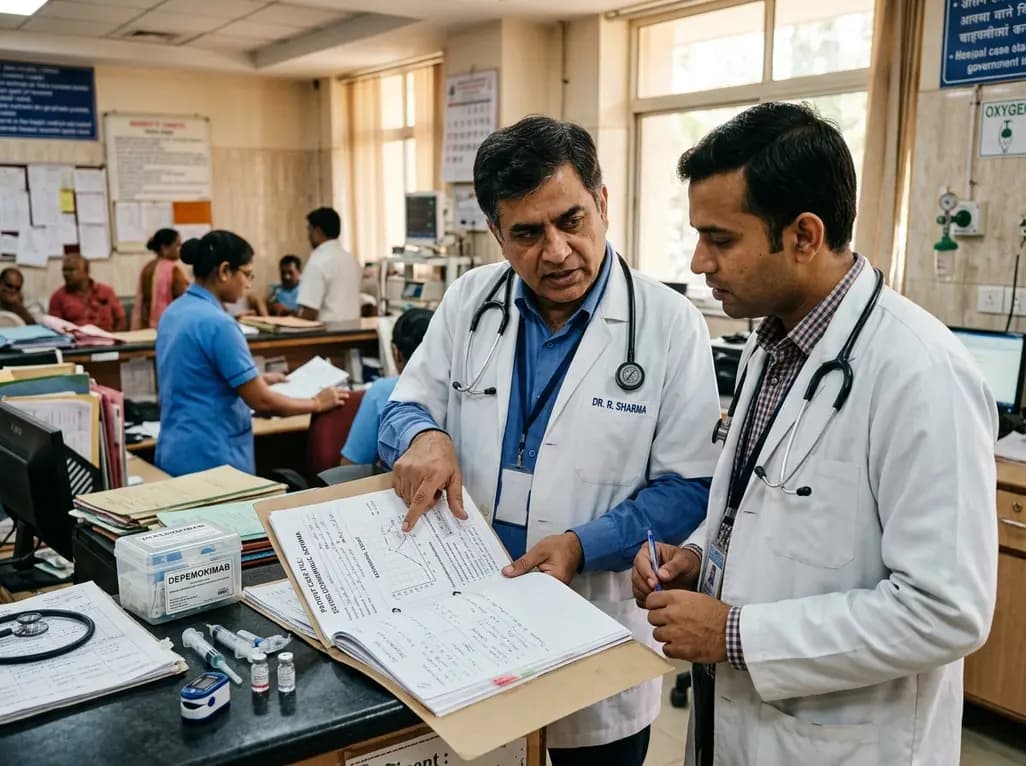
Depemokimab offers twice-yearly dosing for severe eosinophilic asthma and chronic rhinosinusitis with nasal polyps, significantly cutting exacerbations and hospital admissions.
3 days back

A novel copper metal-organic framework hydrogel remodels the uterine microenvironment to stimulate robust endometrial regeneration, reduce intrauterine fibrosis, and restore reproductive fertility, offering a groundbreaking strategy for managing refractory endometrial damage and Asherman syndrome.
3 days back

New research reveals that non-ablative radiotherapy suppresses ventricular tachycardia by increasing conduction velocity via NaV1.5 upregulation and action potential prolongation. However, sustained sodium current elevation and depressed calcium handling highlight the need for careful clinical translation.
5 days back

A single-cell transcriptomic atlas reveals how peripheral nerve injuries cause dorsal root ganglion remodeling. By evaluating proximal nerve crush and resection, researchers identify distinct glial and immune programs that resolve neuropathic pain and promote regeneration.
3 days back
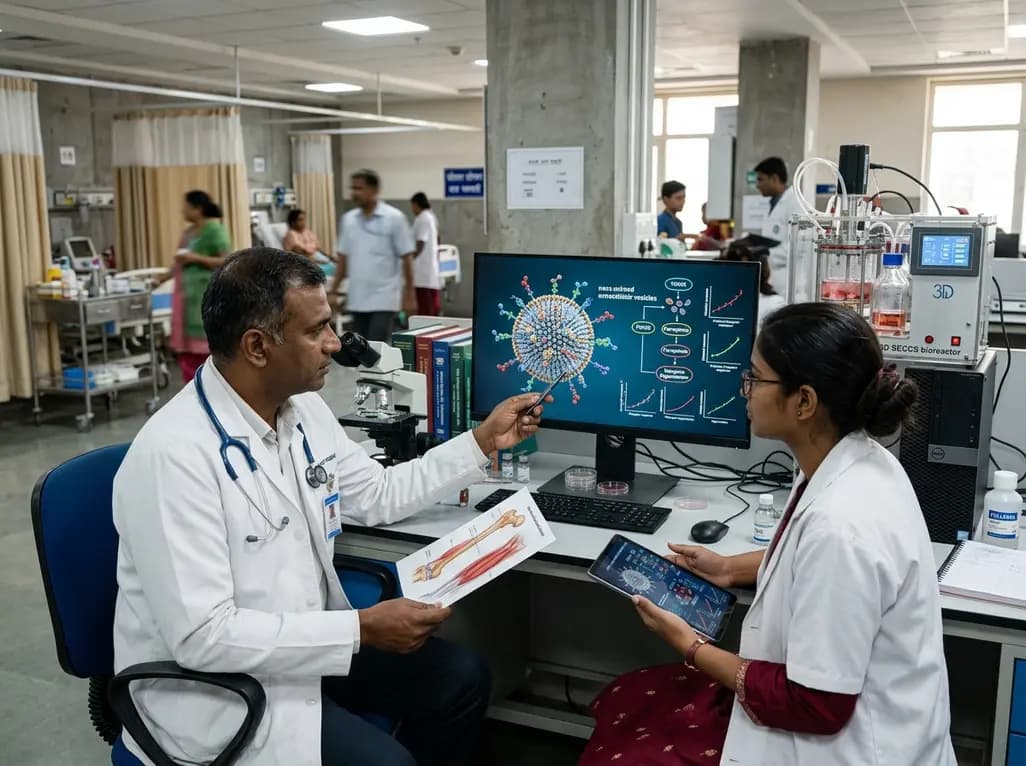
A breakthrough study demonstrates that fullerol-primed extracellular vesicles generated in a 3D SECCS bioreactor attenuate ferroptosis and restore myogenic regeneration in diabetes via the FOXO3 pathway, offering a cell-free therapeutic strategy for diabetic musculoskeletal degeneration.
3 days back
