.webp&w=384&q=75)

Loading, please wait...
Loading, please wait...
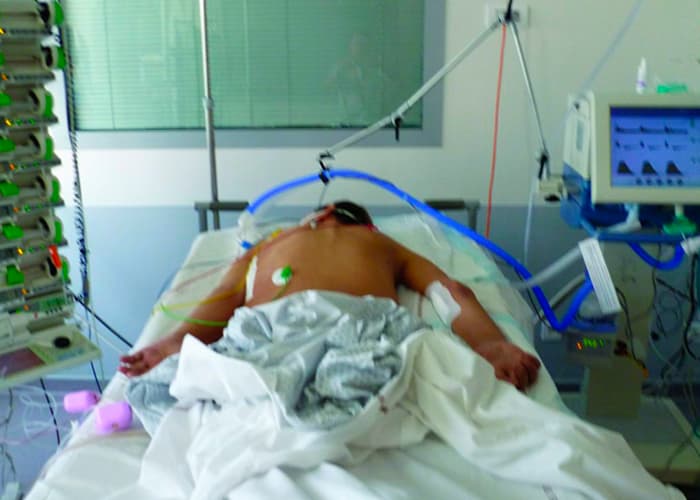
The landmark randomised trial by Brochard and colleagues established the value of non-invasive ventilation for selected patients with acute exacerbations of COPD complicated by hypercapnic respiratory failure. Patients receiving non-invasive pressure-support ventilation through a face mask were compared with standard medical therapy. NIV substantially reduced the need for endotracheal intubation and was associated with fewer complications, a shorter hospital stay and lower in-hospital mortality in the study population. The trial provided a practical demonstration that correcting ventilatory failure without an artificial airway can improve outcomes when patients are appropriately selected. Its relevance remains high because acute COPD exacerbations are common and intubation carries important risks, including ventilator-associated complications and prolonged weaning. NIV works best when applied early, monitored closely and accompanied by clear criteria for recognising failure. The findings do not imply that NIV should delay necessary intubation in patients with severe refractory hypoxaemia, inability to protect the airway, profound instability or deteriorating mental status. Instead, the study supports NIV as a first-line strategy for a well-defined phenotype—especially acute-on-chronic hypercapnic respiratory failure—when there is a realistic chance of rapid physiologic improvement. The paper remains one of the foundational studies behind contemporary NIV protocols in COPD.

Read summarized clinical updates, watch expert medical content, and earn CME certifications right from your smartphone.
Open your smartphone camera to scan and install.





The landmark randomised trial by Brochard and colleagues established the value of non-invasive ventilation for selected patients with acute exacerbations of COPD complicated by hypercapnic respiratory failure. Patients receiving non-invasive pressure-support ventilation through a face mask were compared with standard medical therapy. NIV substantially reduced the need for endotracheal intubation and was associated with fewer complications, a shorter hospital stay and lower in-hospital mortality in the study population. The trial provided a practical demonstration that correcting ventilatory failure without an artificial airway can improve outcomes when patients are appropriately selected. Its relevance remains high because acute COPD exacerbations are common and intubation carries important risks, including ventilator-associated complications and prolonged weaning. NIV works best when applied early, monitored closely and accompanied by clear criteria for recognising failure. The findings do not imply that NIV should delay necessary intubation in patients with severe refractory hypoxaemia, inability to protect the airway, profound instability or deteriorating mental status. Instead, the study supports NIV as a first-line strategy for a well-defined phenotype—especially acute-on-chronic hypercapnic respiratory failure—when there is a realistic chance of rapid physiologic improvement. The paper remains one of the foundational studies behind contemporary NIV protocols in COPD.
4 weeks back

Discover how catalytic nanozymes redefine autoimmune disease therapy by establishing a physiological redox set-point to restore immune tolerance without broad immunosuppression.
Last week
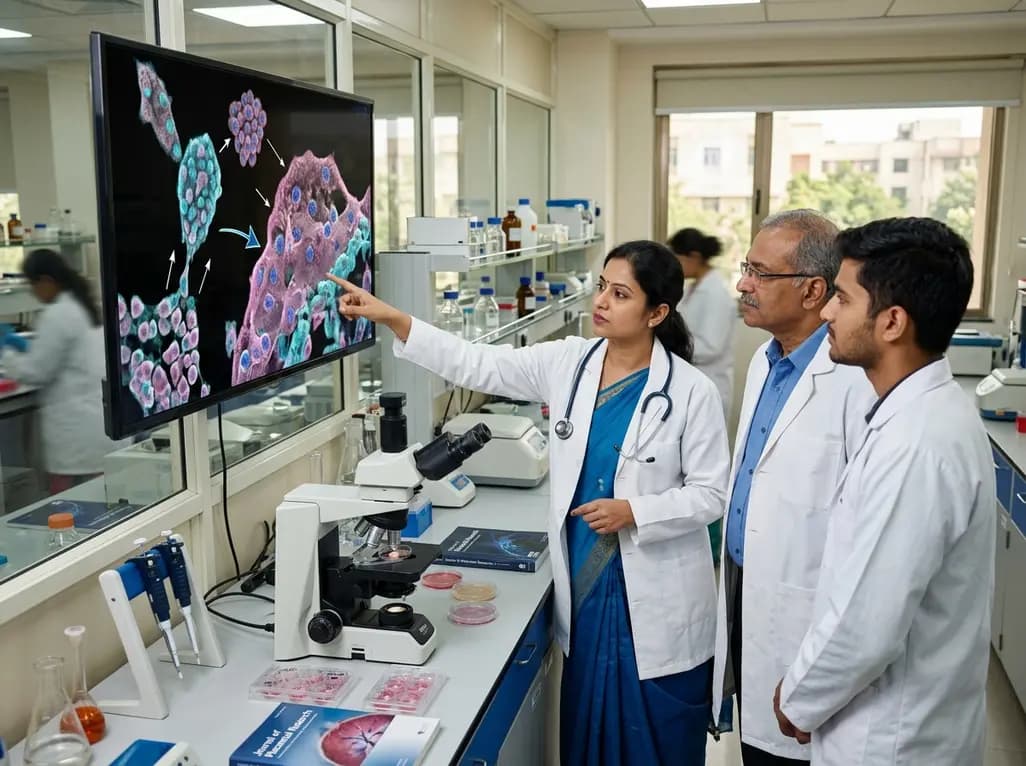
Recent research reveals that downregulating YAP1/TAZ-TEAD via Hippo signaling triggers spontaneous human trophoblast syncytialization in 3D cultures, illuminating placental biology and preeclampsia.
3 weeks back
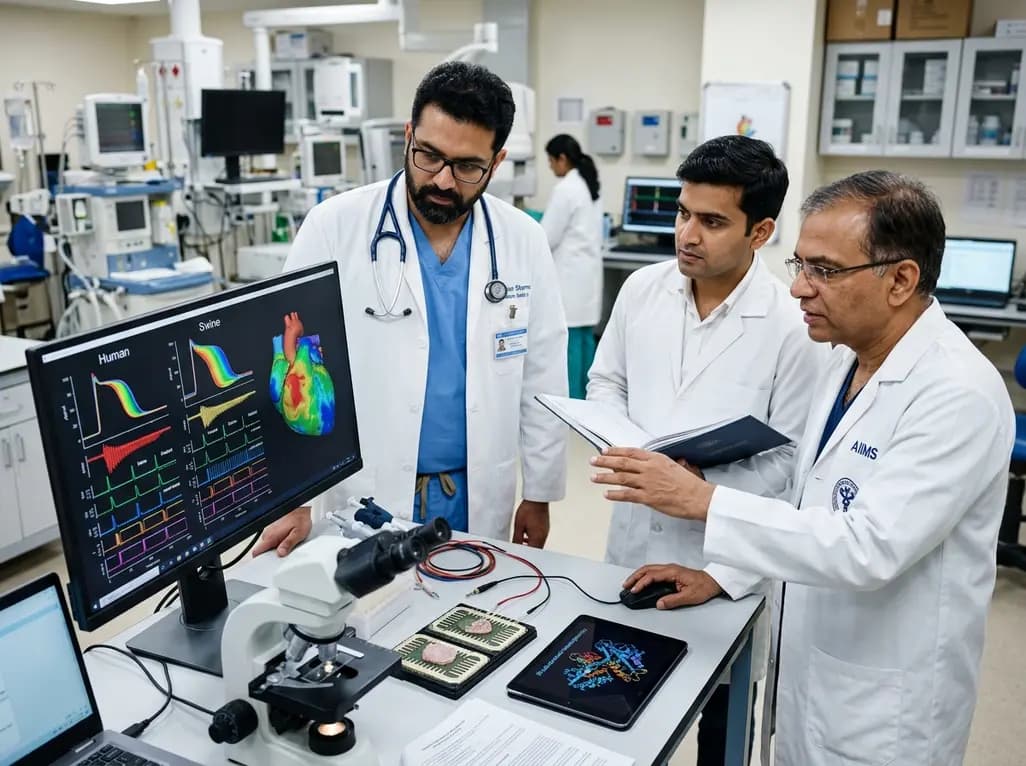
A landmark comparative study evaluates atrial electrophysiology across humans, swine, and rodents. By linking cellular recordings with transcriptomics and in silico modeling, researchers resolve cross-species gaps, explaining translational failures to advance targeted therapies for atrial arrhythmias.
3 weeks back
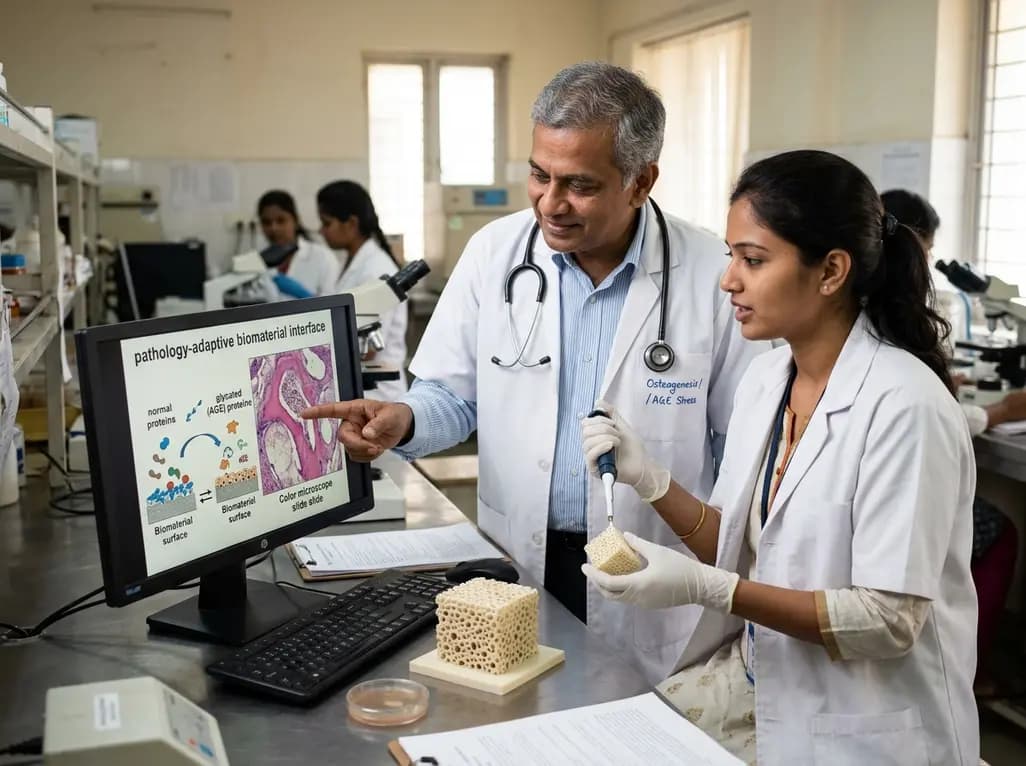
A novel pathology-adaptive surface engineering strategy uses functionalized plasma polymer coatings to selectively modulate AGE adsorption, reducing oxidative stress and restoring bone formation in diabetic and aging microenvironments.
last month
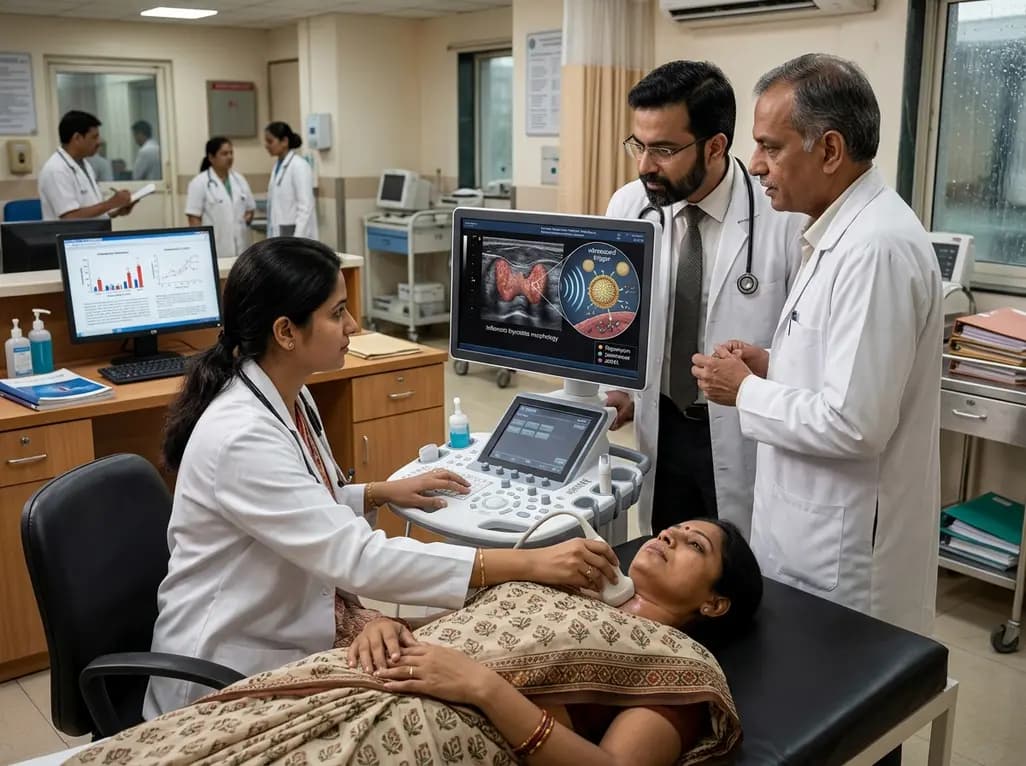
Researchers have developed an innovative ultrasound-responsive nano-contrast agent that co-delivers CIITA-siRNA and rapamycin directly to inflamed thyroid tissue, significantly reducing autoimmune injury and thyroid autoantibodies in preclinical models of Hashimoto thyroiditis.
3 weeks back
