.webp&w=384&q=75)

Loading, please wait...
Loading, please wait...
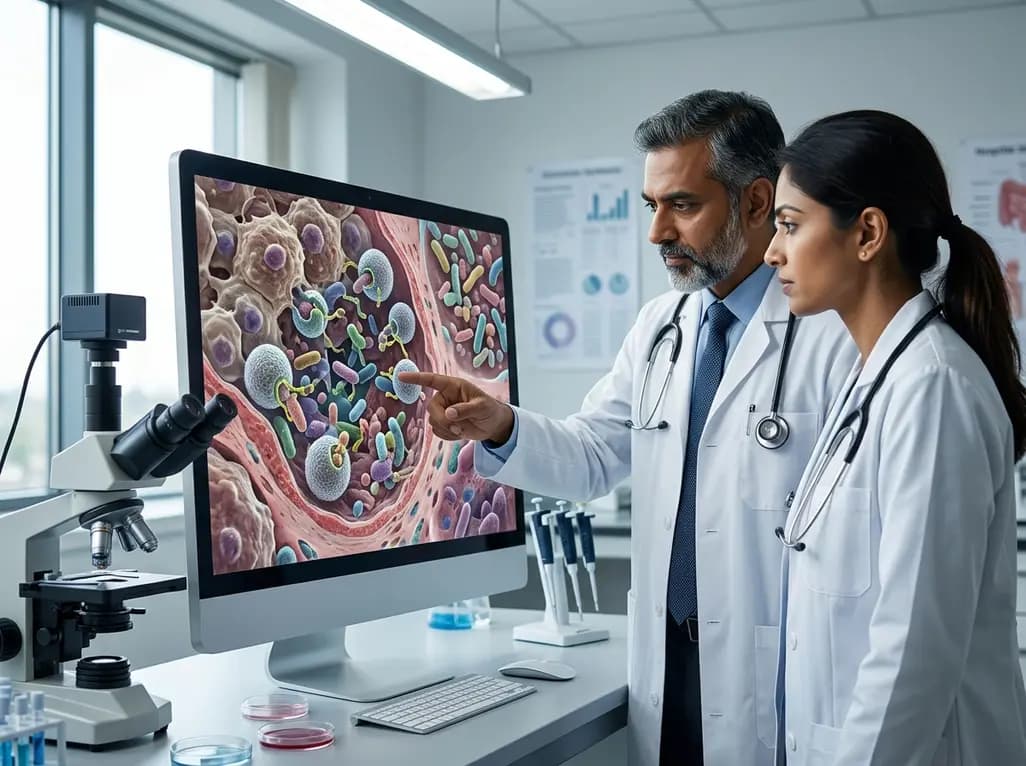
For decades, the clinical focus on gastrointestinal malignancies centered primarily on genetic mutations and environmental toxins. However, recent breakthroughs have revealed a hidden architect within the tumor microenvironment: the tumor-associated bacteria (TAB). These microorganisms are not merely passive inhabitants; instead, they act as functional components that remodel the host signaling landscape. Research indicates that targeting tumor-associated bacteria represents a transformative frontier in precision oncology. By understanding how these microbes promote malignancy, scientists can develop interventions that disrupt the cooperative protumor ecosystem. Traditionally, the medical community viewed the gut as a separate entity, but we now recognize the intratumoral microbiome as a key determinant of disease progression. Consequently, shifting our focus toward these microbial populations offers new hope for patients with resistant digestive system cancers. This article explores the mechanisms of bacterial carcinogenesis and the rise of nanotechnology as a primary tool for selective microbial regulation.
The carcinogenic impact of tumor-associated bacteria stems from their ability to reprogram essential host biological processes. Specifically, these bacteria can disrupt tissue homeostasis and trigger chronic inflammatory responses that damage DNA. For instance, certain strains release toxins that directly induce double-strand breaks, accelerating the mutation rate within epithelial cells. Furthermore, TAB products often remodel antitumor immunity by creating an immunosuppressive environment. This allows malignant cells to evade detection by the host immune system more effectively. In colorectal and gastric cancers, specific microbes like Fusobacterium nucleatum and Helicobacter pylori activate oncogenic signaling pathways, such as Wnt/β-catenin and NF-κB. These pathways drive uncontrolled cell proliferation and survival. Additionally, bacterial metabolites can alter the metabolic state of the tumor, providing the energy required for rapid growth. Notably, the presence of these bacteria often correlates with poor prognosis and resistance to conventional chemotherapy. Understanding these diverse mechanisms is essential for clinicians who seek to integrate microbiome-targeted strategies into their practice. Therefore, analyzing the microbial landscape of the tumor has become as vital as assessing the genetic profile of the cancer itself.
While the role of bacteria in cancer is well-documented, conventional modulation tools often fall short in clinical settings. Standard antibiotics, probiotics, and fecal microbiota transplantation have been employed to alter TAB composition, yet they face significant hurdles. First, systemic antibiotics frequently suffer from poor in vivo stability and a lack of targeting specificity. This lack of precision often leads to collateral damage, where beneficial commensal bacteria are eliminated alongside the pathogenic ones. Consequently, patients may experience severe dysbiosis, which can further compromise their overall health and immune function. Moreover, these traditional agents often struggle to penetrate complex biological barriers, such as the thick gastric mucosa or the dense stroma surrounding solid tumors. Insufficient local persistence also means that the therapeutic effects are frequently short-lived, requiring repeated high-dose administrations. Furthermore, safety concerns regarding the introduction of live microbes into immunocompromised cancer patients remain a major deterrent. These limitations highlight an urgent need for more sophisticated delivery platforms. As a result, researchers have turned to nanotechnology to bridge the gap between basic microbial science and successful clinical outcomes.
Nanotechnology offers a versatile toolkit for overcoming the physical and biological constraints of traditional bacterial modulation. By engineering nanoparticles with specific ligands, scientists can achieve high targeting specificity for the tumor site. These platforms are often designed with biomimetic coatings that allow them to bypass the immune system and navigate through the mucosal layer. Additionally, stimuli-responsive designs ensure that the therapeutic cargo is released only when specific environmental triggers are present. For example, the acidic or enzyme-rich environment of a tumor can trigger the release of antibacterial agents directly at the source. This localized action minimizes systemic side effects and prevents the widespread disruption of the healthy gut microbiome. Furthermore, nanotechnology-based platforms can improve the adhesion of drugs to the tumor surface, enhancing their local persistence. By integrating multifunctional modules, these systems can simultaneously deliver drugs and imaging agents, providing a theranostic approach to cancer care. Notably, these engineered materials can be tailored to the unique physiological characteristics of individual patients. Consequently, nanotechnology is not just a delivery vehicle; it is an active participant in rebalancing the tumor ecosystem to favor host survival.
The ultimate goal of targeting tumor-associated bacteria is not always total eradication but rather a strategic rebalancing of the community. In many cases, eliminating every microbe within the tumor microenvironment is neither possible nor desirable. Instead, nanotechnology allows for the selective elimination of specific carcinogenic strains while sparing beneficial ones. This approach helps to restore a healthy equilibrium that can enhance the efficacy of other anticancer treatments, such as immunotherapy. For instance, reducing the burden of immunosuppressive bacteria can "re-awaken" the local immune response, making tumors more susceptible to checkpoint inhibitors. Furthermore, nano-platforms can be used to deliver "prebiotics" or nutrients that specifically encourage the growth of health-promoting microbes. This multi-pronged strategy addresses the complexity of the tumor ecosystem by tackling both the biotic and abiotic factors of the microenvironment. Additionally, researchers are exploring how these platforms can interfere with bacterial communication, known as quorum sensing, to prevent the formation of protective biofilms. By disrupting these survival strategies, nanotechnology makes TAB more vulnerable to the host's innate defenses. Therefore, the transition from broad-spectrum interventions to precise ecological tuning marks a significant evolution in gastrointestinal oncology.
The future of microbiome-targeted therapy lies in the integration of multi-omics data to guide patient stratification. Because every patient's tumor microbiome is unique, a one-size-fits-all approach is rarely effective. By utilizing metagenomics, proteomics, and metabolomics, clinicians can identify the exact bacterial drivers present in a specific patient's tumor. This data allows for the design of modular, biocompatible nanoplatforms tailored to the identified microbial profile. Furthermore, ongoing progress in manufacturing science is making the production of these complex multifunctional systems more scalable and cost-effective. Safety remains a paramount consideration, necessitating rigorous testing of the biocompatibility of all nanomaterials used. However, the potential for mechanistically synergistic treatments—where nanotechnology, immunotherapy, and microbial modulation work in concert—is immense. Future progress will likely depend on large-scale clinical trials that validate these multi-omics-guided strategies in diverse populations. Notably, the synergy between computational modeling and nanotechnology design will further accelerate the translation of these therapies from the lab to the bedside. Ultimately, targeting tumor-associated bacteria will likely become a standardized pillar of comprehensive cancer management, providing a highly personalized path to improved clinical outcomes.
Tumor-associated bacteria promote cancer through several distinct pathways. They release specific toxins that can cause direct damage to the host DNA, leading to mutations. Furthermore, these microbes activate oncogenic signaling pathways that encourage cells to divide uncontrollably. They also remodel the local environment to suppress the immune system, which prevents the body from naturally attacking malignant cells. Additionally, their metabolic products can provide essential nutrients that fuel tumor growth and survival.
Standard antibiotics lack the precision needed to target only the bacteria inside a tumor. Systemic use often leads to widespread dysbiosis, which destroys the healthy gut microbiome and causes side effects. Nanotechnology allows for targeted delivery, ensuring that antibacterial agents reach the tumor site directly while bypassing healthy tissues. These platforms can also penetrate physical barriers, like tumor stroma, that standard drugs cannot. This increases therapeutic efficacy while significantly reducing the risk of systemic toxicity.
Yes, targeting the microbiome is a promising way to enhance immunotherapy. Many tumor-associated bacteria create an immunosuppressive barrier that makes treatments like checkpoint inhibitors less effective. By using nanotechnology to eliminate these harmful bacteria or rebalance the microbial community, the tumor microenvironment can be shifted to an "immune-hot" state. This allows the host's T-cells to infiltrate the tumor more effectively. Consequently, the overall response rate to immunotherapy can be significantly improved through microbial modulation.
Disclaimer: This content is for informational and educational purposes only. It is not intended to provide specific medical advice or to substitute for the professional judgment of a healthcare provider. The field of oncology and microbiome research is rapidly evolving; clinicians should refer to the latest local and national guidelines for clinical practice.
References
Liu H et al. Targeting tumor-associated bacteria in digestive system cancers: carcinogenic mechanisms and nano-regulate platform design. J Nanobiotechnology. 2026 Jul 03. doi: 10.1186/s12951-026-04720-8. PMID: 42399994.
Bullman S et al. Analysis of Fusobacterium nucleatum and its associated microbiome and host phenotype in colorectal cancer. Science. 2017 Dec 15;358(6369):1443-1448.
Nejman D et al. The human tumor microbiome is composed of tumor type-specific intracellular bacteria. Science. 2020 May 29;368(6494):973-980.

Read summarized clinical updates, watch expert medical content, and earn CME certifications right from your smartphone.
Open your smartphone camera to scan and install.





New research highlights how tumor-associated bacteria (TAB) drive gastrointestinal cancers. Learn how innovative nanotechnology platforms are being designed to selectively eliminate these bacteria, rebalance the microbiome, and enhance the efficacy of modern oncology treatments.
3 months ago

Depemokimab offers twice-yearly dosing for severe eosinophilic asthma and chronic rhinosinusitis with nasal polyps, significantly cutting exacerbations and hospital admissions.
3 days back

A novel copper metal-organic framework hydrogel remodels the uterine microenvironment to stimulate robust endometrial regeneration, reduce intrauterine fibrosis, and restore reproductive fertility, offering a groundbreaking strategy for managing refractory endometrial damage and Asherman syndrome.
4 days back
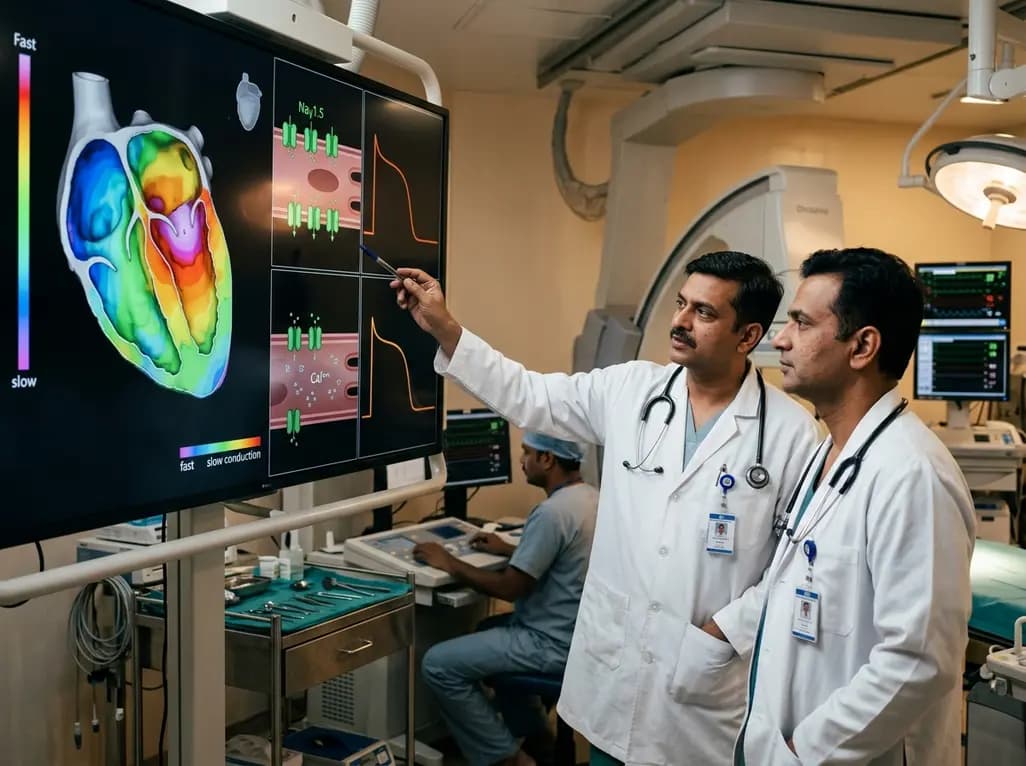
New research reveals that non-ablative radiotherapy suppresses ventricular tachycardia by increasing conduction velocity via NaV1.5 upregulation and action potential prolongation. However, sustained sodium current elevation and depressed calcium handling highlight the need for careful clinical translation.
6 days back
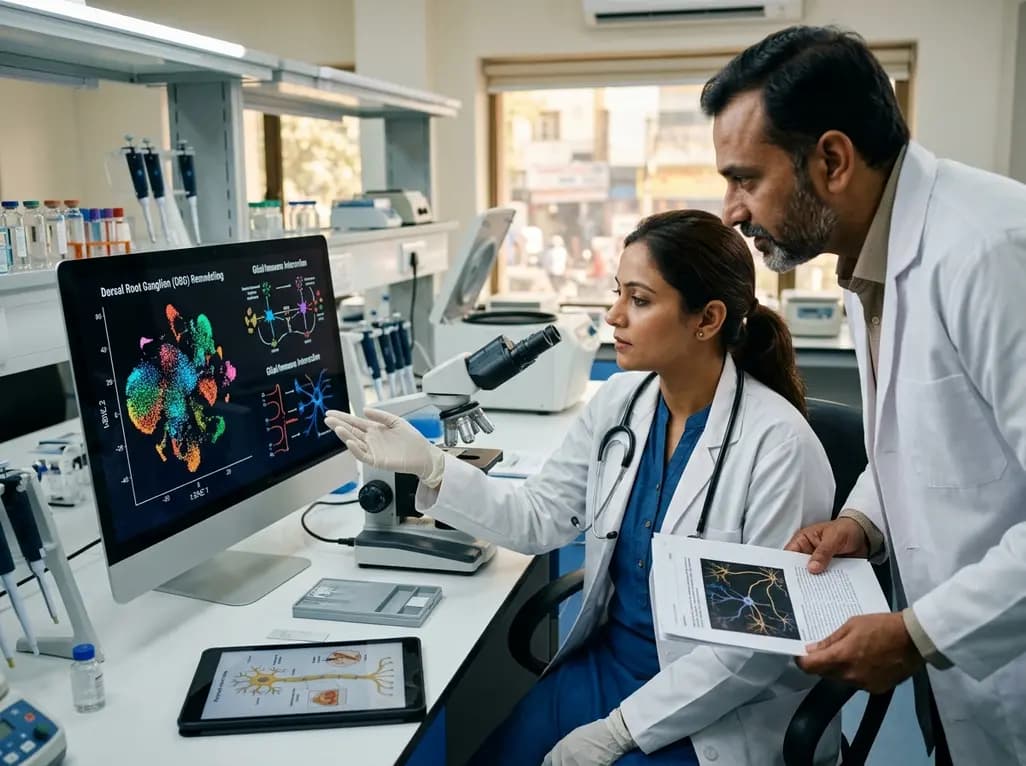
A single-cell transcriptomic atlas reveals how peripheral nerve injuries cause dorsal root ganglion remodeling. By evaluating proximal nerve crush and resection, researchers identify distinct glial and immune programs that resolve neuropathic pain and promote regeneration.
4 days back
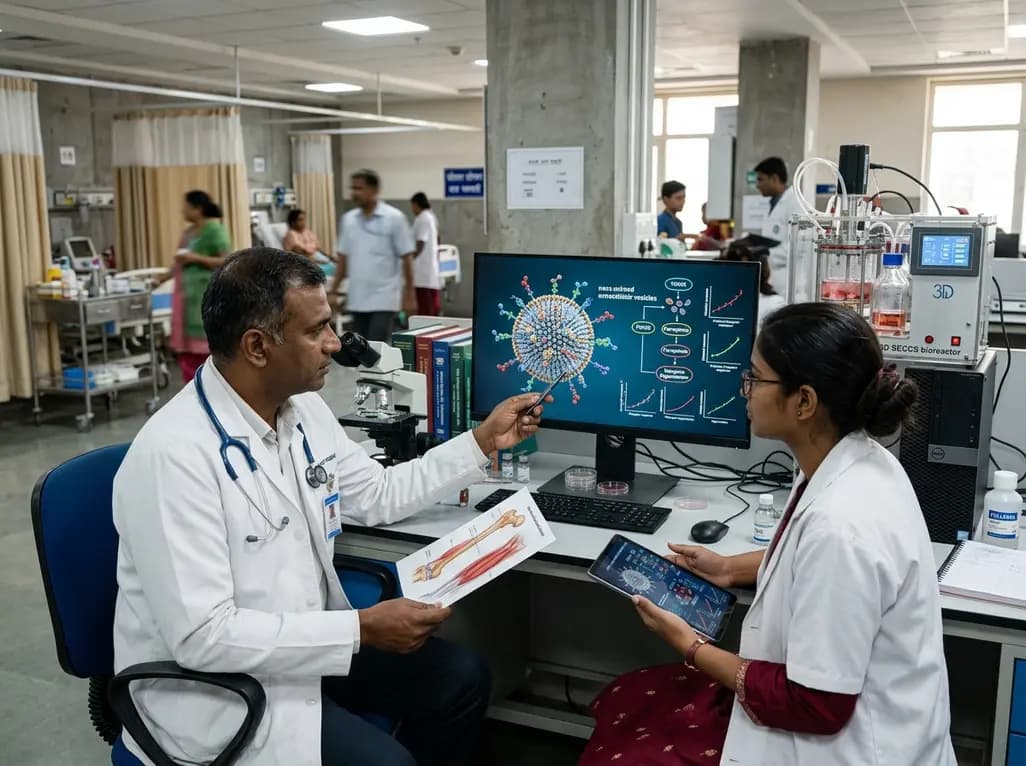
A breakthrough study demonstrates that fullerol-primed extracellular vesicles generated in a 3D SECCS bioreactor attenuate ferroptosis and restore myogenic regeneration in diabetes via the FOXO3 pathway, offering a cell-free therapeutic strategy for diabetic musculoskeletal degeneration.
4 days back
