.webp&w=384&q=75)

Loading, please wait...
Loading, please wait...
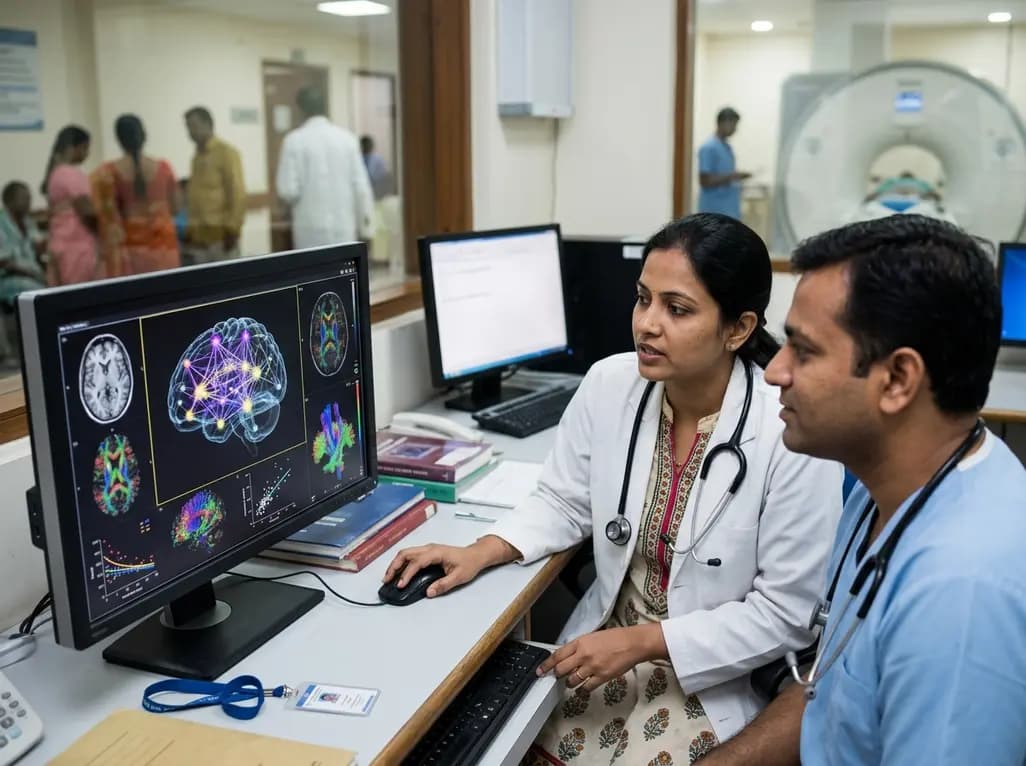
Drug-resistant focal epilepsy poses a formidable management challenge for neurologists and neurosurgeons globally. While temporal lobe epilepsy surgery offers the best opportunity for definitive seizure freedom, long-term postoperative outcomes remain variable. In fact, up to fifty percent of individuals who achieve initial remission experience seizure recurrence during subsequent years. Traditionally, presurgical planning focuses primarily on localizing the epileptogenic zone within the mesial temporal lobe. However, accumulating evidence suggests that epilepsy represents a complex distributed network disorder rather than an isolated focal pathology. Structural and functional connections across distant cerebral regions often undergo extensive reorganization, influencing treatment durability. Consequently, conventional clinical and demographic metrics fail to reliably forecast late surgical failures. To address this persistent clinical dilemma, recent multicenter research published in Neurology evaluated advanced connectome metrics derived from pre-operative neuroimaging. By measuring topological changes in highly connected brain hubs, researchers developed machine learning models capable of identifying patients at heightened risk of late seizure recurrence. This network-based approach provides valuable mechanistic insights into surgical prognosis.
To evaluate macroscopic network alterations, researchers analyzed a prospective multicenter cohort of 175 patients undergoing resective or laser ablative temporal lobe epilepsy surgery. Investigators collected preoperative diffusion-weighted magnetic resonance imaging and resting-state functional MRI data across six specialized epilepsy centers. Furthermore, they reconstructed comprehensive whole-brain structural and functional connectomes for each participant. In parallel, the team characterized normative connector hubs using a benchmark dataset of 362 healthy control subjects. They quantified patient-specific hub disruption using graph theory, specifically measuring alterations in the participation coefficient. The participation coefficient reflects how uniformly a network node distributes its functional connections across distinct topological modules. When disease pathology degrades these critical connector hubs, inter-modular communication deteriorates across the entire cerebral network. In addition, investigators evaluated gray and white matter volumes alongside standard clinical and demographic variables. The median post-surgical clinical follow-up spanned 5.4 years, providing robust longitudinal outcome data. Consequently, this rigorous methodological framework allowed investigators to delineate whether pre-existing disruption in normative network topology directly drives late therapeutic failure.
The study developed supervised machine learning classifiers to distinguish sustained seizure freedom from postsurgical seizure recurrence. Specifically, models incorporated participation coefficient disruption metrics derived from structural connectomes, functional connectomes, and combined multimodal datasets. When tested in an independent validation cohort, the multimodal machine learning model decisively outperformed models relying solely on conventional clinical variables or unimodal neuroimaging data. Furthermore, the combined connectomic framework achieved a high mean specificity of 80.0% alongside a negative predictive value of 63.9%. These performance metrics are clinically meaningful because high specificity prevents false-positive classifications of surgical failure. Therefore, the network algorithm accurately stratifies long-term recurrence risk without inappropriately dissuading eligible candidates from life-changing surgical interventions. Moreover, integrating multimodal data captured complementary facets of microstructural white matter degradation and dynamic functional desynchronization. Machine learning algorithms demonstrated that connectome-wide participation coefficient disruption provided additive prognostic value beyond traditional volumetric measurements. Ultimately, these findings confirm that multimodal connectomic profiling delivers superior prognostic accuracy for complex epilepsy workflows.
To decode the neuroanatomical features underlying model predictions, researchers applied Shapley Additive Explanation analyses. Interestingly, the algorithm identified pronounced participation coefficient disruption within ipsilateral and contralateral hippocampi, as expected in temporal lobe pathology. However, the analyses also revealed prominent disruption across extratemporal connector hubs belonging to the dorsal attention network. These extratemporal structures are situated far outside standard surgical resection margins. Consequently, traditional anterior temporal lobectomy or stereotactic laser ablation leaves these aberrant extratemporal circuits entirely untouched. When these widespread connector hubs exhibit baseline topological disruption, the remaining brain network retains intrinsic epileptogenic susceptibility or impaired inhibitory regulation. Thus, persistent extratemporal network disorganization likely provides the biological substrate for late seizure recurrence months or years following successful temporal resection. Furthermore, these observations challenge the traditional focus on isolated focal seizure foci. Instead, the findings underscore that successful long-term epilepsy management requires clinicians to account for large-scale cerebral connectivity and distributed network resilience before initiating surgical resections.
The translation of advanced connectomic biomarkers holds substantial relevance for the evolving epilepsy surgery landscape in India. While comprehensive epilepsy care centers in major metropolitan hubs increasingly adopt advanced neuroimaging, resource constraints frequently limit routine advanced post-processing. Nevertheless, high-volume tertiary centers equipped with 3 Tesla MRI scanners and dedicated workstations can feasibly implement standardized connectome reconstruction pipelines. Furthermore, accurate risk stratification addresses a vital socioeconomic need in resource-constrained environments. In India, patients who experience unexpected late seizure recurrence after expensive surgical procedures often face catastrophic out-of-pocket costs and severe social stigma. By integrating connectome-derived risk estimates during presurgical counseling, clinicians can provide families with realistic long-term expectations. Moreover, identified high-risk patients can receive closer multidisciplinary follow-up, tailored anti-seizure medication weaning schedules, and targeted cognitive assessments. In addition, expanding national collaborations across academic medical centers could establish standardized Indian normative connectome databases. Consequently, incorporating these advanced computational neuroimaging methods can refine patient selection, optimize resource allocation, and elevate standard neurological care across Indian health institutions.
In clinical practice, connectomic biomarkers should guide long-term therapeutic stewardship rather than serve as strict exclusion criteria for surgical candidacy. Because temporal lobe epilepsy surgery provides substantial seizure reduction even in complex cases, clinicians must not withhold surgery based solely on network scores. Instead, high-risk connectomic profiles should prompt proactive, individualized postoperative management pathways. For example, neurologists often attempt to taper anti-seizure medications after two consecutive seizure-free years. However, when preoperative imaging demonstrates severe extratemporal hub disruption, clinicians should exercise greater caution before reducing pharmacotherapy. Furthermore, these patients may benefit from more frequent serial ambulatory electroencephalography and enhanced lifestyle counseling. In addition, identifying pervasive dorsal attention network disruption enables clinicians to screen proactively for comorbid cognitive and attentional difficulties. Thus, connectomic biomarkers bridge the historical divide between focal surgical resection and holistic network neurology. By combining advanced neuroimaging biomarkers with rigorous clinical vigilance, multidisciplinary epilepsy teams can deliver personalized precision medicine and improve long-term functional quality of life.
Brain hub disruption impairs communication across widespread neural networks. In temporal lobe epilepsy, damage to connector hubs within the dorsal attention network and hippocampi weakens overall network stability. Consequently, even after successful resection of the primary temporal focus, disrupted extratemporal circuits sustain latent epileptogenicity, increasing long-term recurrence risk.
Multimodal imaging combines diffusion-weighted structural tractography with resting-state functional MRI connectivity. While structural imaging maps anatomical white matter tracts, functional imaging captures dynamic inter-regional synchronization. Consequently, combining both modalities provides a comprehensive assessment of structural network degradation and physiological decoupling, significantly enhancing prognostic accuracy and predictive specificity.
No, severe hub disruption should not exclude patients from surgical intervention. Epilepsy surgery still offers substantial palliative benefits and seizure reduction. Instead, clinicians should utilize these network biomarkers for risk stratification, enabling tailored presurgical counseling, cautious postoperative anti-seizure medication tapering, and intensified long-term clinical surveillance.
Disclaimer: This content is for informational and educational purposes only and is intended solely for healthcare professionals. It should not be used as a substitute for professional medical advice, diagnosis, or treatment. Medical knowledge and clinical guidelines evolve rapidly, and while efforts are made to ensure accuracy, practitioners must exercise their independent clinical judgment. Refer to the latest local and national guidelines for clinical practice.
References

Read summarized clinical updates, watch expert medical content, and earn CME certifications right from your smartphone.
Open your smartphone camera to scan and install.





Multimodal MRI connectomics and machine learning reveal that baseline disruption of normative connector hubs, including extratemporal networks, predicts long-term seizure recurrence following temporal lobe epilepsy surgery with 80% specificity, enabling personalized risk stratification.
last month
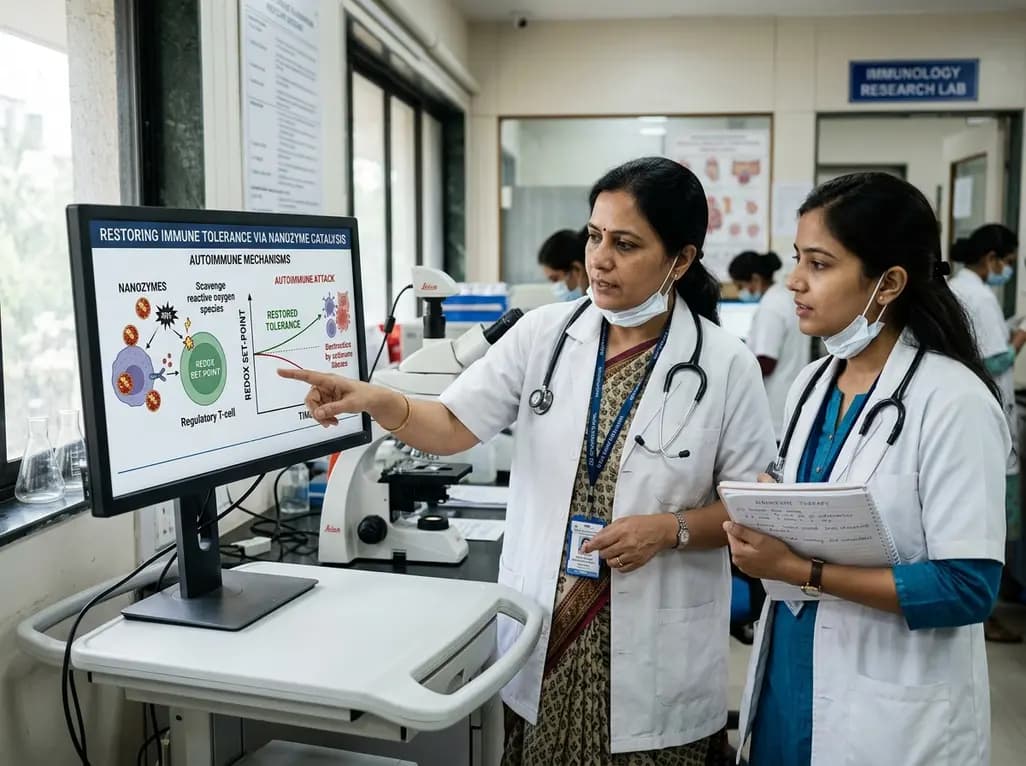
Discover how catalytic nanozymes redefine autoimmune disease therapy by establishing a physiological redox set-point to restore immune tolerance without broad immunosuppression.
2 days back
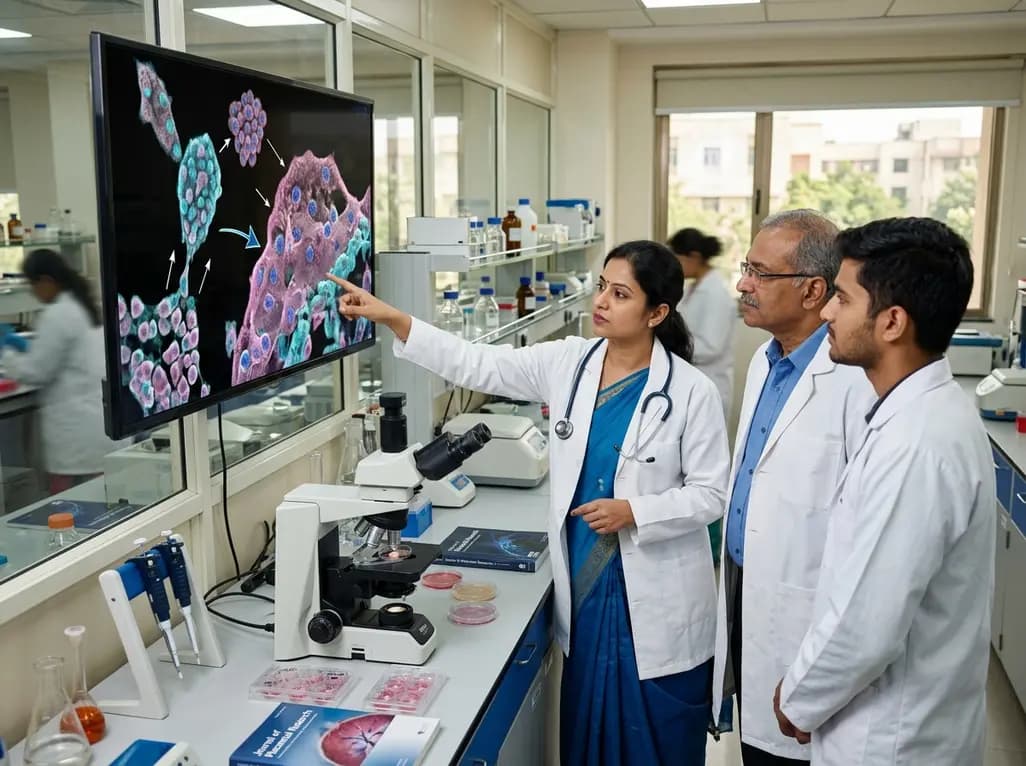
Recent research reveals that downregulating YAP1/TAZ-TEAD via Hippo signaling triggers spontaneous human trophoblast syncytialization in 3D cultures, illuminating placental biology and preeclampsia.
2 weeks back
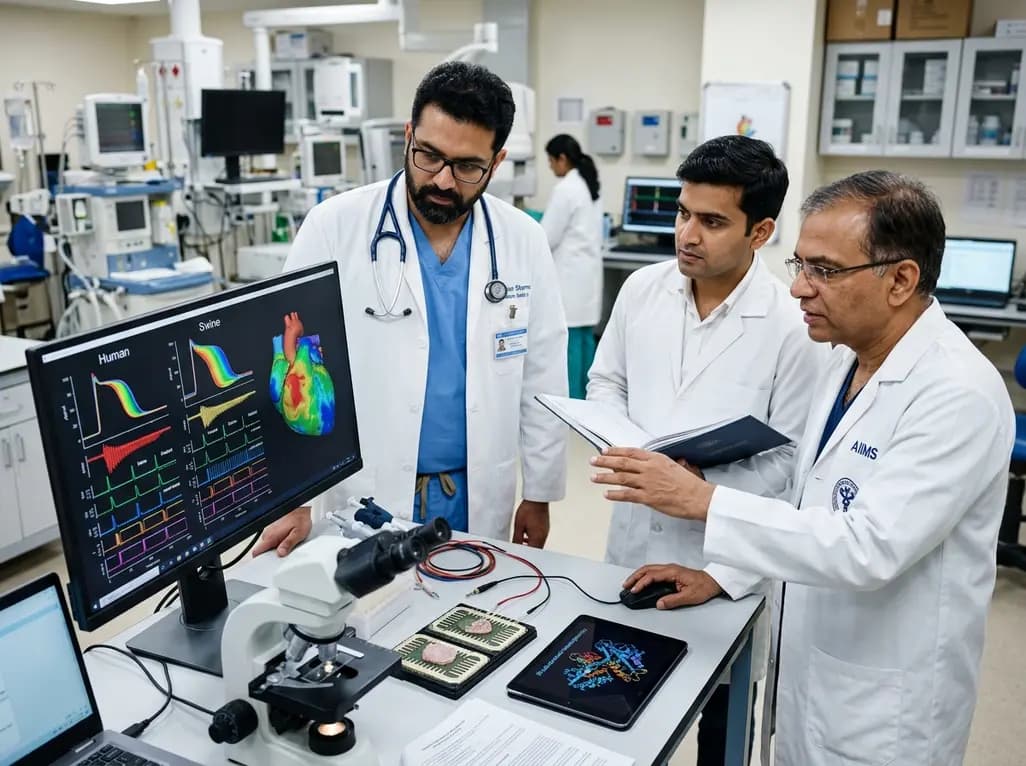
A landmark comparative study evaluates atrial electrophysiology across humans, swine, and rodents. By linking cellular recordings with transcriptomics and in silico modeling, researchers resolve cross-species gaps, explaining translational failures to advance targeted therapies for atrial arrhythmias.
2 weeks back
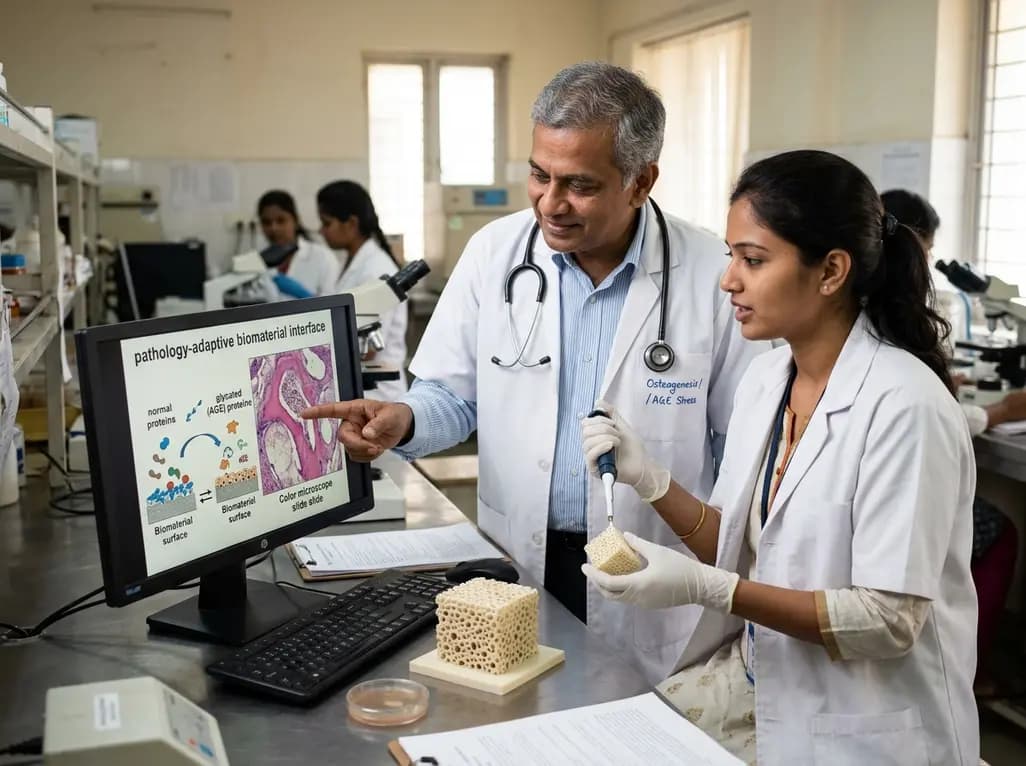
A novel pathology-adaptive surface engineering strategy uses functionalized plasma polymer coatings to selectively modulate AGE adsorption, reducing oxidative stress and restoring bone formation in diabetic and aging microenvironments.
last month
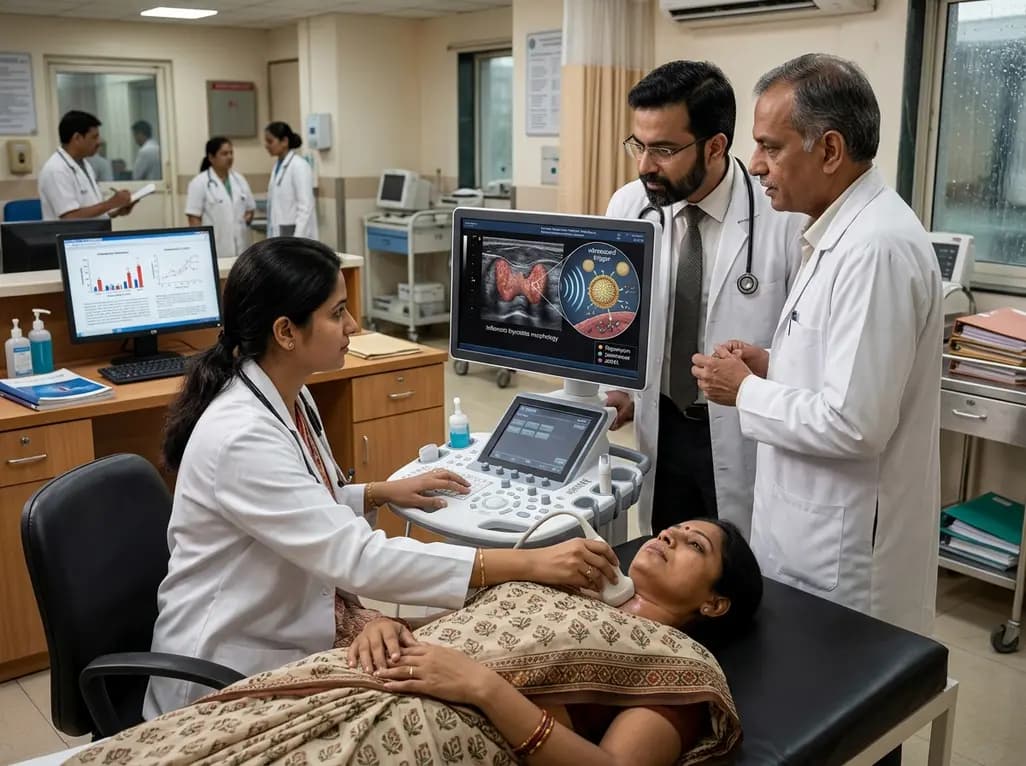
Researchers have developed an innovative ultrasound-responsive nano-contrast agent that co-delivers CIITA-siRNA and rapamycin directly to inflamed thyroid tissue, significantly reducing autoimmune injury and thyroid autoantibodies in preclinical models of Hashimoto thyroiditis.
2 weeks back
