.webp&w=384&q=75)

Loading, please wait...
Loading, please wait...
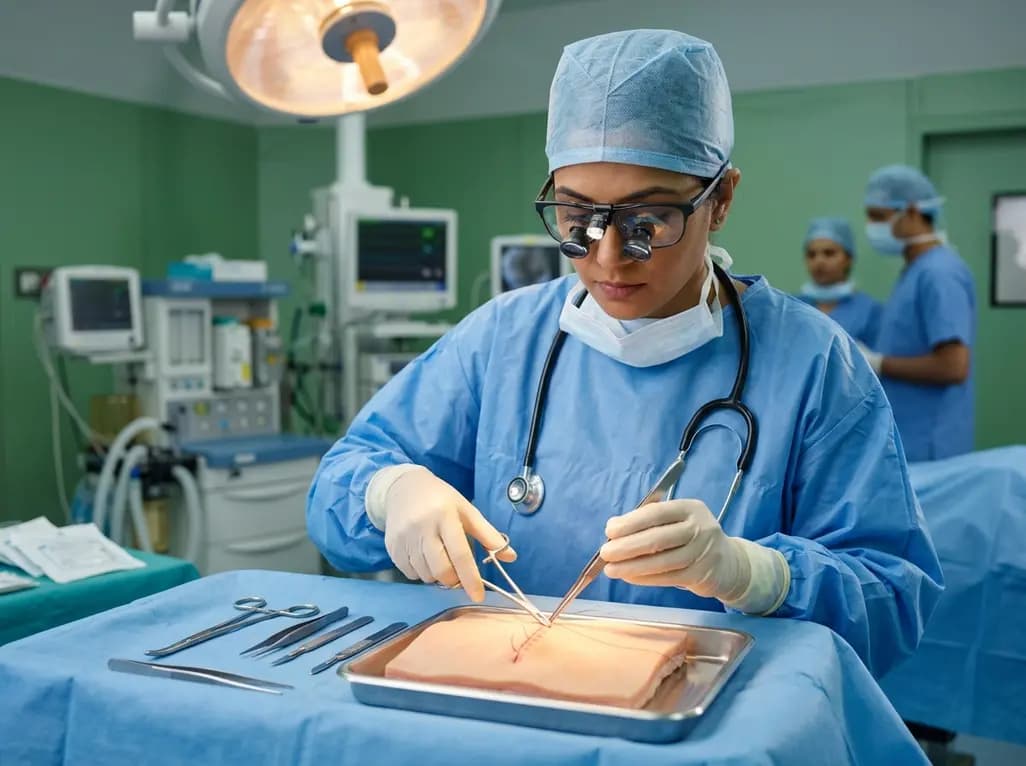
Surgical sutures are fundamental tools for tissue approximation and wound closure. However, traditional suture materials often face limitations in providing both high mechanical strength and bioactive therapeutic functions. Current commercial options usually focus on physical closure while leaving complications like infection and postoperative pain to be managed by systemic medications. To bridge this gap, researchers have developed mimetic silk sutures that replicate the sophisticated core-sheath structure of natural silk. These innovative sutures represent a paradigm shift in surgical materials by integrating mechanical durability with targeted drug delivery. By incorporating zinc and prilocaine directly into the fiber architecture, these sutures offer a triple-action approach: superior structural support, effective antimicrobial protection, and localized pain relief. This advancement could revolutionize how surgeons manage complex wounds and postoperative recovery pathways in clinical practice.
The architecture of the mimetic silk sutures is inspired by the hierarchical structure of natural silk fibers produced by silkworms. This design utilizes a sophisticated two-part system to maximize both strength and functionality. The internal core consists of zinc-fortified regenerated silk fibroin fibers (RSF-Zn), which are produced through a specialized wet-spinning process. After careful drawing, these fibers achieve a robust internal structure that provides the primary mechanical support for the wound. Surrounding this strong core is an outer sheath made of methacrylated sericin (SerMA). This shell is photo-crosslinked to ensure stability and serves as a bioactive reservoir. Specifically, the SerMA layer is loaded with prilocaine, a local anesthetic, creating the PSTZS suture system. This sheath not only protects the core but also enables the controlled release of therapeutic agents directly into the surrounding tissue. By separating the mechanical and therapeutic components into a core and sheath respectively, engineers have managed to bypass the trade-offs often seen in drug-loaded materials. This design ensures that the addition of antimicrobial zinc and pain-relieving prilocaine does not compromise the suture's ability to hold tissue together during the critical phases of healing.
One of the most impressive features of these mimetic silk sutures is their extraordinary mechanical performance compared to standard surgical threads. Commercial 5-0 Mersilk sutures, which are widely used in delicate procedures, often reach their limits under high-tension scenarios. In contrast, the PSTZS mimetic sutures exhibit a tensile strength exceeding 800 MPa and a steel-like modulus of approximately 30 GPa. Laboratory testing indicates that a PSTZS suture with a diameter of 215 micrometers can endure a maximum tensile force of 13.78 N. This value is double the tensile force threshold of the commercial 5-0 Mersilk equivalent, which measures 235 micrometers in diameter. Consequently, these sutures provide a higher safety margin for surgeons when managing wounds under tension or in mobile anatomical regions. The high modulus ensures that the suture resists stretching, maintaining precise tissue alignment throughout the inflammatory and proliferative phases of wound repair. This structural reliability is essential for preventing wound dehiscence and ensuring minimal scarring. Furthermore, the zinc fortification within the silk fibroin core contributes to the overall stability of the fiber, reinforcing the molecular network while providing secondary bioactive benefits. Such mechanical superiority suggests that these sutures could eventually replace synthetic non-absorbable materials in high-stress surgical applications.
Beyond mechanical strength, the mimetic silk sutures are designed to address the two most common postoperative complications: infection and pain. The inclusion of zinc (Zn2+) within the core provides a built-in antimicrobial barrier. Zinc ions are known for their broad-spectrum antibacterial activity, which helps prevent the colonization of the suture surface by common pathogens like Staphylococcus aureus. This is particularly important because sutures often act as scaffolds for biofilm formation, which can lead to persistent surgical site infections. Simultaneously, the outer SerMA shell serves as a delivery vehicle for prilocaine. Unlike systemic analgesics that circulate throughout the entire body, the prilocaine-loaded sheath releases the anesthetic locally at the site of the incision. This localized delivery effectively numbs the immediate area, reducing the need for oral opioids or NSAIDs. Importantly, the prilocaine release is sustained, providing extended relief during the initial days after surgery when pain levels are typically at their highest. By combining these two bioactive elements, the suture actively manages the biological environment of the wound. This dual-action mechanism significantly enhances patient comfort while reducing the clinical burden of monitoring and treating local infections during the recovery period.
To validate the efficacy of the pain management system within these mimetic silk sutures, researchers conducted advanced imaging studies using a rat pain model. Specifically, PET/CT scans were utilized to measure the metabolic levels of 18F-FDG, a marker for neuronal activity, in the brain. The results were striking, showing that the prilocaine-loaded sutures significantly reduced metabolic activity in 14 pain-related brain regions. Notable areas affected included the cingulate cortex and the somatosensory cortex, which are primary centers for processing physical and emotional pain signals. This data provides objective physiological evidence that the localized anesthetic release from the suture has a direct impact on the central nervous system's perception of pain. By dampening the neural pathways associated with discomfort, the sutures help maintain a more stable physiological state in the subject. This metabolic reduction confirms that the local delivery system is potent enough to modulate complex pain responses effectively. For clinicians, this objective data underscores the potential of bioactive sutures to serve as a cornerstone of multimodal analgesia. Reducing brain-level pain signals not only improves immediate comfort but may also help prevent the development of chronic postoperative pain syndromes, which are often driven by persistent noxious stimuli from the wound site.
The final pillar of the mimetic silk sutures' performance is their ability to actively promote tissue regeneration. Silk fibroin and sericin are naturally biocompatible proteins that have long been recognized for their wound-healing properties. The PSTZS suture specifically promotes fibroblast migration and angiogenesis, which are critical processes for rebuilding the extracellular matrix and restoring blood flow to the injured area. In vivo observations demonstrate that the presence of these silk proteins accelerates the overall rate of wound closure compared to synthetic alternatives. The zinc components also play a secondary role here, as zinc is a necessary cofactor for many enzymes involved in skin repair. As a result, the suture acts as more than just a mechanical tie; it functions as a regenerative scaffold that guides and supports the body's natural healing mechanisms. Looking forward, the success of this core-sheath design opens the door for even more specialized surgical materials. Future iterations could incorporate growth factors, anti-inflammatory drugs, or even biosensors to monitor wound health in real-time. As the medical community moves toward personalized and precision surgery, multifunctional materials like these mimetic silk sutures will be essential for improving surgical outcomes and enhancing the quality of life for postoperative patients.
Disclaimer: This content is for informational and educational purposes only and does not constitute medical advice. It is not intended to be a substitute for professional clinical judgment, diagnosis, or treatment. Always seek the advice of your physician or other qualified health provider with any questions regarding a medical condition. Refer to the latest local and national guidelines for clinical practice.
References
Peng Y et al. Mimetic Core-Sheath Silk Sutures with Superior-Strength for Pain Management, Anti-Infection and Wound Healing. Adv Healthc Mater. 2026 Jul 11. doi: 10.1002/adhm.202600024. PMID: 42433196.
Sun C. Development of Silk Fibroin Dressings and Advances in Their Application in Wound Healing. Highlights in Science, Engineering and Technology. 2024 Nov 7;102.
Kundu B et al. Silk fibroin biomaterials for tissue regenerations. Adv Drug Deliv Rev. 2013;65(10):1457-1470.
The mimetic silk sutures demonstrate significantly higher mechanical performance than standard commercial options. Specifically, they possess a tensile strength of over 800 MPa and a modulus of 30 GPa, which is comparable to the stiffness of steel. In comparative tests, a 215-micrometer PSTZS suture supported a force of 13.78 N, effectively doubling the strength of a 235-micrometer 5-0 Mersilk suture. This increased durability allows for more secure wound closure in high-tension areas.
Zinc serves a dual purpose in this innovative suture design. Primarily, it acts as a potent antimicrobial agent by releasing zinc ions that disrupt bacterial cell membranes and prevent biofilm formation, which is a major cause of surgical site infections. Additionally, the incorporation of zinc into the silk fibroin core enhances the material's mechanical properties, providing a more robust structural framework that supports the tissue during the critical initial phases of the wound healing process.
The pain management capabilities were verified using PET/CT imaging in a rat pain model to monitor brain metabolic activity. The study tracked 18F-FDG levels and found that the prilocaine-loaded sutures significantly reduced metabolic activity in 14 specific pain-related brain regions, such as the cingulate and somatosensory cortex. This provides objective evidence that the local release of anesthetic from the suture successfully modulates the central nervous system's perception of pain, leading to improved postoperative comfort.

Read summarized clinical updates, watch expert medical content, and earn CME certifications right from your smartphone.
Open your smartphone camera to scan and install.





Engineers have developed mimetic core-sheath silk sutures that combine steel-like strength with active pain management and antimicrobial properties. Featuring a zinc-fortified core and prilocaine-loaded shell, these sutures represent a significant leap in surgical technology and postoperative patient care.
3 months ago

Depemokimab offers twice-yearly dosing for severe eosinophilic asthma and chronic rhinosinusitis with nasal polyps, significantly cutting exacerbations and hospital admissions.
3 days back

A novel copper metal-organic framework hydrogel remodels the uterine microenvironment to stimulate robust endometrial regeneration, reduce intrauterine fibrosis, and restore reproductive fertility, offering a groundbreaking strategy for managing refractory endometrial damage and Asherman syndrome.
4 days back
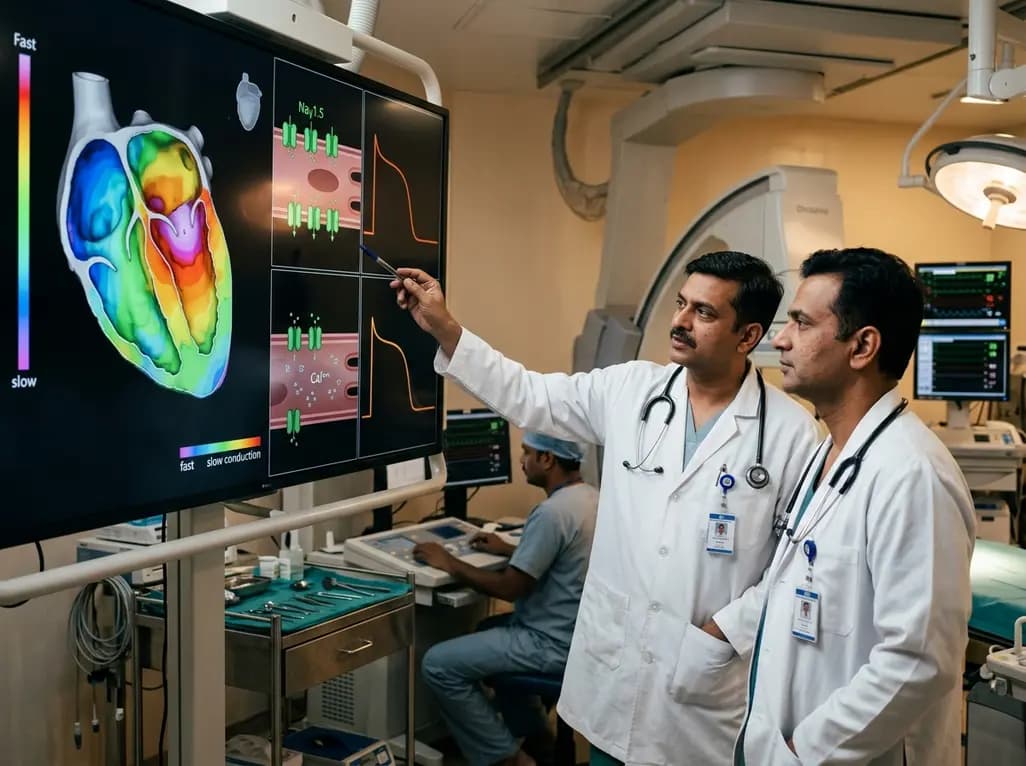
New research reveals that non-ablative radiotherapy suppresses ventricular tachycardia by increasing conduction velocity via NaV1.5 upregulation and action potential prolongation. However, sustained sodium current elevation and depressed calcium handling highlight the need for careful clinical translation.
6 days back

A single-cell transcriptomic atlas reveals how peripheral nerve injuries cause dorsal root ganglion remodeling. By evaluating proximal nerve crush and resection, researchers identify distinct glial and immune programs that resolve neuropathic pain and promote regeneration.
3 days back

A breakthrough study demonstrates that fullerol-primed extracellular vesicles generated in a 3D SECCS bioreactor attenuate ferroptosis and restore myogenic regeneration in diabetes via the FOXO3 pathway, offering a cell-free therapeutic strategy for diabetic musculoskeletal degeneration.
3 days back
