.webp&w=384&q=75)

Loading, please wait...
Loading, please wait...
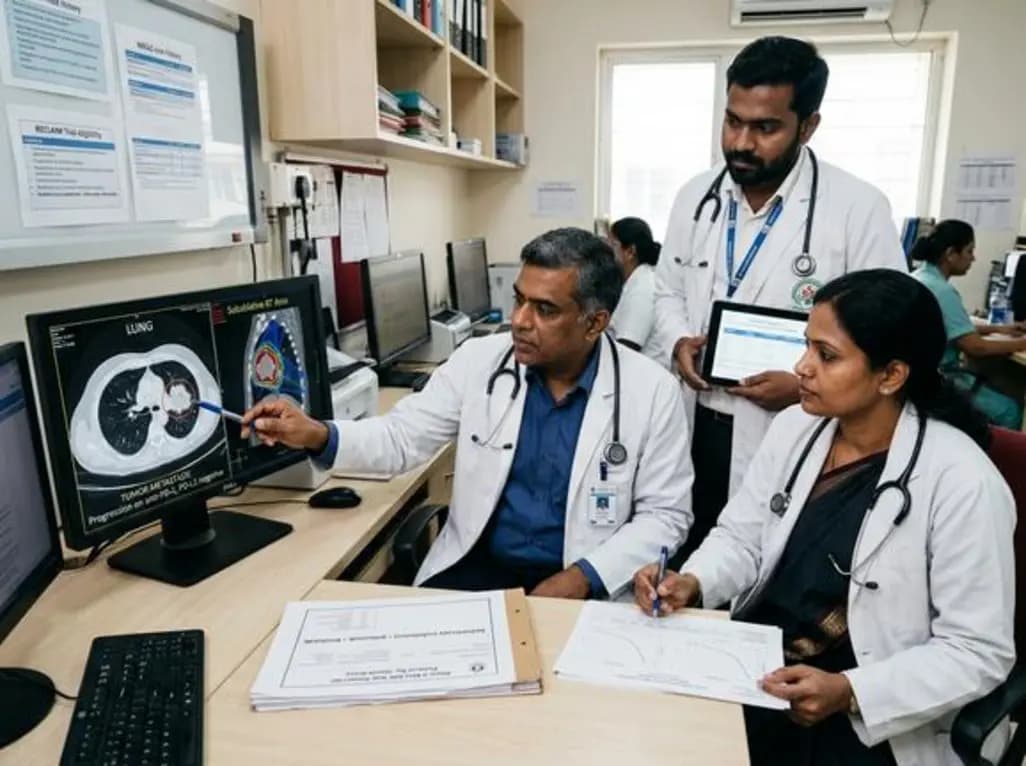
The RECLAIM trial was a Phase II study designed to evaluate the safety and efficacy of combining ipilimumab, nivolumab, and subablative radiotherapy in patients with metastatic NSCLC who progressed on prior anti-PD-1 therapy.
Radiotherapy was used to potentially prime the immune system. This local treatment can release tumor antigens, thereby enhancing the systemic effectiveness of dual immunotherapy in patients with low PD-L1 expression.
Patients with metastatic NSCLC who have low (1-49%) or negative PD-L1 expression and have already failed a primary anti-PD-1 treatment may benefit from this combined modality approach.
Disclaimer: This content is for informational and educational purposes only. It does not constitute medical advice or a professional relationship. Refer to the latest local and national guidelines for clinical practice.
References
Ulas EB et al. Rescue by radiotherapy and anti-CTLA4/PD-1 after failure of anti-PD-1 therapy in patients with metastatic NSCLC: the phase II RECLAIM trial. J Immunother Cancer. 2026 Jun 22. doi: undefined. PMID: 42331381.
Hellmann MD et al. Nivolumab plus Ipilimumab in Advanced Non-Small-Cell Lung Cancer. N Engl J Med. 2018;378(22):2093-2104.
Theelen WSME et al. Effect of Pembrolizumab After Stereotactic Body Radiotherapy vs Pembrolizumab Alone on Tumor Response in Patients With Advanced Non-Small Cell Lung Cancer: The PEMBRO-RT Randomized Clinical Trial. JAMA Oncol. 2019;5(9):1276-1282.

Read summarized clinical updates, watch expert medical content, and earn CME certifications right from your smartphone.
Open your smartphone camera to scan and install.





The Phase II RECLAIM trial explores a novel rescue strategy for metastatic NSCLC patients who progressed on anti-PD-1 therapy. By combining subablative radiotherapy with ipilimumab and nivolumab, researchers evaluated efficacy in patients with low or negative PD-L1 expression, offering a potential new path forward.
4 months ago
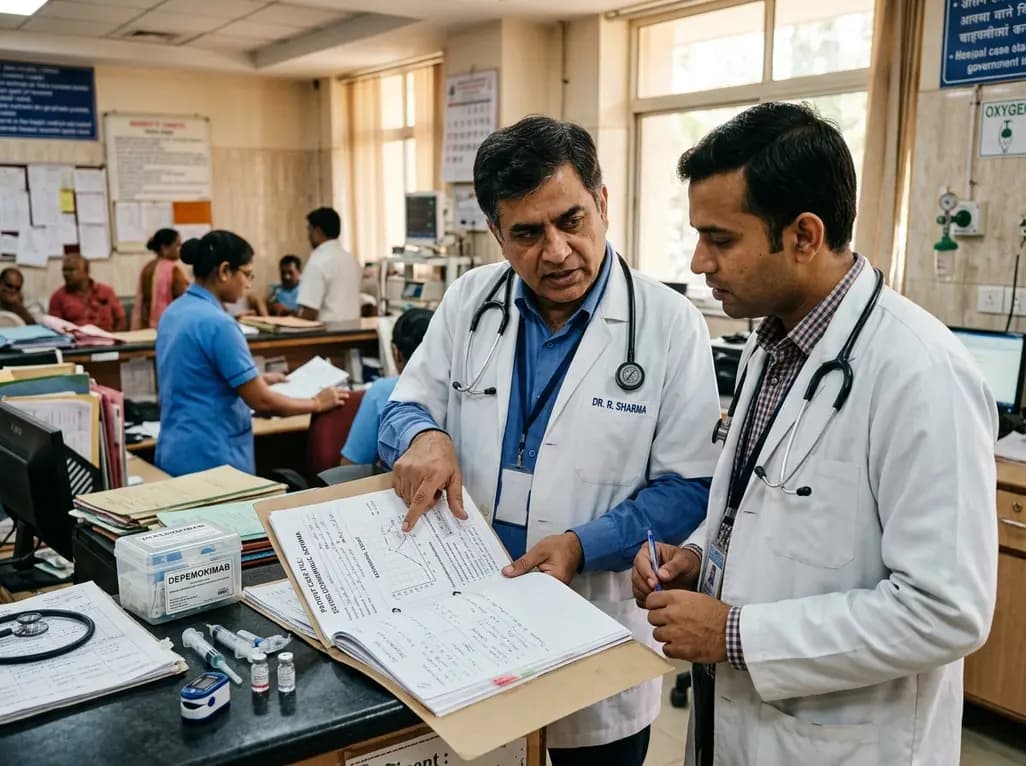
Depemokimab offers twice-yearly dosing for severe eosinophilic asthma and chronic rhinosinusitis with nasal polyps, significantly cutting exacerbations and hospital admissions.
4 days back
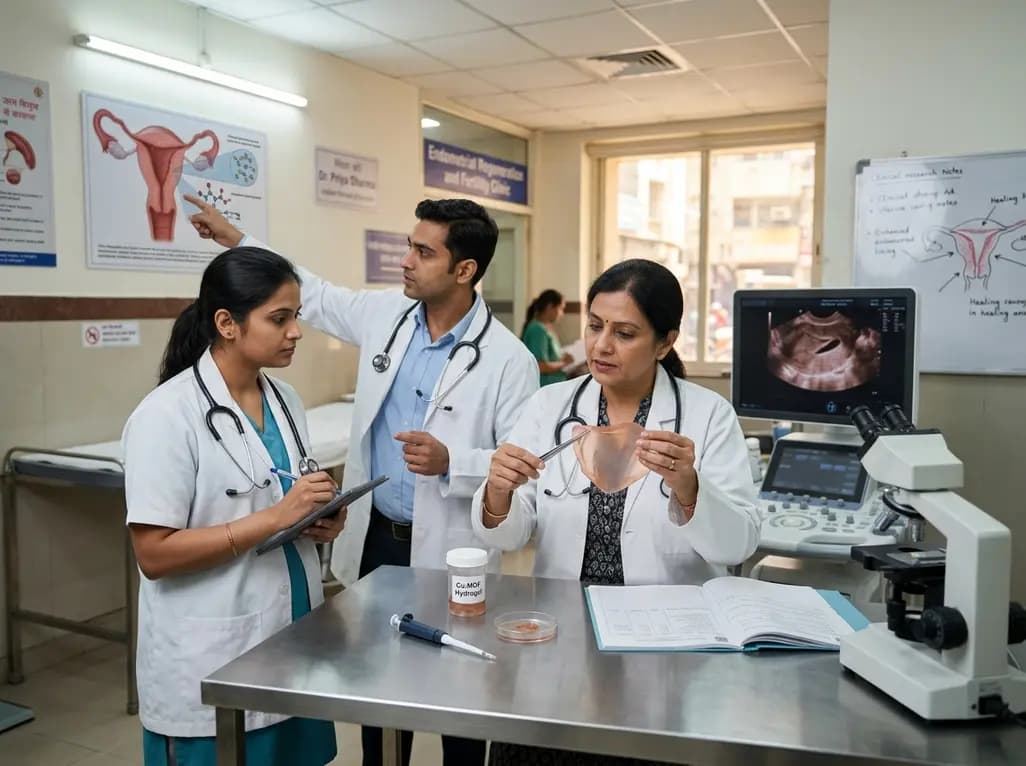
A novel copper metal-organic framework hydrogel remodels the uterine microenvironment to stimulate robust endometrial regeneration, reduce intrauterine fibrosis, and restore reproductive fertility, offering a groundbreaking strategy for managing refractory endometrial damage and Asherman syndrome.
4 days back
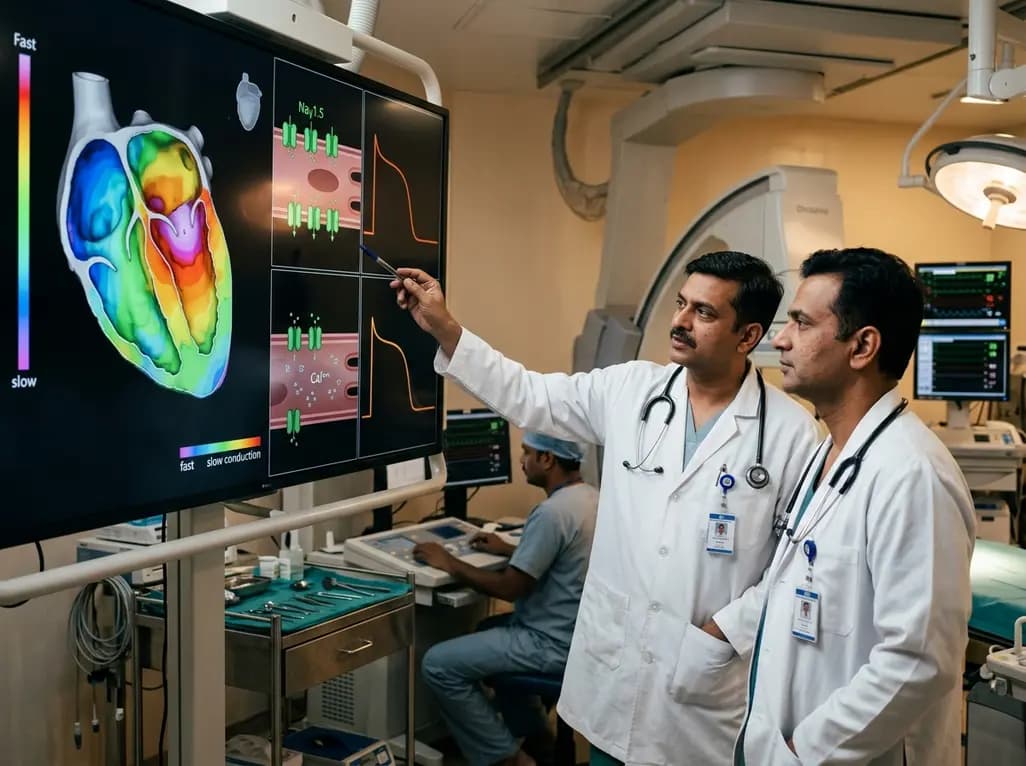
New research reveals that non-ablative radiotherapy suppresses ventricular tachycardia by increasing conduction velocity via NaV1.5 upregulation and action potential prolongation. However, sustained sodium current elevation and depressed calcium handling highlight the need for careful clinical translation.
6 days back

A single-cell transcriptomic atlas reveals how peripheral nerve injuries cause dorsal root ganglion remodeling. By evaluating proximal nerve crush and resection, researchers identify distinct glial and immune programs that resolve neuropathic pain and promote regeneration.
4 days back
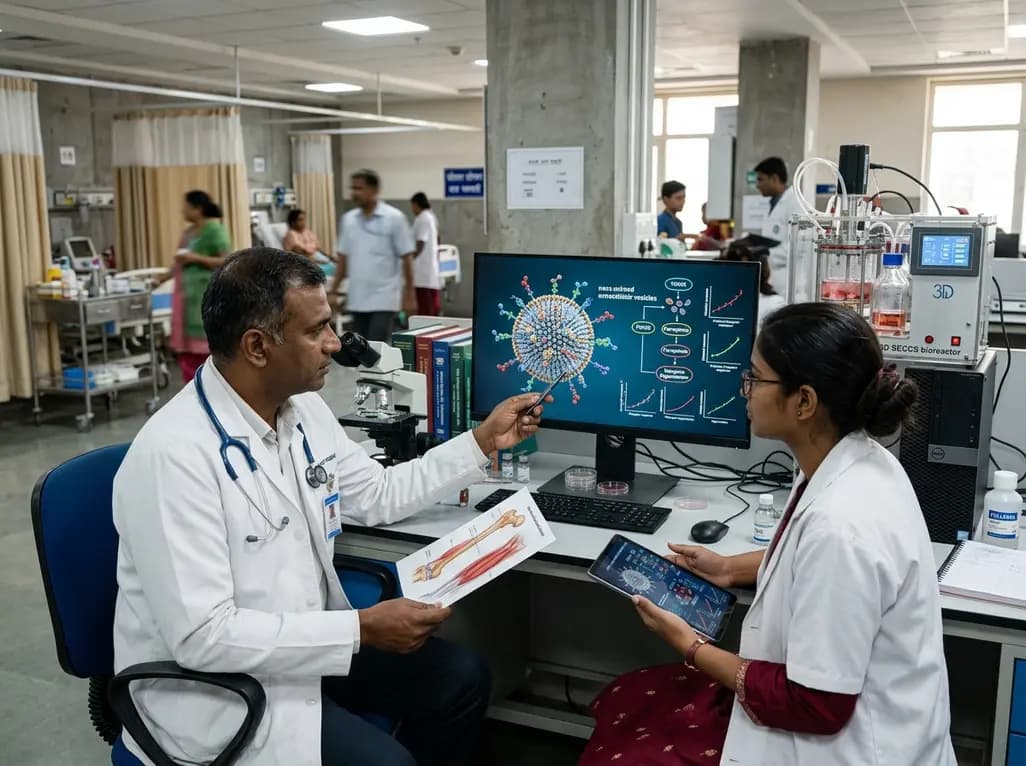
A breakthrough study demonstrates that fullerol-primed extracellular vesicles generated in a 3D SECCS bioreactor attenuate ferroptosis and restore myogenic regeneration in diabetes via the FOXO3 pathway, offering a cell-free therapeutic strategy for diabetic musculoskeletal degeneration.
4 days back
