.webp&w=384&q=75)

Loading, please wait...
Loading, please wait...

Mental health practitioners currently face a significant challenge in addressing the surging rates of anxiety among university students. Traditional screening methods, while effective, often fail to reach the broader population due to limitations in scalability and self-reporting biases. Consequently, researchers have turned to digital footprints to identify early warning signs of distress. The integration of anxiety prediction machine learning techniques offers a transformative approach by utilizing data students generate naturally. By analyzing linguistic patterns and behavioral cues on social media, we can bridge the gap between academic pressure and timely support. This article explores recent advancements in digital phenotyping, specifically how passive data collection can revolutionize student counseling. Understanding these computational models is essential for modern healthcare providers who wish to integrate objective digital biomarkers into their diagnostic toolkit. Furthermore, the ability to predict anxiety through non-invasive means could significantly reduce the burden on traditional healthcare infrastructure. As we move toward a more digitized society, the role of artificial intelligence in mental health screening becomes increasingly prominent and necessary.
The study conducted by Dong et al. provides a robust framework for understanding how social media signals correlate with anxiety scores. Researchers surveyed 3,211 students across multiple universities, eventually refining a dataset of 2,368 valid responses using the Self-Rating Anxiety Scale (SAS). To capture digital behavior, the team analyzed over 83,000 Weibo posts from participants who provided informed consent. This process involved rigorous data cleaning to ensure that only relevant linguistic and behavioral features remained for analysis. Specifically, the researchers extracted multi-dimensional data spanning emotional, cognitive, and temporal categories. By comparing four machine learning architectures—Random Forest, XGBoost, LightGBM, and SVR—the study identified the most accurate predictors of anxiety levels. Unlike previous small-scale studies, this research utilized a substantial sample size to enhance the generalizability of results. Moreover, the focus on public social media footprints allowed for a non-intrusive look into the students' daily psychological states. This methodology highlights the importance of data quality and participant consent in digital health research.
The analytical phase revealed that the Random Forest model outperformed its counterparts in predicting anxiety scores. With an R² value of 0.77 and a Root Mean Square Error (RMSE) of 13.41, the model demonstrated a strong correlation between digital footprints and the SAS scale. These metrics suggest that machine learning can indeed approximate a student's psychological state with high precision. Additionally, the researchers employed SHAP values to peel back the \"black box\" of the AI model. This interpretability tool identified several key features that drove the predictions, including grade level and emotional tone. Specifically, linguistic markers related to risk and professionalism were highly indicative of underlying anxiety levels. The consistency of these results across different provinces suggests that certain digital behaviors are universal indicators of distress. Furthermore, the model's ability to maintain a low Mean Absolute Percentage Error of 25.94% indicates its practical utility in real-world screening. While models like XGBoost also showed promise, the robustness of the Random Forest approach provided the most reliable clinical insights for educational institutions.
Deep analysis of model features reveals fascinating insights into digital manifestations of anxiety. SHAP-based interpretation emphasized that emotional expression and the \"curiosity index\" are primary drivers of prediction. For instance, students experiencing high anxiety often utilize specific risk-related language and exhibit distinct temporal patterns in their posting behavior. Interestingly, the model identified grade level as a significant predictor, reflecting varying stressors associated with different stages of university life. Moreover, word count and emotional tone served as reliable proxies for cognitive load and mood regulation. By mapping these digital signals to established psychological dimensions, the research bridges the gap between computer science and clinical psychology. This alignment ensures that models are not just statistically significant but also clinically relevant. For example, a decrease in word variety might alert a counselor to a student's declining mental state. Consequently, practitioners can use these insights to tailor interventions based on specific digital markers. This approach allows for a more nuanced understanding of how anxiety affects communication and behavior in the digital age.
Integrating machine learning into university health systems could revolutionize early intervention strategies. Instead of waiting for students to seek help, digital phenotyping allows for proactive outreach. Clinicians can monitor trends at a population level to identify cohorts at higher risk, thereby streamlining the triage process. This method is particularly beneficial in countries with high student-to-counselor ratios, where resources are limited. By automating the initial screening phase, human resources can be focused on those who need intensive care the most. Moreover, the privacy-conscious nature of the pipeline ensures that data is used ethically and only with consent. This balance is crucial for maintaining trust between students and health services. Additionally, these digital tools provide a longitudinal view of health, which is often missing in cross-sectional self-reports. Consequently, practitioners can observe how anxiety levels fluctuate in response to academic cycles. This continuous monitoring capability represents a paradigm shift in how we approach mental health assessment. Ultimately, the goal is to create a supportive digital ecosystem that safeguards student well-being through advanced technology and compassionate care.
While the potential of digital phenotyping is vast, it raises significant ethical questions regarding data surveillance and privacy. The study by Dong et al. emphasizes the necessity of informed consent and the use of public data to mitigate these concerns. However, as these tools become more prevalent, healthcare institutions must establish clear guidelines for data storage and access. Furthermore, the risk of algorithmic bias must be constantly monitored to ensure that all student groups receive equitable care. Adapting these models to diverse linguistic and cultural contexts will require localized data and careful calibration. Despite these challenges, the benefits of early anxiety detection far outweigh the risks if proper safeguards are in place. The transition from reactive to preventive mental health care is a necessity in our digitized world. By leveraging the power of machine learning, we can provide a safety net for students who might otherwise suffer in silence. This research marks a critical step toward a future where technology and medicine work together to support psychological health. Continuous refinement of these algorithms will ensure they serve as a bridge to professional support.
Anxiety prediction machine learning models, such as the Random Forest architecture, show a high correlation with standardized scales like the SAS. While traditional surveys remain the clinical gold standard, machine learning offers a scalable, objective alternative that avoids self-reporting bias. In the latest research, these models achieved an R-squared value of 0.77, indicating they can explain a significant portion of the variance in anxiety levels by analyzing linguistic and behavioral digital footprints.
Several multi-dimensional features are critical for predicting anxiety according to recent research. These include linguistic markers like the frequency of risk-related words and the emotional tone of social media posts. Behavioral indicators such as posting frequency, word count, and grade level also play significant roles. Using SHAP values for model interpretation allows clinicians to see how emotional expression and curiosity indices contribute to the final prediction, providing a detailed psychological profile through passive digital data.
Privacy is a paramount concern when using social media data for health screening. Current research addresses this by utilizing public data and obtaining explicit informed consent from participants. These pipelines are designed to be privacy-conscious, ensuring that identities are protected during preprocessing. However, implementing these tools in clinical practice requires strict institutional guidelines to prevent unauthorized surveillance and ensure that data is used exclusively for the student's mental health benefit and overall well-being.
Disclaimer: This content is for informational and educational purposes only and does not constitute medical advice, diagnosis, or treatment. Always seek the advice of a qualified healthcare provider with any questions regarding a medical condition. The use of digital screening tools should complement, not replace, professional clinical evaluation. Refer to the latest local and national guidelines for clinical practice.
References
Dong C et al. Leveraging social media footprints for predicting college student anxiety: a machine learning approach. BMC Psychol. 2026 Jul 11. doi: 10.1186/s40359-026-05161-6. PMID: 42436589.
Torous J, et al. Digital Phenotyping for Adolescent Mental Health: Feasibility Study Using Machine Learning to Predict Mental Health Risk From Active and Passive Smartphone Data. JMIR Ment Health. 2026 Feb 4. doi: 10.2196/654321.
Guntuku SC, et al. Leveraging Social Media to Predict COVID-19-Induced Disruptions to Mental Well-Being Among University Students: Modeling Study. PubMed. 2024 Jun 25. doi: 10.2196/543210.
"
Read summarized clinical updates, watch expert medical content, and earn CME certifications right from your smartphone.
Open your smartphone camera to scan and install.





Discover how AI analyzes social media to predict college student anxiety. This study uses Random Forest models and SHAP values to identify digital biomarkers, offering a scalable solution for early mental health screening in the digital age.
3 months ago

Depemokimab offers twice-yearly dosing for severe eosinophilic asthma and chronic rhinosinusitis with nasal polyps, significantly cutting exacerbations and hospital admissions.
3 days back

A novel copper metal-organic framework hydrogel remodels the uterine microenvironment to stimulate robust endometrial regeneration, reduce intrauterine fibrosis, and restore reproductive fertility, offering a groundbreaking strategy for managing refractory endometrial damage and Asherman syndrome.
4 days back
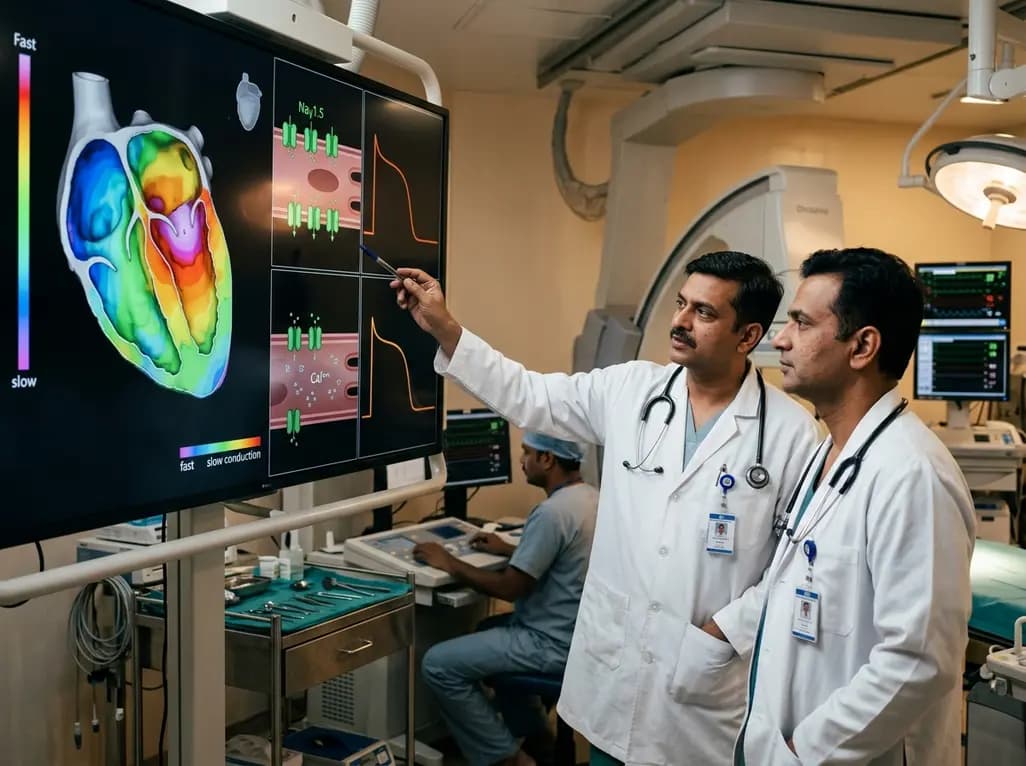
New research reveals that non-ablative radiotherapy suppresses ventricular tachycardia by increasing conduction velocity via NaV1.5 upregulation and action potential prolongation. However, sustained sodium current elevation and depressed calcium handling highlight the need for careful clinical translation.
6 days back
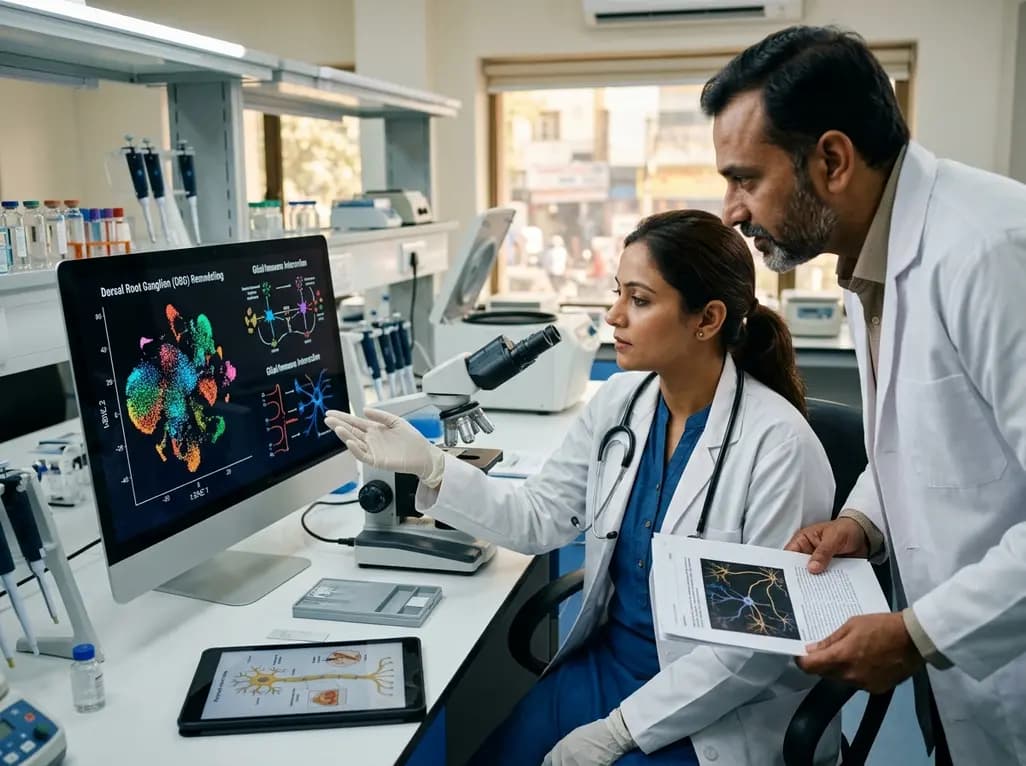
A single-cell transcriptomic atlas reveals how peripheral nerve injuries cause dorsal root ganglion remodeling. By evaluating proximal nerve crush and resection, researchers identify distinct glial and immune programs that resolve neuropathic pain and promote regeneration.
3 days back
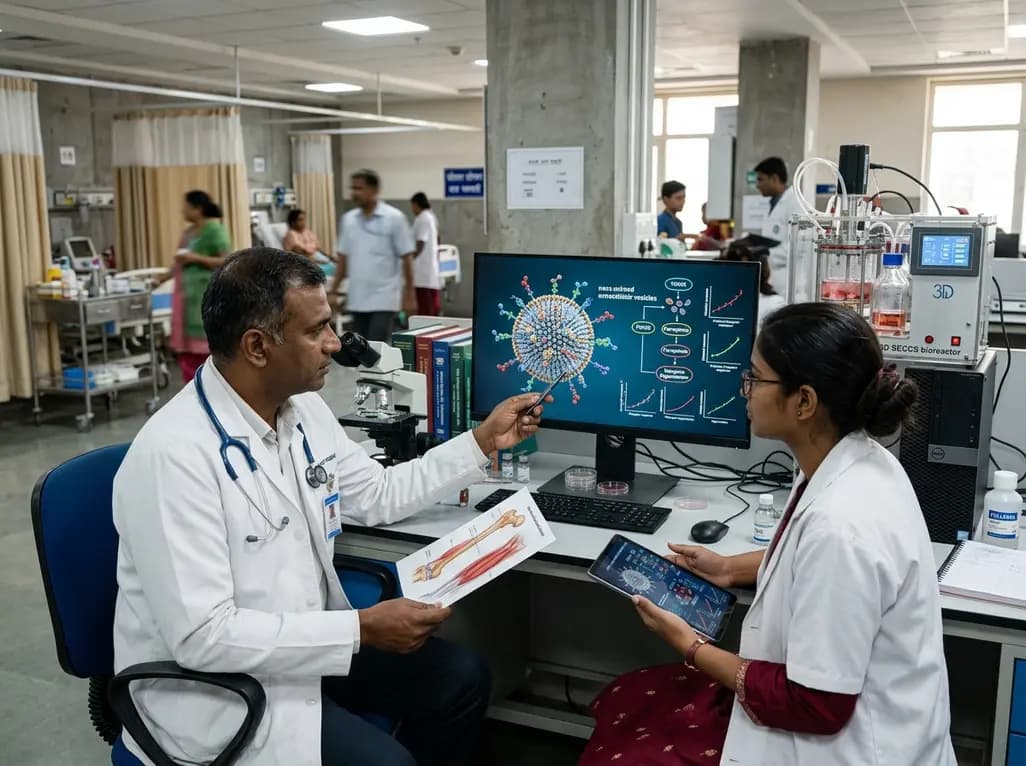
A breakthrough study demonstrates that fullerol-primed extracellular vesicles generated in a 3D SECCS bioreactor attenuate ferroptosis and restore myogenic regeneration in diabetes via the FOXO3 pathway, offering a cell-free therapeutic strategy for diabetic musculoskeletal degeneration.
3 days back
