.webp&w=384&q=75)

Loading, please wait...
Loading, please wait...
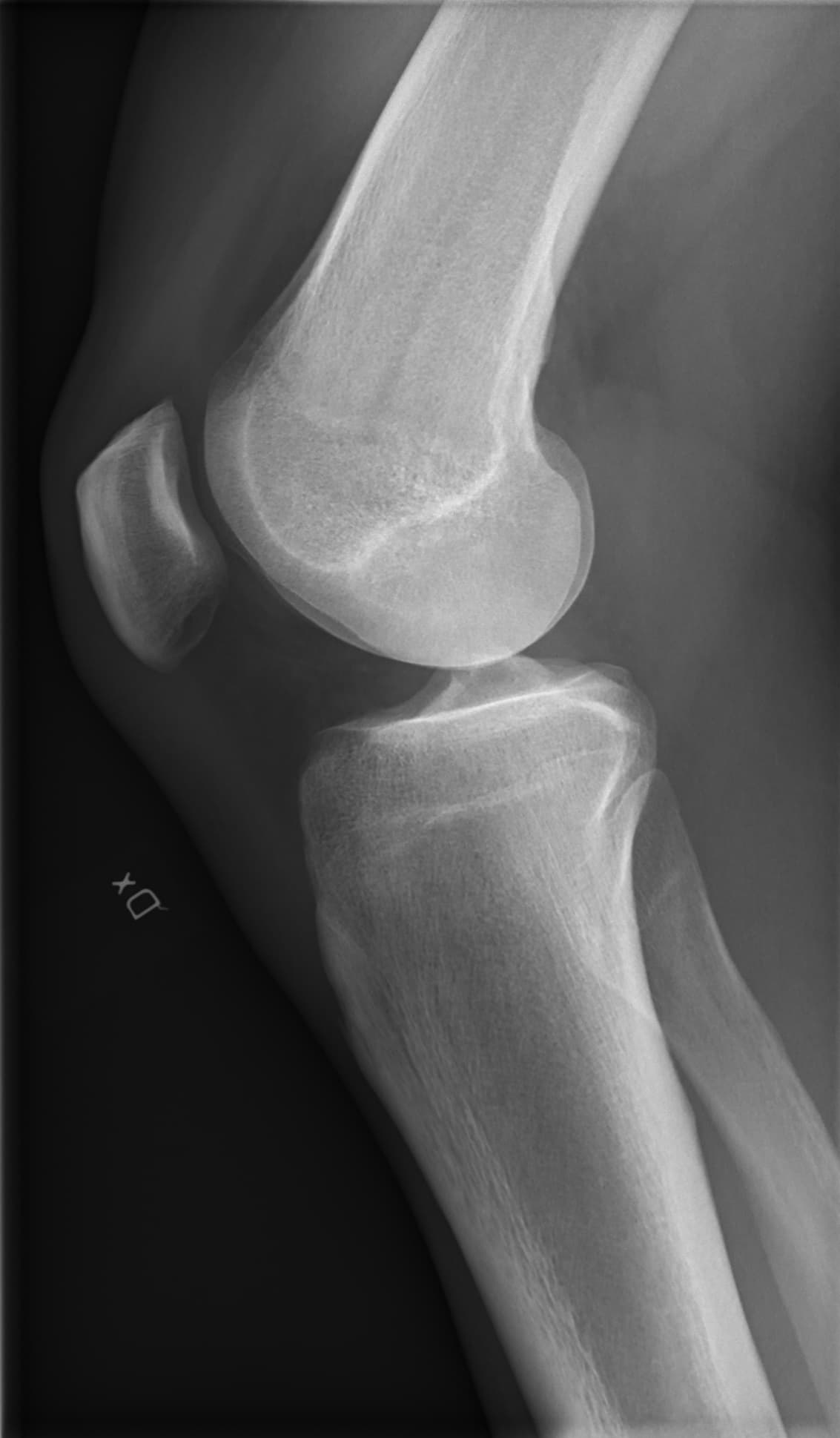
Recurrent lateral patellar instability can arise from several anatomical contributors, including trochlear dysplasia, patella alta, tibial tubercle lateralisation and insufficiency of the medial patellofemoral ligament. This systematic review and meta-analysis evaluated outcomes after isolated MPFL reconstruction, focusing on whether soft-tissue stabilization alone can restore acceptable function in carefully selected patients. The evidence suggests that isolated MPFL reconstruction can produce good stability and functional outcomes when major bony abnormalities do not require correction. The study is clinically important because it supports avoiding unnecessary combined procedures in appropriate patients while recognising that patient selection is critical. Surgeons should assess patellar height, TT-TG distance, trochlear morphology, rotational alignment and the pattern of instability before deciding that isolated reconstruction is sufficient. The broader message is that instability is a three-dimensional problem: the MPFL is central, but reconstruction should not be used to mask unaddressed structural drivers. Rehabilitation, graft placement and prevention of stiffness also matter. For HCPs, the paper supports an anatomy-led strategy in which isolated MPFL reconstruction is reserved for patients whose instability profile can reasonably be corrected without adding tibial tubercle osteotomy or trochleoplasty.

Read summarized clinical updates, watch expert medical content, and earn CME certifications right from your smartphone.
Open your smartphone camera to scan and install.





Recurrent lateral patellar instability can arise from several anatomical contributors, including trochlear dysplasia, patella alta, tibial tubercle lateralisation and insufficiency of the medial patellofemoral ligament. This systematic review and meta-analysis evaluated outcomes after isolated MPFL reconstruction, focusing on whether soft-tissue stabilization alone can restore acceptable function in carefully selected patients. The evidence suggests that isolated MPFL reconstruction can produce good stability and functional outcomes when major bony abnormalities do not require correction. The study is clinically important because it supports avoiding unnecessary combined procedures in appropriate patients while recognising that patient selection is critical. Surgeons should assess patellar height, TT-TG distance, trochlear morphology, rotational alignment and the pattern of instability before deciding that isolated reconstruction is sufficient. The broader message is that instability is a three-dimensional problem: the MPFL is central, but reconstruction should not be used to mask unaddressed structural drivers. Rehabilitation, graft placement and prevention of stiffness also matter. For HCPs, the paper supports an anatomy-led strategy in which isolated MPFL reconstruction is reserved for patients whose instability profile can reasonably be corrected without adding tibial tubercle osteotomy or trochleoplasty.
4 weeks back
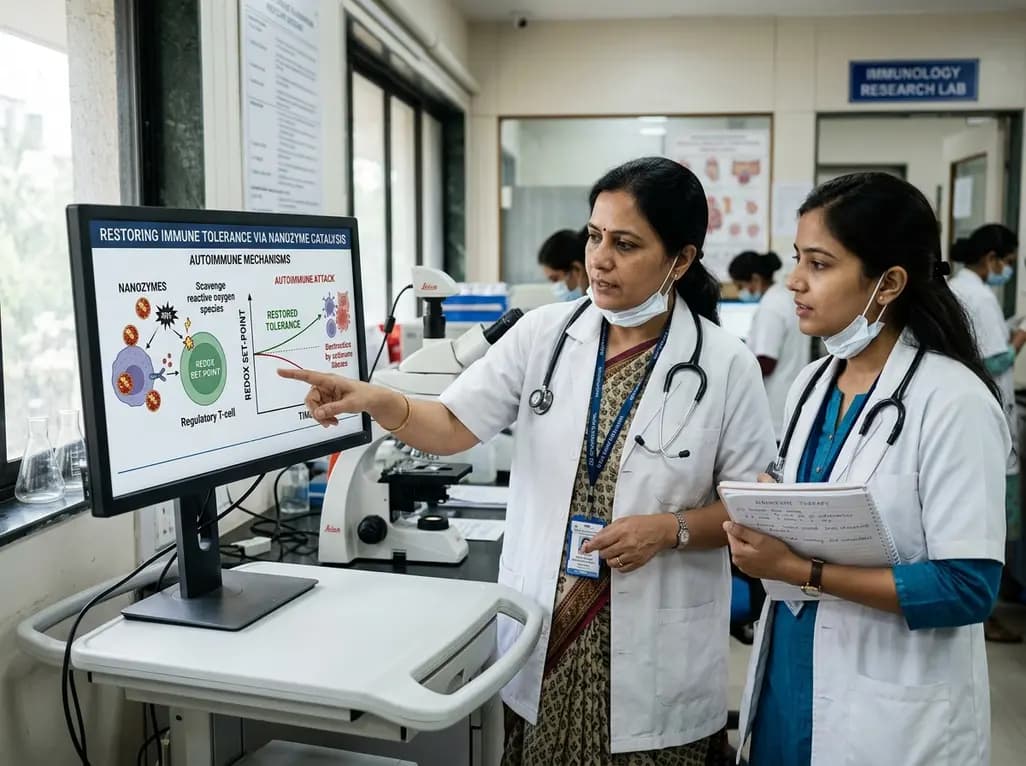
Discover how catalytic nanozymes redefine autoimmune disease therapy by establishing a physiological redox set-point to restore immune tolerance without broad immunosuppression.
Last week
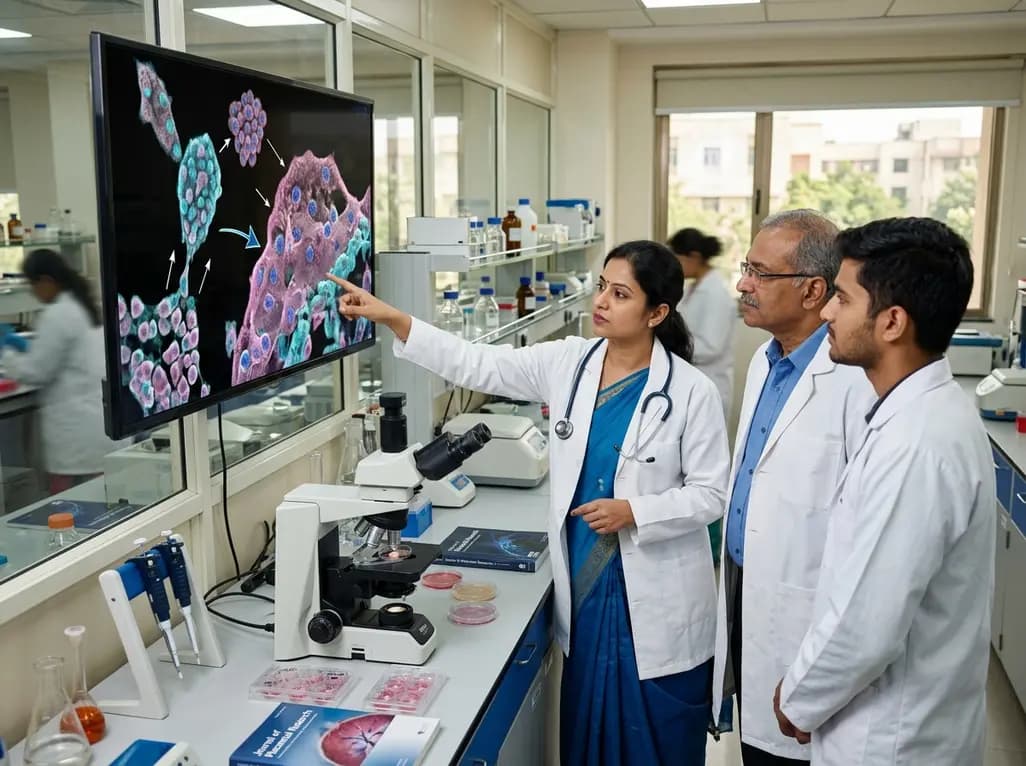
Recent research reveals that downregulating YAP1/TAZ-TEAD via Hippo signaling triggers spontaneous human trophoblast syncytialization in 3D cultures, illuminating placental biology and preeclampsia.
3 weeks back

A landmark comparative study evaluates atrial electrophysiology across humans, swine, and rodents. By linking cellular recordings with transcriptomics and in silico modeling, researchers resolve cross-species gaps, explaining translational failures to advance targeted therapies for atrial arrhythmias.
3 weeks back
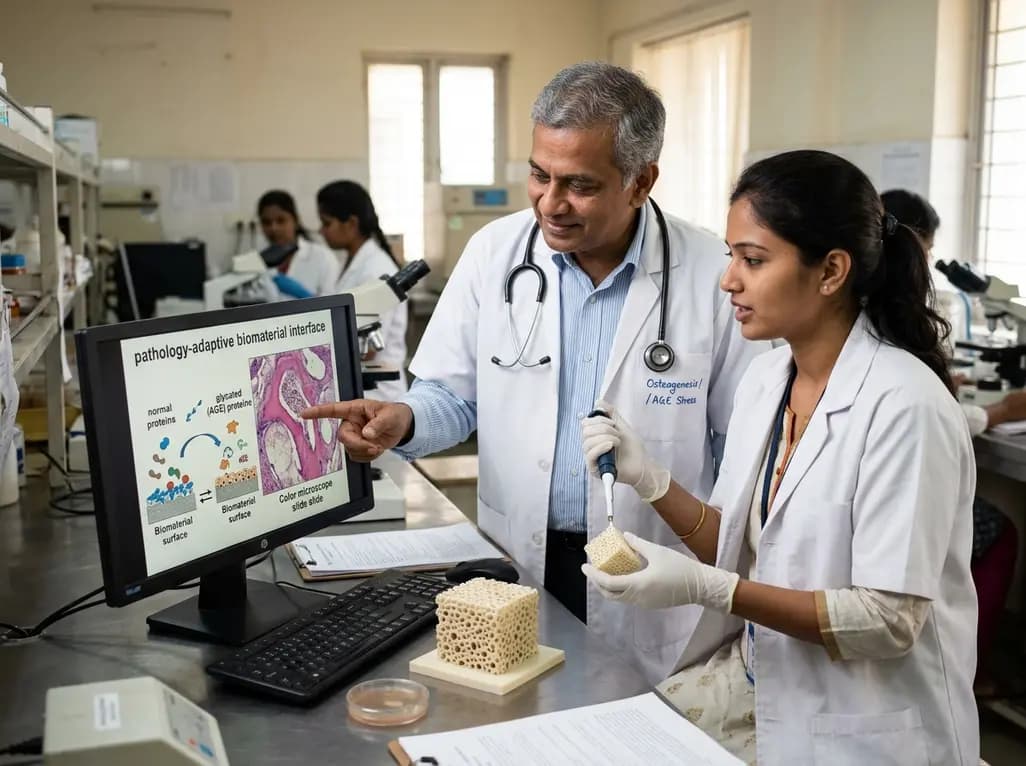
A novel pathology-adaptive surface engineering strategy uses functionalized plasma polymer coatings to selectively modulate AGE adsorption, reducing oxidative stress and restoring bone formation in diabetic and aging microenvironments.
last month
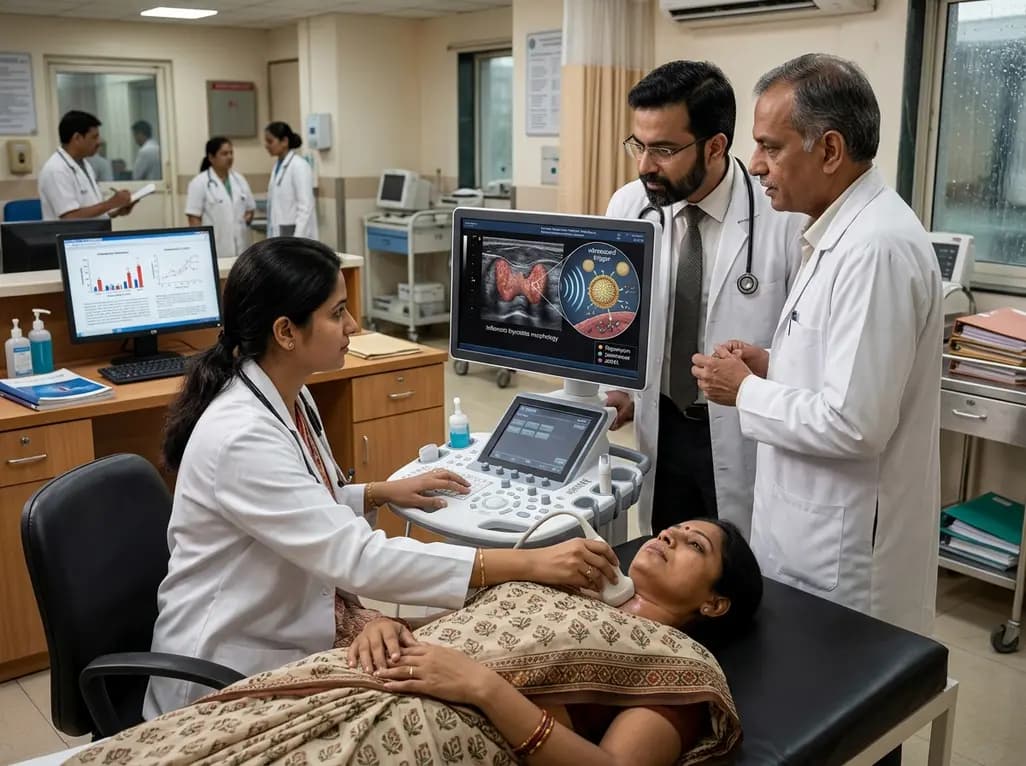
Researchers have developed an innovative ultrasound-responsive nano-contrast agent that co-delivers CIITA-siRNA and rapamycin directly to inflamed thyroid tissue, significantly reducing autoimmune injury and thyroid autoantibodies in preclinical models of Hashimoto thyroiditis.
3 weeks back
