.webp&w=384&q=75)

Loading, please wait...
Loading, please wait...

Recent breakthroughs in cellular engineering have introduced iPSC-derived NK progenitors as a transformative tool for oncology and regenerative medicine. Natural killer (NK) cells are fundamental components of the innate immune system, capable of identifying and eliminating malignant cells without prior sensitization. However, their clinical utility has historically faced significant hurdles, particularly regarding their short lifespan and the risk of host rejection. Traditional protocols often necessitate intensive lymphodepleting chemotherapy or total body irradiation to ensure the persistence of infused cells. While effective at creating a niche for new cells, these conditioning regimens carry substantial risks of infection and immune suppression for the patient. Consequently, the discovery that progenitor-stage cells can engraft without these toxic prerequisites represents a major paradigm shift in adoptive immunotherapy.
Developing effective NK cell therapies requires addressing the inherent biological limitations of these lymphocytes. In clinical settings, mature NK cells typically exhibit a very short functional window once infused into a patient. Moreover, allogeneic or "off-the-shelf" NK cells frequently trigger a robust host immune response, leading to rapid rejection by the recipient’s immune system. To mitigate this, clinicians have relied on lymphodepletion, a process that clears space and reduces competition for nutrients. However, this approach is far from ideal. It places a heavy burden on the patient’s recovery and often necessitates prolonged hospitalization. Furthermore, the induced state of profound neutropenia and lymphopenia significantly increases the likelihood of life-threatening opportunistic infections. Because of these systemic risks, many patients with advanced malignancies or comorbidities are not suitable candidates for standard NK-based protocols. Therefore, finding a method to achieve stable engraftment without pre-conditioning has become a primary goal for researchers in the field of hematology and oncology.
To overcome the limitations of mature cell infusions, researchers are now focusing on iPSC-derived NK progenitors. These cells are generated from human induced pluripotent stem cells, which offer an almost unlimited source for cell production. Unlike mature NK cells, which have already committed to their final functional state, these progenitors possess a higher degree of plasticity and proliferative potential. By utilizing iPSCs, scientists can create standardized, high-quality batches of cells that are less prone to the donor-to-donor variability seen in primary blood-derived products. Additionally, these progenitors are specifically engineered to respond to homeostatic signals within the host environment. This innate responsiveness allows them to navigate the host's circulatory system more effectively and find suitable niches for maturation. Consequently, the transition from mature cell therapy to progenitor-based therapy marks a significant step toward making immunotherapy more scalable and accessible for diverse patient populations across the globe.
The recent study published in 2026 demonstrates that these iNK progenitors can successfully engraft in unconditioned humanized mice. By using the B-NDG hIL15 mouse model, which expresses human interleukin-15, researchers observed that a single low-dose infusion was sufficient for engraftment. Remarkably, this process occurred without any prior chemotherapy or radiation treatment. Once inside the host, these progenitors did not simply survive; they continuously produced mature, functional iNK cells over an extended period. This finding suggests that the progenitors can leverage endogenous growth factors to complete their development in vivo. Furthermore, the study highlights that the IL-15 environment is crucial for supporting the maturation process. This breakthrough provides strong evidence that the biological niche of a non-conditioned host can indeed support the development of therapeutic immune cells. Such results are highly encouraging for clinicians who seek to reduce the toxicity associated with traditional transplant and infusion protocols in human patients.
Beyond the success in unconditioned models, the research also explored the behavior of these cells in autologous environments. One of the most significant barriers to successful cell therapy is the presence of the host’s own immune cells, which may perceive the therapeutic cells as foreign. However, the iPSC-derived iNKP cells demonstrated a unique ability to survive even in the presence of autologous peripheral blood mononuclear cells. This survival suggests that these progenitors are less immunogenic or more resilient than their mature counterparts. After the initial engraftment, the cells successfully matured into fully functional NK cells that retained their cytotoxic capabilities. This resilience in a humanized, immune-competent environment is a vital step toward clinical translation. It suggests that a patient’s own iPSCs could be used to generate a renewable source of immune cells that would not require the harsh immune-suppressive conditioning that typically precedes such treatments today. Moreover, it opens the door to more personalized, yet less invasive, treatment strategies for various cancers.
The implications of this research for the future of adoptive immunotherapy are profound. By demonstrating that iPSC-derived NK progenitors can thrive in unconditioned hosts, the study removes one of the most significant clinical barriers to widespread cell therapy. In countries like India, where healthcare infrastructure and patient safety are paramount, reducing the need for intensive conditioning could significantly lower the cost and complexity of treatment. Patients who were previously excluded from clinical trials due to the risks of lymphodepletion may now have a viable path forward. Furthermore, the ability to generate mature, cytotoxic cells from a progenitor population in vivo ensures a steady supply of fresh immune cells over time, potentially leading to better long-term outcomes and reduced relapse rates. As we move toward more refined genetic engineering, these iPSC platforms will likely allow for even more targeted and potent therapies. Ultimately, this research lays the foundation for a new generation of "gentle" immunotherapies that prioritize patient safety without compromising on therapeutic efficacy.
Traditional lymphodepletion involves using high-dose chemotherapy or radiation to deplete the patient’s existing immune cells. While this creates space for new therapeutic cells, it also leaves the patient severely immunocompromised. Consequently, patients face a heightened risk of sepsis, fungal infections, and viral reactivations. Additionally, the toxicity of the drugs can cause organ damage and significant physical distress, often making it difficult for frail patients to undergo treatment effectively.
Mature NK cells often have a limited lifespan and lose their functional potency shortly after infusion. In contrast, iPSC-derived NK progenitors possess a robust capacity for expansion and can mature in vivo. This allows for a continuous supply of fresh, active NK cells within the patient’s body. Furthermore, progenitors appear more capable of engrafting in unconditioned hosts, which potentially eliminates the need for toxic pre-treatments like chemotherapy or total body irradiation.
Using unconditioned humanized mice allows researchers to simulate the immune environment of a patient who has not undergone debilitating pre-treatments. Successful engraftment in this model proves that the therapeutic cells can survive and function within a complex, immune-competent system. This is a critical milestone for clinical safety, as it suggests that future human therapies could be administered with significantly less systemic toxicity, making the treatment safer for a broader range of patients.
Disclaimer: This content is for informational and educational purposes only and does not constitute medical advice or a professional relationship. Always seek the advice of a qualified healthcare provider regarding any medical condition. Refer to the latest local and national guidelines for clinical practice.
References
Zhang M et al. iPSC-Derived iNK Progenitors Engraft and Generate NK Cells in Unconditioned and Autologous Immune Humanized Mice. Cell Prolif. 2026 Jul 10. doi: 10.1111/cpr.70261. PMID: 42432811.
Slukvin II et al. Generation of iPSC-Derived iNKT Cells with Pro-Hematopoietic Activity. Stem Cells. 2026 Feb 15. doi: 10.1007/s12015-025-11031-2.
Xie G et al. CAR-NK Cells: A Promising Cellular Immunotherapy for Cancer. EBioMedicine. 2020;59:102975. doi: 10.1016/j.ebiom.2020.102975.

Read summarized clinical updates, watch expert medical content, and earn CME certifications right from your smartphone.
Open your smartphone camera to scan and install.





A landmark study reveals that iPSC-derived iNK progenitors can successfully engraft and mature in unconditioned humanized mice, offering a safer alternative to traditional NK cell therapies that require toxic lymphodepletion. This development could revolutionize autologous and allogeneic immunotherapy.
3 months ago

Depemokimab offers twice-yearly dosing for severe eosinophilic asthma and chronic rhinosinusitis with nasal polyps, significantly cutting exacerbations and hospital admissions.
3 days back

A novel copper metal-organic framework hydrogel remodels the uterine microenvironment to stimulate robust endometrial regeneration, reduce intrauterine fibrosis, and restore reproductive fertility, offering a groundbreaking strategy for managing refractory endometrial damage and Asherman syndrome.
4 days back
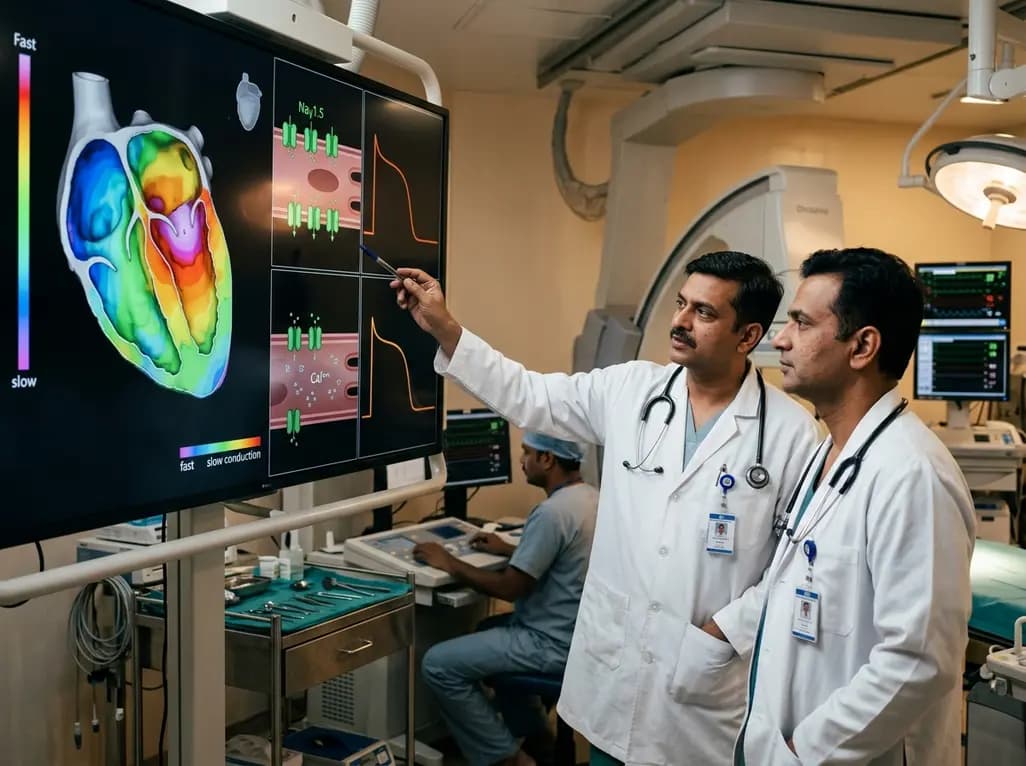
New research reveals that non-ablative radiotherapy suppresses ventricular tachycardia by increasing conduction velocity via NaV1.5 upregulation and action potential prolongation. However, sustained sodium current elevation and depressed calcium handling highlight the need for careful clinical translation.
6 days back
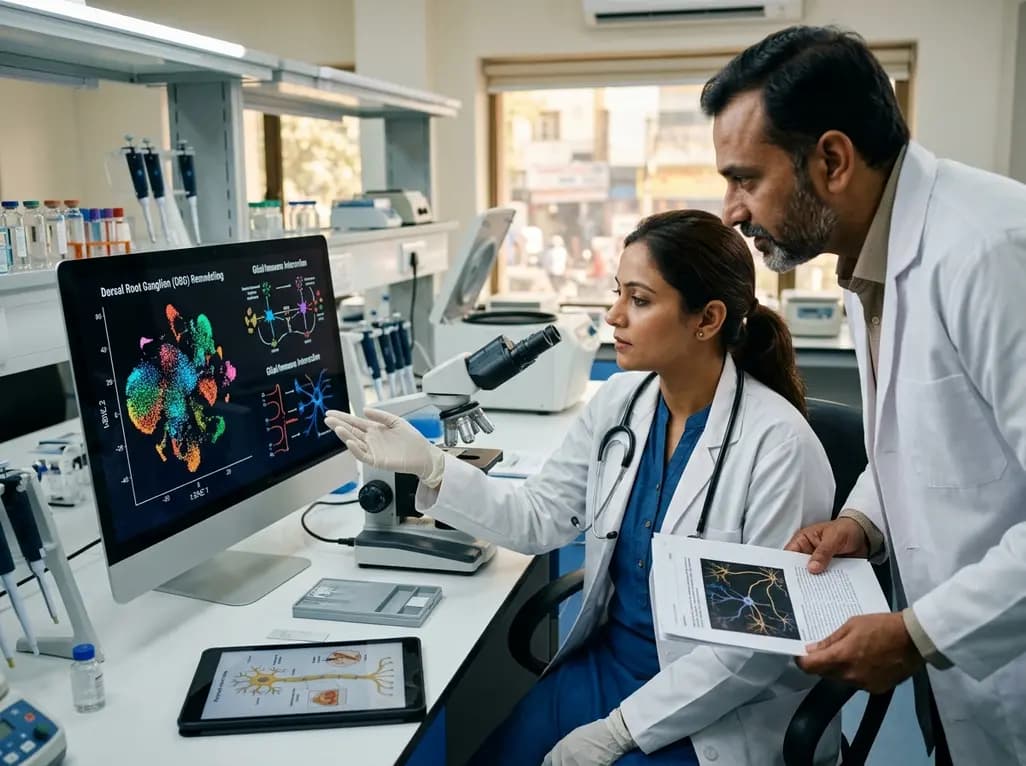
A single-cell transcriptomic atlas reveals how peripheral nerve injuries cause dorsal root ganglion remodeling. By evaluating proximal nerve crush and resection, researchers identify distinct glial and immune programs that resolve neuropathic pain and promote regeneration.
4 days back
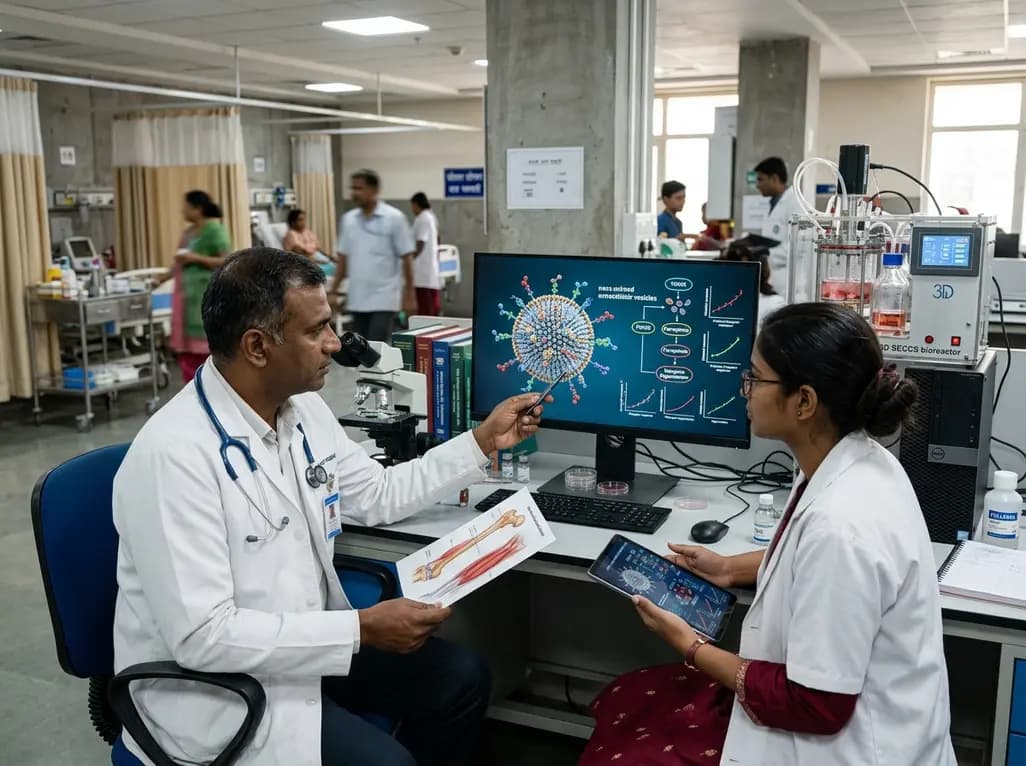
A breakthrough study demonstrates that fullerol-primed extracellular vesicles generated in a 3D SECCS bioreactor attenuate ferroptosis and restore myogenic regeneration in diabetes via the FOXO3 pathway, offering a cell-free therapeutic strategy for diabetic musculoskeletal degeneration.
4 days back
