.webp&w=384&q=75)

Loading, please wait...
Loading, please wait...
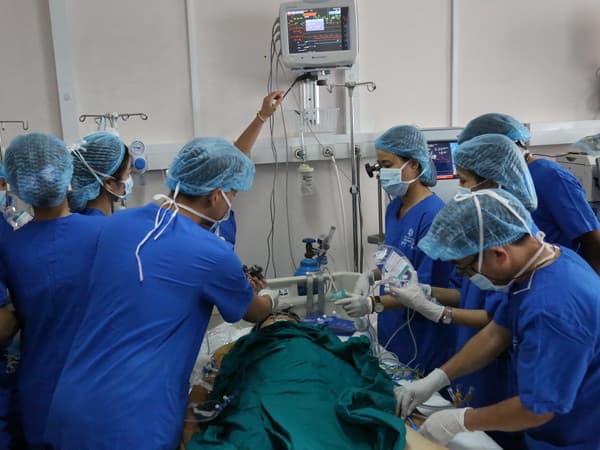
A multidisciplinary Indian joint position paper reviews donation after circulatory determination of death and its potential role in expanding the country's deceased-donor pool. The paper addresses ethical, medical, legal, economic and logistical considerations specific to the Indian setting. It outlines controlled donation after circulatory death, including separation of withdrawal-of-life-sustaining-treatment decisions from subsequent donation decisions. It also discusses consent, the no-touch period, the possibility of stand-down without donation and approaches to organ-specific preservation. The paper is especially relevant because CritiCARE 2026 includes dedicated sessions on brain-stem death, donation after circulatory death, donor care and end-of-life decision-making in India. For HCPs, the key lesson is that successful DCD programmes require more than surgical capability. Clear governance, trained multidisciplinary teams, transparent family communication and robust documentation are essential to protect patient dignity and public trust. The paper also highlights the emerging role of regional perfusion and ex vivo machine perfusion in improving organ utilisation. This is a practical evidence base for clinicians involved in donor pathways and provides a distinctly Indian perspective within a global transplant framework.

Read summarized clinical updates, watch expert medical content, and earn CME certifications right from your smartphone.
Open your smartphone camera to scan and install.





A multidisciplinary Indian joint position paper reviews donation after circulatory determination of death and its potential role in expanding the country's deceased-donor pool. The paper addresses ethical, medical, legal, economic and logistical considerations specific to the Indian setting. It outlines controlled donation after circulatory death, including separation of withdrawal-of-life-sustaining-treatment decisions from subsequent donation decisions. It also discusses consent, the no-touch period, the possibility of stand-down without donation and approaches to organ-specific preservation. The paper is especially relevant because CritiCARE 2026 includes dedicated sessions on brain-stem death, donation after circulatory death, donor care and end-of-life decision-making in India. For HCPs, the key lesson is that successful DCD programmes require more than surgical capability. Clear governance, trained multidisciplinary teams, transparent family communication and robust documentation are essential to protect patient dignity and public trust. The paper also highlights the emerging role of regional perfusion and ex vivo machine perfusion in improving organ utilisation. This is a practical evidence base for clinicians involved in donor pathways and provides a distinctly Indian perspective within a global transplant framework.
3 weeks back
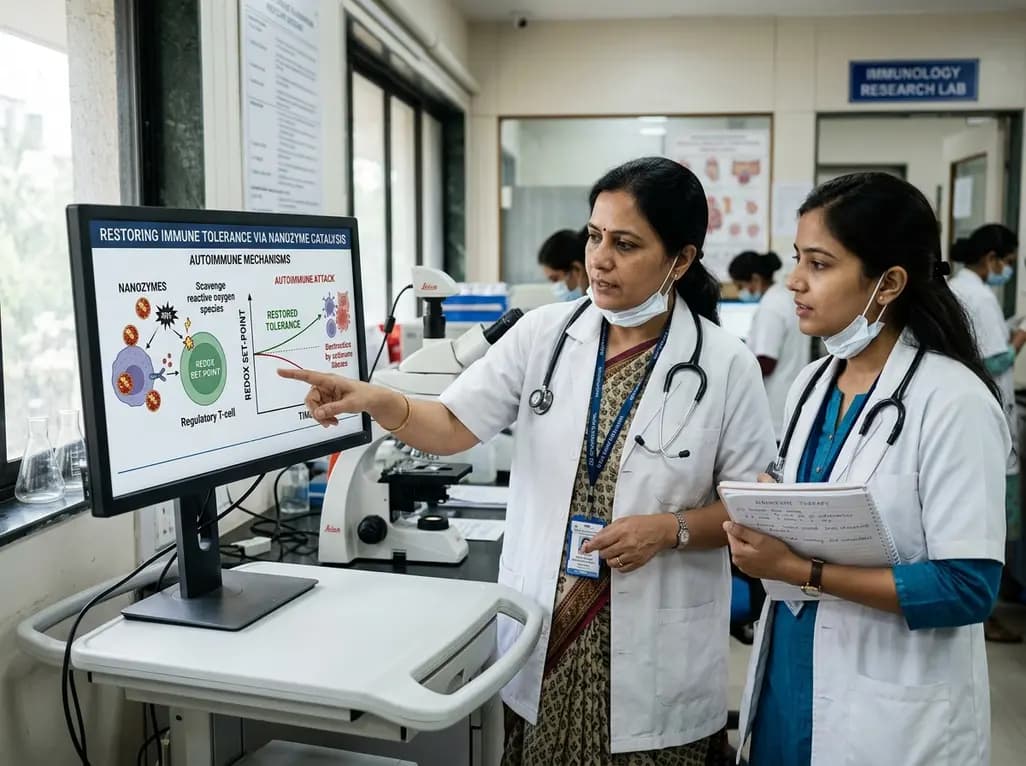
Discover how catalytic nanozymes redefine autoimmune disease therapy by establishing a physiological redox set-point to restore immune tolerance without broad immunosuppression.
Last week
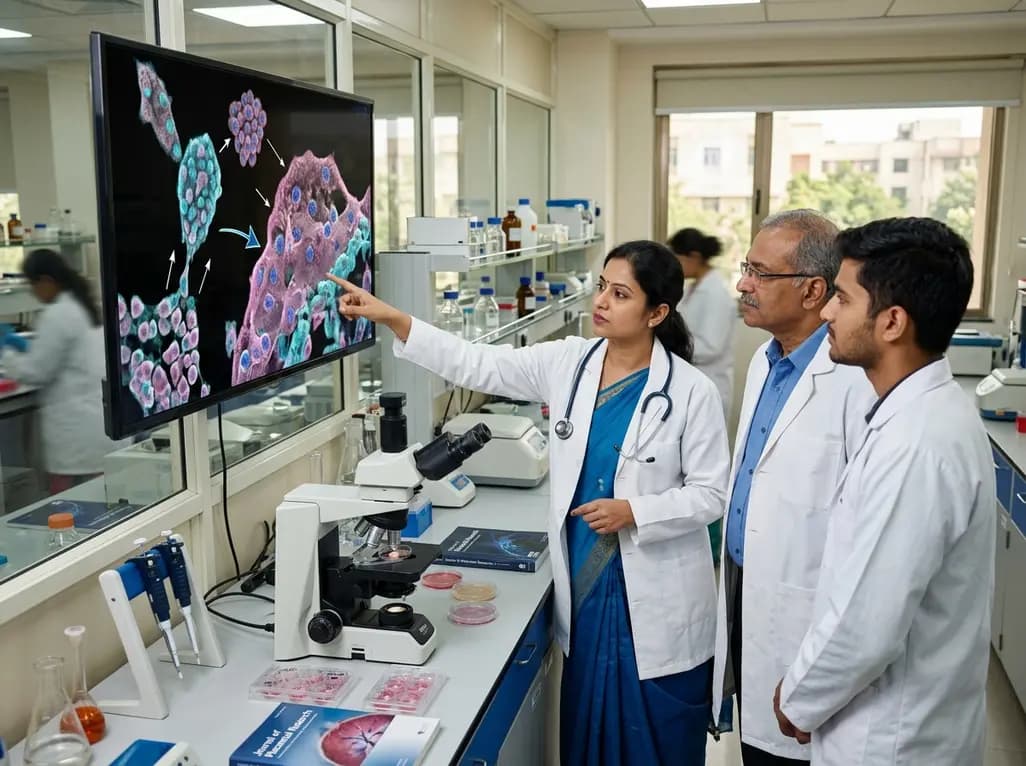
Recent research reveals that downregulating YAP1/TAZ-TEAD via Hippo signaling triggers spontaneous human trophoblast syncytialization in 3D cultures, illuminating placental biology and preeclampsia.
3 weeks back
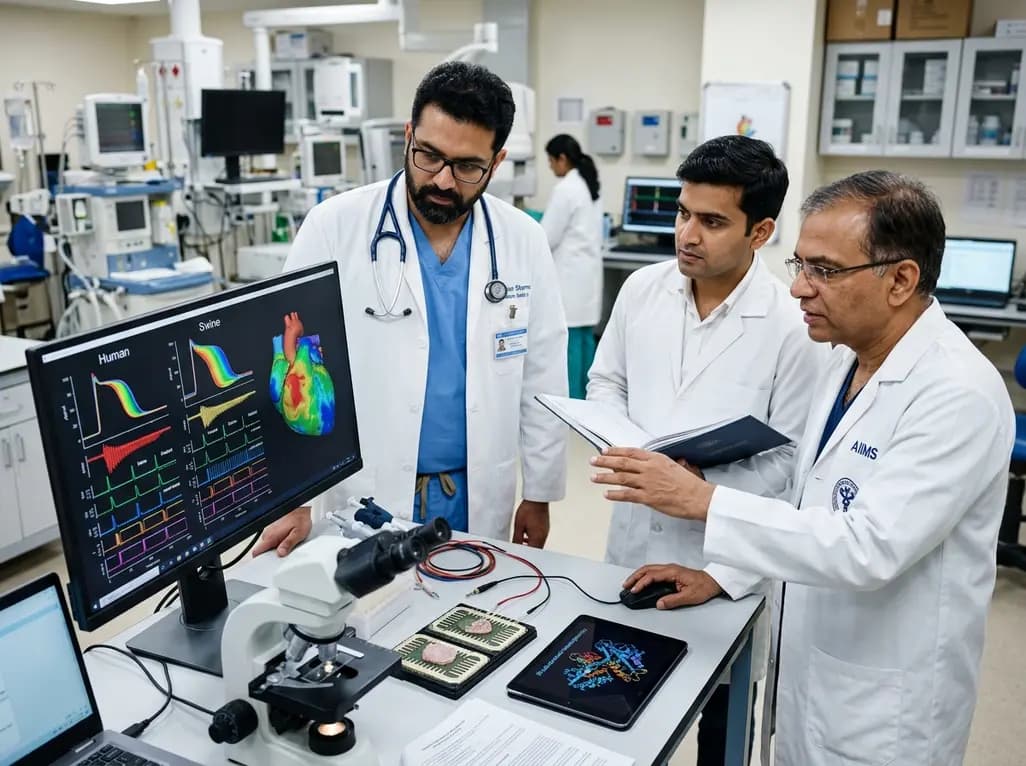
A landmark comparative study evaluates atrial electrophysiology across humans, swine, and rodents. By linking cellular recordings with transcriptomics and in silico modeling, researchers resolve cross-species gaps, explaining translational failures to advance targeted therapies for atrial arrhythmias.
3 weeks back
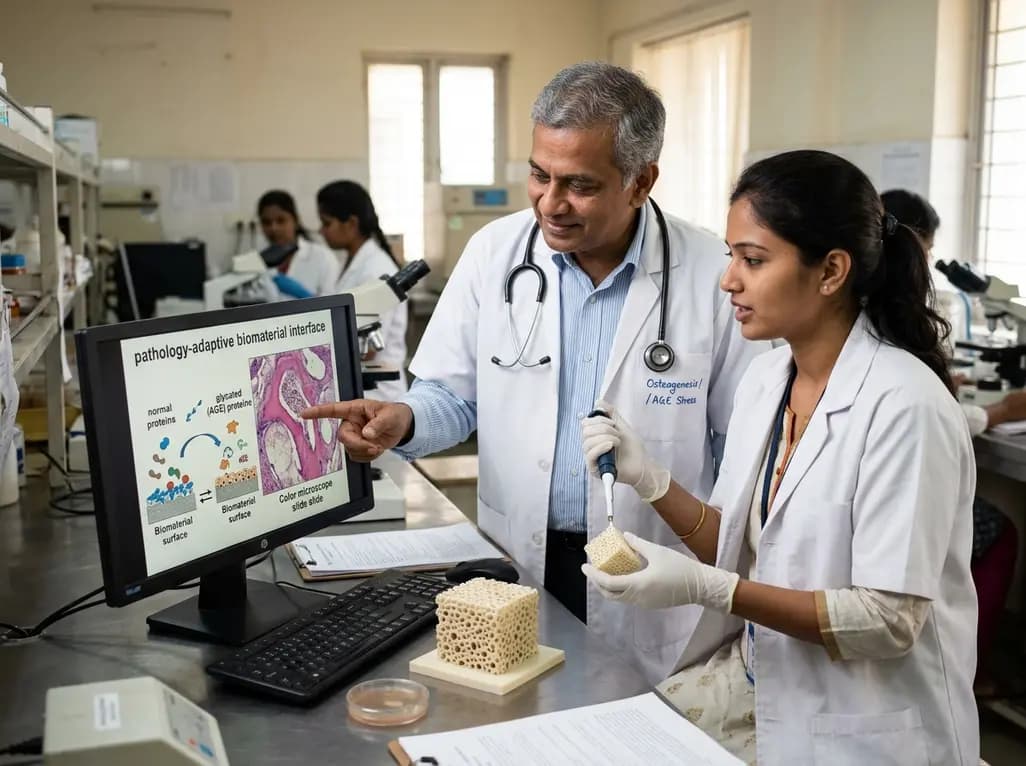
A novel pathology-adaptive surface engineering strategy uses functionalized plasma polymer coatings to selectively modulate AGE adsorption, reducing oxidative stress and restoring bone formation in diabetic and aging microenvironments.
last month
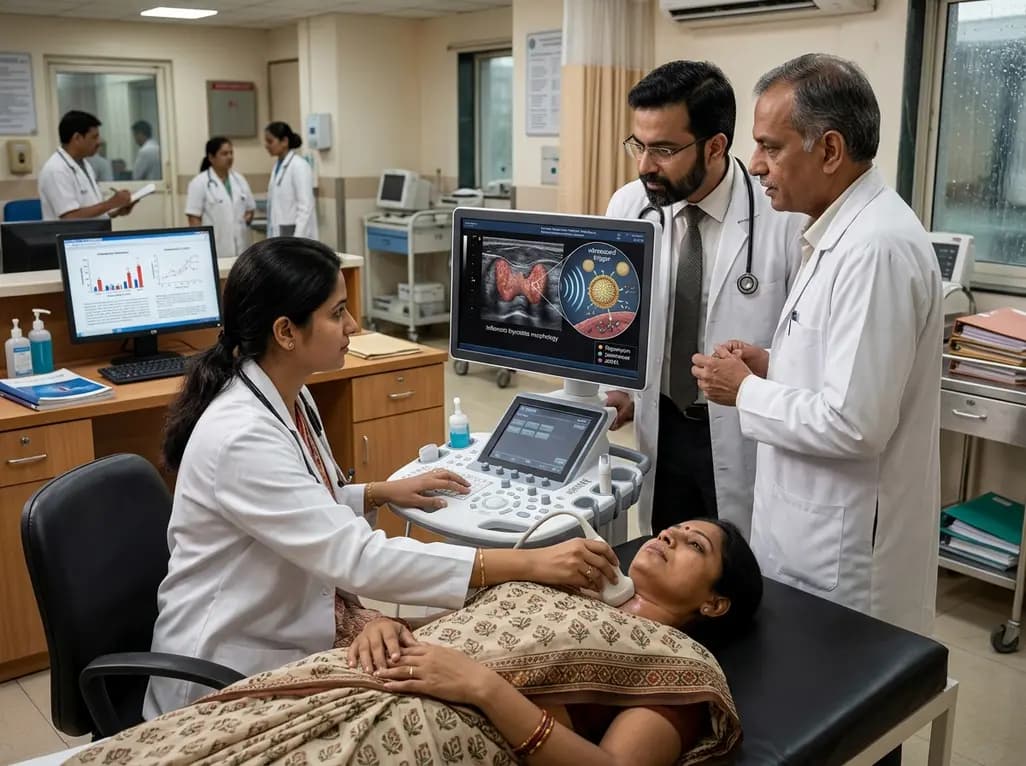
Researchers have developed an innovative ultrasound-responsive nano-contrast agent that co-delivers CIITA-siRNA and rapamycin directly to inflamed thyroid tissue, significantly reducing autoimmune injury and thyroid autoantibodies in preclinical models of Hashimoto thyroiditis.
3 weeks back
