.webp&w=384&q=75)

Loading, please wait...
Loading, please wait...
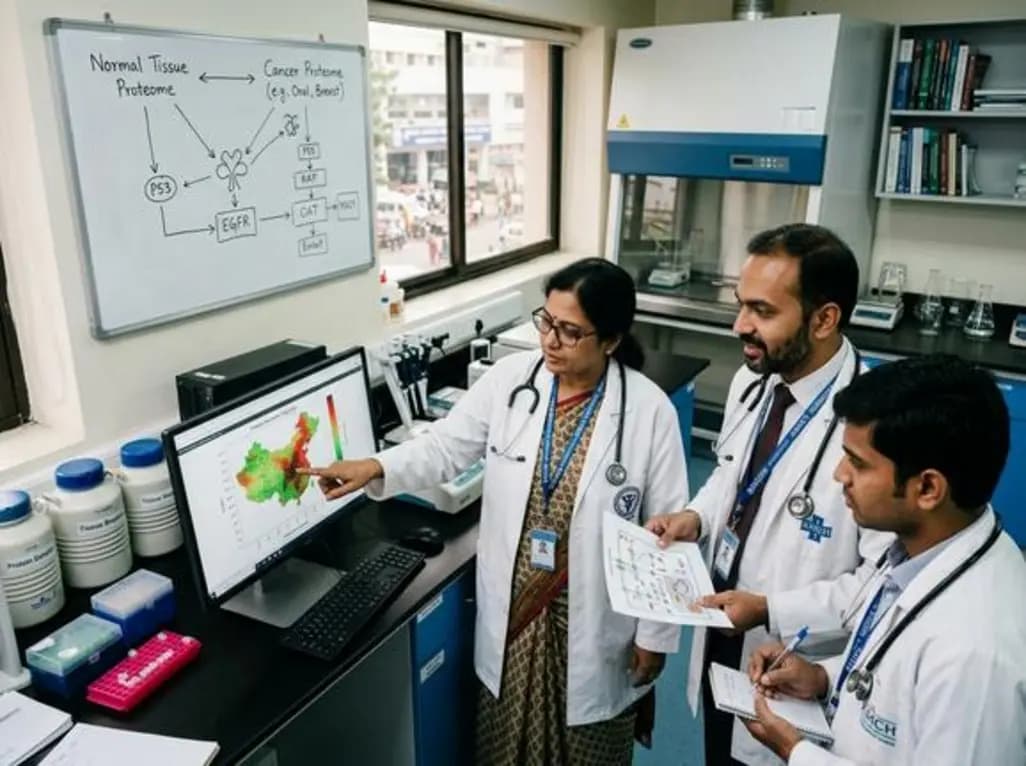
Researchers recently published a comprehensive map of the human proteomic landscape in Nature. This study analyzed more than 13,000 proteins across 2,856 samples using advanced mass spectrometry. Consequently, clinicians can now explore protein trajectories across 58 tissue types and 25 different carcinomas. Furthermore, the data provides a detailed comparison between healthy adult tissues, fetal stages, and various tumor states.
Specifically, this resource facilitates the identification of organ-specific toxicity and potential anticancer drug candidates. Therefore, medical professionals can prioritize therapeutic targets with greater precision than before. Additionally, the map helps researchers understand the complex developmental processes that lead to oncogenic progression. For instance, the spatial resolution allows for a clearer view of how proteins behave in adjacent non-tumour tissues versus malignant ones.
Moreover, the integration of these datasets provides a quantitative foundation for future biological research. However, the true value lies in the immediate application of these findings to drug repurposing. Because researchers identified specific protein signatures for 25 distinct carcinomas, pharmaceutical discovery can now become more targeted and efficient. Ultimately, this resource sets a new standard for navigating the human proteome in both health and disease.
The map provides a high-resolution baseline for 58 tissue types, helping clinicians distinguish between healthy and diseased protein distributions. This assists in identifying biomarkers and predicting drug-induced toxicity.
By profiling 25 carcinomas, the study highlights unique protein targets for therapy. Consequently, researchers can identify existing drugs that may work against these new targets, accelerating the drug repurposing process.
Disclaimer: This content is for informational and educational purposes only. It is not intended to be a substitute for professional medical advice, diagnosis, or treatment. Always seek the advice of your physician or other qualified health provider with any questions you may have regarding a medical condition. Refer to the latest local and national guidelines for clinical practice.
References
1. Yue L et al. Spatial distribution of the proteome in the human body and in cancers. Nature. 2026 Jun 17. doi: 10.1038/s41586-026-10660-y. PMID: 42310461.
2. He F, Aebersold R, et al. π-HuB: the proteomic navigator of the human body. Nature. 2024 Dec;636(8042):322-331.
3. Jiang L et al. A Quantitative Proteome Map of the Human Body. Cell. 2020 Oct 1;183(1):269-283.e19.

Read summarized clinical updates, watch expert medical content, and earn CME certifications right from your smartphone.
Open your smartphone camera to scan and install.





Researchers have mapped the human proteomic landscape across 58 tissue types and 25 cancers. This study profiles over 13,000 proteins, offering insights into organ-specific toxicity and anticancer drug candidates, providing a quantitative resource for navigating biology and disease progression.
4 months ago
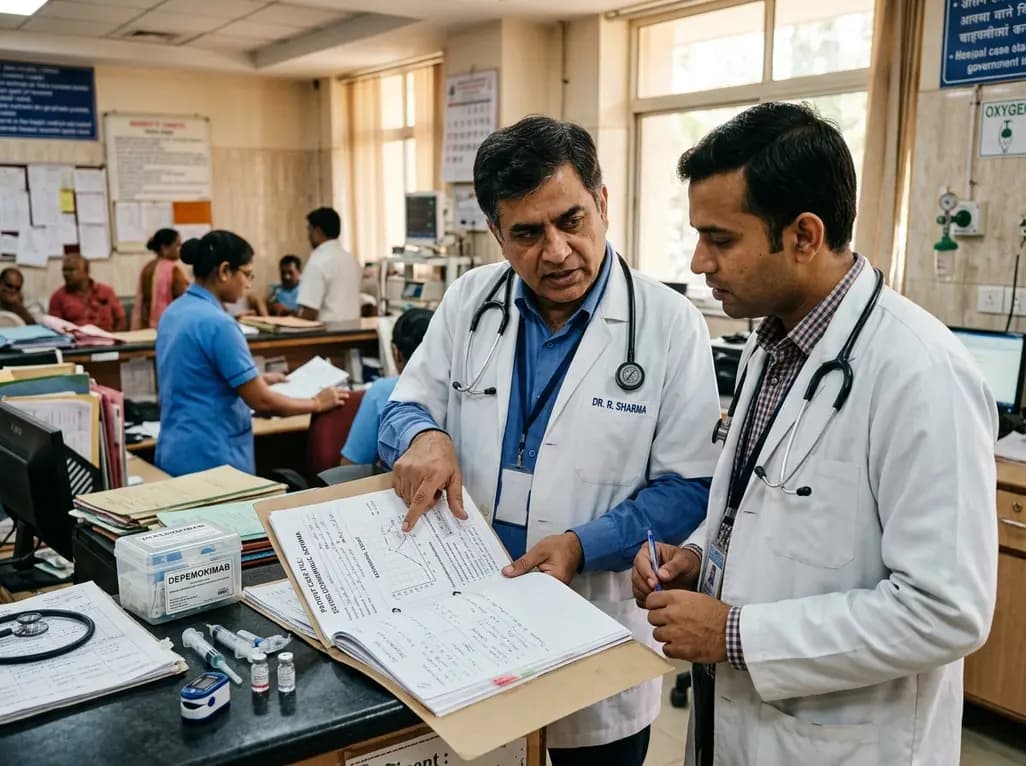
Depemokimab offers twice-yearly dosing for severe eosinophilic asthma and chronic rhinosinusitis with nasal polyps, significantly cutting exacerbations and hospital admissions.
3 days back

A novel copper metal-organic framework hydrogel remodels the uterine microenvironment to stimulate robust endometrial regeneration, reduce intrauterine fibrosis, and restore reproductive fertility, offering a groundbreaking strategy for managing refractory endometrial damage and Asherman syndrome.
3 days back
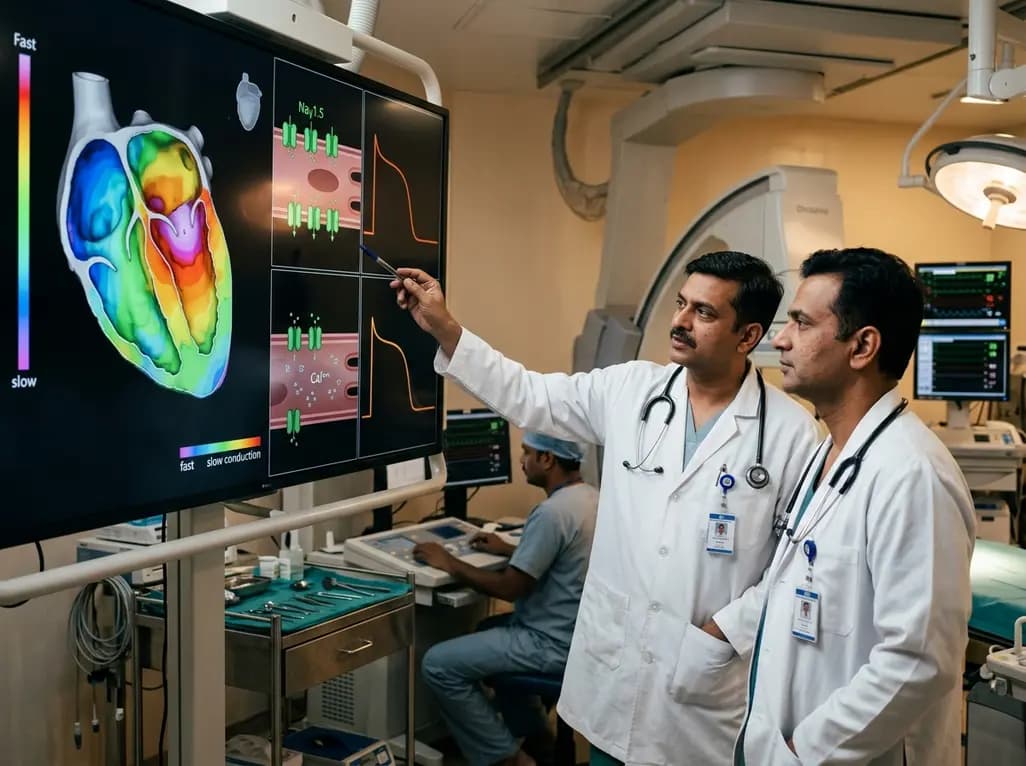
New research reveals that non-ablative radiotherapy suppresses ventricular tachycardia by increasing conduction velocity via NaV1.5 upregulation and action potential prolongation. However, sustained sodium current elevation and depressed calcium handling highlight the need for careful clinical translation.
6 days back
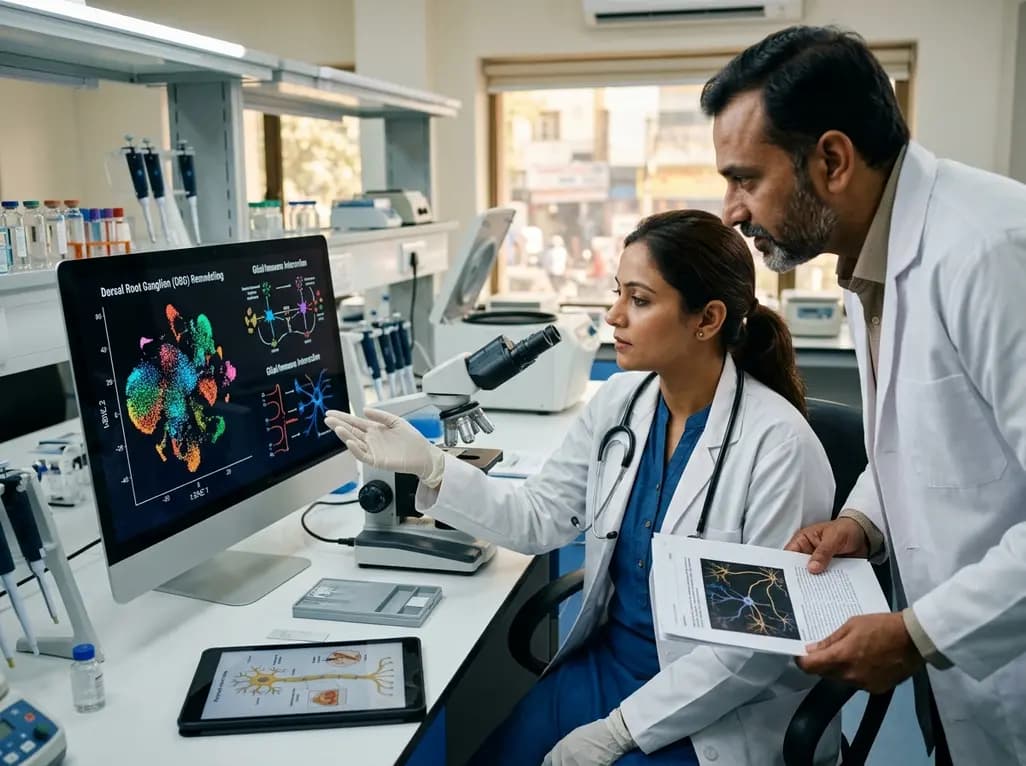
A single-cell transcriptomic atlas reveals how peripheral nerve injuries cause dorsal root ganglion remodeling. By evaluating proximal nerve crush and resection, researchers identify distinct glial and immune programs that resolve neuropathic pain and promote regeneration.
3 days back
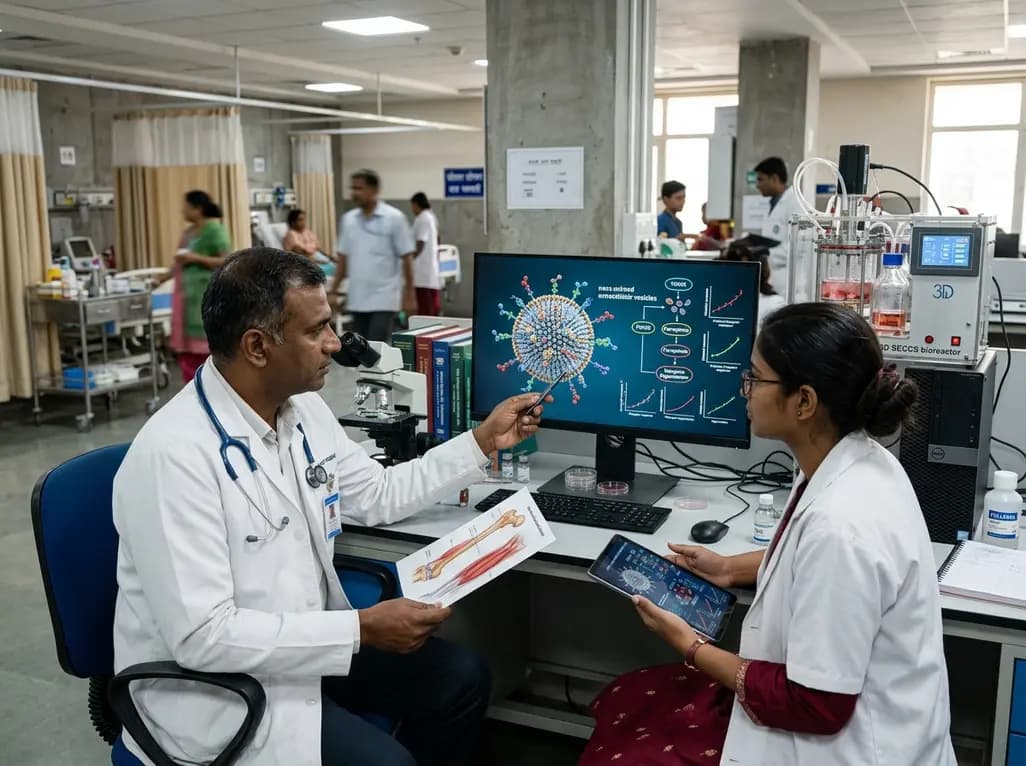
A breakthrough study demonstrates that fullerol-primed extracellular vesicles generated in a 3D SECCS bioreactor attenuate ferroptosis and restore myogenic regeneration in diabetes via the FOXO3 pathway, offering a cell-free therapeutic strategy for diabetic musculoskeletal degeneration.
3 days back
