.webp&w=384&q=75)

Loading, please wait...
Loading, please wait...
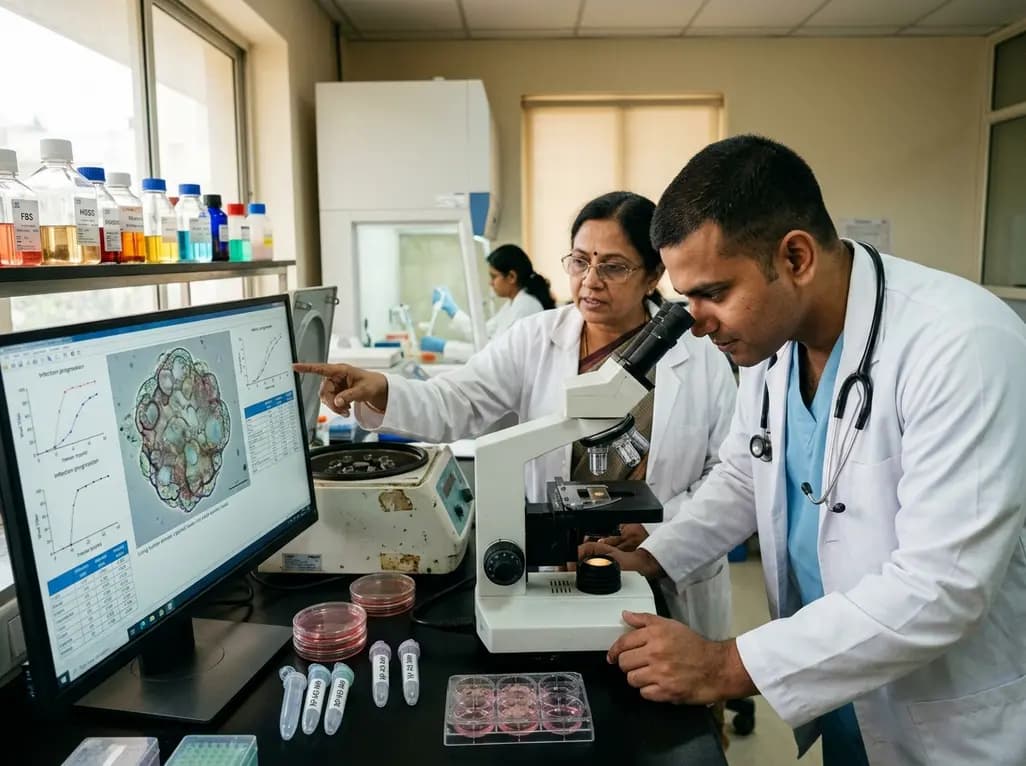
Respiratory medicine continuously seeks physiologically relevant tissue models to study viral infections and distal lung biology. Recently, researchers developed advanced human alveolar organoids using accessible nasal epithelial cells. These bioengineering platforms provide crucial insights into cellular communication and viral tropism ex vivo. Furthermore, co-culturing alveolar macrophages with these organoids creates complex assembloids that closely mimic native lung microenvironments. Consequently, this innovation bridges a major gap in biomedical research and infectious disease modeling.
Understanding distal airway physiology has historically relied on animal models or rigid two-dimensional cell cultures. However, these traditional platforms fail to capture the complex architecture of human alveoli. To overcome these limitations, investigators established robust protocols to generate physiological human alveolar organoids from accessible nasal cells. This non-invasive isolation strategy eliminates the need for invasive surgical lung biopsies. Moreover, these nasal-derived organoids demonstrate rapid expansion while preserving key functional characteristics of native distal epithelium. Advanced immunostaining and single-cell RNA sequencing confirmed that organoids express crucial alveolar markers, including surfactant proteins. Consequently, this versatile platform provides researchers with a scalable, ethically sound model for studying respiratory diseases. Clinicians and pharmacologists can now evaluate host-pathogen interactions using patient-derived cells with high accuracy. Ultimately, this breakthrough enhances our ability to model viral respiratory infections ex vivo without relying on animal models.
Identifying specific progenitor populations is essential for understanding lung repair and cellular regeneration. In this landmark study, researchers identified SSEA-1+ club cells as the primary progenitor cells for generating nasal cell-derived alveolar organoids. Normally residing in upper airways, these specialized progenitor cells exhibit remarkable lineage plasticity when exposed to distal microenvironmental cues. Consequently, SSEA-1+ club cells transdifferentiate efficiently into functional alveolar epithelial cells within organoid cultures. This key discovery clarifies fundamental cellular pathways driving human distal lung repair. Understanding progenitor plasticity is particularly clinical for pulmonologists investigating acute lung injury, fibrosis, and chronic airway remodeling. Furthermore, tracking SSEA-1+ differentiation pathways helps scientists identify growth factors that drive alveolar lineage commitment. By targeting these progenitor mechanisms, future therapeutic strategies might stimulate endogenous tissue repair in damaged human lungs. Thus, mapping cellular lineages advances both basic stem cell biology and translational pulmonary medicine.
The human alveolus functions as an integrated microenvironment where epithelial cells interact continuously with resident immune cells. To recreate this complex niche, investigators co-cultured nasal-derived alveolar organoids with alveolar macrophages derived from peripheral blood monocytes. This co-culture strategy generated organoid-macrophage assembloids, in which both epithelial and immune components achieved superior functional maturation. Detailed molecular analyses demonstrated extensive dynamic cross-talk between alveolar epithelium and macrophages. Epithelial cells released trophic factors supporting macrophage survival, while immune cells provided regulatory signals that enhanced epithelial homeostasis. Consequently, these multi-cellular assembloids accurately replicate native lung tissue architecture ex vivo. Furthermore, deriving macrophages from routine blood samples ensures high accessibility and culture consistency. This integrated system allows researchers to investigate complex inflammatory interactions without requiring primary lung tissue harvests. Therefore, assembloids represent a powerful platform for modeling pulmonary immune responses under controlled experimental conditions.
Respiratory viruses such as influenza A pose persistent global threats, requiring human models to study pathogenesis. Researchers evaluated viral fitness and tropism in human alveolar organoids using avian H5N1 and seasonal H1N1 influenza viruses. Notably, infection experiments revealed differential replicative fitness that closely recapitulated authentic in vivo viral tropism. Highly pathogenic H5N1 demonstrated superior viral replication and broader alveolar epithelial cell tropism compared to H1N1. Consequently, these results confirm that nasal-derived organoids express the requisite sialic acid receptors necessary for avian and human viral entry. Furthermore, single-cell transcriptomics highlighted distinct antiviral signaling pathways activated within infected epithelial cells. Evaluating viral kinetics in three-dimensional human organoids yields vastly superior data compared to standard monolayer cultures. Thus, this physiological model empowers infectious disease researchers to rapidly assess the pandemic potential of novel emerging viral strains.
Alveolar macrophages represent the primary innate defense mechanism restricting viral pathogens in distal airways. By incorporating blood monocyte-derived macrophages into organoid cultures, researchers evaluated immune-mediated protection against viral dissemination. Remarkably, the presence of macrophages significantly reduced both H5N1 and H1N1 infection levels in human alveolar organoids. Macrophages restricted viral spread through direct phagocytosis and protective interferon signaling, which primed adjacent epithelial cells against viral entry. Consequently, this finding demonstrates the critical protective role alveolar macrophages play in dampening viral spread in human lungs. Furthermore, immune co-culture regulated inflammatory cytokine production, preventing excessive epithelial destruction. Understanding these host defense dynamics helps clinicians better comprehend protective immunity versus immunopathology in viral pneumonia. Ultimately, these organoid-macrophage assembloids offer an ideal platform for developing therapeutics that enhance innate antiviral clearance while minimizing tissue damage.
Human alveolar organoids are three-dimensional tissue cultures that replicate the structural and functional characteristics of distal human lung alveoli. Researchers establish these organoids by isolating SSEA-1+ club cells from accessible nasal epithelial swabs. When cultured in specialized growth media, these progenitor cells transdifferentiate into functional alveolar epithelial cells. This non-invasive method eliminates the need for invasive lung tissue biopsies while providing expandable, human-relevant models for pulmonary research.
Organoid-macrophage assembloids integrate immune cells directly into three-dimensional epithelial structures, creating a realistic pulmonary microenvironment. By incorporating peripheral blood monocyte-derived macrophages with alveolar organoids, researchers can study dynamic epithelial-immune cell interactions. This model reveals how resident macrophages restrict viral dissemination, suppress influenza H5N1 and H1N1 replication, and regulate inflammatory cytokine responses. Consequently, assembloids provide vital insights into innate immune defenses and host-pathogen interactions during severe respiratory infections.
Nasal-derived organoids offer an accessible and non-invasive approach to obtain patient-specific respiratory cells. Because these organoids preserve individual patient genetic backgrounds and physiological traits, they enable high-throughput antiviral drug testing and personalized toxicity screening. Researchers can build comprehensive biobanks from diverse clinical populations to evaluate candidate therapeutics before clinical trials. This personalized screening approach accelerates drug development while minimizing non-translatable animal testing and lowering clinical trial failure rates.
Disclaimer: This content is for informational and educational purposes only and does not constitute medical advice, diagnosis, or treatment. Healthcare professionals should rely on their clinical judgment and refer to the latest local and national guidelines for clinical practice.
References
1. Chiu MC et al. Generation of Nasal Cell-Derived Human Alveolar Organoids and Organoid-Macrophage Assembloids for in Vitro Lung Modeling. Adv Sci (Weinh). 2026 Aug 11. doi: 10.1002/advs.77093. PMID: 42579325.
2. Youk J et al. Three-Dimensional Human Alveolar Stem Cell Culture Models Reveal Infection Response to SARS-CoV-2. Cell Stem Cell. 2020;27(6):905-919.
3. Tang XX et al. Human Organoid Models in Respiratory Disease Research and Viral Pathogenesis. Respir Res. 2024;25(1):112.

Read summarized clinical updates, watch expert medical content, and earn CME certifications right from your smartphone.
Open your smartphone camera to scan and install.





Researchers generated physiological human alveolar organoids from nasal cells and monocyte-derived macrophage assembloids. This model reveals SSEA-1+ club cell progenitors and macrophage protection against H5N1 and H1N1 infection, offering accessible models for translational respiratory research.
last month
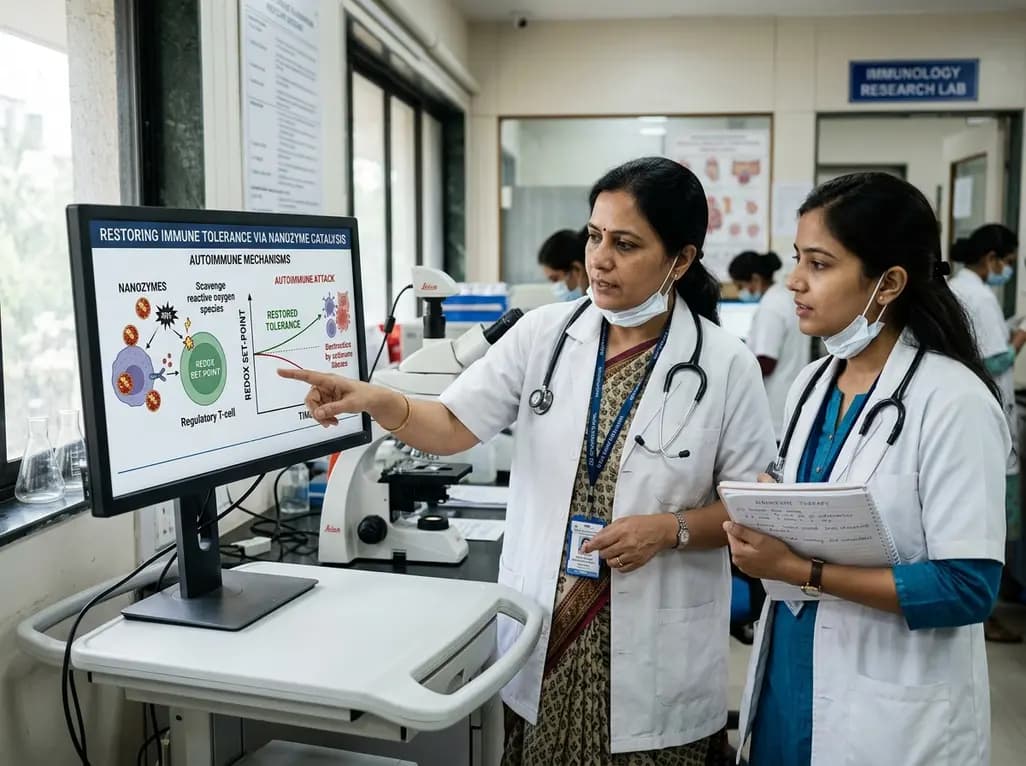
Discover how catalytic nanozymes redefine autoimmune disease therapy by establishing a physiological redox set-point to restore immune tolerance without broad immunosuppression.
3 days back
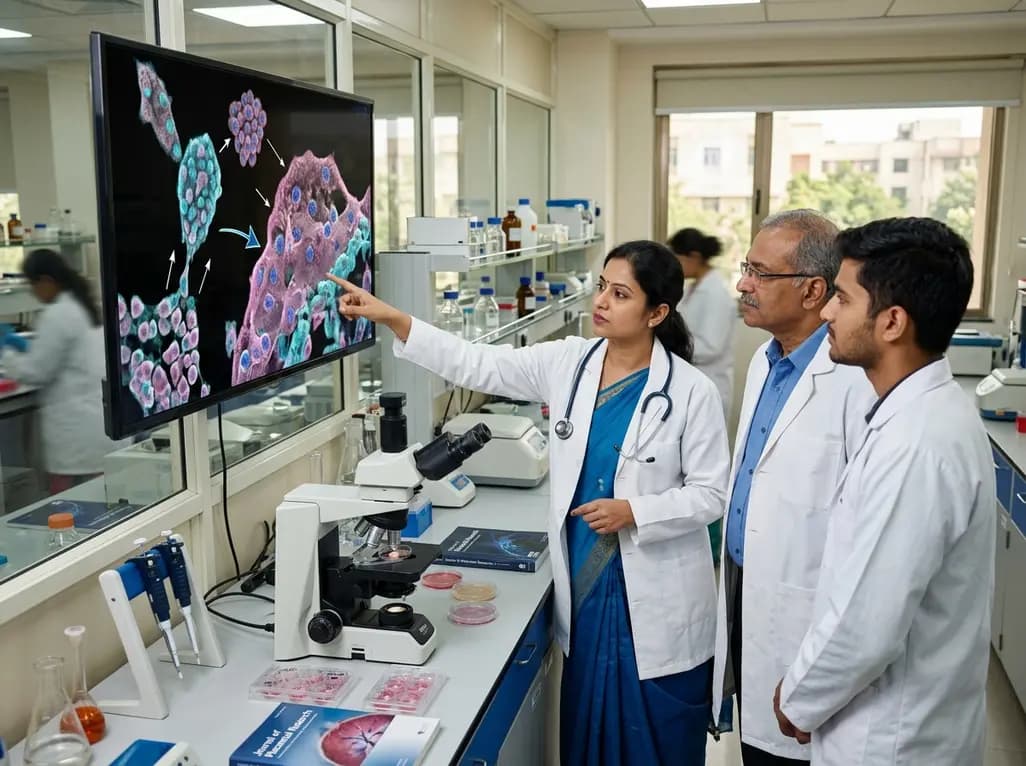
Recent research reveals that downregulating YAP1/TAZ-TEAD via Hippo signaling triggers spontaneous human trophoblast syncytialization in 3D cultures, illuminating placental biology and preeclampsia.
2 weeks back
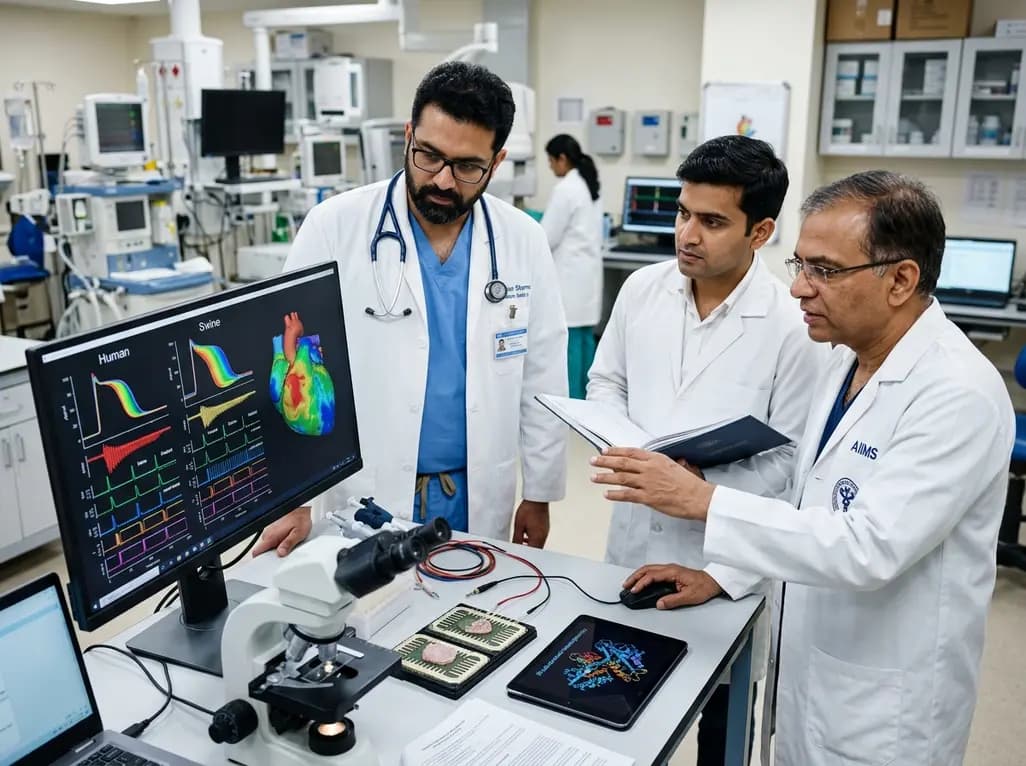
A landmark comparative study evaluates atrial electrophysiology across humans, swine, and rodents. By linking cellular recordings with transcriptomics and in silico modeling, researchers resolve cross-species gaps, explaining translational failures to advance targeted therapies for atrial arrhythmias.
2 weeks back
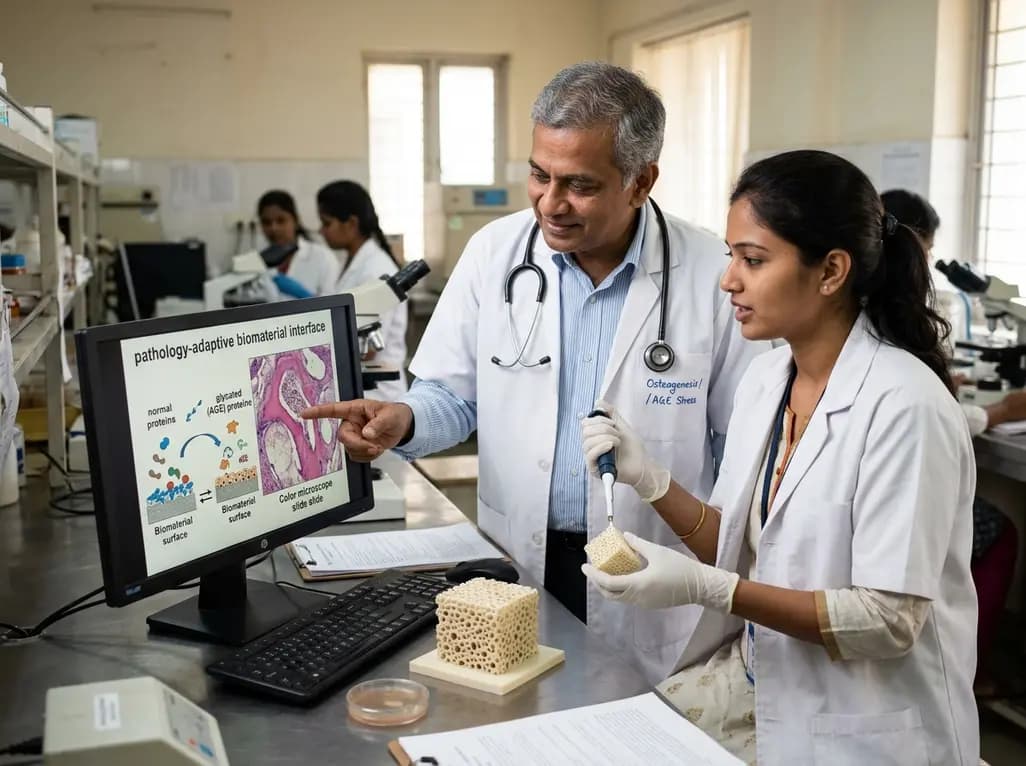
A novel pathology-adaptive surface engineering strategy uses functionalized plasma polymer coatings to selectively modulate AGE adsorption, reducing oxidative stress and restoring bone formation in diabetic and aging microenvironments.
last month
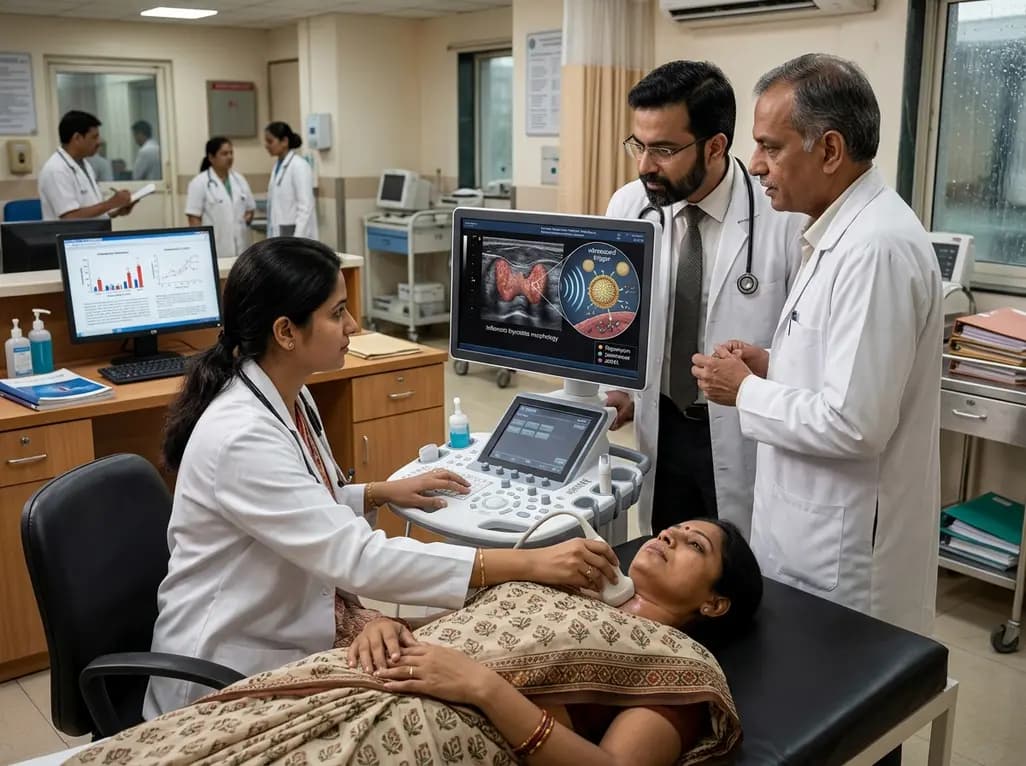
Researchers have developed an innovative ultrasound-responsive nano-contrast agent that co-delivers CIITA-siRNA and rapamycin directly to inflamed thyroid tissue, significantly reducing autoimmune injury and thyroid autoantibodies in preclinical models of Hashimoto thyroiditis.
2 weeks back
