.webp&w=384&q=75)

Loading, please wait...
Loading, please wait...
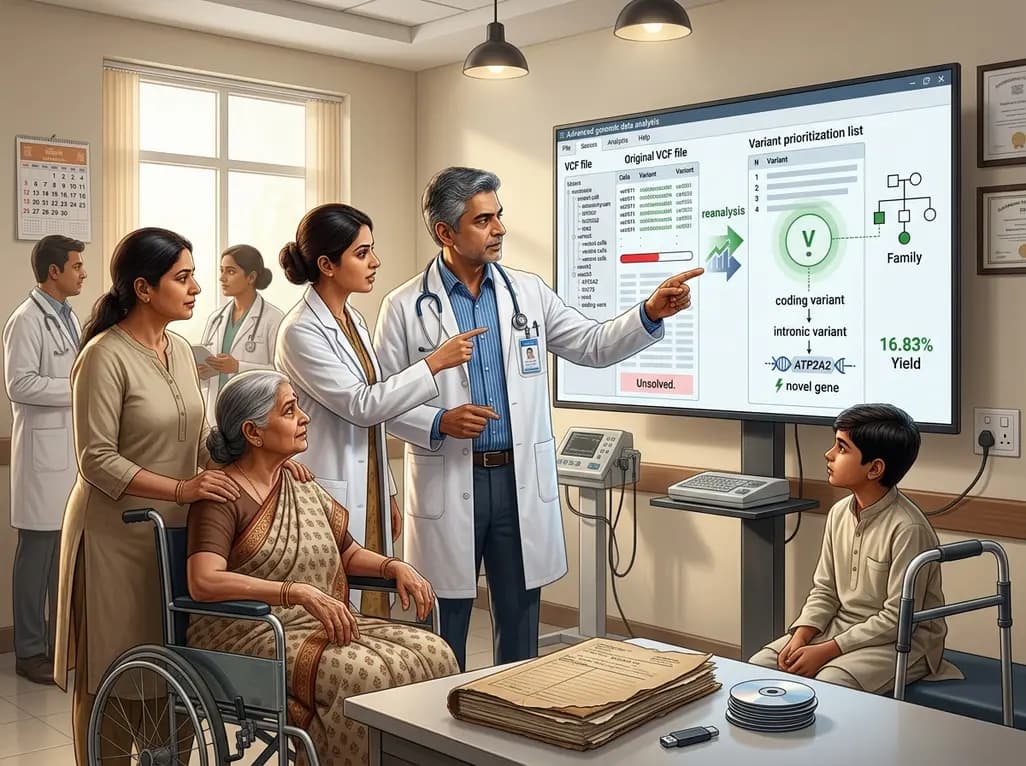
Neuromuscular disorders represent a diverse group of hereditary conditions affecting peripheral nerves, neuromuscular junctions, and skeletal muscle tissue. Consequently, establishing an accurate molecular diagnosis remains challenging due to significant phenotypic overlap and extreme genetic heterogeneity across patients. Although next-generation sequencing techniques have revolutionized clinical genetics, many patients fail to receive a conclusive result after initial testing procedures. Fortunately, implementing systematic genomic data reanalysis offers a powerful, cost-effective pathway to resolve these diagnostic cold cases. Scientific knowledge evolves rapidly as novel disease-causing genes are identified and variant annotation databases improve over time. Therefore, re-examining archived genomic datasets often yields definitive diagnoses without requiring invasive repeat procedures or additional sequencing protocols.
Recent clinical studies demonstrate that dynamic bioinformatic re-evaluation can successfully uncover pathogenic variants that were previously missed or misclassified. Patients who have endured a decade-long diagnostic odyssey may finally obtain long-awaited answers through periodic data reassessment. In addition, modern bioinformatic workflows now integrate improved in silico prediction algorithms and expanded phenotypic databases. As a result, clinicians can connect ambiguous clinical phenotypes to newly characterized genetic etiologies, significantly enhancing overall diagnostic yields across neuromuscular clinics worldwide.
A recent milestone investigation evaluated 101 previously unsolved families affected by complex hereditary neuromuscular conditions. Researchers gathered existing next-generation sequencing datasets comprising clinical exomes, whole exomes, and whole genome sequencing data. Specifically, 45 families had clinical exome data, 31 families had whole exome data, and 25 families had whole genome data. Investigators uploaded these genomic files to the advanced RD-Connect Genome-Phenome Analysis Platform to perform systematic bioinformatic re-evaluation. Subsequently, automated analytical pipelines filtered candidate variants based on population frequency metrics, in silico prediction tools, and Human Phenotype Ontology term matches.
Furthermore, clinical geneticists and neuromuscular experts conducted rigorous phenotype-driven evaluations to confirm genotype-phenotype correlations for each candidate variant. This multi-tiered bioinformatic strategy allowed researchers to reconsider variants of uncertain significance that were previously dismissed during initial analysis. By systematically aligning precise clinical manifestations with emerging molecular data, the investigative team successfully prioritized high-confidence candidate variants, establishing a reproducible and scalable framework for re-evaluating historical sequencing datasets in complex neurological conditions.
The systematic reanalysis achieved a remarkable diagnostic yield, establishing definitive causative genetic variants in 17 out of 101 unsolved families. This represents an absolute diagnostic yield increase of 16.83 percent among patients who previously lacked molecular answers despite extensive testing. Among these resolved cases, eight families harbored pathogenic coding region variants in established neuromuscular disease genes. Specifically, causative mutations were identified in RYR1, AGRN, SCN4A, TTN, MYH2, and GOLGA2. Notably, these variants aligned precisely with the clinical phenotypes observed in affected patients upon meticulous clinical re-examination and expert case review.
In several instances, initial automated pipelines had overlooked these coding mutations due to incomplete clinical phenotypic annotation or restrictive bioinformatic filtering parameters. However, expert manual curation combined with standardized Human Phenotype Ontology terms successfully unmasked the true pathogenic drivers. Moreover, careful clinical correlation revealed that certain complex phenotypic presentations matched known gene-disease associations that were previously unrecognized by treating clinicians. Consequently, detailed re-evaluation of coding regions remains an extraordinarily high-yield strategy for diagnostic enhancement.
Beyond standard coding region mutations, non-coding genomic regions frequently conceal pathogenic alterations that escape conventional exome sequencing panels. In this cohort reanalysis, five families received definitive diagnoses after investigators detected pathogenic intronic variants in well-established neuromuscular genes. These intronic alterations were located within COL6A3, SGCA, DOK7, DYSF, and CHRND. Advanced in silico splicing prediction tools demonstrated that these deep non-coding variants altered RNA splicing dynamics, creating aberrant transcript processing and consequent loss of functional protein product.
Importantly, conventional diagnostic pipelines routinely filter out intronic variants that lie outside traditional splice donor and acceptor sites. Consequently, these cryptic splicing mutations remain undetected during routine clinical diagnostic reports. However, integrating whole genome data alongside updated splicing prediction algorithms enables clinicians to pinpoint pathogenic intronic changes effectively. Furthermore, precise phenotype matching confirmed that these transcript-disrupting intronic mutations directly caused the neuromuscular symptoms observed in affected patients, highlighting the necessity of expanding diagnostic focus beyond classic exon boundaries during genomic evaluation.
A major breakthrough from this reanalysis study was the identification of ATP2A2 as a novel candidate gene associated with inherited neuromuscular pathology. Investigators discovered a novel missense variant in ATP2A2 across two completely unrelated families who presented clinically with myopathy and recurrent rhabdomyolysis. Previously, pathogenic variants in ATP2A2 were primarily linked to Darier disease, a rare dermatological disorder characterized by keratotic papules. Therefore, establishing its direct association with primary skeletal muscle disease significantly expands the known phenotypic spectrum of ATP2A2-related disorders.
In addition to identifying a novel disease gene, the study uncovered complex diagnostic scenarios among the remaining families in the cohort. Specifically, one family received an expanded clinical phenotype diagnosis linked to PTPN11 mutations. Furthermore, another family demonstrated a dual genetic diagnosis involving concurrent pathogenic variants in both MYH2 and KIF21A. Consequently, these findings illustrate that overlapping genetic conditions can complicate clinical pictures, proving that systematic genomic reanalysis delivers profound clarity for complex clinical presentations.
The clinical impact of periodic genomic data reanalysis extends far beyond statistical diagnostic yields. For seventeen families in this study, receiving a molecular diagnosis ended an agonizing ten-year diagnostic journey. Furthermore, establishing a precise genetic cause enables clinicians to provide accurate genetic counseling, precise recurrence risk assessment, and personalized therapeutic management strategies. As targeted gene therapies and disease-modifying treatments continue to emerge, achieving an accurate genetic diagnosis becomes clinically vital for long-term patient care and clinical trial eligibility.
Consequently, medical centers should establish routine schedules for re-evaluating unsolved genomic datasets every two to three years. Combining standardized phenotypic data platforms with expert multidisciplinary review ensures that no causative variant remains hidden. Moreover, as genomic databases expand globally, automated reanalysis workflows will become increasingly cost-effective and accessible, offering renewed hope and therapeutic clarity to families living with undiagnosed rare neuromuscular disorders.
Genomic data reanalysis is essential because medical knowledge and bioinformatic databases evolve rapidly. Re-evaluating older sequencing datasets using updated gene-disease associations and improved splicing algorithms helps uncover pathogenic variants that were missed during initial testing, providing long-sought answers without requiring new biopsies or repeat sequencing.
Intronic variants located outside standard coding regions can disrupt normal pre-mRNA splicing. These non-coding mutations often create cryptic splice sites or alter splicing regulatory elements, resulting in abnormal mRNA transcripts, premature protein truncation, or complete loss of functional protein, ultimately leading to clinical neuromuscular disease.
This reanalysis identified ATP2A2 as a novel neuromuscular disease gene after discovering causative missense variants in two unrelated families presenting with myopathy and recurrent rhabdomyolysis. ATP2A2 was previously associated primarily with Darier disease, thus significantly expanding its known clinical and phenotypic spectrum.
Disclaimer: This content is for informational and educational purposes only. It does not constitute medical advice or substitute for professional clinical judgment. Refer to the latest local and national guidelines for clinical practice.
References

Read summarized clinical updates, watch expert medical content, and earn CME certifications right from your smartphone.
Open your smartphone camera to scan and install.





A systematic reanalysis of next-generation sequencing data from 101 unsolved neuromuscular disorder families achieved a 16.83% diagnostic yield. The study identified causative coding and intronic variants, expanded phenotypes, dual diagnoses, and established ATP2A2 as a novel disease gene after a decade-long wait.
last month

A breakthrough study using human colonic organoids demonstrates that bacterial serine protease EspP, an EHEC cytotoxin, halts epithelial proliferation and preferentially triggers enteroendocrine cell differentiation, promoting pro-inflammatory chemokine release and immune cell recruitment.
3 days back
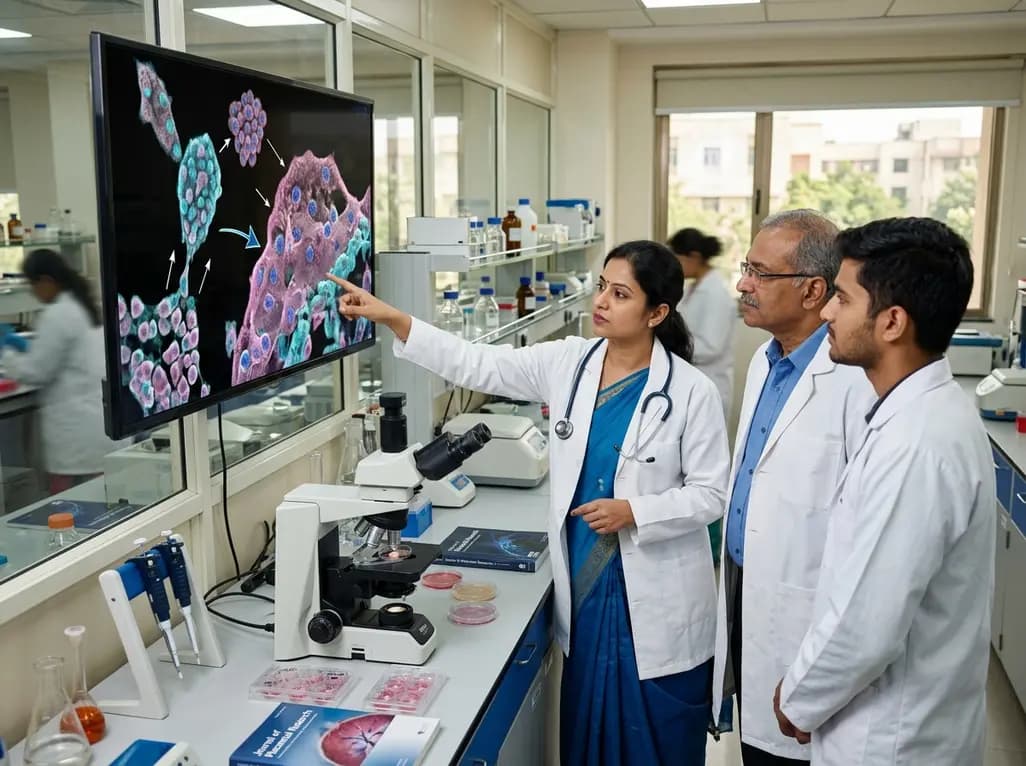
Recent research reveals that downregulating YAP1/TAZ-TEAD via Hippo signaling triggers spontaneous human trophoblast syncytialization in 3D cultures, illuminating placental biology and preeclampsia.
3 days back
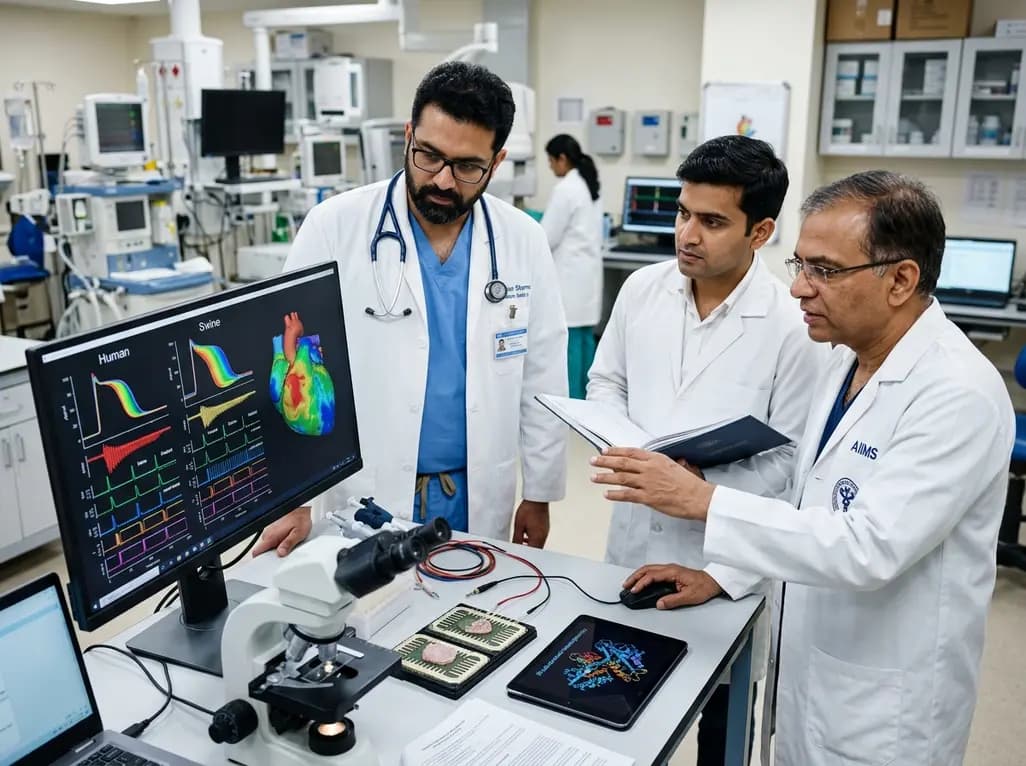
A landmark comparative study evaluates atrial electrophysiology across humans, swine, and rodents. By linking cellular recordings with transcriptomics and in silico modeling, researchers resolve cross-species gaps, explaining translational failures to advance targeted therapies for atrial arrhythmias.
3 days back

A novel pathology-adaptive surface engineering strategy uses functionalized plasma polymer coatings to selectively modulate AGE adsorption, reducing oxidative stress and restoring bone formation in diabetic and aging microenvironments.
4 weeks back
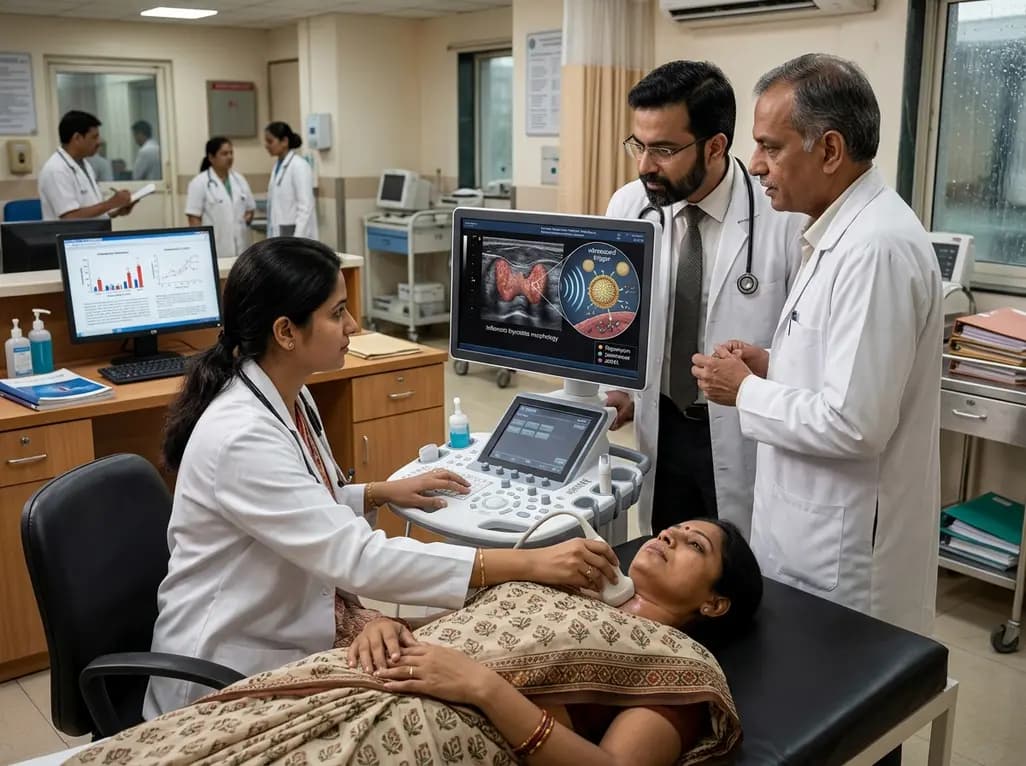
Researchers have developed an innovative ultrasound-responsive nano-contrast agent that co-delivers CIITA-siRNA and rapamycin directly to inflamed thyroid tissue, significantly reducing autoimmune injury and thyroid autoantibodies in preclinical models of Hashimoto thyroiditis.
4 days back
