.webp&w=384&q=75)

Loading, please wait...
Loading, please wait...

Infections in Organ Transplantation often arise from a complex interplay between environmental exposures and the patient’s unique genetic makeup. Furthermore, host innate immune functions significantly influence how a recipient responds to various pathogens. Recent evidence suggests that single nucleotide polymorphisms (SNPs) play a major role in this variability. Specifically, variations in genes encoding pattern recognition receptors affect the initial sensing of viruses and fungi. Consequently, some patients develop severe cytomegalovirus (CMV) viremia while others remain asymptomatic despite receiving similar immunosuppressive loads.
Additionally, mutations in complement components and cytokines can impair the downstream immune response. Therefore, identifying high-risk genotypes represents a crucial step toward precision medicine in transplantation. Notably, this approach could help clinicians design individualized surveillance protocols for vulnerable populations. Moreover, tailored antimicrobial prophylaxis could reduce the incidence of multidrug-resistant infections. Ultimately, understanding these allelic variations will improve long-term graft and patient survival. These genetic variants involve diverse components such as soluble opsonins, phagocyte functions, and natural killer cell receptors.
While the contribution of these variations is still being defined, the potential for clinical application is vast. Clinicians may soon use genetic profiles to adjust immunosuppressive therapy levels. Furthermore, host-directed interventions could specifically target the pathways compromised by specific allelic variations. Because these variants also affect susceptibility to BK polyomavirus and hepatitis viruses, a broad screening approach may be necessary. In contrast to traditional protocols, genetic-driven care offers a more proactive management style.
Genetic variants are primarily associated with an increased susceptibility to viral pathogens like cytomegalovirus (CMV), BK polyomavirus, and Epstein-Barr virus (EBV), as well as invasive fungal and bacterial infections.
By identifying high-risk genotypes, clinicians can implement individualized infectious surveillance and tailored antimicrobial prophylaxis, leading to better-informed host-directed interventions and precision medicine.
Disclaimer: This content is for informational and educational purposes only. It does not constitute professional medical advice, diagnosis, or treatment. Always seek the advice of your physician or other qualified healthcare provider with any questions you may have regarding a medical condition. Refer to the latest local and national guidelines for clinical practice.
References
De La Hoz A et al. Allelic Variations in Genes Modulating Immune Function: Impact on Infections in Organ Transplantation. J Infect Dis. 2026 Jun 23. doi: undefined. PMID: 42331348.
Redondo N et al. Human genetic polymorphisms and risk of viral infection after solid organ transplantation. Transplant Rev (Orlando). 2022 Jan;36(1):100669. doi: 10.1016/j.trre.2021.100669.
Fishman JA. Infection in Organ Transplantation. Am J Transplant. 2017 Apr;17(4):856-879. doi: 10.1111/ajt.14208.

Read summarized clinical updates, watch expert medical content, and earn CME certifications right from your smartphone.
Open your smartphone camera to scan and install.





This article explores the impact of allelic variations in genes regulating immune function on infection risk after solid organ transplantation. It highlights the role of genetic markers in enabling precision transplantation and tailored antimicrobial strategies for high-risk patients.
4 months ago
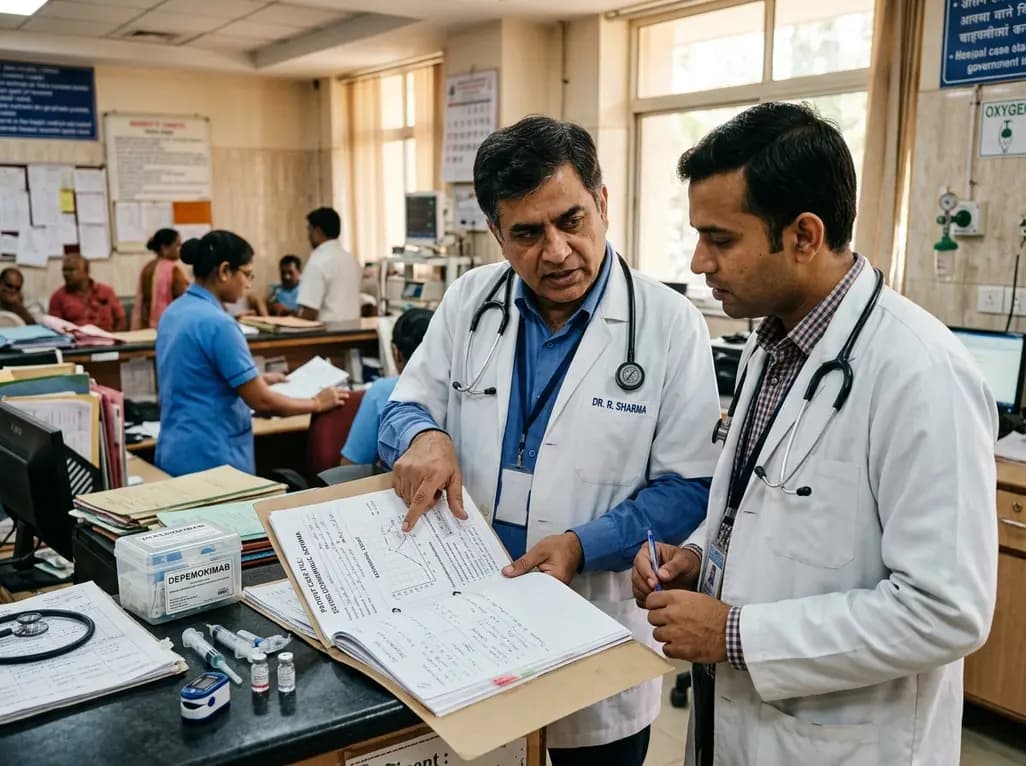
Depemokimab offers twice-yearly dosing for severe eosinophilic asthma and chronic rhinosinusitis with nasal polyps, significantly cutting exacerbations and hospital admissions.
4 days back
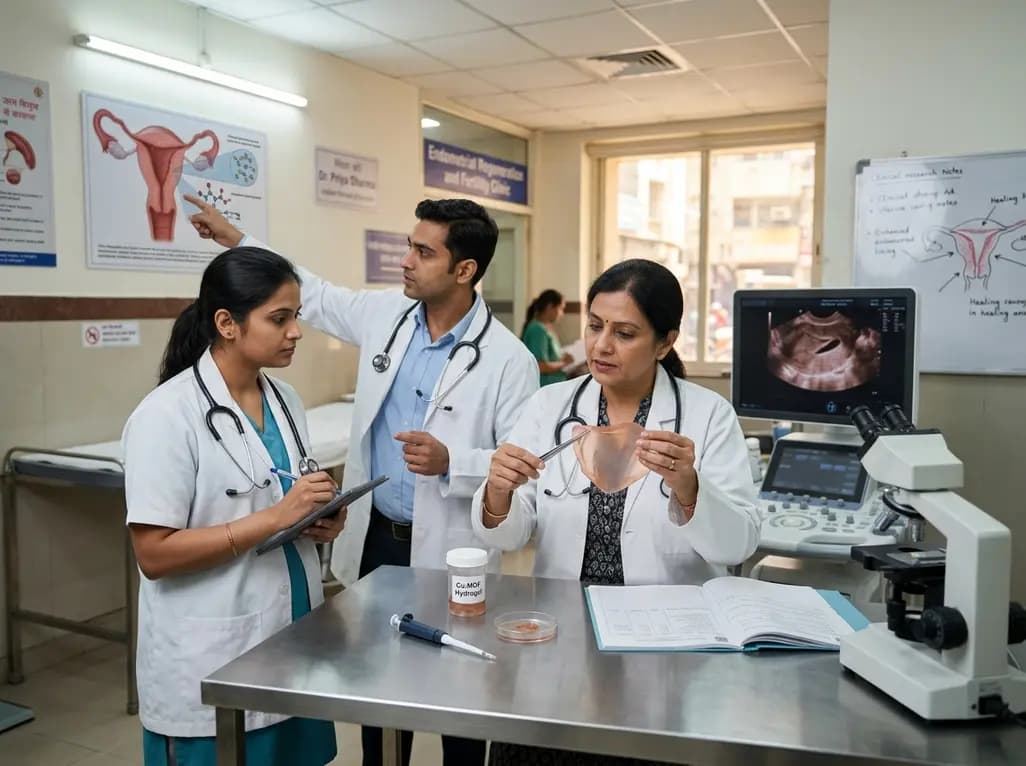
A novel copper metal-organic framework hydrogel remodels the uterine microenvironment to stimulate robust endometrial regeneration, reduce intrauterine fibrosis, and restore reproductive fertility, offering a groundbreaking strategy for managing refractory endometrial damage and Asherman syndrome.
4 days back
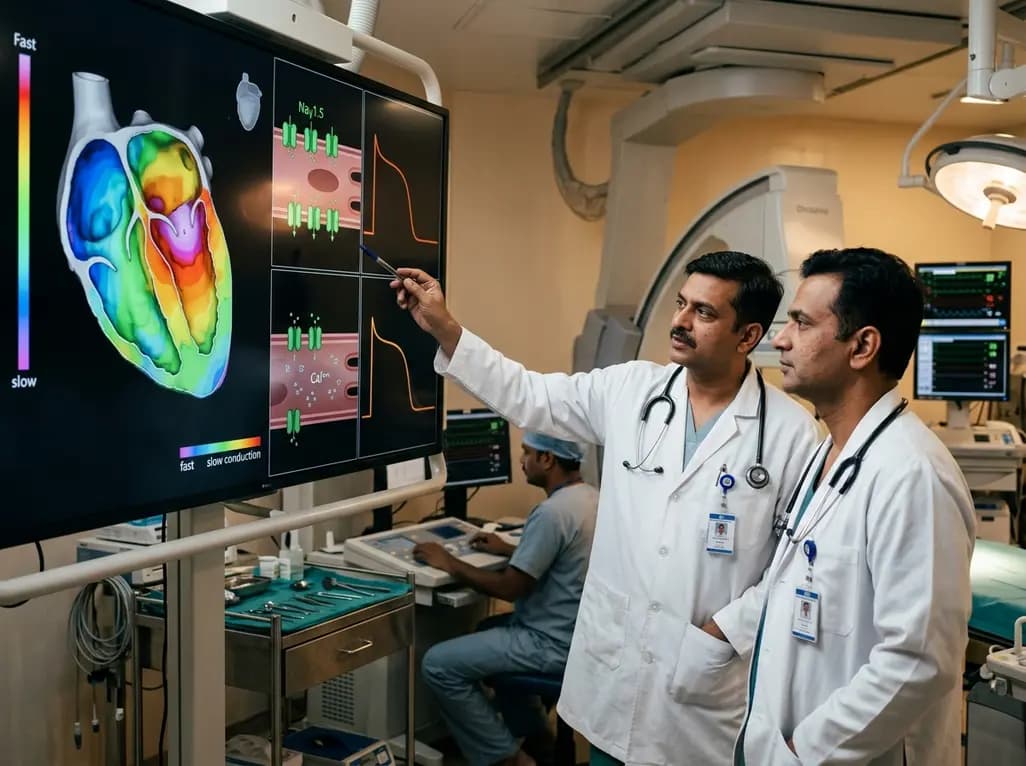
New research reveals that non-ablative radiotherapy suppresses ventricular tachycardia by increasing conduction velocity via NaV1.5 upregulation and action potential prolongation. However, sustained sodium current elevation and depressed calcium handling highlight the need for careful clinical translation.
6 days back
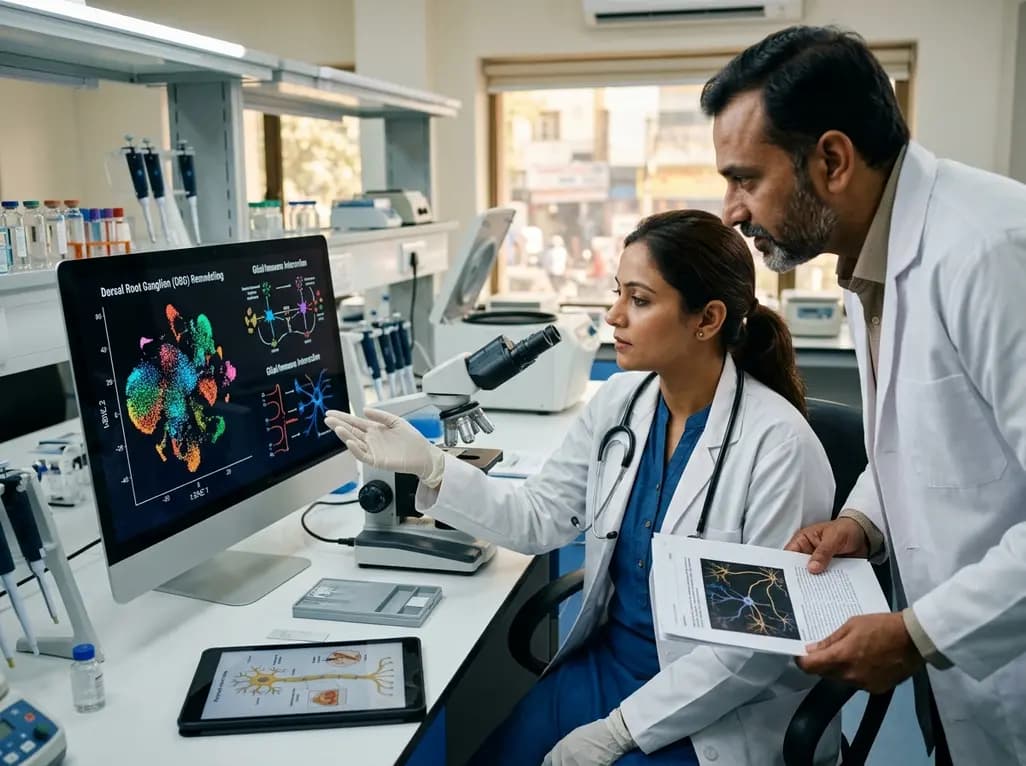
A single-cell transcriptomic atlas reveals how peripheral nerve injuries cause dorsal root ganglion remodeling. By evaluating proximal nerve crush and resection, researchers identify distinct glial and immune programs that resolve neuropathic pain and promote regeneration.
4 days back
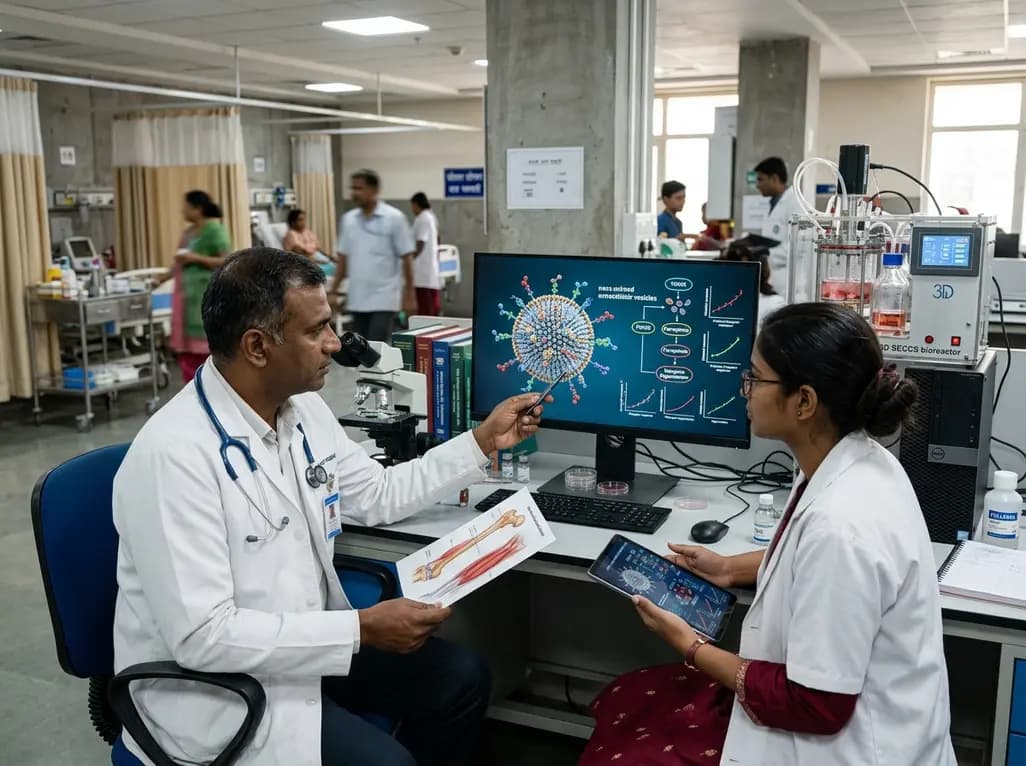
A breakthrough study demonstrates that fullerol-primed extracellular vesicles generated in a 3D SECCS bioreactor attenuate ferroptosis and restore myogenic regeneration in diabetes via the FOXO3 pathway, offering a cell-free therapeutic strategy for diabetic musculoskeletal degeneration.
4 days back
