.webp&w=384&q=75)

Loading, please wait...
Loading, please wait...
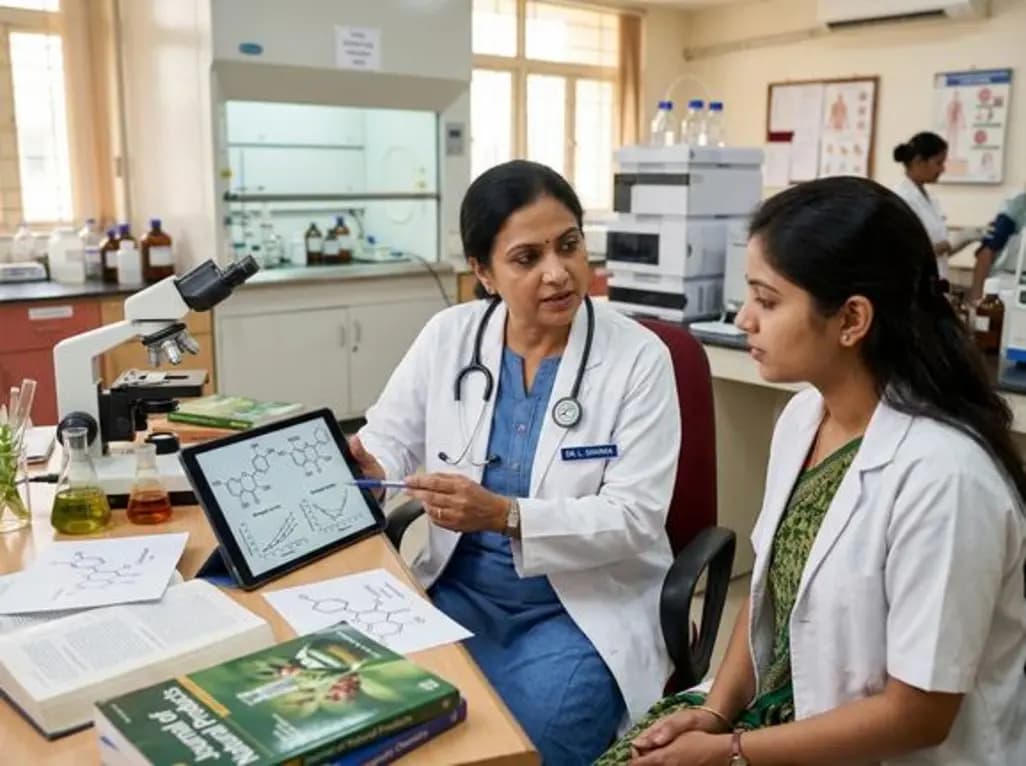
Flavonoids represent a diverse group of plant secondary metabolites that hold significant interest in modern medicine. Researchers are increasingly focusing on flavonoid therapeutic potential to develop novel drugs for various diseases. These compounds possess a characteristic C(6)-C(3)-C(6) benzo-γ-pyrone skeleton and play vital roles in plant defense and human health. Consequently, they offer a rich foundation for pharmacological innovation.
While natural flavonoids offer diverse benefits, their stability and bioactivity often improve through post-translational modifications. For instance, glycosylation and methylation enhance their pharmacological profile significantly. Therefore, total synthesis becomes essential to produce high-purity analogues for clinical study. Moreover, these modifications allow scientists to fine-tune the solubility and bioavailability of these phytochemicals in the human body.
Beyond their well-known antioxidant properties, flavonoids exhibit impressive antibacterial, antiviral, and anticancer effects. Researchers have identified numerous synthetic strategies that highlight the structural complexity of these molecules. These studies help clarify the structure-activity relationship (SAR), revealing which functional groups drive specific health benefits. Additionally, synthesis enables the exploration of rare derivatives that are not easily obtained from natural plant sources alone.
The synthesis of flavonoid glycosides opens new doors in oncology and anti-inflammatory research. Understanding the chemical pathways for building these molecules is crucial for pharmaceutical innovation. Furthermore, the ability to neutralize reactive oxygen species makes them vital for preserving cellular redox balance. Future efforts will likely focus on optimizing these synthetic routes to make therapeutic flavonoids more accessible for large-scale clinical trials and traditional medicine integrations.
Flavonoids act as potent antioxidants that neutralize reactive oxygen species. They also demonstrate a wide range of activities, including anti-inflammatory, antibacterial, and anticancer properties, which contribute to their vast medicinal value.
Glycosylation often increases the stability and water solubility of flavonoids. This modification can significantly enhance their bioactive potential and pharmacokinetic properties, making them more effective as therapeutic agents.
Structure-activity relationship (SAR) studies help scientists identify specific functional groups responsible for a molecule's biological effects. This knowledge allows for the design of more potent and targeted drugs.
Disclaimer: This content is for informational and educational purposes only. It does not constitute medical advice or a professional relationship. Always seek the advice of a qualified healthcare provider for any medical concerns. Refer to the latest local and national guidelines for clinical practice.
References

Read summarized clinical updates, watch expert medical content, and earn CME certifications right from your smartphone.
Open your smartphone camera to scan and install.





This review explores the synthesis of flavonoid glycosides and their diverse biological roles. It highlights their antioxidant, anticancer, and antiviral properties, providing critical insights into structure-activity relationships essential for the development of novel therapeutic agents.
4 months ago

Depemokimab offers twice-yearly dosing for severe eosinophilic asthma and chronic rhinosinusitis with nasal polyps, significantly cutting exacerbations and hospital admissions.
4 days back

A novel copper metal-organic framework hydrogel remodels the uterine microenvironment to stimulate robust endometrial regeneration, reduce intrauterine fibrosis, and restore reproductive fertility, offering a groundbreaking strategy for managing refractory endometrial damage and Asherman syndrome.
4 days back

New research reveals that non-ablative radiotherapy suppresses ventricular tachycardia by increasing conduction velocity via NaV1.5 upregulation and action potential prolongation. However, sustained sodium current elevation and depressed calcium handling highlight the need for careful clinical translation.
6 days back
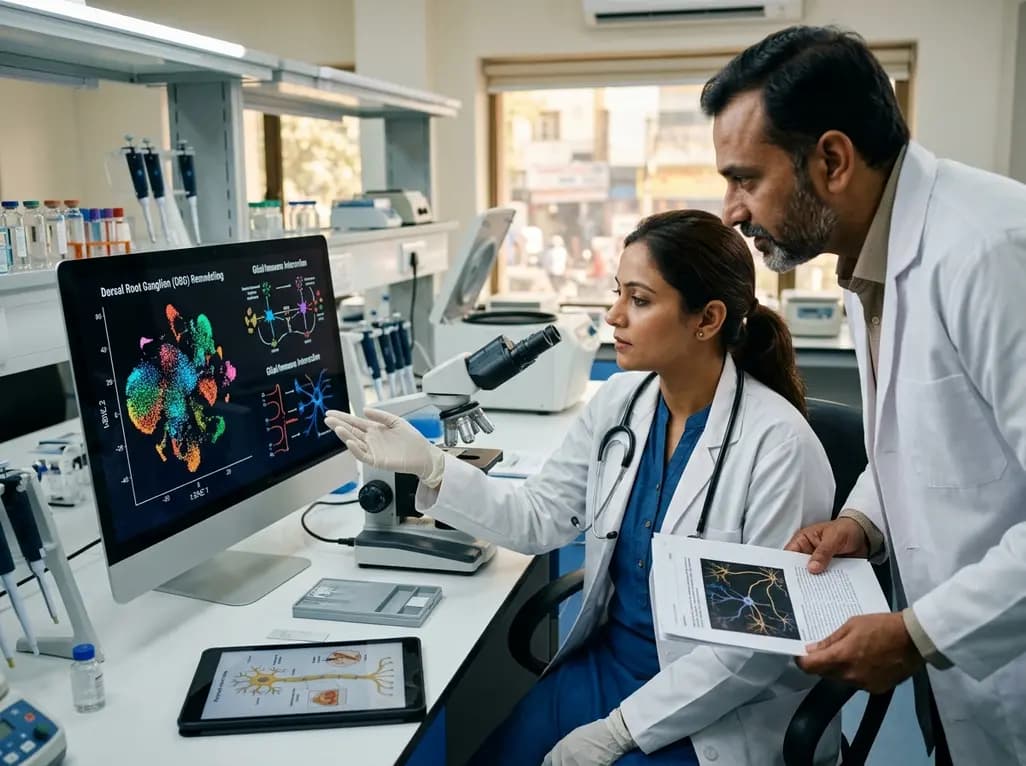
A single-cell transcriptomic atlas reveals how peripheral nerve injuries cause dorsal root ganglion remodeling. By evaluating proximal nerve crush and resection, researchers identify distinct glial and immune programs that resolve neuropathic pain and promote regeneration.
4 days back
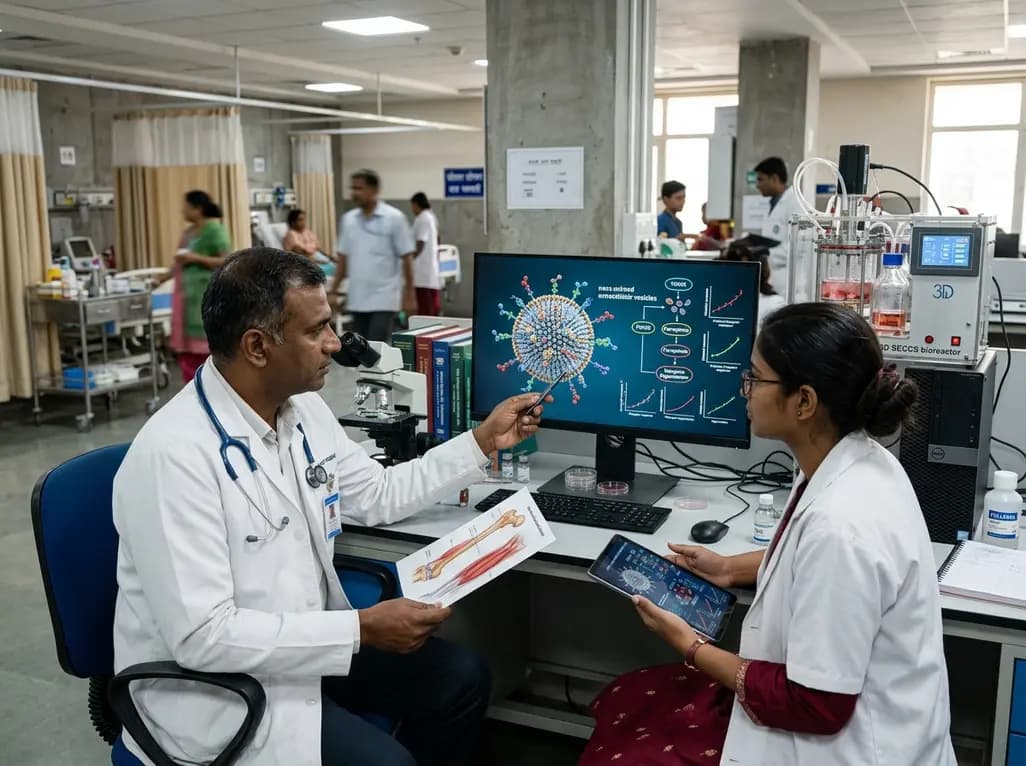
A breakthrough study demonstrates that fullerol-primed extracellular vesicles generated in a 3D SECCS bioreactor attenuate ferroptosis and restore myogenic regeneration in diabetes via the FOXO3 pathway, offering a cell-free therapeutic strategy for diabetic musculoskeletal degeneration.
4 days back
