.webp&w=384&q=75)

Loading, please wait...
Loading, please wait...

Clinicians frequently use ultrasound risk stratification to manage thyroid nodules and optimize resource allocation. This multi-centre, randomized controlled trial from Sweden evaluates the performance of EU-TIRADS thyroid diagnostics. Researchers compared selective cytology based on European Thyroid Association criteria against non-selective approaches to determine if risk stratification improves the identification of neoplastic lesions requiring surgical intervention.
The study randomized 195 patients between February 2022 and December 2023. Patients received either selective EU-TIRADS-based cytology or standard non-selective cytology. Consequently, the selective group showed a significantly higher frequency of nodules with Bethesda category IV-VI. Specifically, the rate reached 26% in the selective group compared to 13% in the non-selective group (p=0.039). However, both groups maintained similar malignancy rates of 8% and 5%, respectively.
Furthermore, the selective approach effectively reduced the frequency of patients requiring fine-needle aspiration (FNA). The rate dropped from 83% in the non-selective cohort to 71% in the selective cohort. Therefore, clinicians can safely omit unnecessary procedures in many clinical scenarios. Nevertheless, the trial suggests that previous estimates regarding the proportion of safely omitted FNAs using EU-TIRADS might be slightly exaggerated.
Additionally, the trial results support the use of EU-TIRADS for selecting neoplastic nodules without missing thyroid cancers. In the selective group, clinicians omitted cytology in 7% of patients with at least one nodule yielding EU-TIRADS 3 or higher. In contrast, the non-selective group omitted no cytology. Consequently, this demonstrates a clear benefit in reducing the diagnostic burden for both patients and healthcare systems.
Moreover, refined risk stratification remains a necessity for future diagnostic accuracy. While EU-TIRADS provides a strong framework for current practice, ongoing refinement will enhance the precision of thyroid cancer diagnostics. Doctors should integrate these randomized findings into their routine clinical workflow to ensure high-yield biopsies and improved surgical planning.
EU-TIRADS helps clinicians identify high-risk nodules more accurately than non-selective methods. This reduces the number of unnecessary fine-needle aspiration (FNA) procedures while significantly increasing the detection of clinically significant Bethesda category IV-VI lesions.
According to this randomized trial, the rate of malignancy remained similar between the selective and non-selective groups. This indicates that EU-TIRADS effectively selects the appropriate patients for biopsy without compromising the detection of malignant thyroid cancers.
The study found that using selective EU-TIRADS criteria reduced the frequency of patients undergoing cytology from 83% to 71%. This reduction allows for better resource management without sacrificing diagnostic safety.
Disclaimer: This content is for informational and educational purposes only. It does not constitute medical advice or establish a doctor-patient relationship. Refer to the latest local and national guidelines for clinical practice.
References

Read summarized clinical updates, watch expert medical content, and earn CME certifications right from your smartphone.
Open your smartphone camera to scan and install.





A Swedish RCT shows that using EU-TIRADS for selective thyroid cytology doubles the yield of Bethesda IV-VI nodules (26% vs 13%) while reducing biopsy frequency from 83% to 71%. The findings support EU-TIRADS as a safe method to omit unnecessary FNAs without missing thyroid malignancies.
4 months ago
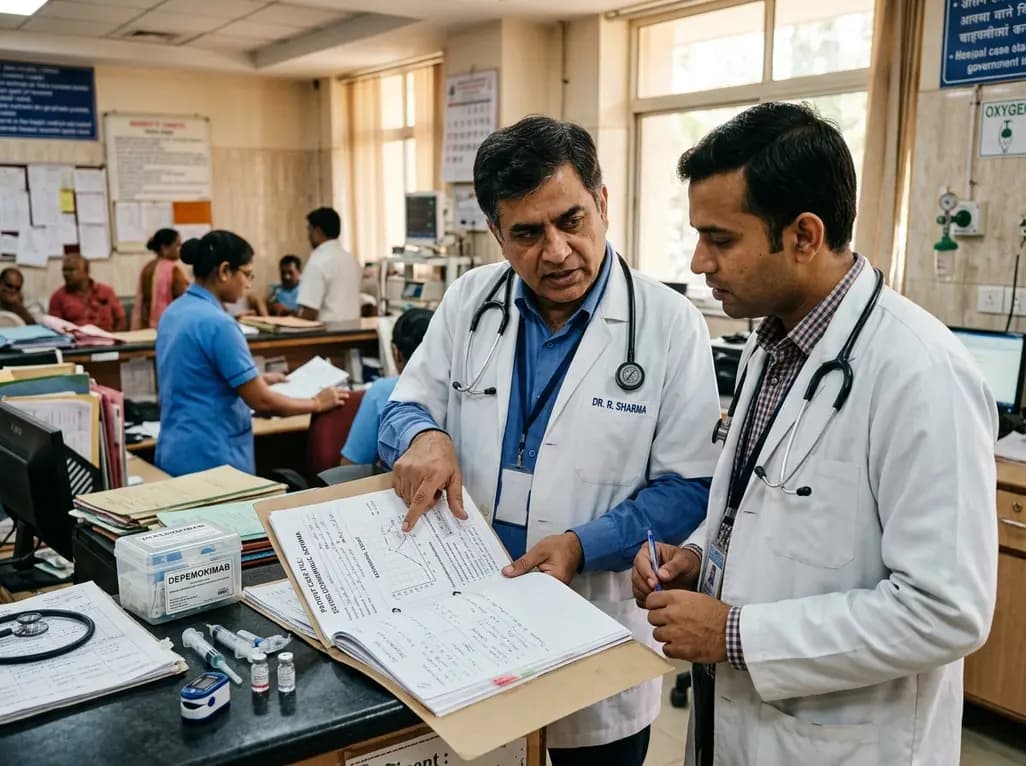
Depemokimab offers twice-yearly dosing for severe eosinophilic asthma and chronic rhinosinusitis with nasal polyps, significantly cutting exacerbations and hospital admissions.
3 days back
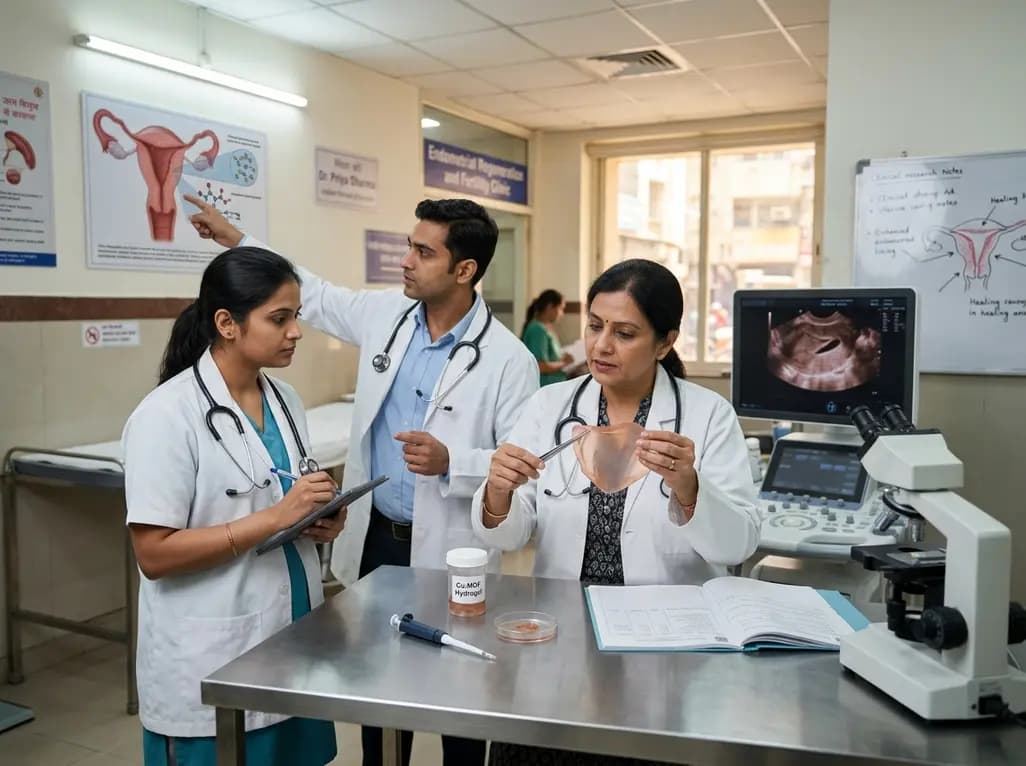
A novel copper metal-organic framework hydrogel remodels the uterine microenvironment to stimulate robust endometrial regeneration, reduce intrauterine fibrosis, and restore reproductive fertility, offering a groundbreaking strategy for managing refractory endometrial damage and Asherman syndrome.
3 days back
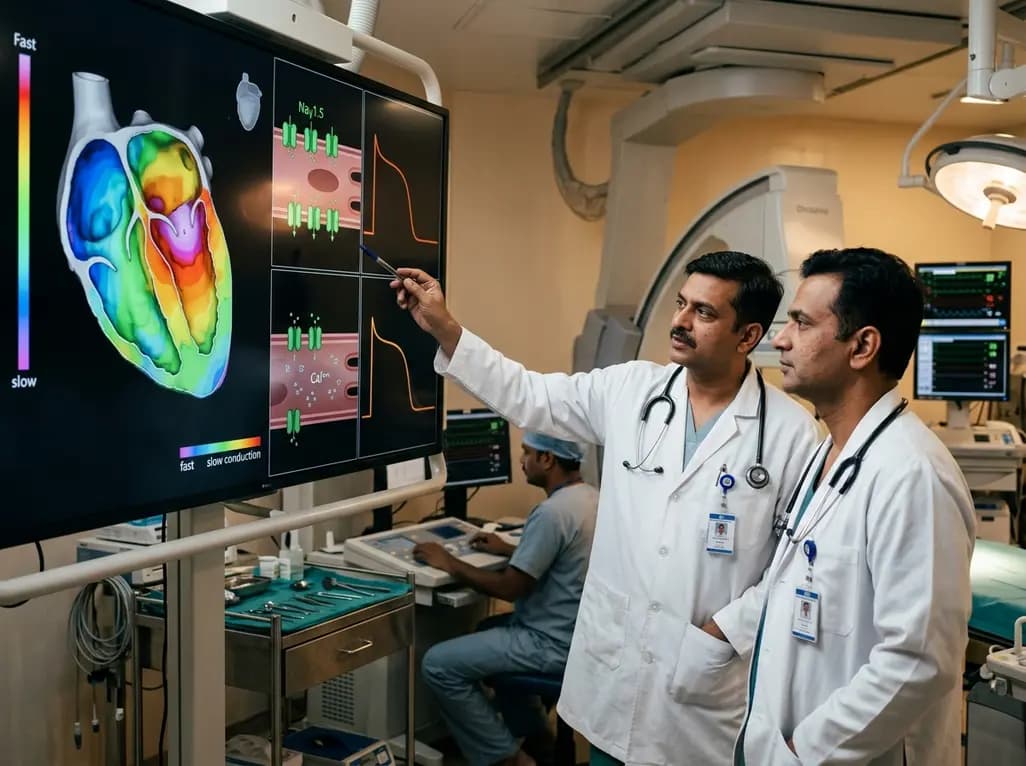
New research reveals that non-ablative radiotherapy suppresses ventricular tachycardia by increasing conduction velocity via NaV1.5 upregulation and action potential prolongation. However, sustained sodium current elevation and depressed calcium handling highlight the need for careful clinical translation.
5 days back
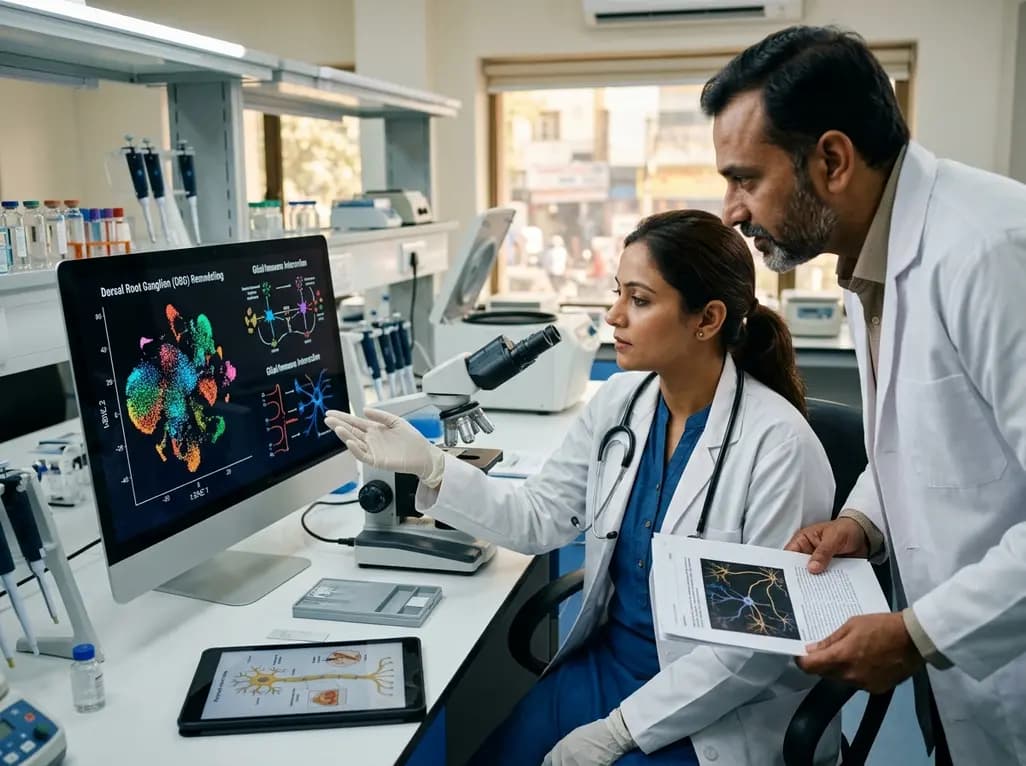
A single-cell transcriptomic atlas reveals how peripheral nerve injuries cause dorsal root ganglion remodeling. By evaluating proximal nerve crush and resection, researchers identify distinct glial and immune programs that resolve neuropathic pain and promote regeneration.
3 days back
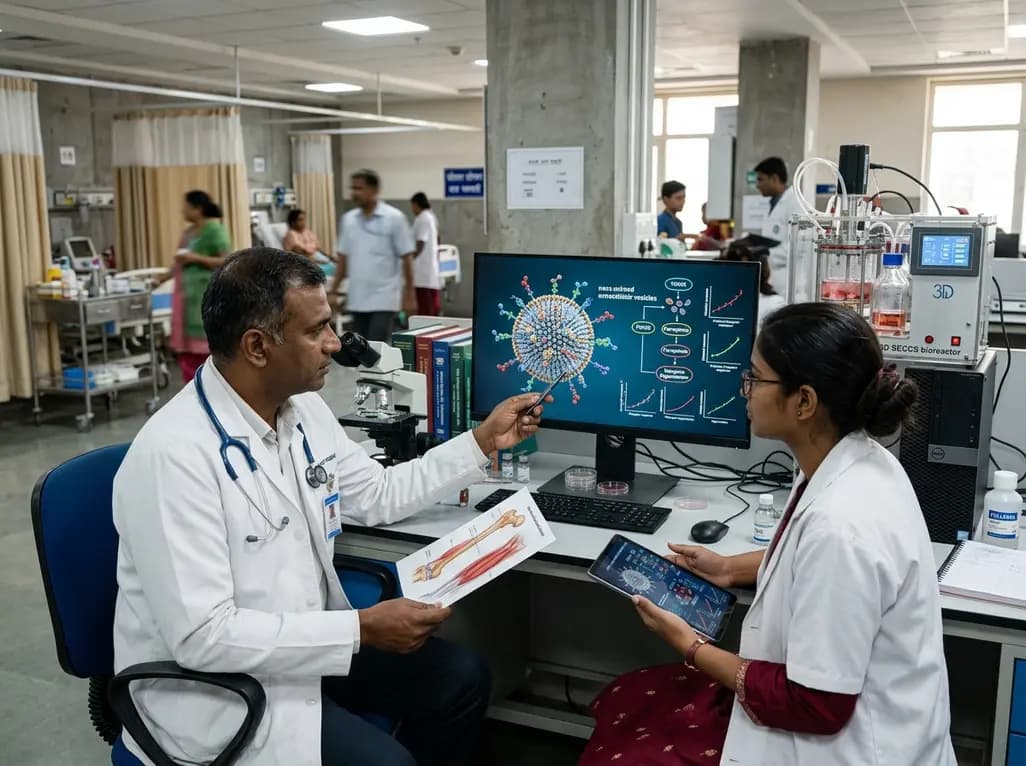
A breakthrough study demonstrates that fullerol-primed extracellular vesicles generated in a 3D SECCS bioreactor attenuate ferroptosis and restore myogenic regeneration in diabetes via the FOXO3 pathway, offering a cell-free therapeutic strategy for diabetic musculoskeletal degeneration.
3 days back
