.webp&w=384&q=75)

Loading, please wait...
Loading, please wait...
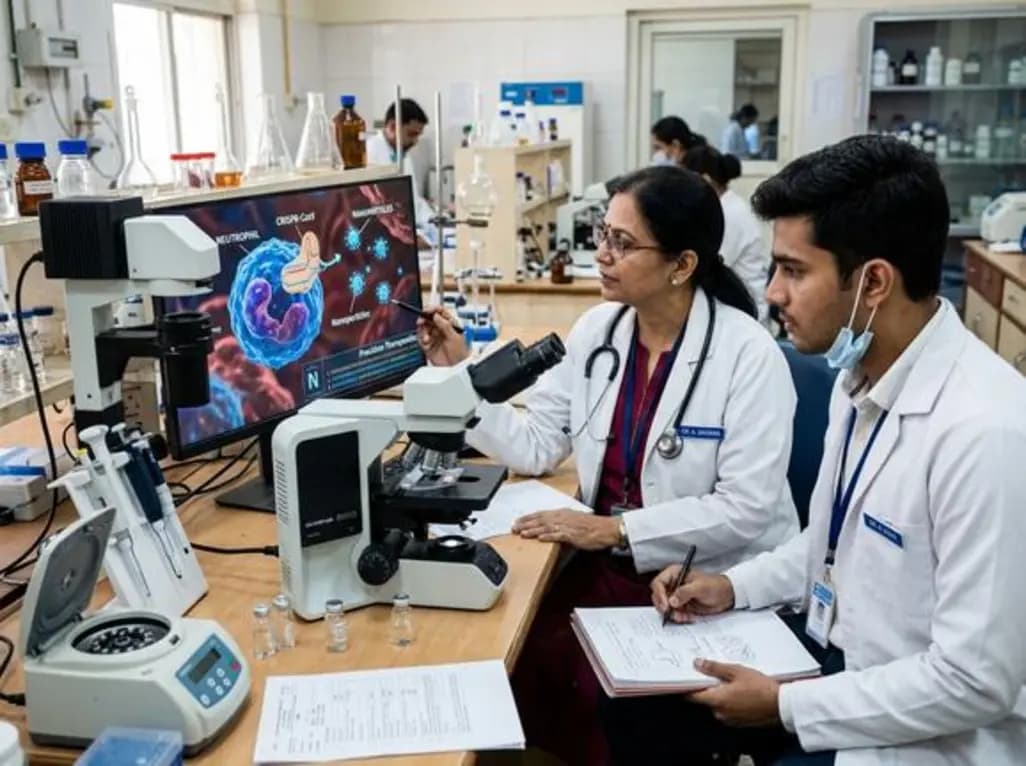
Engineered neutrophils are rapidly emerging as pivotal agents in the landscape of translational medicine. By integrating gene editing, nanotechnology, and artificial intelligence, these cells are redefining precision diagnostics and therapeutics. Specifically, gene editing tools like CRISPR-Cas9 enable precise reprogramming to enhance tumor-targeting capabilities and antimicrobial activity. Consequently, these modifications allow clinicians to tackle complex diseases with unprecedented accuracy.
Nanotechnology facilitates neutrophil-bound drug delivery, which improves targeting to inflamed or tumor sites. This approach significantly reduces off-target effects, thereby enhancing patient safety. Furthermore, AI-driven platforms analyze multi-omics data to optimize engineering strategies and personalize treatments. These innovations demonstrate significant promise in oncology, where they remodel the tumor microenvironment. In infectious diseases, they enhance pathogen clearance effectively. Moreover, in autoimmune disorders, they help dampen aberrant inflammatory responses.
However, several hurdles persist despite this technological progress. Challenges including off-target edits, short in vivo persistence, and immune rejection require urgent attention. Researchers currently utilize microfluidics and high-throughput screening to address these issues. Coupled with AI-driven monitoring, these tools will likely accelerate clinical translation in the near future. As interdisciplinary collaboration deepens, these cells stand at the forefront of next-generation medicine.
In oncology, these modified cells deliver cytotoxic payloads directly to tumors. They also remodel the tumor microenvironment to boost the body's natural immune response against cancer cells.
AI-driven platforms analyze complex multi-omics data to optimize engineering strategies. This ensures that treatments are personalized and that the most effective cellular modifications are selected for each patient.
Disclaimer: This content is for informational and educational purposes only. It does not constitute medical advice or a professional relationship. Refer to the latest local and national guidelines for clinical practice.
References

Read summarized clinical updates, watch expert medical content, and earn CME certifications right from your smartphone.
Open your smartphone camera to scan and install.





Engineered neutrophils are transforming medicine by integrating CRISPR-Cas9, nanotechnology, and AI. This breakthrough offers personalized strategies for oncology and infectious diseases, though challenges like short in vivo persistence remain critical areas for further development.
4 months ago

Depemokimab offers twice-yearly dosing for severe eosinophilic asthma and chronic rhinosinusitis with nasal polyps, significantly cutting exacerbations and hospital admissions.
3 days back

A novel copper metal-organic framework hydrogel remodels the uterine microenvironment to stimulate robust endometrial regeneration, reduce intrauterine fibrosis, and restore reproductive fertility, offering a groundbreaking strategy for managing refractory endometrial damage and Asherman syndrome.
3 days back

New research reveals that non-ablative radiotherapy suppresses ventricular tachycardia by increasing conduction velocity via NaV1.5 upregulation and action potential prolongation. However, sustained sodium current elevation and depressed calcium handling highlight the need for careful clinical translation.
5 days back

A single-cell transcriptomic atlas reveals how peripheral nerve injuries cause dorsal root ganglion remodeling. By evaluating proximal nerve crush and resection, researchers identify distinct glial and immune programs that resolve neuropathic pain and promote regeneration.
3 days back
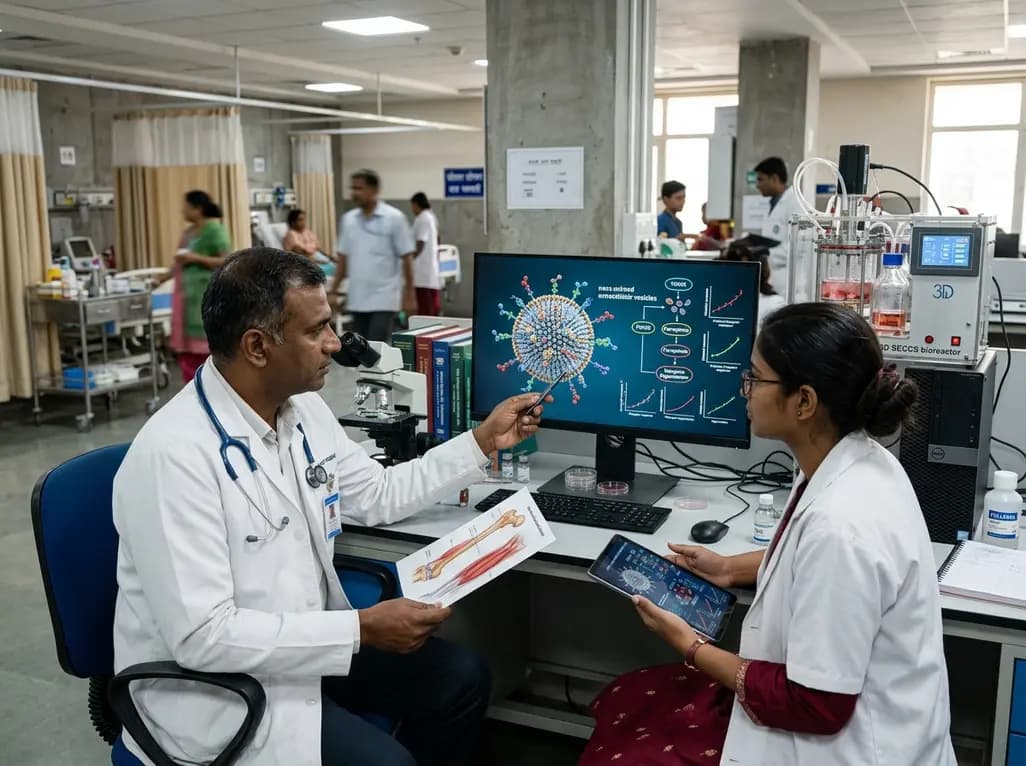
A breakthrough study demonstrates that fullerol-primed extracellular vesicles generated in a 3D SECCS bioreactor attenuate ferroptosis and restore myogenic regeneration in diabetes via the FOXO3 pathway, offering a cell-free therapeutic strategy for diabetic musculoskeletal degeneration.
3 days back
