.webp&w=384&q=75)

Loading, please wait...
Loading, please wait...
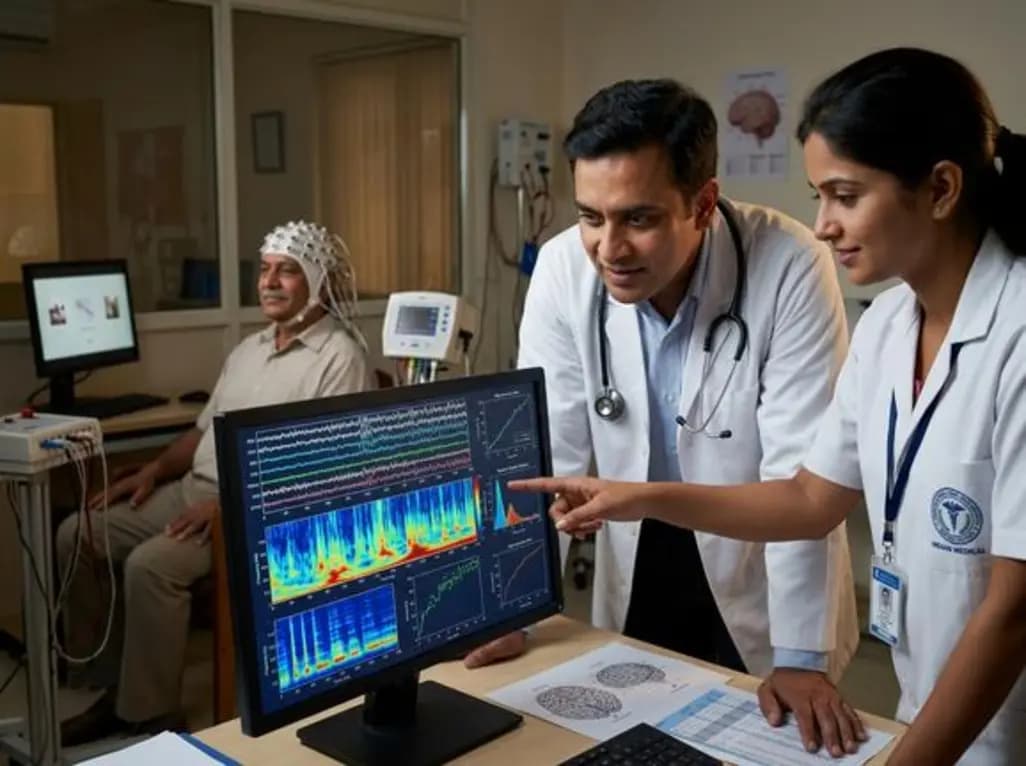
The field of brain-computer interfaces (BCIs) is currently witnessing a major breakthrough in EEG imagined speech classification. This technology allows direct communication by translating silent mental thoughts into actionable device outputs. Scientists have long sought to overcome the noise inherent in electroencephalography signals. Therefore, a recent study introduces a dynamic wavelet-based augmentation method to solve this challenge. This approach significantly enhances the reliability of non-invasive assistive technologies for patients with severe motor or speech impairments.
The proposed method adaptively selects the most informative wavelet basis for each individual EEG epoch. By minimizing wavelet entropy, the model focuses on the most relevant neural data. Afterward, the system injects Gaussian noise into the coefficients to perform robust data augmentation. This specific step helps the model handle signal variability better than traditional fixed methods. Consequently, the convolutional neural network achieves superior feature learning through channel-wise excitation mechanisms. Moreover, the intra-subject setting ensures that the model recognizes specific neural patterns with high precision.
During evaluation, the system achieved a remarkable classification accuracy of 98% for specific word-vowel combinations. The Cohen's kappa value reached 0.95, which indicates exceptionally high reliability. Although multiclass classification for eight distinct stimuli remains more challenging, these results surpass conventional augmentation strategies. Specifically, such high precision is vital for real-world neurorehabilitation applications. Furthermore, these advancements could empower individuals with locked-in syndrome to communicate more effectively using portable and affordable EEG devices. These tools provide a non-invasive and cost-effective alternative to surgical implants.
Dynamic wavelet augmentation adaptively selects the best wavelet basis by minimizing entropy. This process ensures the model focuses on the most informative parts of the signal. Furthermore, adding Gaussian noise to these coefficients helps the model generalize better to noisy real-world data.
High accuracy, such as 98% in vowel classification, suggests that BCIs are becoming reliable enough for clinical use. It reduces the frustration of incorrect device outputs for patients. Consequently, it brings us closer to seamless, thought-to-speech communication tools.
EEG is preferred because it is non-invasive, portable, and affordable. Unlike fMRI or PET scans, it offers high temporal resolution, which is essential for capturing rapid speech-related neural activity. Therefore, it is the most practical choice for long-term assistive technology.
Disclaimer: This content is for informational and educational purposes only. It is not intended as a substitute for professional medical advice, diagnosis, or treatment. Always seek the advice of your physician or other qualified healthcare provider with any questions you may have regarding a medical condition. Refer to the latest local and national guidelines for clinical practice.
References
Mohan A et al. Dynamic wavelet-based augmentation for enhanced EEG-based imagined speech classification. Comput Biol Med. 2026 Jun 18. doi: undefined. PMID: 42314246.
Ravi K. Imagined Speech Classification using EEG. Science Publishing Group. 2026.
ResearchGate. EEG-Based Imagined-Speech Decoding: A Review. 2026.

Read summarized clinical updates, watch expert medical content, and earn CME certifications right from your smartphone.
Open your smartphone camera to scan and install.





A new study in Comput Biol Med introduces a dynamic wavelet-based augmentation method that improves EEG imagined speech classification accuracy to 98%. This breakthrough in brain-computer interfaces offers significant potential for non-invasive neurorehabilitation and assistive communication tools.
4 months ago

Depemokimab offers twice-yearly dosing for severe eosinophilic asthma and chronic rhinosinusitis with nasal polyps, significantly cutting exacerbations and hospital admissions.
3 days back

A novel copper metal-organic framework hydrogel remodels the uterine microenvironment to stimulate robust endometrial regeneration, reduce intrauterine fibrosis, and restore reproductive fertility, offering a groundbreaking strategy for managing refractory endometrial damage and Asherman syndrome.
3 days back
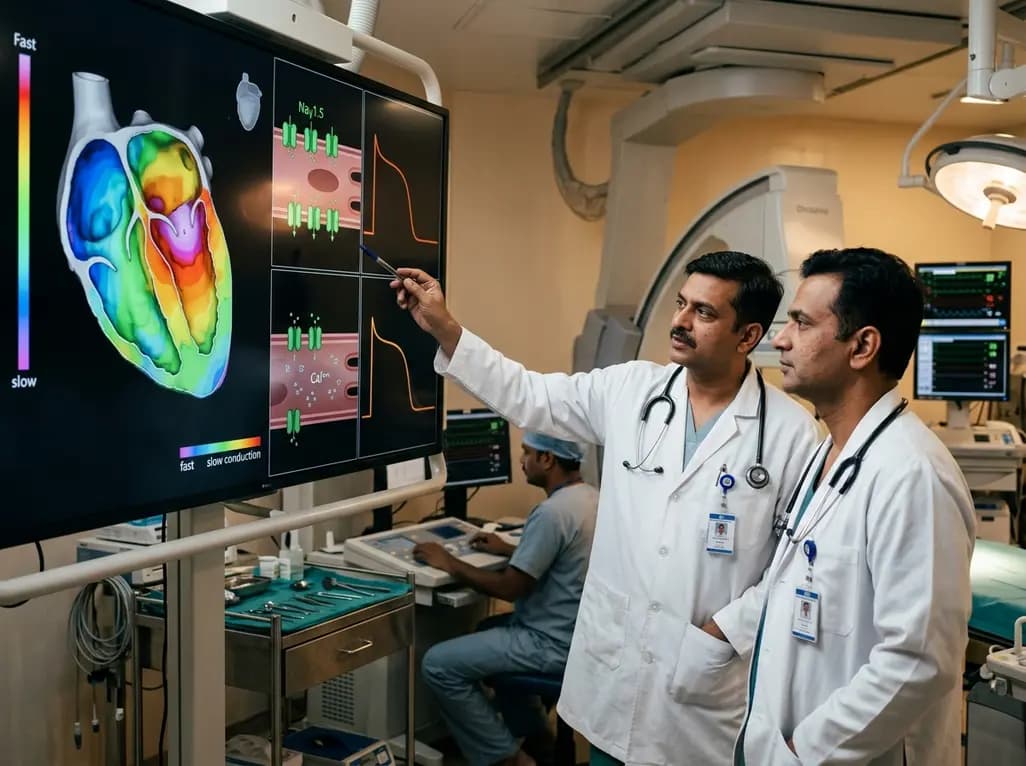
New research reveals that non-ablative radiotherapy suppresses ventricular tachycardia by increasing conduction velocity via NaV1.5 upregulation and action potential prolongation. However, sustained sodium current elevation and depressed calcium handling highlight the need for careful clinical translation.
5 days back
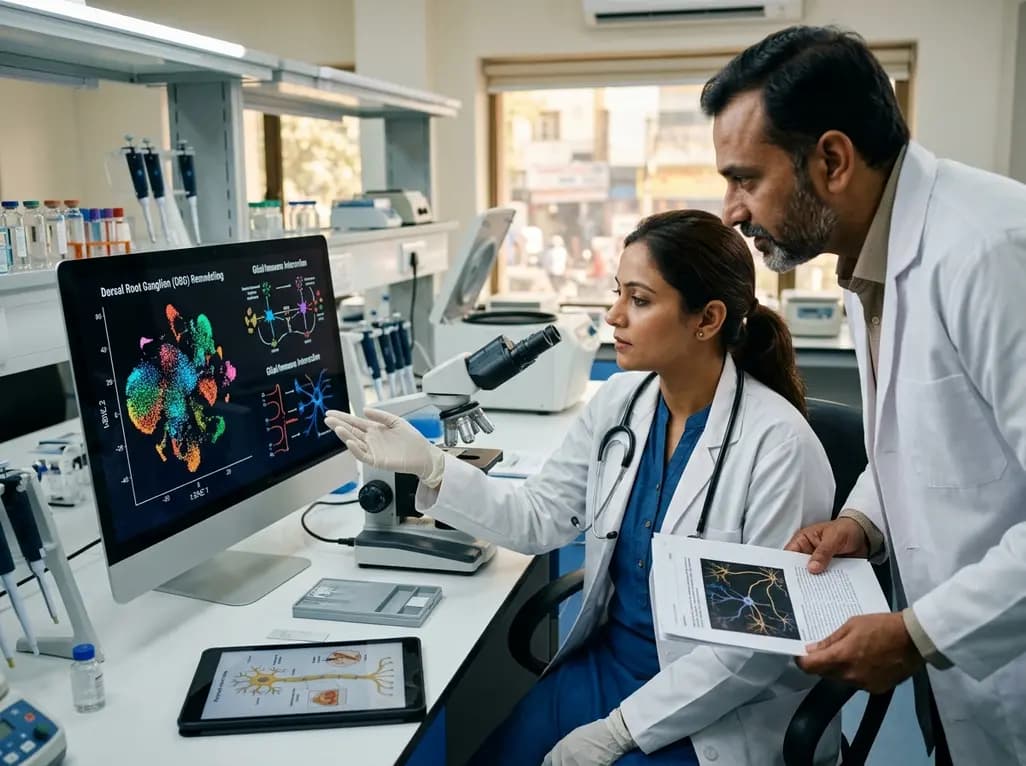
A single-cell transcriptomic atlas reveals how peripheral nerve injuries cause dorsal root ganglion remodeling. By evaluating proximal nerve crush and resection, researchers identify distinct glial and immune programs that resolve neuropathic pain and promote regeneration.
3 days back
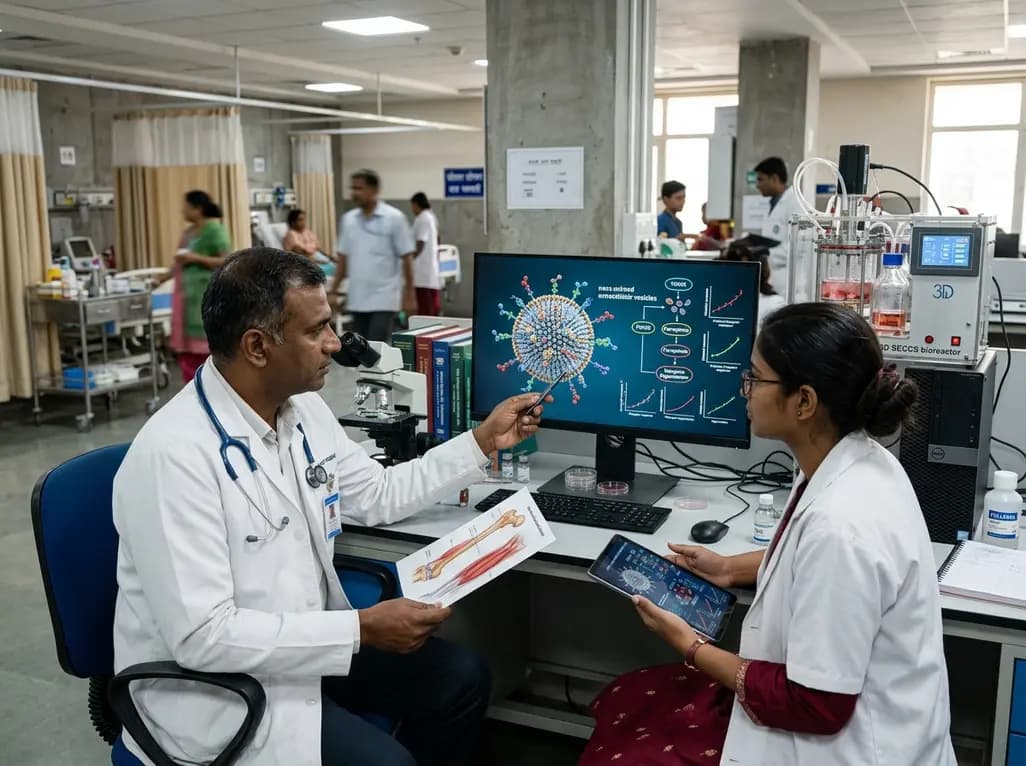
A breakthrough study demonstrates that fullerol-primed extracellular vesicles generated in a 3D SECCS bioreactor attenuate ferroptosis and restore myogenic regeneration in diabetes via the FOXO3 pathway, offering a cell-free therapeutic strategy for diabetic musculoskeletal degeneration.
3 days back
