.webp&w=384&q=75)

Loading, please wait...
Loading, please wait...
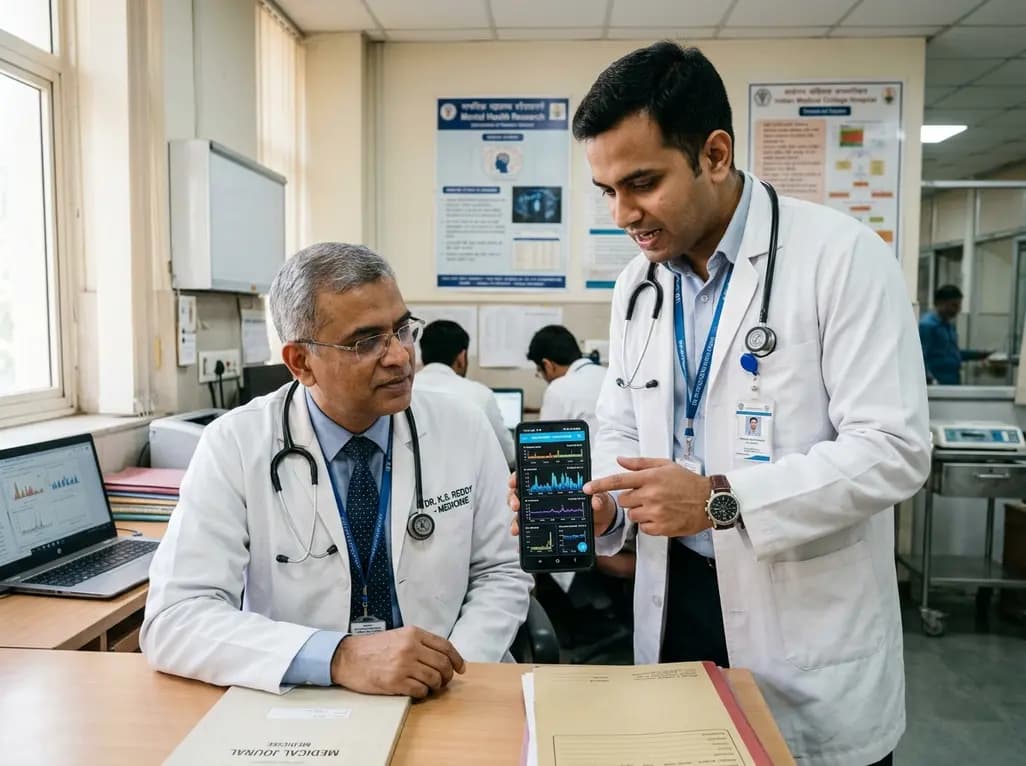
Digital health technologies are rapidly transforming clinical practice by offering continuous monitoring of patient behaviors. Digital phenotyping captures complex data streams from smartphones to assess psychological, behavioral, and physiological states during daily life. However, standard mobile applications face computational bottlenecks when processing dense multimodal streams locally. Conventional systems rely heavily on cloud servers, introducing severe latency and data loss. To overcome these limitations, researchers evaluated the Stanford Screenomics platform, demonstrating how parallel processing on edge devices can revolutionize real-time digital phenotyping for modern healthcare.
Digital phenotyping provides clinicians with objective, continuous insights into patient well-being outside traditional healthcare settings. By logging sensor signals, app usage, and screen interactions, smartphones create a detailed record of human behavior. These continuous measurements help identify subtle behavioral shifts that precede clinical deterioration in psychiatric and chronic medical conditions. Historically, collecting multimodal data required transmitting raw files directly to remote cloud servers. However, continuous cloud transmission consumes substantial battery power, demands constant cellular connectivity, and compromises patient privacy. In resource-constrained settings, network instability often causes data loss and missing clinical measurements. To solve these challenges, healthcare technology developers are transitioning toward edge computing models. Processing incoming health data directly on mobile devices minimizes dependency on external infrastructure while safeguarding personal health information. Additionally, on-device data processing enables continuous analytics without interrupting routine smartphone use.
To address the performance bottlenecks of cloud architectures, engineers designed the Stanford Screenomics platform as a modular software reference architecture. This system integrates parallel processing with on-device edge computing, contrasting sharply with traditional sequential cloud systems. In conventional frameworks, mobile devices collect data continuously but queue tasks linearly before uploading raw streams to remote servers. This linear pipeline creates processing delays and increases system vulnerability during network outages. In contrast, the Stanford Screenomics platform distributes computational tasks dynamically across multiple processor cores on the device. By decoupling data acquisition from analysis, the parallel architecture processes multimodal inputs concurrently without overloading system resources. Moreover, local edge computing eliminates latency from cloud round-trips, allowing mobile applications to process sensor signals in real time. Storing and analyzing data locally before uploading encrypted summaries preserves user privacy and complies with strict healthcare data standards.
To evaluate performance, investigators conducted comprehensive 48-hour comparative experiments between the Stanford Screenomics platform and a traditional cloud-based control app. Both prototype applications processed identical multimodal data streams under identical intensity settings, differing only in computational sequence and execution location. Researchers established four distinct load profiles to simulate real-world mobile usage: low (10 MB/min), medium (30 MB/min), heavy (40 MB/min), and very heavy (60 MB/min). During the first experiment, virtual users completed standardized five-minute task sequences involving popular mobile applications, including video streaming, digital reading, web surfing, and social media scrolling. Minute-by-minute measurements of central processing unit usage, random-access memory, battery drain, and data loss were collected. Statistical evaluations utilized descriptive metrics alongside independent t-tests to compare performance across load conditions. In the second experiment, researchers evaluated end-to-end processing latency over stable wireless networks across key operational stages.
The experimental findings revealed significant operational advantages for the parallel on-device architecture across all parameters. The Stanford Screenomics platform demonstrated markedly lower central processing unit utilization, ranging from 3.9% to 14.6%, compared to 10.5% to 26.9% observed in the traditional cloud framework. Memory footprint was similarly reduced, with the parallel architecture consuming 97 MB to 132 MB compared to 101 MB to 155 MB in the conventional app. Consequently, these computational savings yielded a dramatic reduction in hourly battery consumption. The Stanford Screenomics platform recorded battery drain rates between 0.9% and 2.1% per hour, whereas the traditional application consumed between 1.4% and 3.2% per hour. Reduced resource consumption is crucial for patient compliance, as excessive battery drain leads users to uninstall digital health tools. Optimizing memory allocation ensures continuous passive monitoring remains unobtrusive while maintaining phone longevity.
Data integrity and processing speed represent critical metrics for clinical digital phenotyping platforms. The experimental results demonstrated superior data fidelity in the Stanford Screenomics platform compared to the traditional design. Under increasing data loads, the parallel architecture exhibited shallow linear data loss ranging between 0.4% and 1.5% per hour. Conversely, the cloud-based app experienced exponential data loss, increasing from 2% up to 7.1% per hour under heavy demands. Remarkably, the Stanford Screenomics framework achieved up to 9.4 times greater data retention under very heavy processing load profiles. Regarding responsiveness, total phenotype update times were dramatically lower in the parallel edge architecture. Under low load, the Stanford Screenomics app completed end-to-end phenotype updates in 0.90 seconds, reaching 9.32 seconds under very heavy loads. In contrast, the traditional architecture required 30.1 to 398.1 seconds, representing 34-fold to 43-fold faster processing.
Translating low-latency digital phenotyping into real-world clinical interventions offers significant potential for personalized patient care. When passive algorithms detect behavioral indicators of distress or physiological decompensation in real time, digital health platforms can trigger immediate ecological momentary interventions. For instance, in psychiatric care, prompt identification of sudden changes in sleep or communication can prompt localized micro-interventions or alert care teams. In managing chronic metabolic conditions, immediate analysis of activity and physiological signals allows for timely behavioral nudges before clinical deterioration occurs. Furthermore, executing processing pipelines directly on the smartphone eliminates continuous dependence on high-bandwidth network availability. Patients in rural areas with intermittent internet access still benefit from continuous monitoring and localized feedback. By combining high data fidelity, minimal latency, and robust privacy, edge architectures empower clinicians to deploy scalable, responsive digital health interventions safely across diverse patient populations.
Digital phenotyping involves the continuous, unobtrusive collection and analysis of digital trace data from personal devices like smartphones and wearables. These data streams include location patterns, screen interactions, sensor logs, and communication frequency. Clinicians use these objective measurements to assess behavioral, psychological, and physiological health states in real-world settings, replacing subjective retrospective recall with continuous clinical insight.
Edge computing processes health data directly on the smartphone rather than sending raw information to distant cloud servers. This approach significantly reduces latency, conserves battery life, and minimizes data loss caused by network instability. Furthermore, localized processing enhances patient privacy by keeping sensitive personal health information stored on the user's personal device rather than transmitting it over public networks.
Real-time digital phenotyping enables immediate detection of subtle behavioral or physiological changes associated with clinical deterioration. Because algorithms process data locally within seconds, systems can deliver timely, context-aware digital interventions right when a patient needs support. This rapid response capability is particularly valuable for managing acute psychiatric episodes, addiction relapse, and exacerbations of chronic medical conditions.
Disclaimer: This content is for informational and educational purposes only. It does not constitute medical advice, diagnosis, or treatment. Always consult qualified healthcare professionals for medical management. Refer to the latest local and national guidelines for clinical practice.
References

Read summarized clinical updates, watch expert medical content, and earn CME certifications right from your smartphone.
Open your smartphone camera to scan and install.





Evaluation of the Stanford Screenomics platform demonstrates that modular edge computing and parallel processing enable real-time mobile digital phenotyping with 34–43× faster processing, reduced battery drain, lower CPU/RAM usage, and up to 9.4× higher data retention under heavy loads.
last month

A randomized trial shows oral DL-3-n-butylphthalide (200 mg thrice daily) significantly slows functional decline in spinocerebellar ataxia type 3 over 12 months, improving SARA and SCAFI scores with favorable safety and zero serious adverse events.
Last week
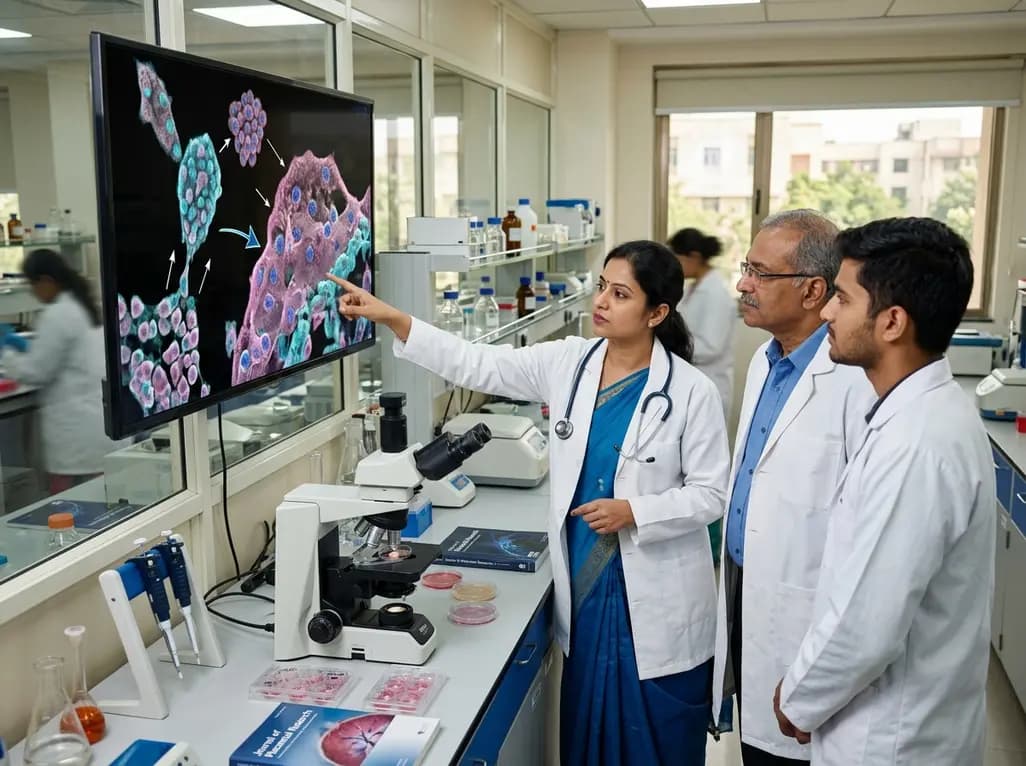
Recent research reveals that downregulating YAP1/TAZ-TEAD via Hippo signaling triggers spontaneous human trophoblast syncytialization in 3D cultures, illuminating placental biology and preeclampsia.
Last week
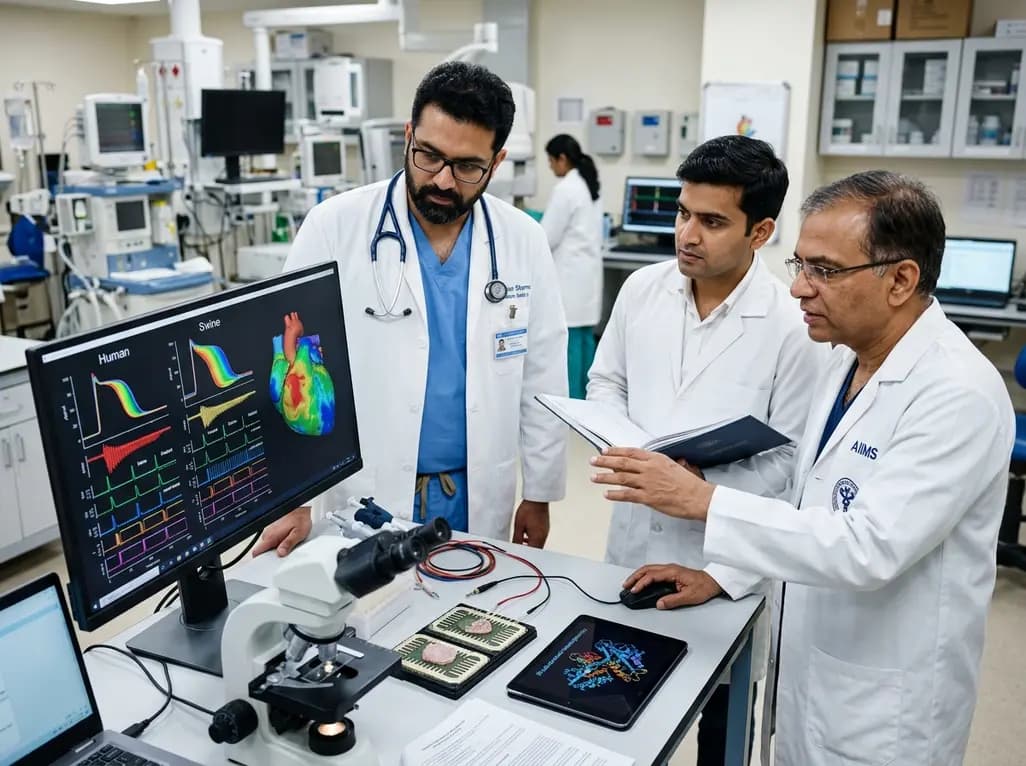
A landmark comparative study evaluates atrial electrophysiology across humans, swine, and rodents. By linking cellular recordings with transcriptomics and in silico modeling, researchers resolve cross-species gaps, explaining translational failures to advance targeted therapies for atrial arrhythmias.
Last week
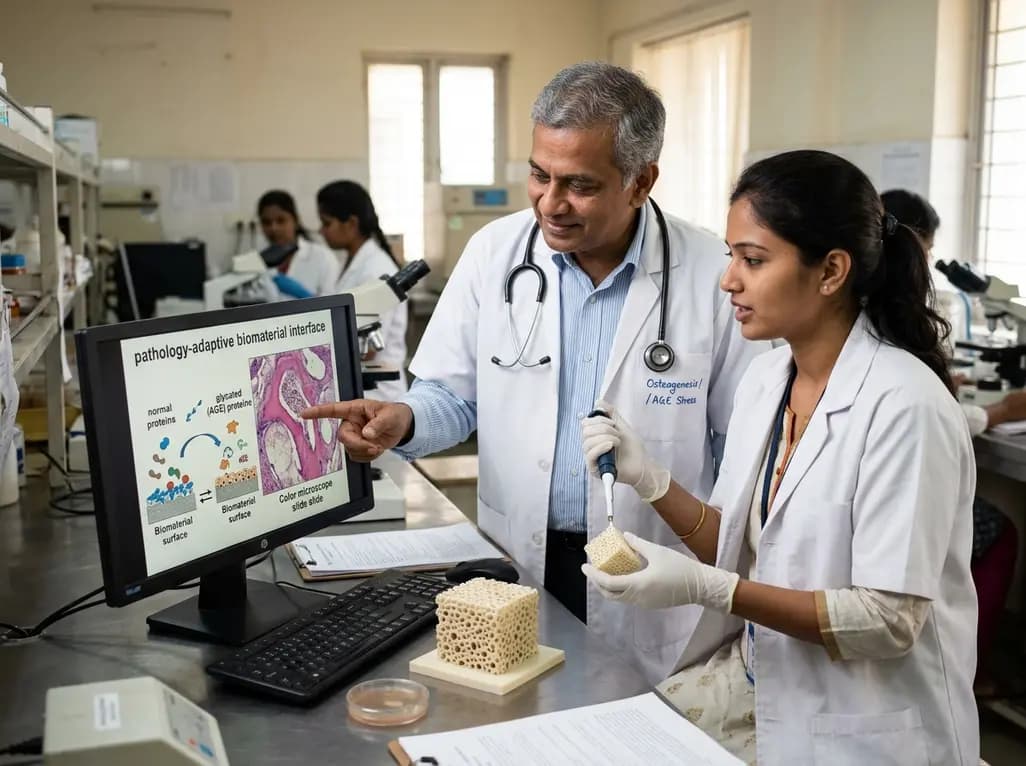
A novel pathology-adaptive surface engineering strategy uses functionalized plasma polymer coatings to selectively modulate AGE adsorption, reducing oxidative stress and restoring bone formation in diabetic and aging microenvironments.
last month
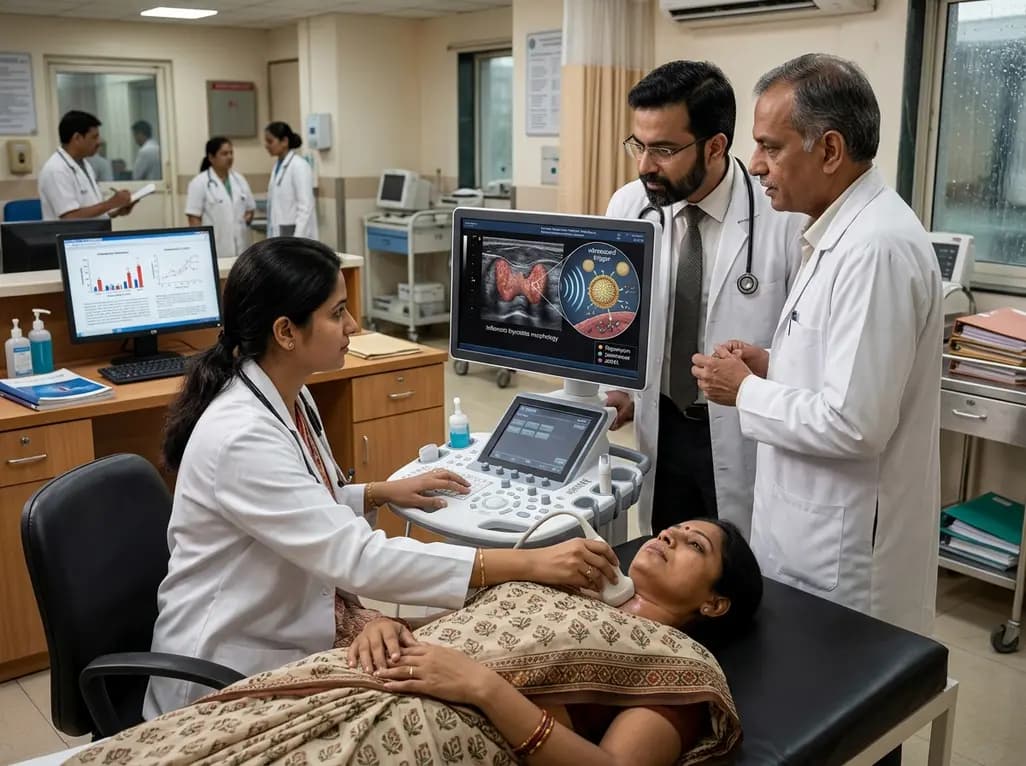
Researchers have developed an innovative ultrasound-responsive nano-contrast agent that co-delivers CIITA-siRNA and rapamycin directly to inflamed thyroid tissue, significantly reducing autoimmune injury and thyroid autoantibodies in preclinical models of Hashimoto thyroiditis.
Last week
