.webp&w=384&q=75)

Loading, please wait...
Loading, please wait...
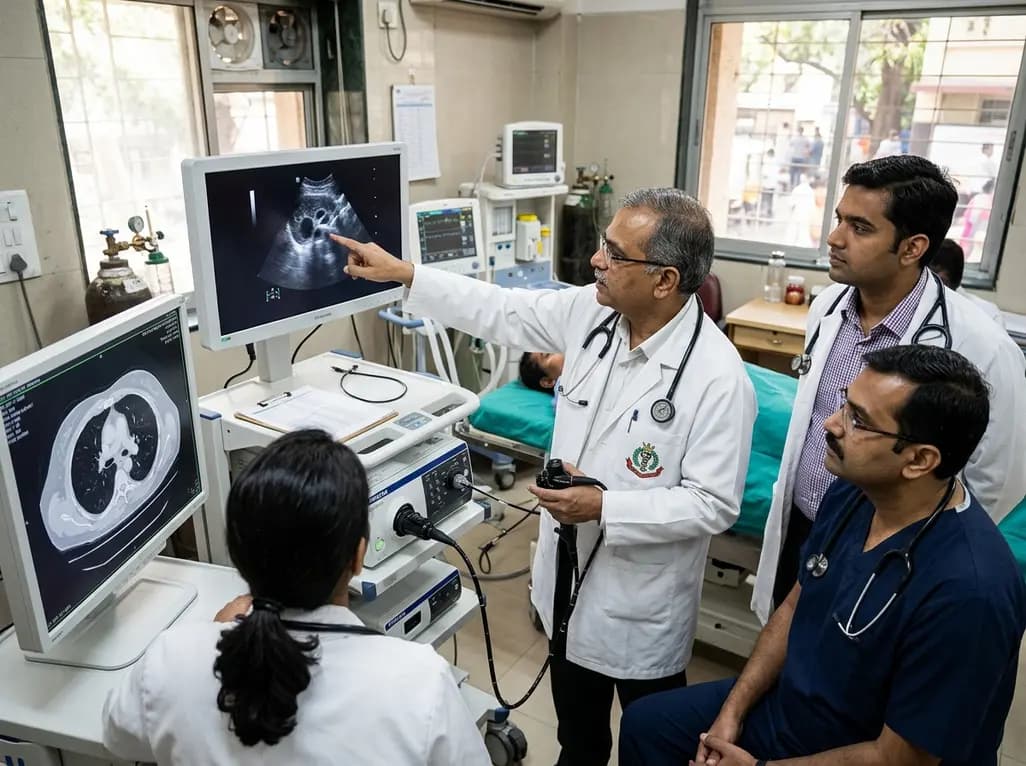
A systematic review and meta-analysis compared EBUS-TBNA with surgical mediastinoscopy for mediastinal lymph-node staging in lung cancer. The analysis found that EBUS-TBNA provides high diagnostic accuracy and can be used as an initial invasive staging test in many patients, with surgical approaches reserved for selected cases where the endoscopic result is nondiagnostic or insufficient for the clinical question. The value of the paper is practical: it supports an increasingly less invasive diagnostic pathway without sacrificing the core goal of accurate staging. In a multidisciplinary setting, this can shorten the path from imaging to tissue diagnosis and treatment planning. The findings also underscore the importance of operator experience, appropriate target selection, and a clear escalation strategy when sampling is negative but suspicion remains high. The evidence fits the conference’s repeated focus on EBUS, first-line staging, and the development of a stronger MDT habit. For clinicians in non-metro settings, the broader lesson is that establishing a reliable EBUS program can materially improve the local diagnostic pathway when expertise, pathology support, and referral links are built together.

Read summarized clinical updates, watch expert medical content, and earn CME certifications right from your smartphone.
Open your smartphone camera to scan and install.





A systematic review and meta-analysis compared EBUS-TBNA with surgical mediastinoscopy for mediastinal lymph-node staging in lung cancer. The analysis found that EBUS-TBNA provides high diagnostic accuracy and can be used as an initial invasive staging test in many patients, with surgical approaches reserved for selected cases where the endoscopic result is nondiagnostic or insufficient for the clinical question. The value of the paper is practical: it supports an increasingly less invasive diagnostic pathway without sacrificing the core goal of accurate staging. In a multidisciplinary setting, this can shorten the path from imaging to tissue diagnosis and treatment planning. The findings also underscore the importance of operator experience, appropriate target selection, and a clear escalation strategy when sampling is negative but suspicion remains high. The evidence fits the conference’s repeated focus on EBUS, first-line staging, and the development of a stronger MDT habit. For clinicians in non-metro settings, the broader lesson is that establishing a reliable EBUS program can materially improve the local diagnostic pathway when expertise, pathology support, and referral links are built together.
3 weeks back
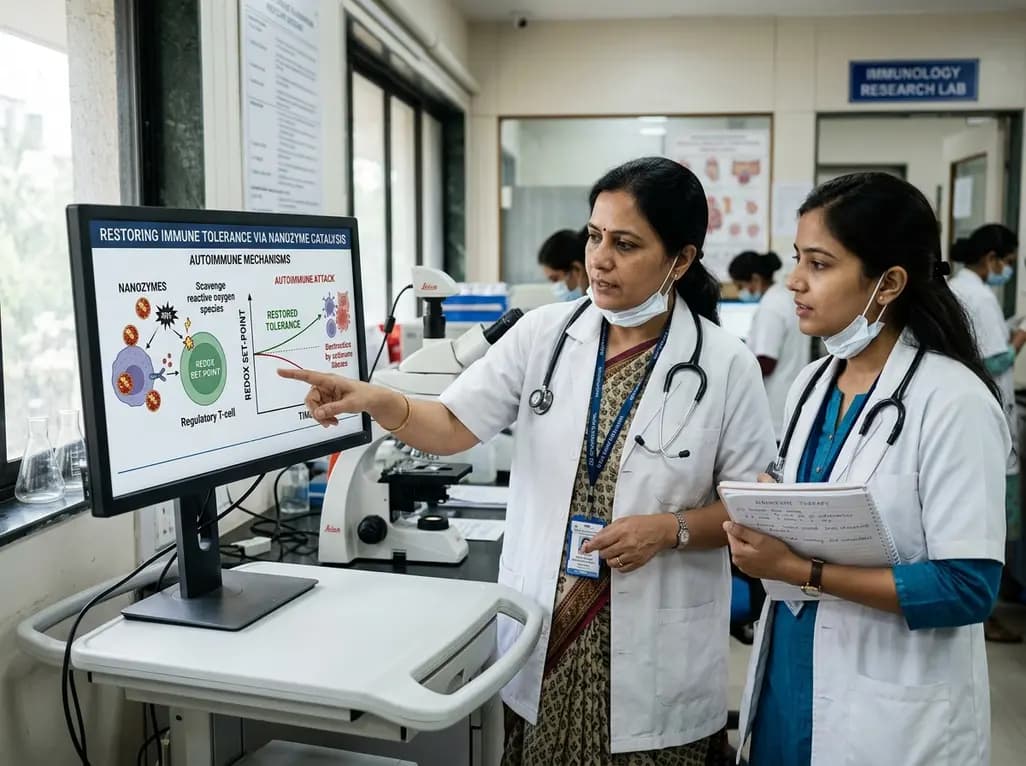
Discover how catalytic nanozymes redefine autoimmune disease therapy by establishing a physiological redox set-point to restore immune tolerance without broad immunosuppression.
Last week
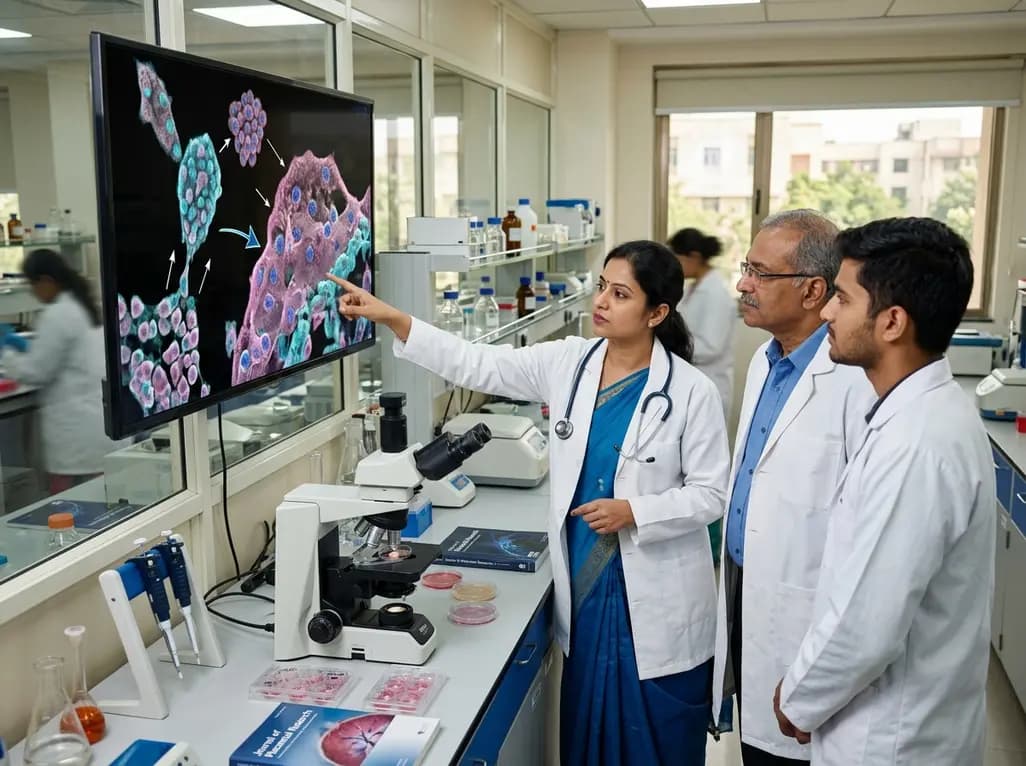
Recent research reveals that downregulating YAP1/TAZ-TEAD via Hippo signaling triggers spontaneous human trophoblast syncytialization in 3D cultures, illuminating placental biology and preeclampsia.
3 weeks back
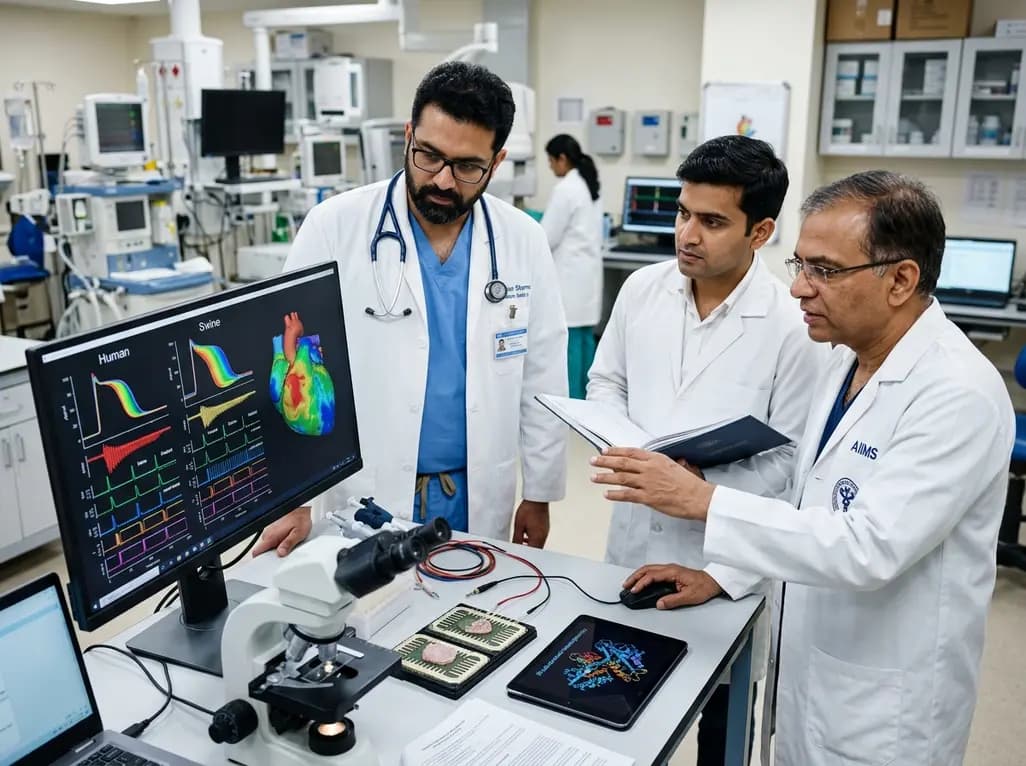
A landmark comparative study evaluates atrial electrophysiology across humans, swine, and rodents. By linking cellular recordings with transcriptomics and in silico modeling, researchers resolve cross-species gaps, explaining translational failures to advance targeted therapies for atrial arrhythmias.
3 weeks back
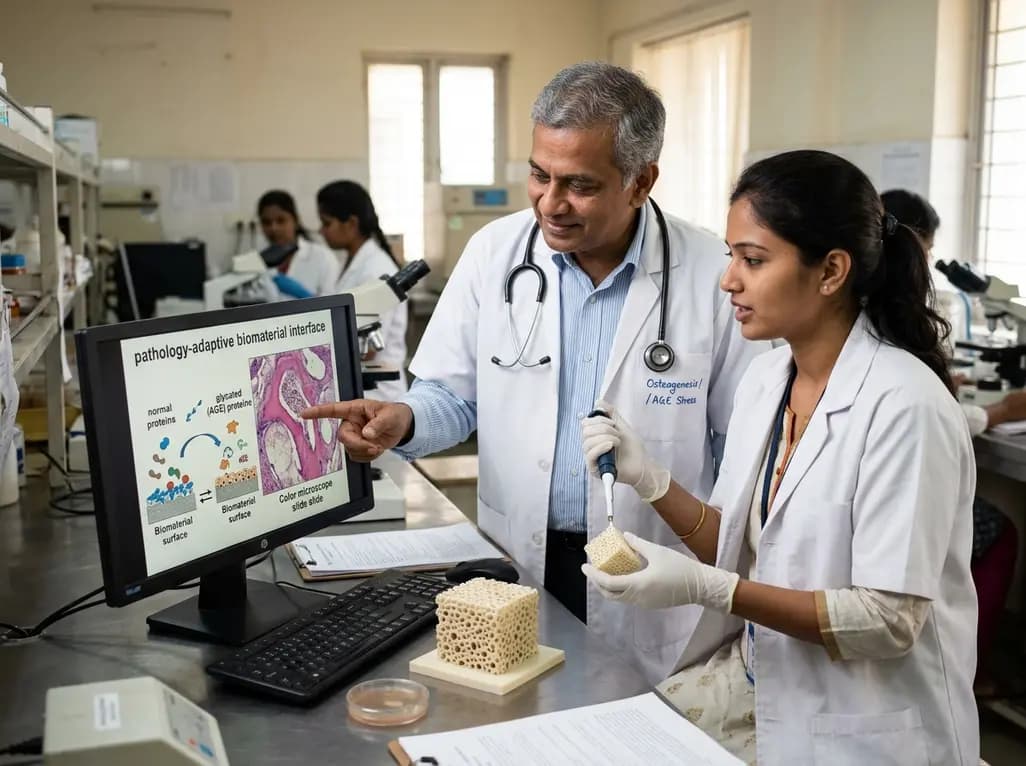
A novel pathology-adaptive surface engineering strategy uses functionalized plasma polymer coatings to selectively modulate AGE adsorption, reducing oxidative stress and restoring bone formation in diabetic and aging microenvironments.
last month
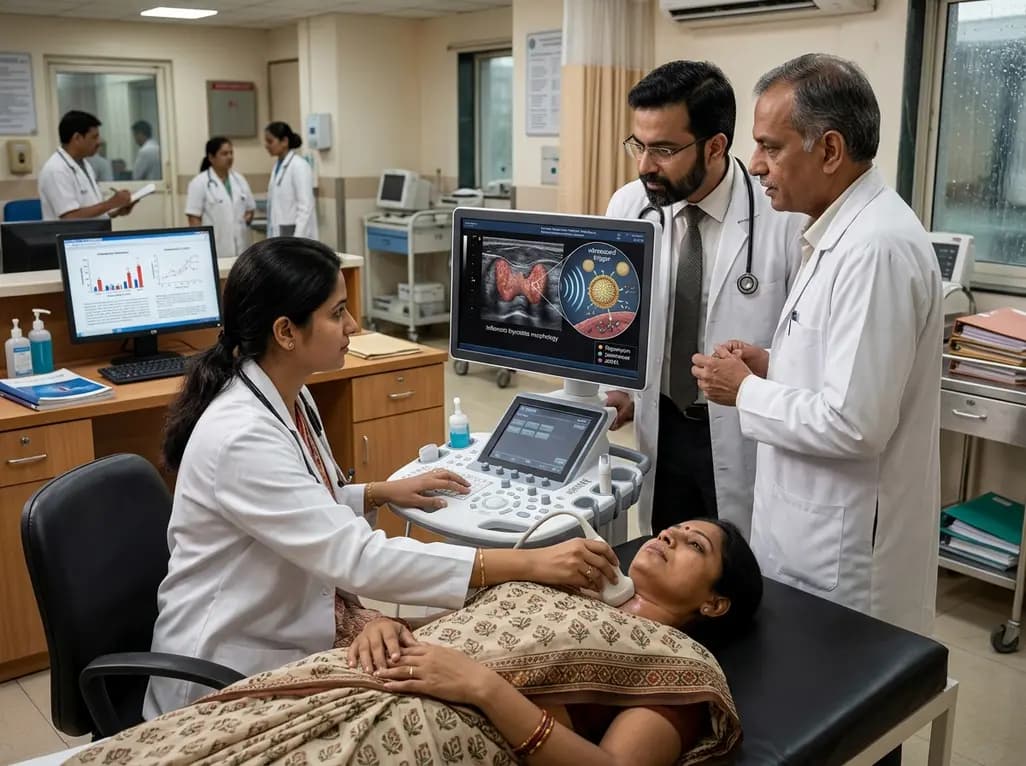
Researchers have developed an innovative ultrasound-responsive nano-contrast agent that co-delivers CIITA-siRNA and rapamycin directly to inflamed thyroid tissue, significantly reducing autoimmune injury and thyroid autoantibodies in preclinical models of Hashimoto thyroiditis.
3 weeks back
