.webp&w=384&q=75)

Loading, please wait...
Loading, please wait...
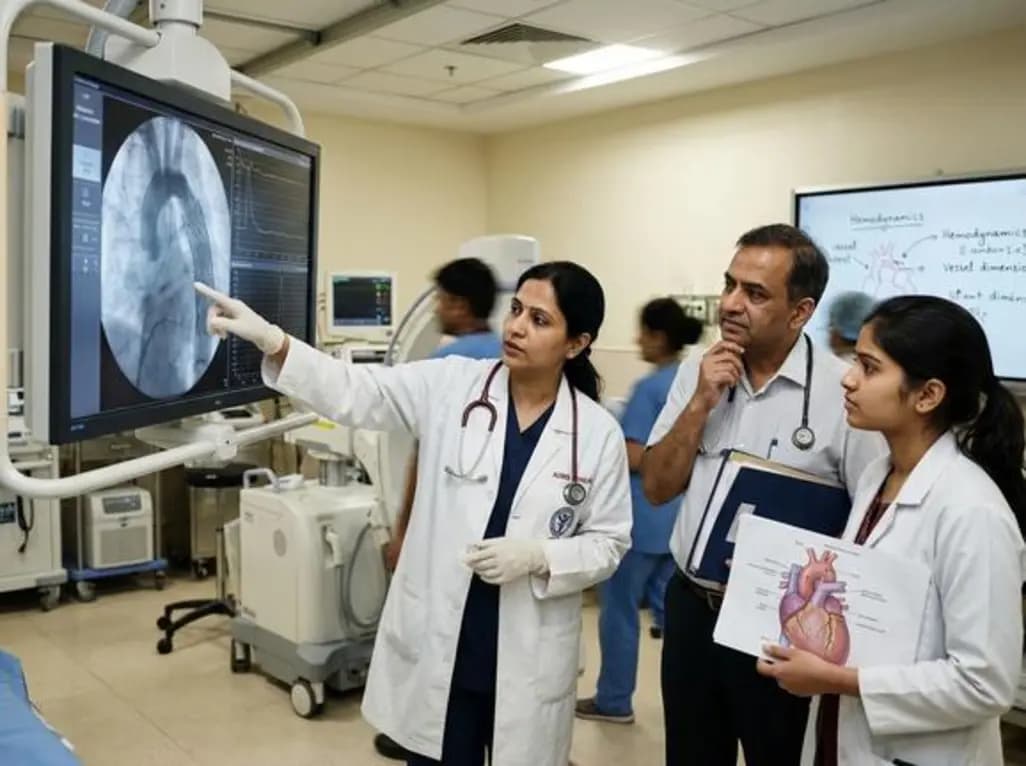
A recent longitudinal study has provided critical insights into the pathophysiologic consequences of early coarctation stenting. Researchers used a porcine model to evaluate cardiovascular responses following early intravascular treatment. By inducing surgical coarctation (COA) in neonatal swine, the team could observe changes from infancy to adult aortic diameters. This research is particularly significant for clinicians seeking to optimize long-term outcomes in pediatric patients.
The study involved 18 swine divided into three groups: shams, COA controls, and COA stents. For the stent group, implantation occurred at six weeks of age. Subsequently, serial dilations were performed at 12 and 20 weeks to match somatic growth. By the end of the study, the animals reached approximately 80 kg. This progression allowed for a comprehensive assessment of adult-sized aortic dimensions and cardiovascular health.
Successful stent implantation effectively eliminated the coarctation in all subjects. Furthermore, the procedure prevented the development of collateral circulation and post-stenotic dilation. Cardiac MRI confirmed that myocardial tissue characterization and ventricular function remained stable across all groups. These findings suggest that early intervention can successfully normalize catheter-derived hemodynamics and prevent adverse remodeling. Therefore, stenting appears to be a viable early-stage alternative to traditional surgical repairs.
Despite these benefits, the study highlighted significant structural alterations in the arterial walls. For instance, early coarctation stenting was associated with increased systemic arterial elastin content. However, researchers observed a narrowing in the descending aorta just distal to the stent. This specific segment showed decreased collagen content, likely due to stent shortening during growth. Moreover, four out of six animals developed peri-stent aneurysms, which required treatment with covered stents.
In conclusion, while the technique shows promise for achieving adult aortic dimensions, it requires careful monitoring. Additional stents may be necessary to address narrowing in adjacent vessel segments. Clinicians must weigh the immediate hemodynamic relief against the high frequency of aneurysm formation and histological changes in the vessel wall. Future technological improvements in stent flexibility may help mitigate these risks.
Early stenting effectively eliminates blood pressure gradients, prevents collateralization, and protects against adverse myocardial remodeling as the patient grows. This helps maintain stable ventricular function over time.
Aneurysms often develop due to mechanical stress on the vessel wall or histological changes, such as altered elastin and collagen content, following serial dilations of the stent.
Yes, serial dilations are required to ensure the stent diameter matches the patient\'s somatic growth. This process ensures the vessel eventually reaches appropriate adult aortic dimensions.
Disclaimer: This content is for informational and educational purposes only. It does not constitute professional medical advice, diagnosis, or treatment. Always seek the advice of your physician or other qualified healthcare provider with any questions you may have regarding a medical condition. Refer to the latest local and national guidelines for clinical practice.
References

Read summarized clinical updates, watch expert medical content, and earn CME certifications right from your smartphone.
Open your smartphone camera to scan and install.





A longitudinal porcine study reveals that early coarctation stenting with serial dilations effectively manages hemodynamics but carries risks like aneurysm formation and vessel wall changes. These findings are crucial for refining pediatric intervention strategies.
4 months ago

Depemokimab offers twice-yearly dosing for severe eosinophilic asthma and chronic rhinosinusitis with nasal polyps, significantly cutting exacerbations and hospital admissions.
3 days back

A novel copper metal-organic framework hydrogel remodels the uterine microenvironment to stimulate robust endometrial regeneration, reduce intrauterine fibrosis, and restore reproductive fertility, offering a groundbreaking strategy for managing refractory endometrial damage and Asherman syndrome.
3 days back
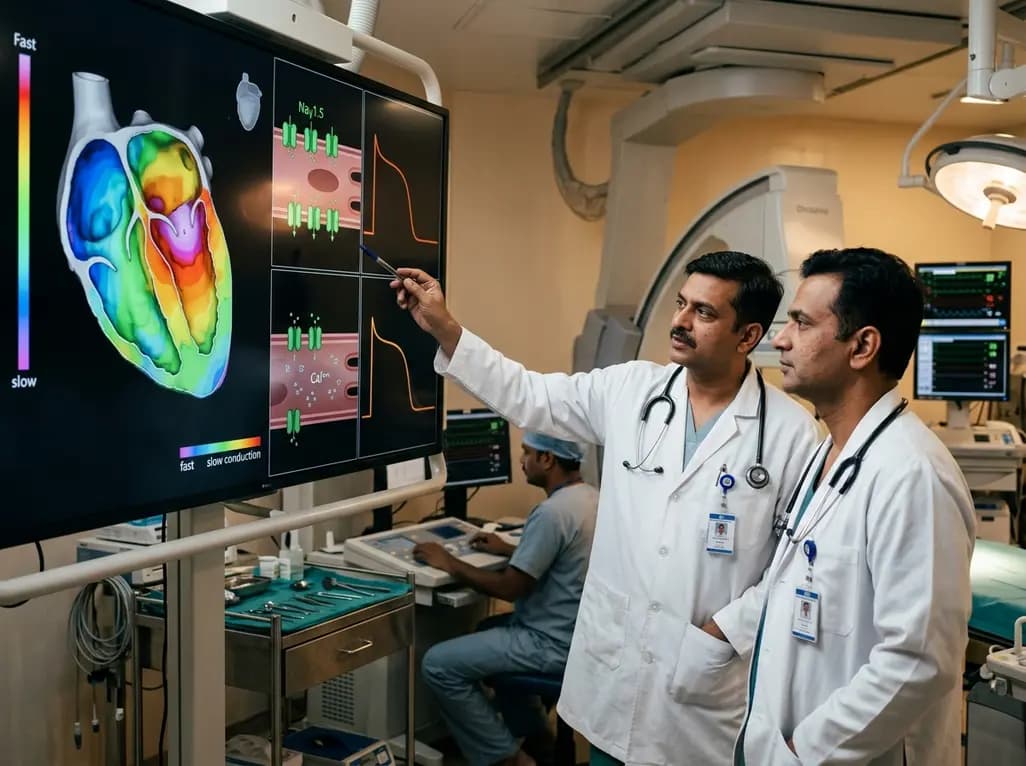
New research reveals that non-ablative radiotherapy suppresses ventricular tachycardia by increasing conduction velocity via NaV1.5 upregulation and action potential prolongation. However, sustained sodium current elevation and depressed calcium handling highlight the need for careful clinical translation.
5 days back

A single-cell transcriptomic atlas reveals how peripheral nerve injuries cause dorsal root ganglion remodeling. By evaluating proximal nerve crush and resection, researchers identify distinct glial and immune programs that resolve neuropathic pain and promote regeneration.
3 days back

A breakthrough study demonstrates that fullerol-primed extracellular vesicles generated in a 3D SECCS bioreactor attenuate ferroptosis and restore myogenic regeneration in diabetes via the FOXO3 pathway, offering a cell-free therapeutic strategy for diabetic musculoskeletal degeneration.
3 days back
