.webp&w=384&q=75)

Loading, please wait...
Loading, please wait...
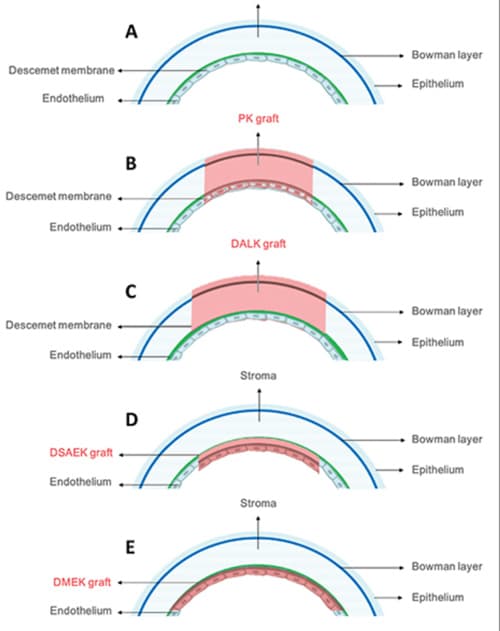
A systematic review and meta-analysis compared Descemet membrane endothelial keratoplasty (DMEK) with ultrathin DSAEK in patients with Fuchs endothelial dystrophy and bullous keratopathy. The comparison is clinically relevant because ultrathin grafts aim to narrow the visual-performance gap between traditional DSAEK and DMEK while retaining some of the handling advantages of a thicker endothelial graft. The evidence base evaluated visual acuity, endothelial cell density, and postoperative complications, particularly graft detachment and rebubbling. For surgeons, the decision is therefore not simply a question of choosing the thinnest possible graft. DMEK can offer excellent optical outcomes but may demand greater surgical expertise, while ultrathin DSAEK can provide a practical compromise in selected eyes. Patient anatomy, availability of donor tissue, surgeon experience, and the anticipated need for repeat manipulation should all be considered. The paper is especially relevant to wet-lab training because it highlights how graft thickness and tissue characteristics influence handling, unfolding, positioning, and postoperative behavior. A technically successful operation should ultimately be judged by the balance between visual rehabilitation, endothelial survival, and manageable postoperative risk.

Read summarized clinical updates, watch expert medical content, and earn CME certifications right from your smartphone.
Open your smartphone camera to scan and install.





A systematic review and meta-analysis compared Descemet membrane endothelial keratoplasty (DMEK) with ultrathin DSAEK in patients with Fuchs endothelial dystrophy and bullous keratopathy. The comparison is clinically relevant because ultrathin grafts aim to narrow the visual-performance gap between traditional DSAEK and DMEK while retaining some of the handling advantages of a thicker endothelial graft. The evidence base evaluated visual acuity, endothelial cell density, and postoperative complications, particularly graft detachment and rebubbling. For surgeons, the decision is therefore not simply a question of choosing the thinnest possible graft. DMEK can offer excellent optical outcomes but may demand greater surgical expertise, while ultrathin DSAEK can provide a practical compromise in selected eyes. Patient anatomy, availability of donor tissue, surgeon experience, and the anticipated need for repeat manipulation should all be considered. The paper is especially relevant to wet-lab training because it highlights how graft thickness and tissue characteristics influence handling, unfolding, positioning, and postoperative behavior. A technically successful operation should ultimately be judged by the balance between visual rehabilitation, endothelial survival, and manageable postoperative risk.
4 weeks back

Discover how catalytic nanozymes redefine autoimmune disease therapy by establishing a physiological redox set-point to restore immune tolerance without broad immunosuppression.
Last week
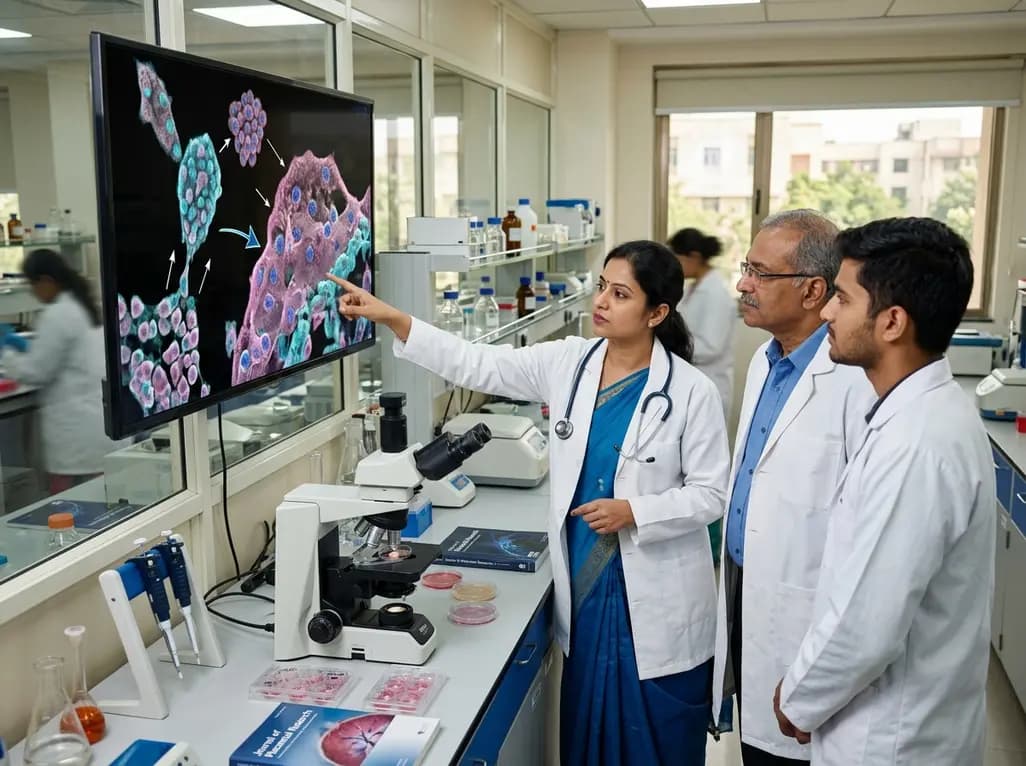
Recent research reveals that downregulating YAP1/TAZ-TEAD via Hippo signaling triggers spontaneous human trophoblast syncytialization in 3D cultures, illuminating placental biology and preeclampsia.
3 weeks back

A landmark comparative study evaluates atrial electrophysiology across humans, swine, and rodents. By linking cellular recordings with transcriptomics and in silico modeling, researchers resolve cross-species gaps, explaining translational failures to advance targeted therapies for atrial arrhythmias.
3 weeks back

A novel pathology-adaptive surface engineering strategy uses functionalized plasma polymer coatings to selectively modulate AGE adsorption, reducing oxidative stress and restoring bone formation in diabetic and aging microenvironments.
last month
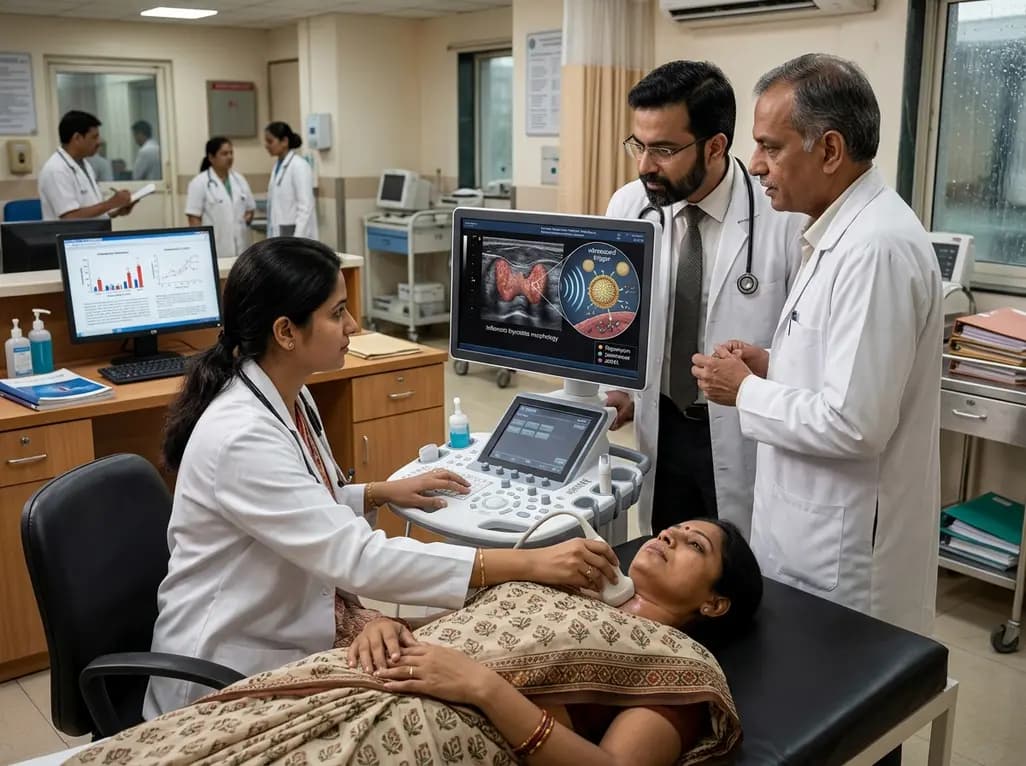
Researchers have developed an innovative ultrasound-responsive nano-contrast agent that co-delivers CIITA-siRNA and rapamycin directly to inflamed thyroid tissue, significantly reducing autoimmune injury and thyroid autoantibodies in preclinical models of Hashimoto thyroiditis.
3 weeks back
