.webp&w=384&q=75)

Loading, please wait...
Loading, please wait...
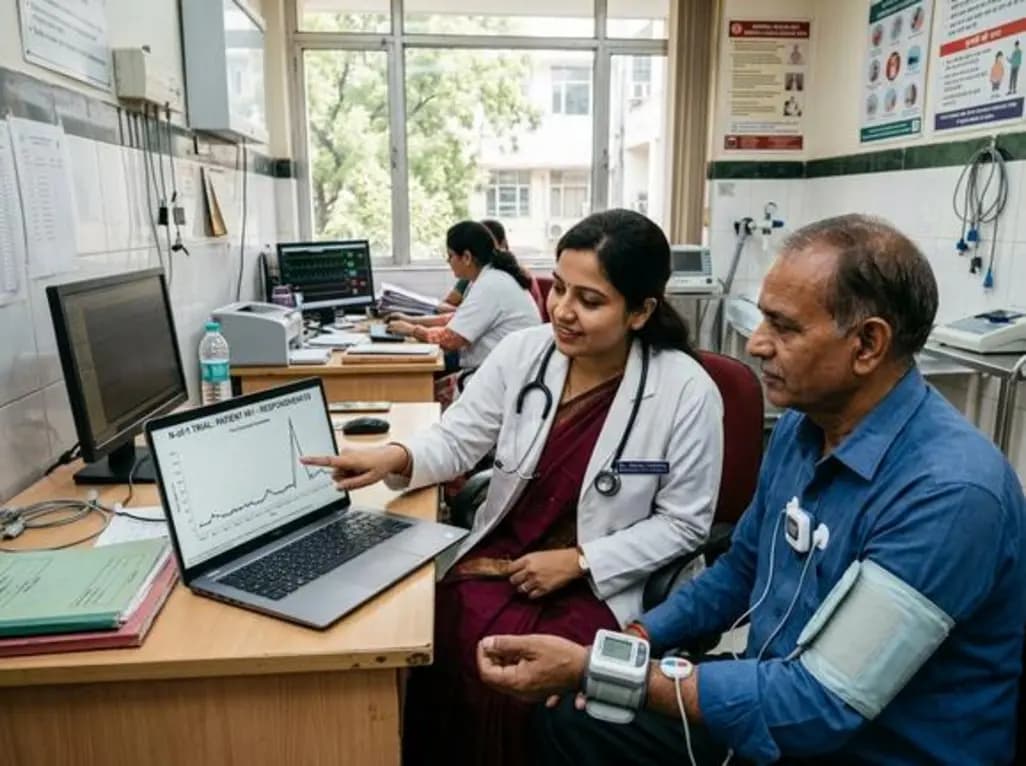
Researchers have long struggled with the limitations of group-based studies in experimental physiology. Traditional designs often fail to capture individual variability. Consequently, Digital N-of-1 trials emerge as a powerful alternative for personalized medicine. These trials treat a single individual as the entire study population. Therefore, physicians can observe the precise effect of an intervention on a specific patient. Digital platforms now make these complex designs easier to implement than ever before.
These trials typically use a multiple crossover design where participants switch between treatment and control phases. Because the patient acts as their own control, researchers significantly reduce the statistical noise common in group studies. Furthermore, modern digital tools allow for continuous data collection without heavy burden. Wearable sensors and smartphone apps track physiological markers in real-time. This provides a high-resolution view of the patient's unique biological response to an intervention.
The primary benefit lies in drawing statistical inference at the individual level. Historically, clinicians applied average group results to all patients. However, many individuals do not respond to treatments in a typical way. N-of-1 trials address this gap by focusing on the individual first. Moreover, researchers can aggregate results from multiple single-subject studies to provide broader insights. This process generates population-level data more efficiently than standard randomized trials.
Interpreting N-of-1 data requires specific statistical methods. Experts often use Bayesian models to analyze the repeated measurements within a single person. This approach accounts for autocorrelation and provides a clear probability of treatment success. Additionally, digital tools simplify the visualization of these results. Consequently, both researchers and participants can better understand the data. This transparency fosters greater engagement and trust in the experimental process.
These trials offer personalized evidence by using the patient as their own control. They provide high-resolution data on individual treatment responses, which standard group trials often miss.
Digital tools like mobile apps and wearable sensors allow for continuous, real-time data collection. This reduces the burden on participants while increasing the accuracy of physiological measurements.
Disclaimer: This content is for informational and educational purposes only. It does not constitute medical advice or a professional relationship. Always seek the advice of your physician or other qualified health provider with any questions you may have regarding a medical condition. Refer to the latest local and national guidelines for clinical practice.
References
Konigorski S et al. Digital N-of-1 trials and their application in experimental physiology. Exp Physiol. 2026 Jun 19. doi: 10.1113/EP092753. PMID: 42318774.
Samuel JP et al. N-of-1 trials: The epitome of personalized medicine? J Clin Transl Sci. 2023 Jul 3. doi: 10.1017/cts.2023.583.
Cook CE. N-of-1 Trials. Are They Appropriate for Evaluating Physical Therapy Interventions? Center of Excellence. 2026 Feb 22.

Read summarized clinical updates, watch expert medical content, and earn CME certifications right from your smartphone.
Open your smartphone camera to scan and install.





Digital N-of-1 trials are innovative study designs using single participants as their own controls. This approach provides precise individual-level data and efficient population insights, especially when aided by modern digital monitoring tools in experimental physiology settings.
4 months ago

Depemokimab offers twice-yearly dosing for severe eosinophilic asthma and chronic rhinosinusitis with nasal polyps, significantly cutting exacerbations and hospital admissions.
4 days back

A novel copper metal-organic framework hydrogel remodels the uterine microenvironment to stimulate robust endometrial regeneration, reduce intrauterine fibrosis, and restore reproductive fertility, offering a groundbreaking strategy for managing refractory endometrial damage and Asherman syndrome.
4 days back
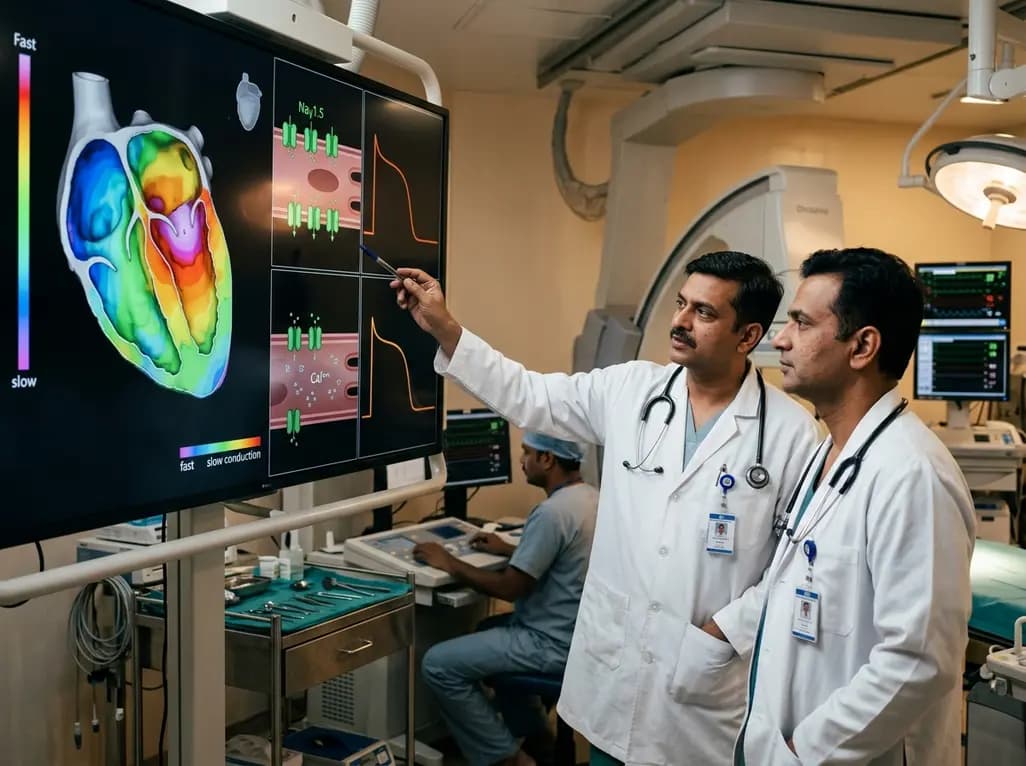
New research reveals that non-ablative radiotherapy suppresses ventricular tachycardia by increasing conduction velocity via NaV1.5 upregulation and action potential prolongation. However, sustained sodium current elevation and depressed calcium handling highlight the need for careful clinical translation.
6 days back
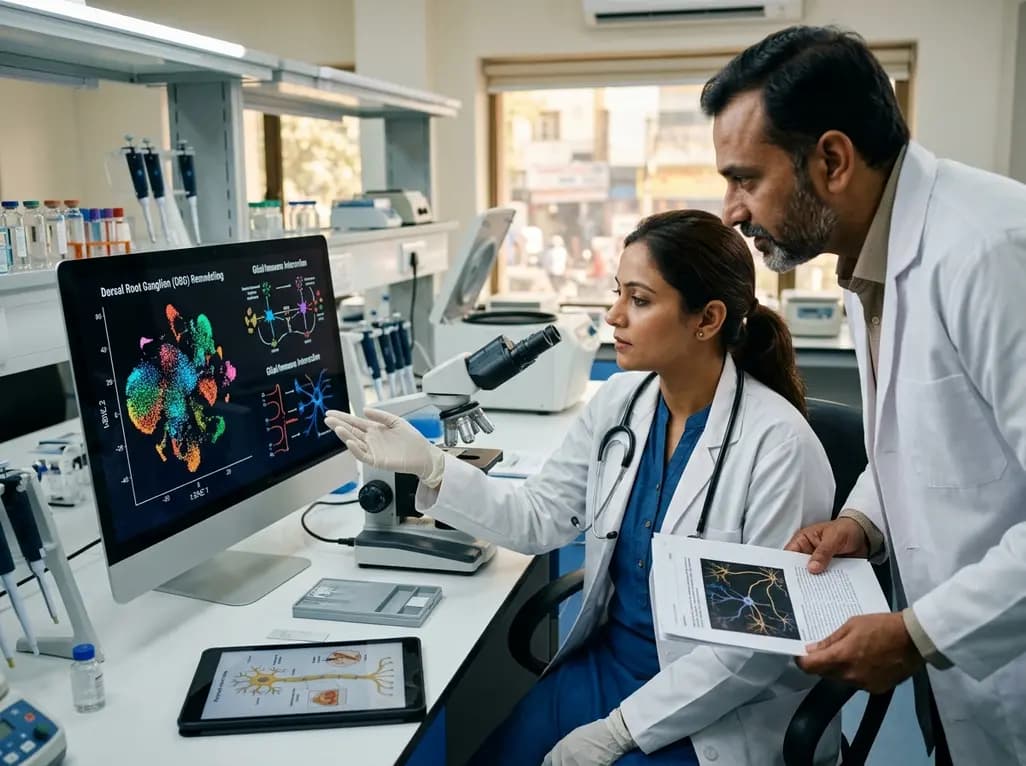
A single-cell transcriptomic atlas reveals how peripheral nerve injuries cause dorsal root ganglion remodeling. By evaluating proximal nerve crush and resection, researchers identify distinct glial and immune programs that resolve neuropathic pain and promote regeneration.
4 days back
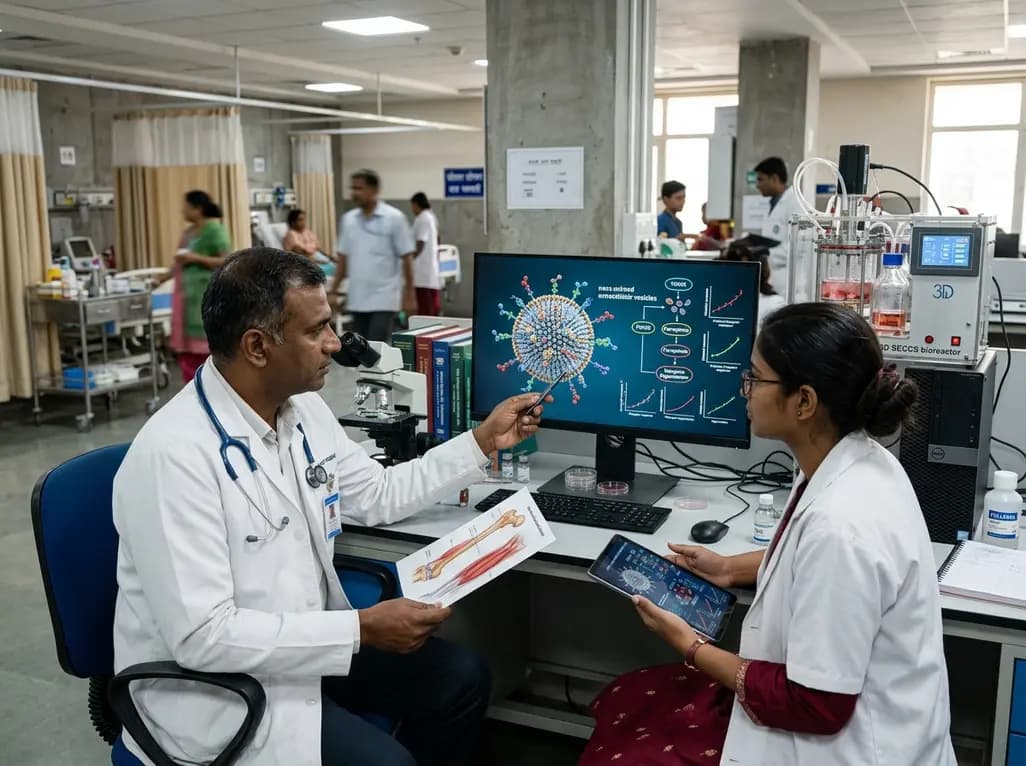
A breakthrough study demonstrates that fullerol-primed extracellular vesicles generated in a 3D SECCS bioreactor attenuate ferroptosis and restore myogenic regeneration in diabetes via the FOXO3 pathway, offering a cell-free therapeutic strategy for diabetic musculoskeletal degeneration.
4 days back
