.webp&w=384&q=75)

Loading, please wait...
Loading, please wait...
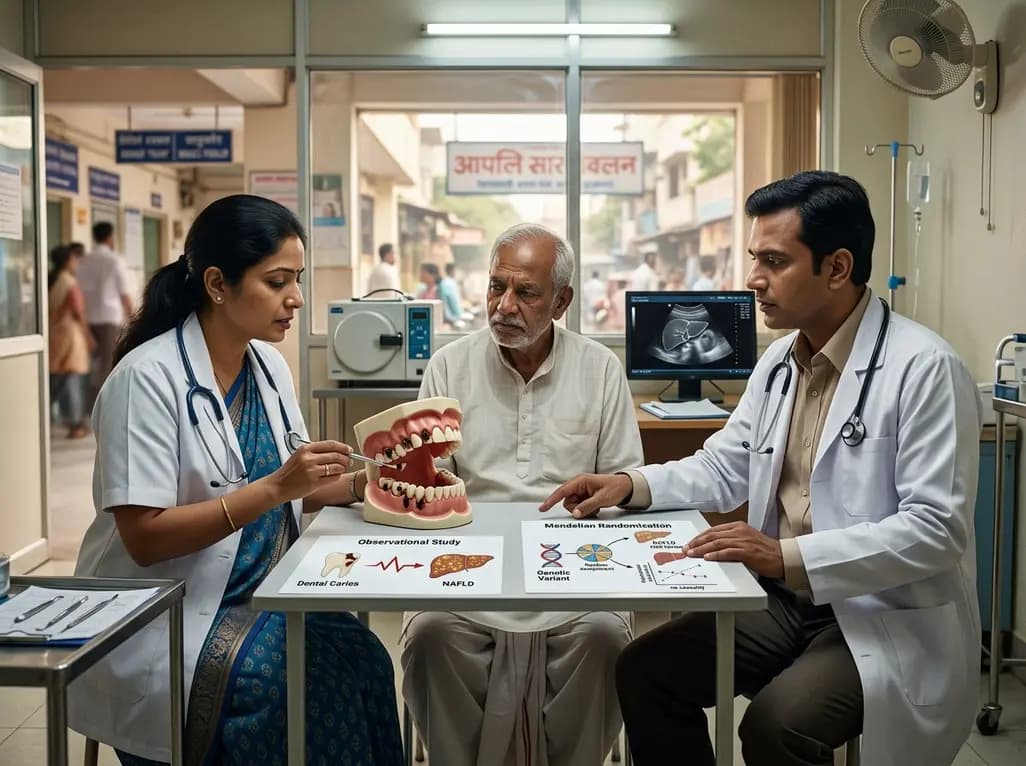
Research continues to explore the complex interactions between oral health and systemic diseases. A recent study investigated the potential association between dental caries and NAFLD (non-alcoholic fatty liver disease) along with its progression to liver fibrosis. While metabolic disorders often coexist with poor oral hygiene, determining a direct cause-and-effect relationship remains a scientific challenge for clinicians. Consequently, researchers utilized data from the National Health and Nutrition Examination Survey (NHANES) alongside Mendelian Randomization to clarify this link.
The observational portion of the study included 6,650 participants. Researchers analyzed the relationship between untreated dental caries (UDC) and liver conditions. Specifically, they adjusted for demographics, lifestyle, and medical history to ensure accuracy. The findings initially suggested a strong correlation. For instance, UDC showed a notable association with NAFLD and significant liver fibrosis. Conversely, patients with existing liver conditions appeared more likely to have untreated dental decay. These results highlights the importance of integrated health screenings.
To move beyond simple association, the study employed a bidirectional two-sample Mendelian Randomization (MR) analysis. This method helps determine if dental caries and NAFLD share a causal pathway. Interestingly, the MR results diverged from the observational findings. The analysis indicated that dental caries does not pose a statistically significant causal risk for liver conditions. Furthermore, liver conditions demonstrated a non-significant protective effect on dental health. This suggests that while the conditions often appear together, one may not directly cause the other.
For healthcare providers in India, these findings emphasize the necessity of holistic patient management. Although a direct causal link is absent, the association remains clinically relevant. Patients with metabolic syndromes or chronic liver disease often present with poor oral health. Therefore, clinicians should encourage regular dental check-ups as part of a comprehensive care plan for patients with NAFLD. Moreover, addressing shared risk factors like high sugar intake and poor nutrition can benefit both oral and hepatic outcomes.
No, while observational studies show they often occur together, Mendelian Randomization analysis suggests there is no direct causal relationship between dental caries and NAFLD or liver fibrosis.
The association is likely due to shared risk factors, such as poor diet, high sugar consumption, and underlying metabolic issues, rather than one condition directly causing the other.
Yes, because observational data indicates a significant association between the two, integrated care and regular dental visits are recommended to improve overall health outcomes for these patients.
Disclaimer: This content is for informational and educational purposes only and does not constitute professional medical advice, diagnosis, or treatment. Always seek the advice of your physician or other qualified health provider with any questions you may have regarding a medical condition. Refer to the latest local and national guidelines for clinical practice.
References
Xu L et al. The Reciprocal Risk Relationship of Dental Caries with NAFLD and Liver Fibrosis: Combined Evidence from the NHANES Study and Mendelian Randomization Analysis. Oral Health Prev Dent. 2026 Jun 17. doi: 10.3290/j.ohpd.c_2714. PMID: 42306875.

Read summarized clinical updates, watch expert medical content, and earn CME certifications right from your smartphone.
Open your smartphone camera to scan and install.





A comprehensive study explores the association between untreated dental caries and liver conditions like NAFLD and fibrosis. While observational data shows a significant link, Mendelian Randomization suggests no direct causal relationship, offering new perspectives for multidisciplinary care.
4 months ago

Depemokimab offers twice-yearly dosing for severe eosinophilic asthma and chronic rhinosinusitis with nasal polyps, significantly cutting exacerbations and hospital admissions.
3 days back
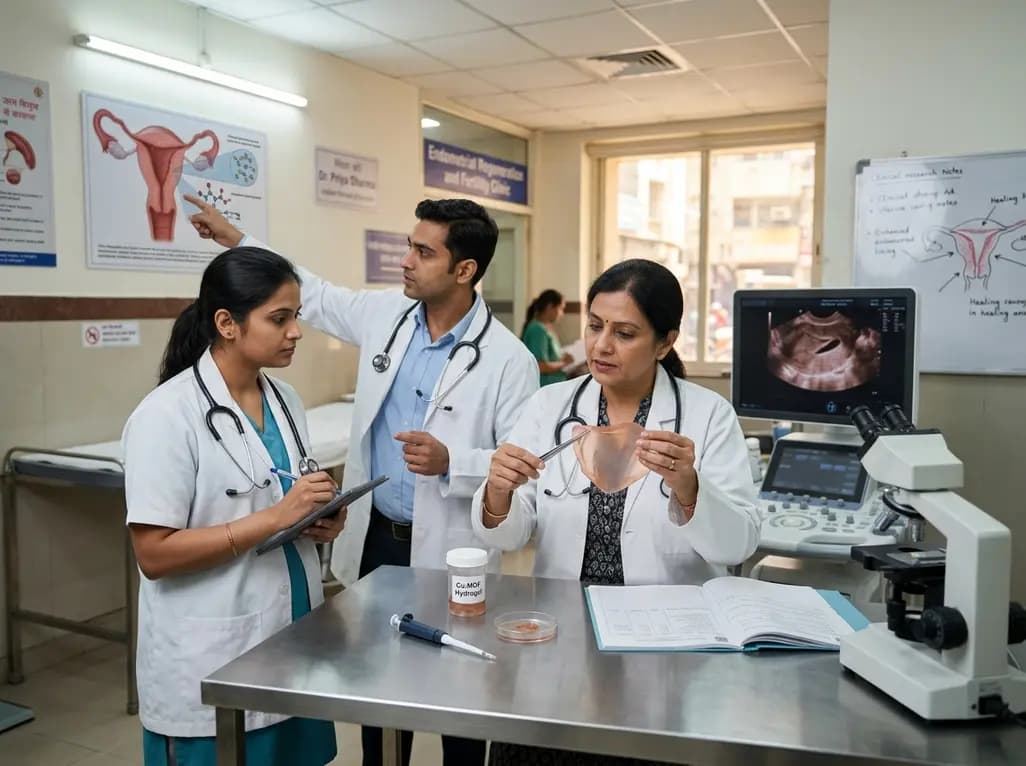
A novel copper metal-organic framework hydrogel remodels the uterine microenvironment to stimulate robust endometrial regeneration, reduce intrauterine fibrosis, and restore reproductive fertility, offering a groundbreaking strategy for managing refractory endometrial damage and Asherman syndrome.
4 days back
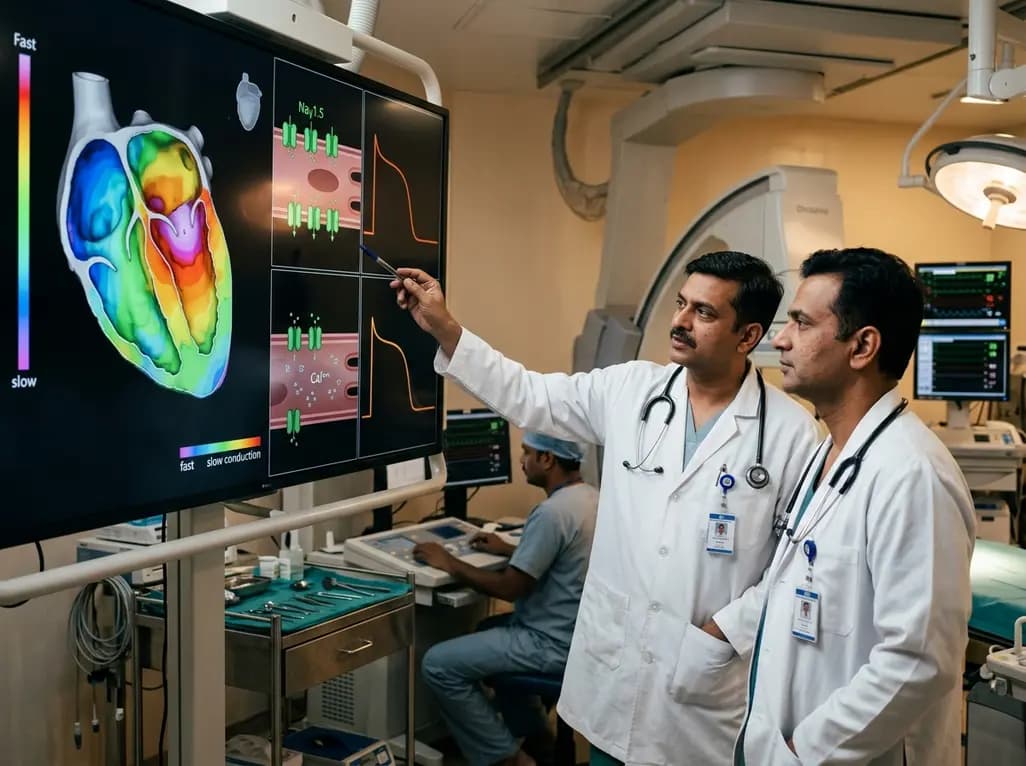
New research reveals that non-ablative radiotherapy suppresses ventricular tachycardia by increasing conduction velocity via NaV1.5 upregulation and action potential prolongation. However, sustained sodium current elevation and depressed calcium handling highlight the need for careful clinical translation.
6 days back

A single-cell transcriptomic atlas reveals how peripheral nerve injuries cause dorsal root ganglion remodeling. By evaluating proximal nerve crush and resection, researchers identify distinct glial and immune programs that resolve neuropathic pain and promote regeneration.
4 days back

A breakthrough study demonstrates that fullerol-primed extracellular vesicles generated in a 3D SECCS bioreactor attenuate ferroptosis and restore myogenic regeneration in diabetes via the FOXO3 pathway, offering a cell-free therapeutic strategy for diabetic musculoskeletal degeneration.
4 days back
