.webp&w=384&q=75)

Loading, please wait...
Loading, please wait...
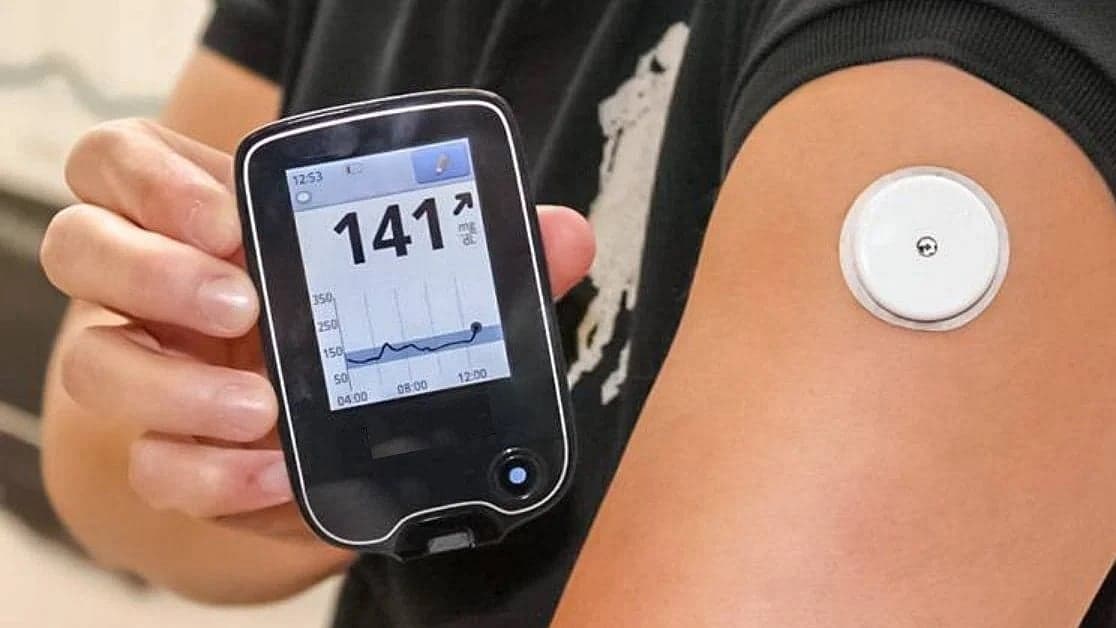
Randomized evidence has shown that continuous glucose monitoring (CGM) can improve glycemic control in adults with type 2 diabetes treated with basal insulin, particularly when the technology is integrated into routine clinical follow-up. CGM provides trend information, time-in-range data and alerts that are not available from intermittent finger-stick measurements alone. For internists, this can change the conversation from a small number of isolated glucose readings to an ongoing profile of glycemic variability and treatment response. The value is greatest when patients understand how to interpret trends and clinicians have a plan for reviewing and acting on the data. CGM does not automatically improve outcomes if the information is not translated into treatment decisions, and access, affordability and digital literacy remain barriers. In older adults or patients with complex regimens, individualized alarm settings and education are particularly important. The broader significance is that diabetes technology increasingly functions as a clinical-management tool rather than merely a monitoring device. This aligns with APICON's focus on wearables and digital health, where the central question is how technology improves decisions and patient behavior rather than simply generating more data.

Read summarized clinical updates, watch expert medical content, and earn CME certifications right from your smartphone.
Open your smartphone camera to scan and install.





Randomized evidence has shown that continuous glucose monitoring (CGM) can improve glycemic control in adults with type 2 diabetes treated with basal insulin, particularly when the technology is integrated into routine clinical follow-up. CGM provides trend information, time-in-range data and alerts that are not available from intermittent finger-stick measurements alone. For internists, this can change the conversation from a small number of isolated glucose readings to an ongoing profile of glycemic variability and treatment response. The value is greatest when patients understand how to interpret trends and clinicians have a plan for reviewing and acting on the data. CGM does not automatically improve outcomes if the information is not translated into treatment decisions, and access, affordability and digital literacy remain barriers. In older adults or patients with complex regimens, individualized alarm settings and education are particularly important. The broader significance is that diabetes technology increasingly functions as a clinical-management tool rather than merely a monitoring device. This aligns with APICON's focus on wearables and digital health, where the central question is how technology improves decisions and patient behavior rather than simply generating more data.
3 weeks back
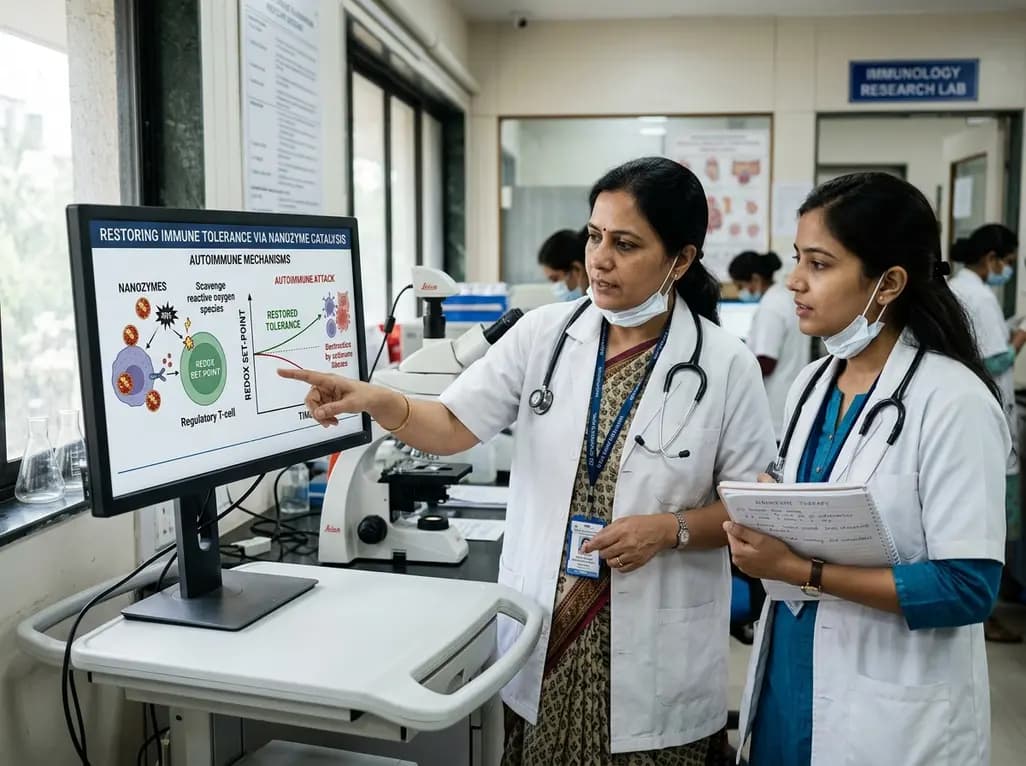
Discover how catalytic nanozymes redefine autoimmune disease therapy by establishing a physiological redox set-point to restore immune tolerance without broad immunosuppression.
Last week
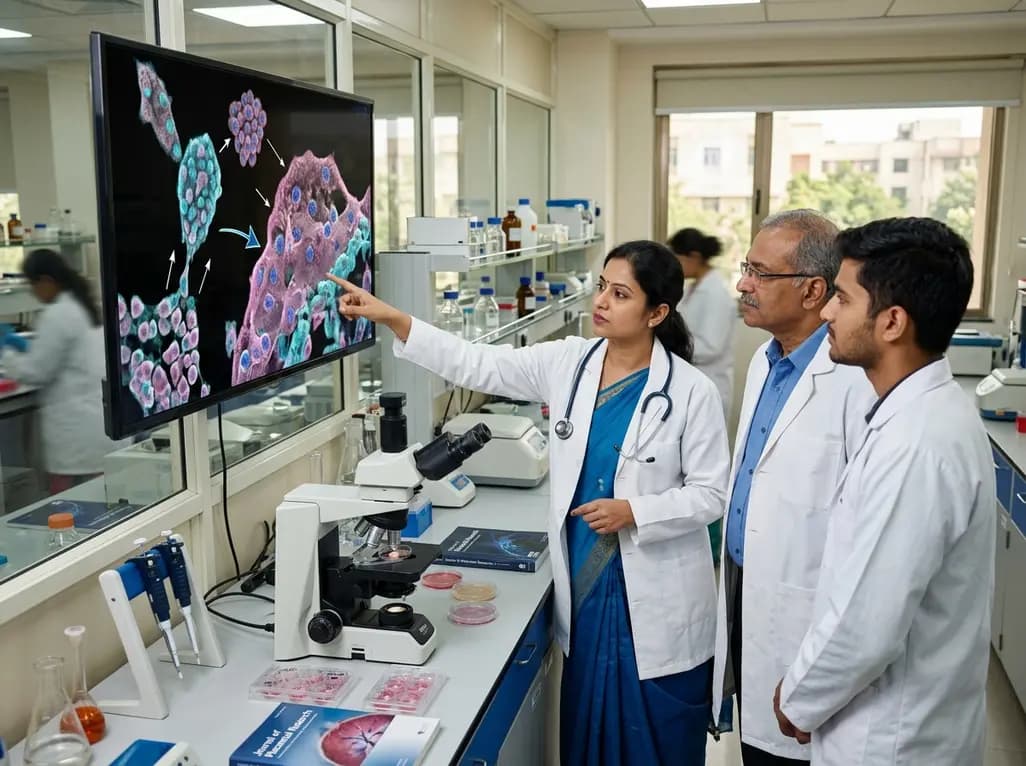
Recent research reveals that downregulating YAP1/TAZ-TEAD via Hippo signaling triggers spontaneous human trophoblast syncytialization in 3D cultures, illuminating placental biology and preeclampsia.
3 weeks back
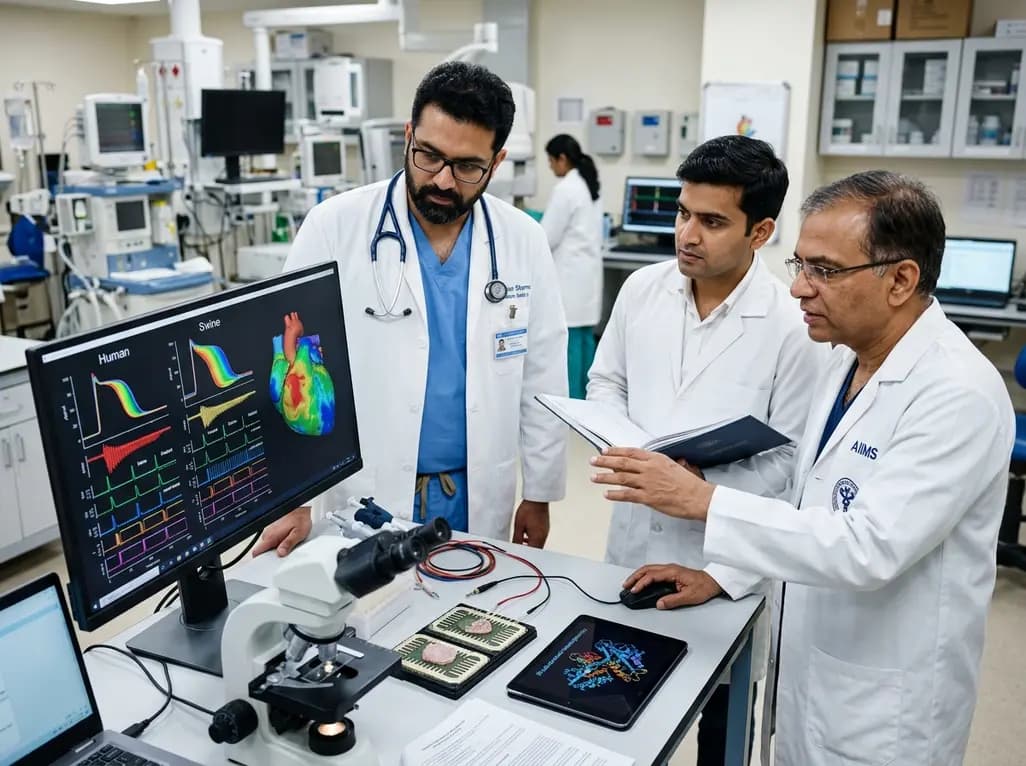
A landmark comparative study evaluates atrial electrophysiology across humans, swine, and rodents. By linking cellular recordings with transcriptomics and in silico modeling, researchers resolve cross-species gaps, explaining translational failures to advance targeted therapies for atrial arrhythmias.
3 weeks back
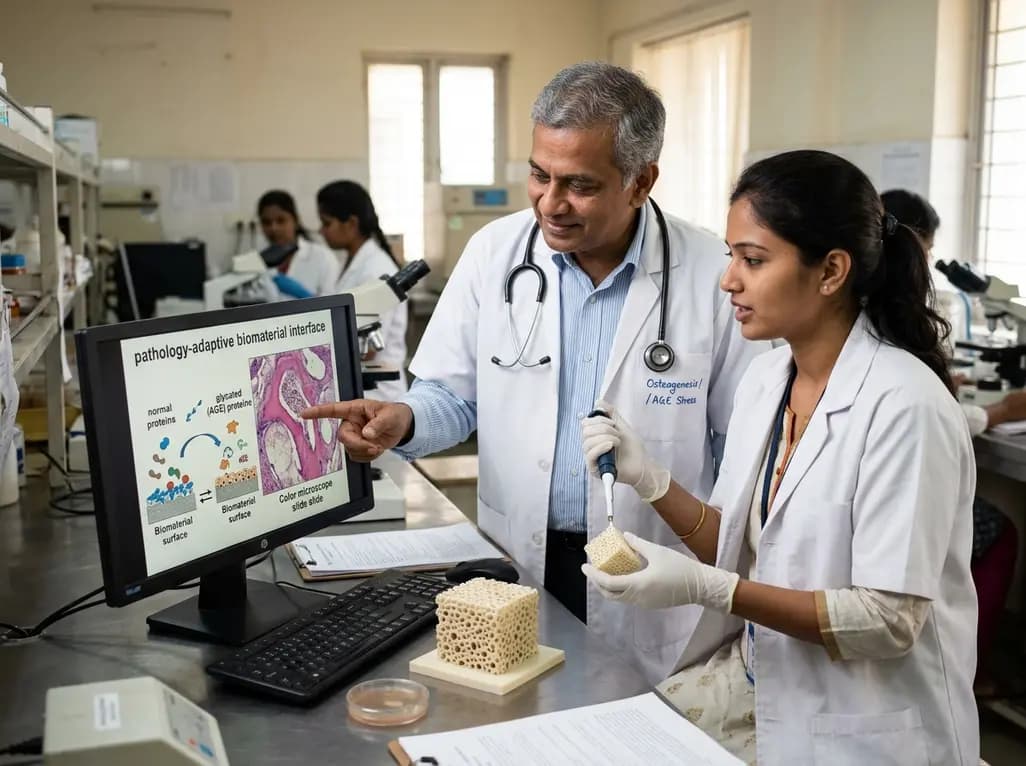
A novel pathology-adaptive surface engineering strategy uses functionalized plasma polymer coatings to selectively modulate AGE adsorption, reducing oxidative stress and restoring bone formation in diabetic and aging microenvironments.
last month
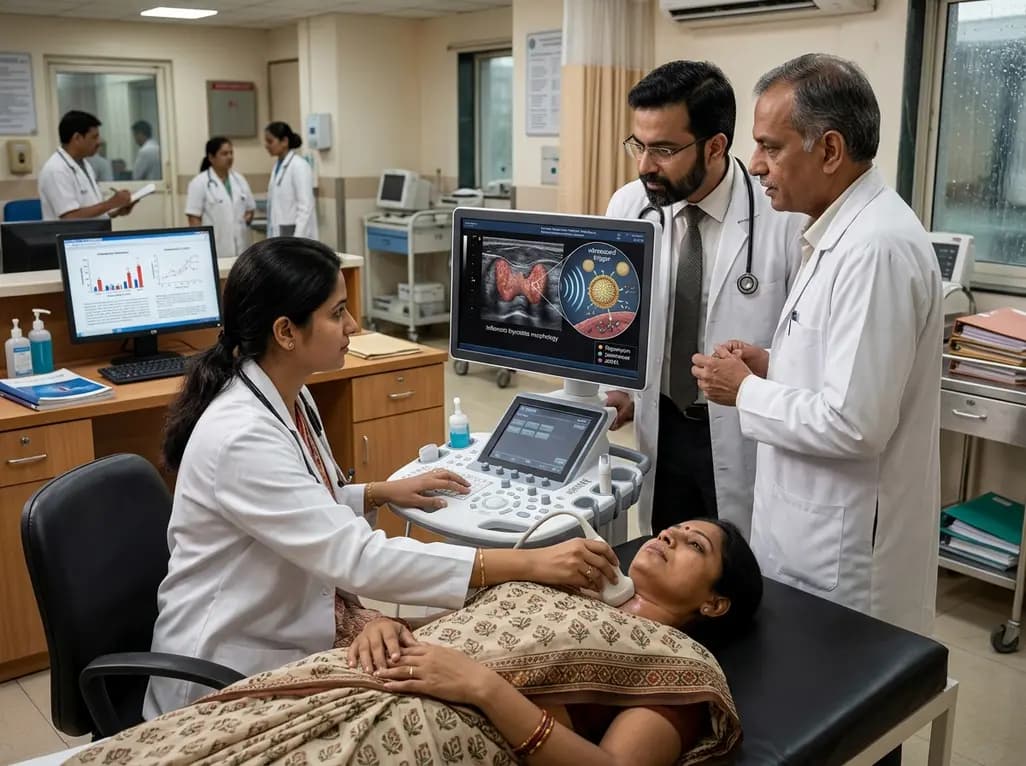
Researchers have developed an innovative ultrasound-responsive nano-contrast agent that co-delivers CIITA-siRNA and rapamycin directly to inflamed thyroid tissue, significantly reducing autoimmune injury and thyroid autoantibodies in preclinical models of Hashimoto thyroiditis.
3 weeks back
