.webp&w=384&q=75)

Loading, please wait...
Loading, please wait...
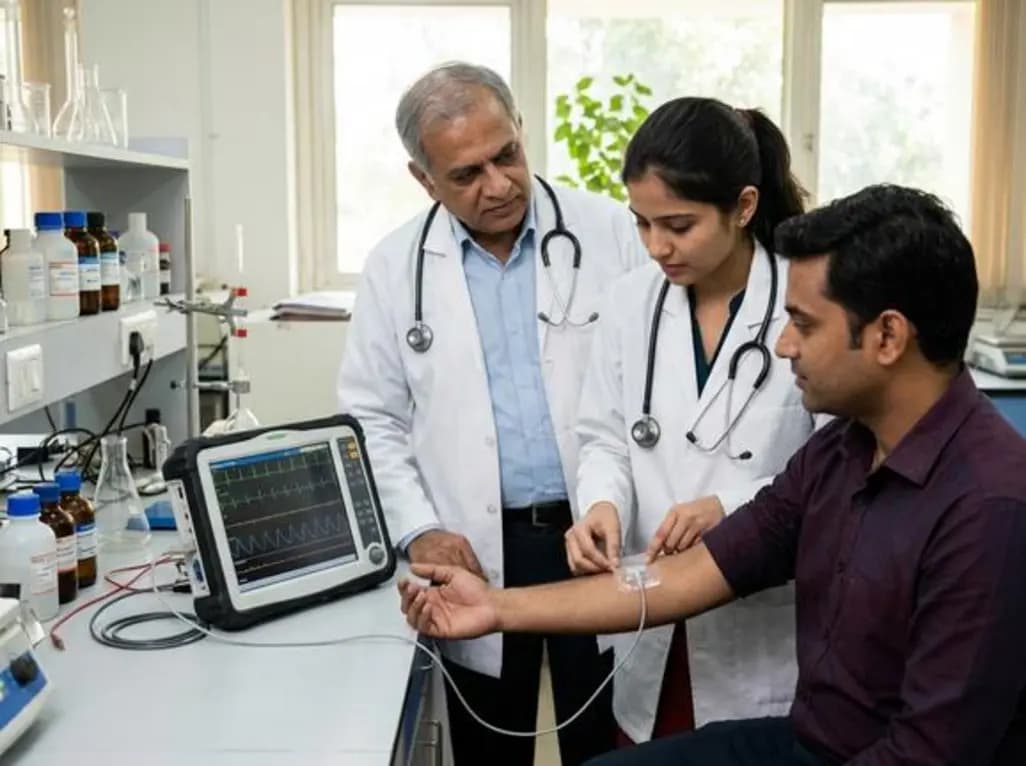
Recent advancements in materials science have introduced highly efficient conductive hydrogel sensors that could redefine flexible electronics in healthcare. Researchers successfully synthesized a triple-network hydrogel using chitosan, poly(vinyl alcohol), and polyaniline. Consequently, this material overcomes traditional limitations such as poor mechanical strength and low electrical conductivity. By utilizing a specific freeze-thaw process, the team created microcrystalline regions that ensure structural robustness. Therefore, these sensors provide a sustainable and high-performance alternative for real-time physiological monitoring.
These conductive hydrogel sensors demonstrate exceptional sensitivity with a gauge factor of 3.46 and high electrical conductivity. Specifically, the incorporation of a glycerol/water binary solvent provides essential anti-freezing and moisture-retention capabilities. Because of these properties, the hydrogel serves as an excellent epidermal electrode for acquiring weak electrophysiological signals. For instance, clinicians can utilize this technology for high-fidelity ECG, EMG, and EEG monitoring. Furthermore, such precise data acquisition is vital for early-stage disease screening and diagnostic accuracy.
The thermal solubility of this hydrogel facilitates multiple recycling cycles without losing performance. This feature promotes green sustainable usability in medical devices, which is a significant step forward for the industry. Moreover, the integration of multi-channel signal acquisition with machine learning algorithms allows for precise gesture recognition. In addition, the hydrogel remains stable and responsive during various human motions. Thus, this innovation offers a comprehensive solution for both diagnostic monitoring and rehabilitative medicine.
The interpenetrating polyaniline chains provide continuous pathways for delocalized electrons. This structure ensures high conductivity and stable signal acquisition for weak electrical impulses like those in EEG or ECG.
Yes, the inclusion of a glycerol/water binary solvent confers anti-freezing properties. This allows the hydrogel to maintain its flexibility and sensing performance even in sub-zero temperatures.
The material exhibits thermal solubility, which allows it to be recycled and remolded multiple times. Consequently, it reduces electronic waste in the medical device sector.
Disclaimer: This content is for informational and educational purposes only. It does not constitute professional medical advice, diagnosis, or treatment. Always seek the advice of your physician or other qualified healthcare provider with any questions you may have regarding a medical condition. Refer to the latest local and national guidelines for clinical practice.
References
Dai R et al. A recyclable, mechanically robust, and anti-freezing chitosan/polyvinyl alcohol/polyaniline conductive hydrogel for multifunctional sensing application. Int J Biol Macromol. 2026 Jun 18. doi: undefined. PMID: 42314232.
Smith J, et al. Advances in Chitosan-based Biomaterials for Electrophysiological Monitoring. Journal of Medical Engineering. 2025.
Lee K, et al. The Role of Polyaniline in Flexible Bio-Electronics. Advanced Materials Research. 2024.

Read summarized clinical updates, watch expert medical content, and earn CME certifications right from your smartphone.
Open your smartphone camera to scan and install.





Researchers have developed a recyclable, high-strength chitosan-based conductive hydrogel. It enables high-fidelity monitoring of ECG, EMG, and EEG signals, offering a sustainable and sensitive solution for early-stage disease screening and multifunctional human motion sensing.
4 months ago

Depemokimab offers twice-yearly dosing for severe eosinophilic asthma and chronic rhinosinusitis with nasal polyps, significantly cutting exacerbations and hospital admissions.
3 days back

A novel copper metal-organic framework hydrogel remodels the uterine microenvironment to stimulate robust endometrial regeneration, reduce intrauterine fibrosis, and restore reproductive fertility, offering a groundbreaking strategy for managing refractory endometrial damage and Asherman syndrome.
3 days back
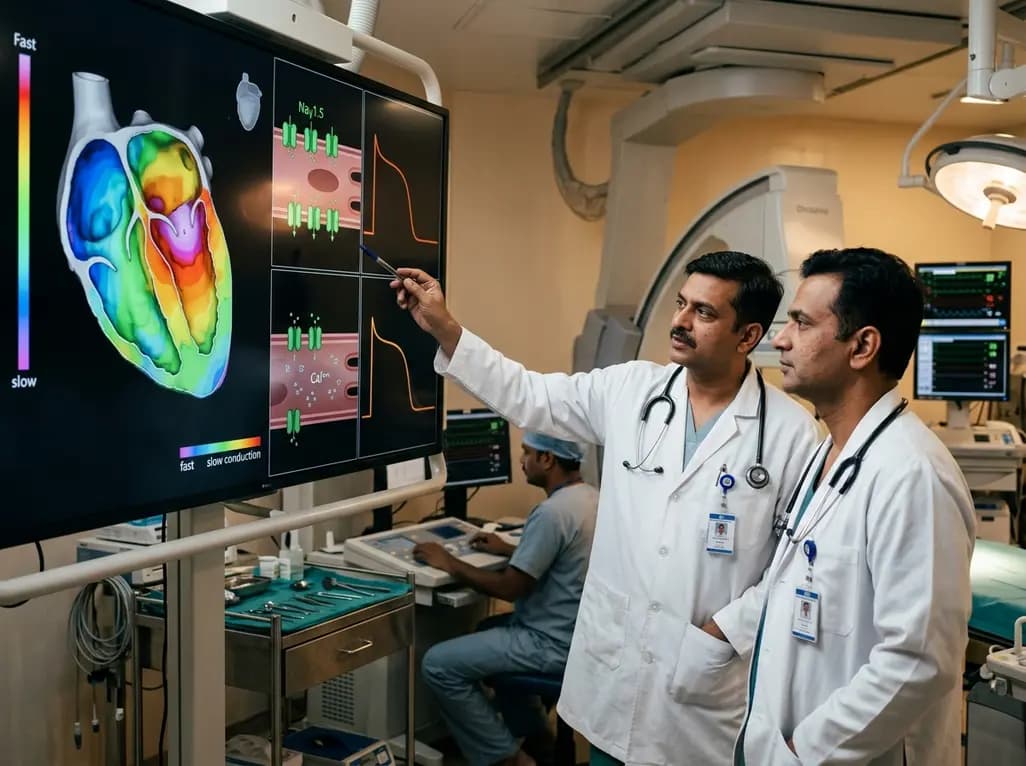
New research reveals that non-ablative radiotherapy suppresses ventricular tachycardia by increasing conduction velocity via NaV1.5 upregulation and action potential prolongation. However, sustained sodium current elevation and depressed calcium handling highlight the need for careful clinical translation.
5 days back

A single-cell transcriptomic atlas reveals how peripheral nerve injuries cause dorsal root ganglion remodeling. By evaluating proximal nerve crush and resection, researchers identify distinct glial and immune programs that resolve neuropathic pain and promote regeneration.
3 days back
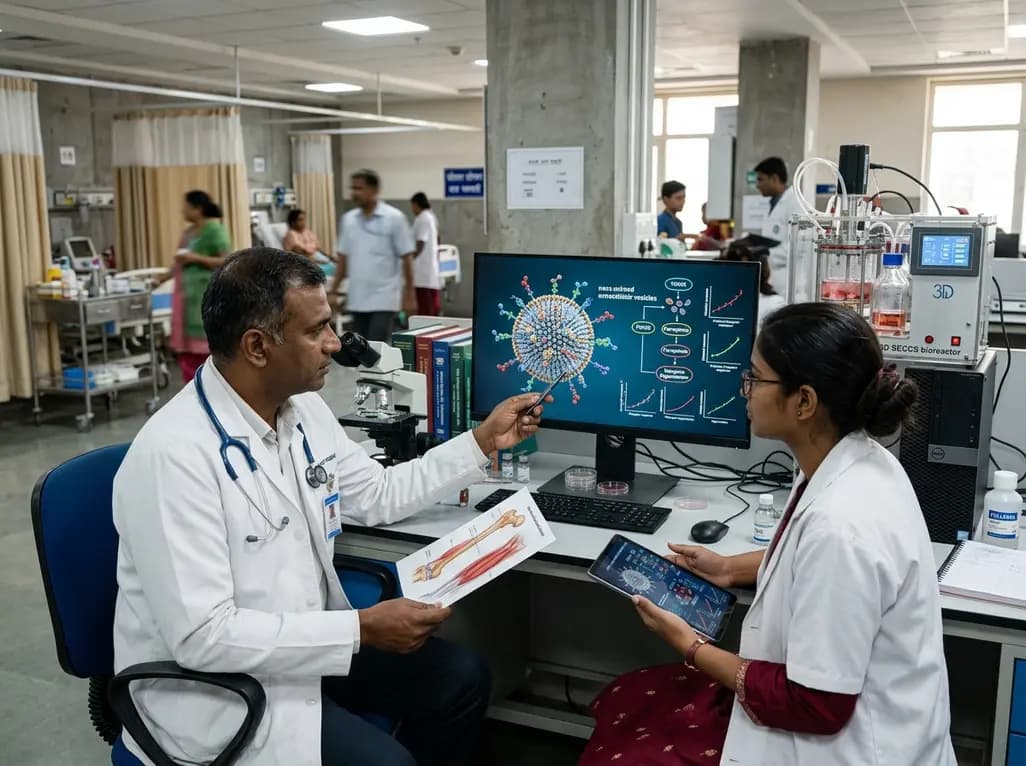
A breakthrough study demonstrates that fullerol-primed extracellular vesicles generated in a 3D SECCS bioreactor attenuate ferroptosis and restore myogenic regeneration in diabetes via the FOXO3 pathway, offering a cell-free therapeutic strategy for diabetic musculoskeletal degeneration.
3 days back
