

Loading, please wait...
Loading, please wait...
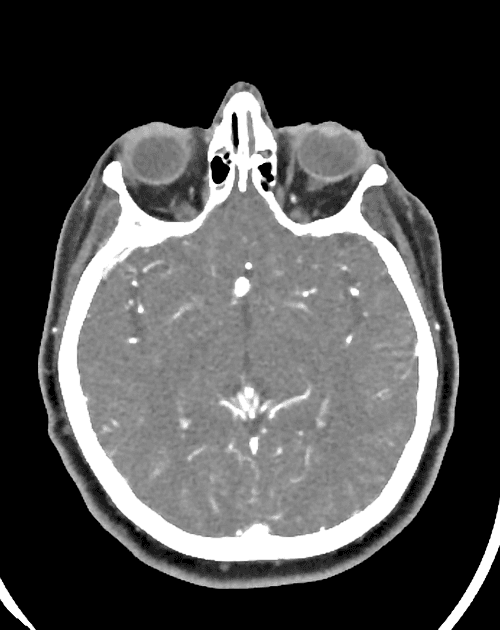
This multicentre study evaluated the safety, efficacy and follow-up outcomes of the FRED X flow-diversion device in patients with intracranial aneurysms treated at six high-volume centres in the United States between February 2022 and February 2024. A total of 154 patients with 162 aneurysms were treated using 164 devices; 81.8% of patients were female, and the mean age was 56.8 years. Device deployment, wall apposition and neck coverage were reported as satisfactory in at least 99.3% of cases. At hospital discharge, 147 patients (95.5%) were functionally independent, defined as a modified Rankin Scale score of 0–2. Adequate aneurysm occlusion, defined as Raymond–Roy Occlusion Scale grade I or II, was reported in 84.2% of cases at 6 months and 83.5% at 12 months. Among patients with follow-up assessments, functional independence was reported in 100% at 6 months and 95.9% at 12 months. Rates of in-stent stenosis decreased during follow-up. The authors concluded that FRED X demonstrated high technical feasibility, an acceptable safety profile and favourable clinical outcomes, although further comparative studies are needed to establish its long-term performance across different aneurysm populations.

Read summarized clinical updates, watch expert medical content, and earn CME certifications right from your smartphone.
Open your smartphone camera to scan and install.





This multicentre study evaluated the safety, efficacy and follow-up outcomes of the FRED X flow-diversion device in patients with intracranial aneurysms treated at six high-volume centres in the United States between February 2022 and February 2024. A total of 154 patients with 162 aneurysms were treated using 164 devices; 81.8% of patients were female, and the mean age was 56.8 years. Device deployment, wall apposition and neck coverage were reported as satisfactory in at least 99.3% of cases. At hospital discharge, 147 patients (95.5%) were functionally independent, defined as a modified Rankin Scale score of 0–2. Adequate aneurysm occlusion, defined as Raymond–Roy Occlusion Scale grade I or II, was reported in 84.2% of cases at 6 months and 83.5% at 12 months. Among patients with follow-up assessments, functional independence was reported in 100% at 6 months and 95.9% at 12 months. Rates of in-stent stenosis decreased during follow-up. The authors concluded that FRED X demonstrated high technical feasibility, an acceptable safety profile and favourable clinical outcomes, although further comparative studies are needed to establish its long-term performance across different aneurysm populations.
Today

Depemokimab offers twice-yearly dosing for severe eosinophilic asthma and chronic rhinosinusitis with nasal polyps, significantly cutting exacerbations and hospital admissions.
2 days back

A novel copper metal-organic framework hydrogel remodels the uterine microenvironment to stimulate robust endometrial regeneration, reduce intrauterine fibrosis, and restore reproductive fertility, offering a groundbreaking strategy for managing refractory endometrial damage and Asherman syndrome.
2 days back

New research reveals that non-ablative radiotherapy suppresses ventricular tachycardia by increasing conduction velocity via NaV1.5 upregulation and action potential prolongation. However, sustained sodium current elevation and depressed calcium handling highlight the need for careful clinical translation.
5 days back

A single-cell transcriptomic atlas reveals how peripheral nerve injuries cause dorsal root ganglion remodeling. By evaluating proximal nerve crush and resection, researchers identify distinct glial and immune programs that resolve neuropathic pain and promote regeneration.
2 days back

A breakthrough study demonstrates that fullerol-primed extracellular vesicles generated in a 3D SECCS bioreactor attenuate ferroptosis and restore myogenic regeneration in diabetes via the FOXO3 pathway, offering a cell-free therapeutic strategy for diabetic musculoskeletal degeneration.
2 days back
