.webp&w=384&q=75)

Loading, please wait...
Loading, please wait...

Q1: What is the glymphatic system, and why is it important in stroke recovery?
The glymphatic system is the brain's waste-clearance network that circulates cerebrospinal fluid to remove toxins. However, a stroke often impairs this network. Therefore, reinforcing circadian rhythms is crucial to restore its function and speed up recovery.
Q2: How does time-restricted feeding help with stroke recovery?
Time-restricted feeding is a behavioral intervention that reinforces the body's internal biological clock. Consequently, this approach enhances glymphatic flow, reduces brain inflammation, and significantly improves motor recovery.
Q3: Will researchers evaluate these circadian clock therapies in human patients?
Currently, researchers have only tested these findings in animal models. Therefore, further clinical trials are necessary. However, because researchers already study time-restricted feeding for other conditions, these methods represent highly promising future strategies.
Disclaimer: This content is for informational and educational purposes only. It does not constitute medical advice or replace professional judgment. Refer to the latest local and national guidelines for clinical practice.
References

Read summarized clinical updates, watch expert medical content, and earn CME certifications right from your smartphone.
Open your smartphone camera to scan and install.





A new study reveals that reinforcing natural circadian rhythms after a stroke enhances the brain's waste-clearing glymphatic system and reduces inflammation. Preclinical findings highlight time-restricted feeding and clock-targeting drugs as promising strategies to improve neurological recovery.
4 months ago
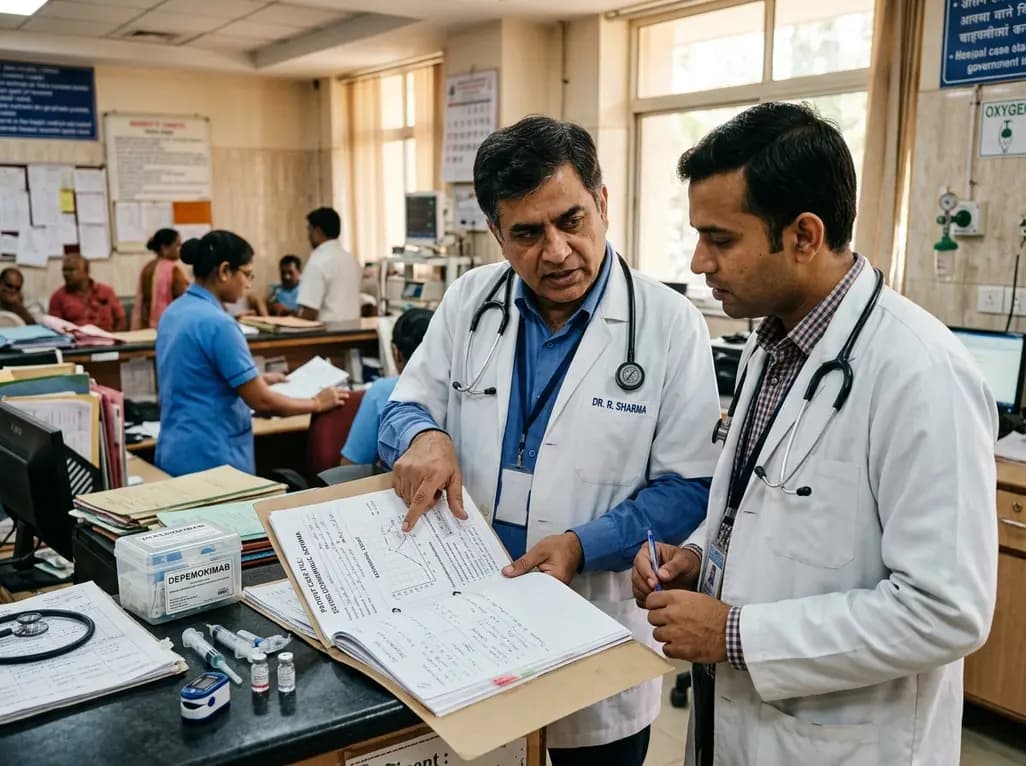
Depemokimab offers twice-yearly dosing for severe eosinophilic asthma and chronic rhinosinusitis with nasal polyps, significantly cutting exacerbations and hospital admissions.
3 days back

A novel copper metal-organic framework hydrogel remodels the uterine microenvironment to stimulate robust endometrial regeneration, reduce intrauterine fibrosis, and restore reproductive fertility, offering a groundbreaking strategy for managing refractory endometrial damage and Asherman syndrome.
3 days back
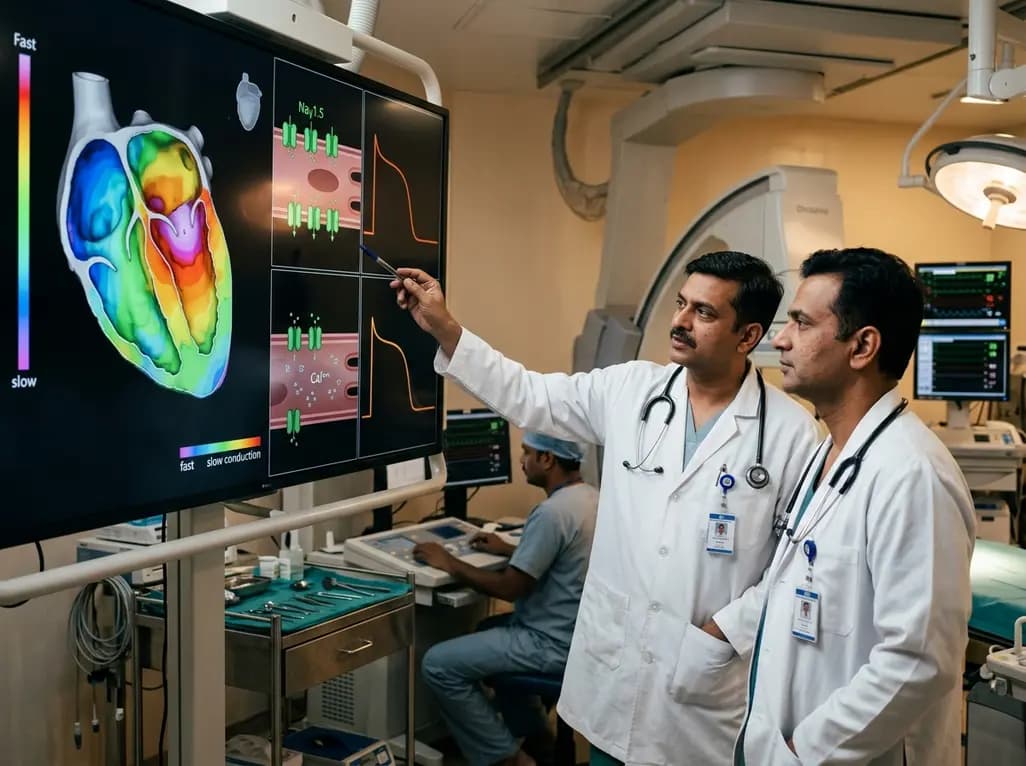
New research reveals that non-ablative radiotherapy suppresses ventricular tachycardia by increasing conduction velocity via NaV1.5 upregulation and action potential prolongation. However, sustained sodium current elevation and depressed calcium handling highlight the need for careful clinical translation.
5 days back
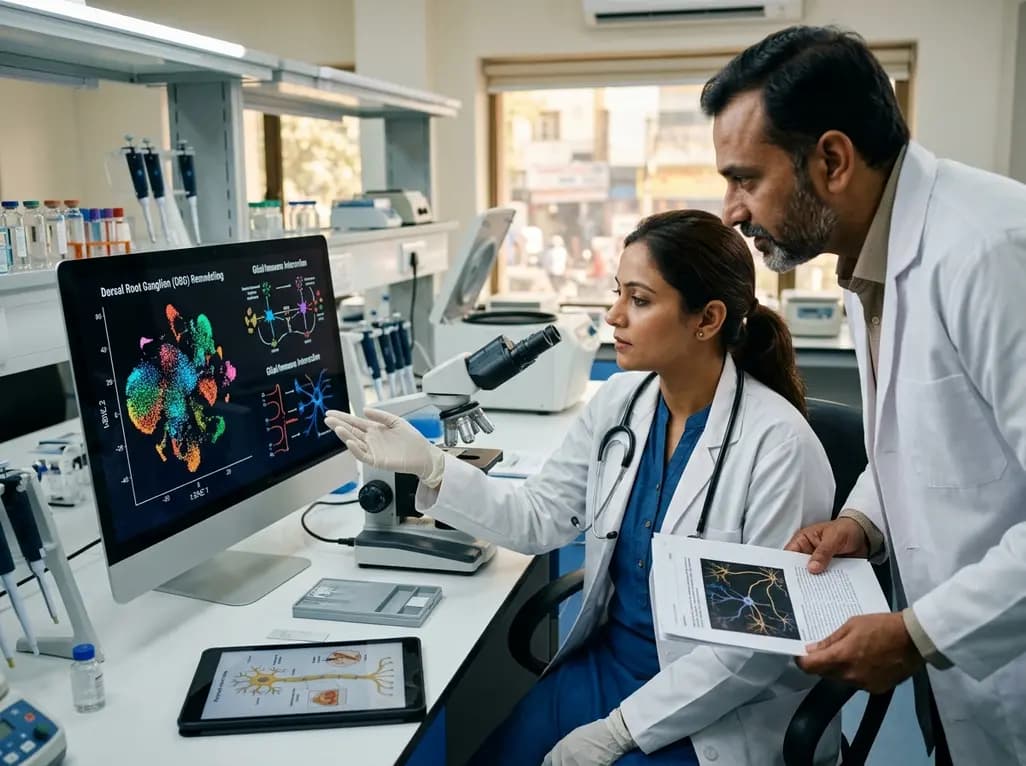
A single-cell transcriptomic atlas reveals how peripheral nerve injuries cause dorsal root ganglion remodeling. By evaluating proximal nerve crush and resection, researchers identify distinct glial and immune programs that resolve neuropathic pain and promote regeneration.
3 days back
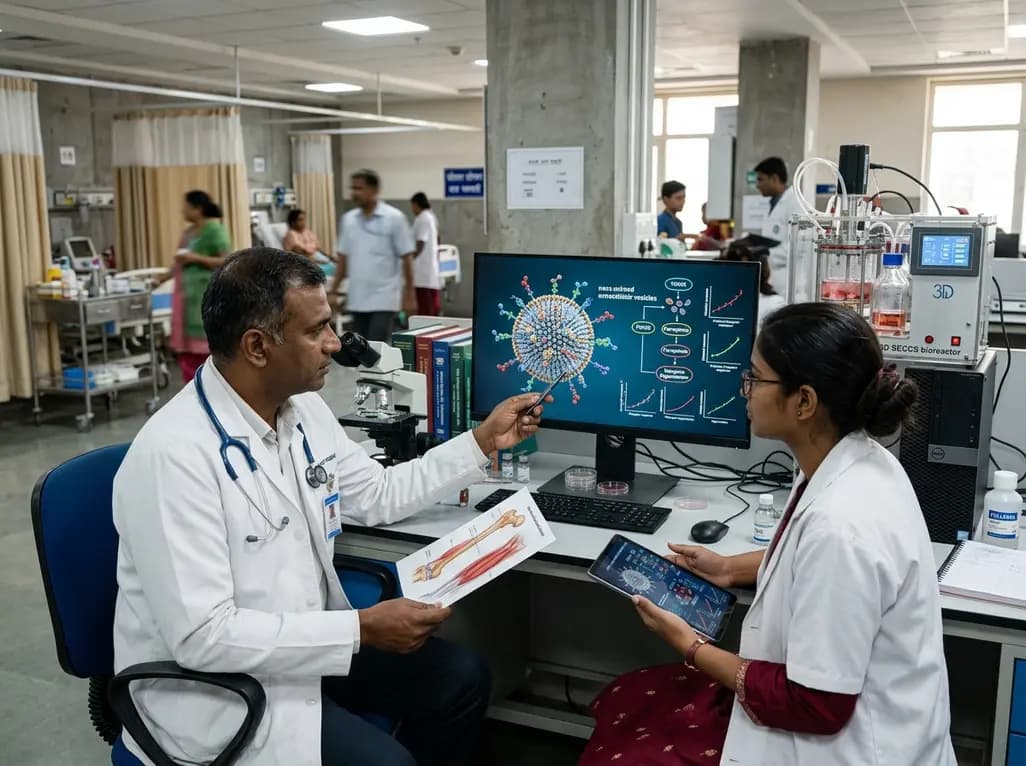
A breakthrough study demonstrates that fullerol-primed extracellular vesicles generated in a 3D SECCS bioreactor attenuate ferroptosis and restore myogenic regeneration in diabetes via the FOXO3 pathway, offering a cell-free therapeutic strategy for diabetic musculoskeletal degeneration.
3 days back
