.webp&w=384&q=75)

Loading, please wait...
Loading, please wait...
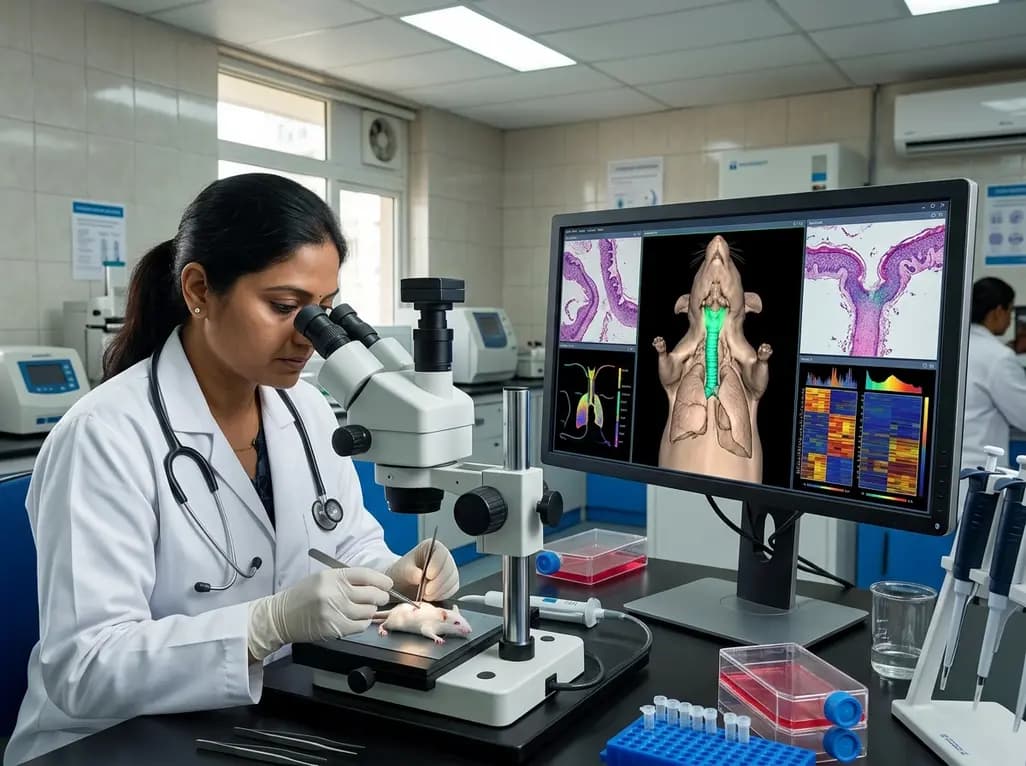
The study of airway stem cells is often hindered by the systemic effects of gene manipulation. Researchers have now developed a chimeric airway model to circumvent these issues. By using orthotopic transplantation of transgenic tissue, scientists can isolate gene expression changes to the trachea. This method prevents lethal non-respiratory phenotypes often seen in traditional genetic models. Because the airway epithelium shares characteristics with the esophagus and epidermis, localized control is vital for survival during essential gene analysis.
Furthermore, the study utilized Krt5CreERT2 and Col1a2CreERT2 donor tissues to evaluate recombination efficiency. The results showed that tamoxifen-dependent recombination was highly specific to the graft. Consequently, this surgical approach provides a robust platform for studying basal cells and fibroblasts in vivo. Importantly, the revascularization of the graft ensures that parenteral drug delivery remains effective for temporal control. Scientists can now manipulate specific cell lineages without affecting the entire organism.
Specifically, the team focused on knocking out Itgb1, a gene essential for epithelial integrity. While systemic deletion of such genes is often fatal, the chimeric airway model allowed for long-term survival of the mice. This breakthrough enables the detailed analysis of essential genes that were previously difficult to study. Therefore, this model serves as a versatile tool for testing targeted gene therapies in a controlled environment. It offers a unique advantage for preclinical trials focusing on localized respiratory interventions.
A chimeric airway model involves the orthotopic transplantation of transgenic tracheal tissue into a wild-type host, allowing for localized genetic analysis without systemic impact.
It allows researchers to test the effects of gene modification in the airway without causing life-threatening side effects in other organs like the skin or esophagus.
Gene expression is controlled through precise temporal and spatial triggers, such as the administration of tamoxifen to induce recombination only within the transplanted graft.
Disclaimer: This content is for informational and educational purposes only. It does not constitute medical advice or a professional recommendation. The information provided is based on preclinical research and should be interpreted accordingly. Refer to the latest local and national guidelines for clinical practice.
References

Read summarized clinical updates, watch expert medical content, and earn CME certifications right from your smartphone.
Open your smartphone camera to scan and install.





Researchers have developed a novel microsurgical chimeric airway model. By transplanting transgenic tracheal tissue into wild-type mice, scientists can now analyze essential genes like Itgb1 without lethal systemic side effects, paving the way for targeted respiratory gene therapies.
4 months ago

Depemokimab offers twice-yearly dosing for severe eosinophilic asthma and chronic rhinosinusitis with nasal polyps, significantly cutting exacerbations and hospital admissions.
3 days back
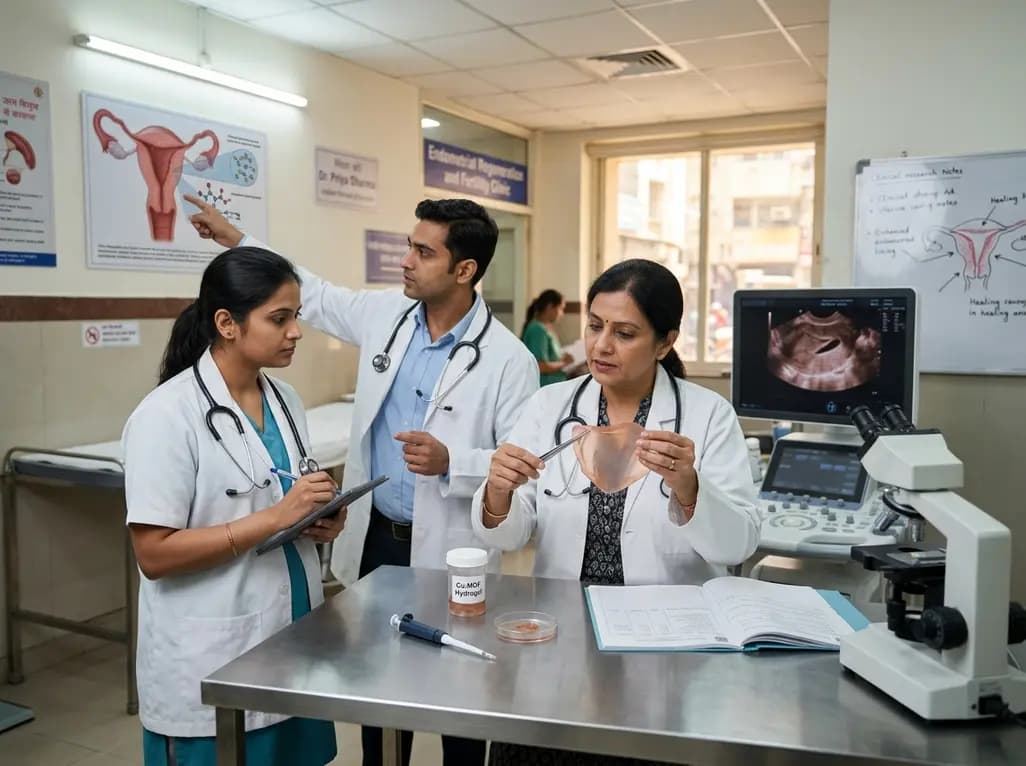
A novel copper metal-organic framework hydrogel remodels the uterine microenvironment to stimulate robust endometrial regeneration, reduce intrauterine fibrosis, and restore reproductive fertility, offering a groundbreaking strategy for managing refractory endometrial damage and Asherman syndrome.
3 days back
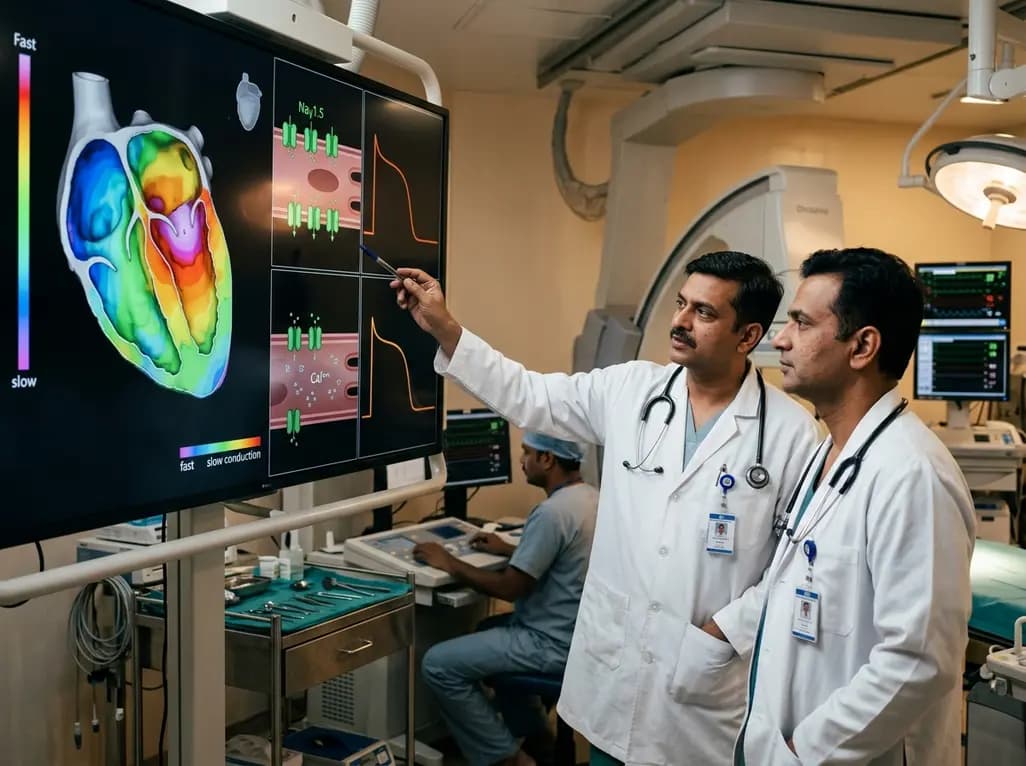
New research reveals that non-ablative radiotherapy suppresses ventricular tachycardia by increasing conduction velocity via NaV1.5 upregulation and action potential prolongation. However, sustained sodium current elevation and depressed calcium handling highlight the need for careful clinical translation.
5 days back

A single-cell transcriptomic atlas reveals how peripheral nerve injuries cause dorsal root ganglion remodeling. By evaluating proximal nerve crush and resection, researchers identify distinct glial and immune programs that resolve neuropathic pain and promote regeneration.
3 days back
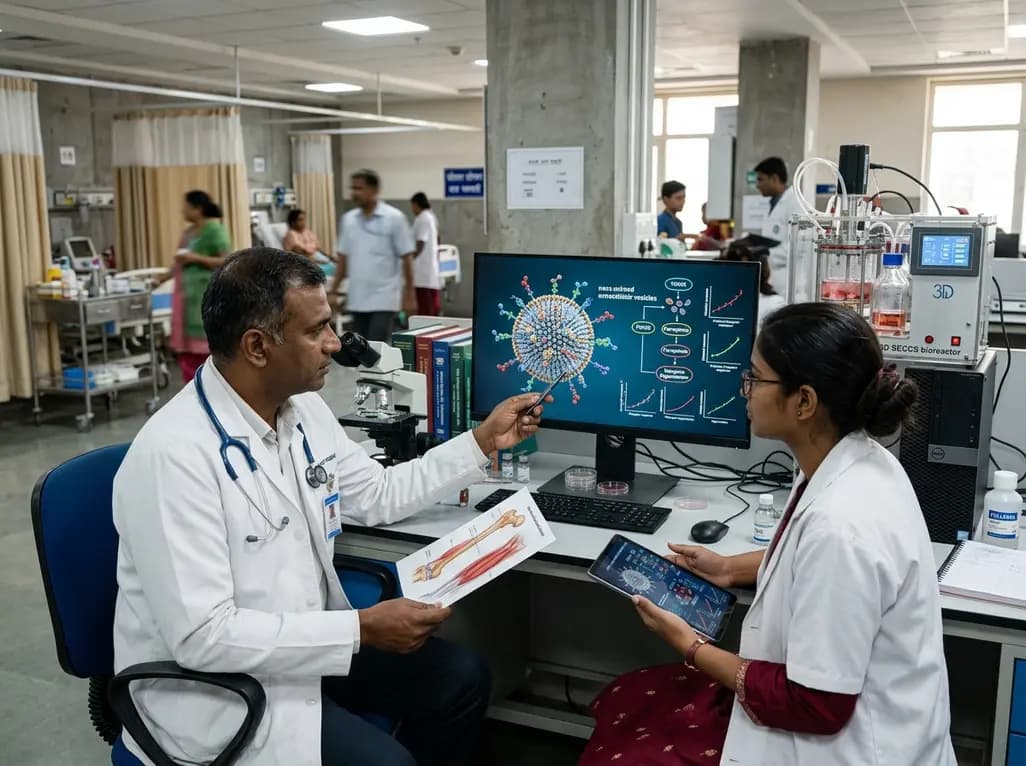
A breakthrough study demonstrates that fullerol-primed extracellular vesicles generated in a 3D SECCS bioreactor attenuate ferroptosis and restore myogenic regeneration in diabetes via the FOXO3 pathway, offering a cell-free therapeutic strategy for diabetic musculoskeletal degeneration.
3 days back
