.webp&w=384&q=75)

Loading, please wait...
Loading, please wait...
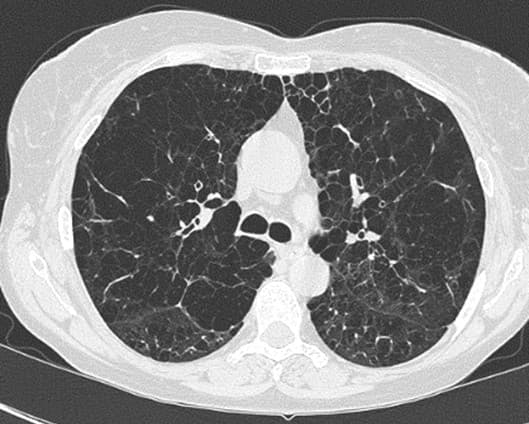
A contemporary review in Current Opinion in Pulmonary Medicine examined how chest CT can extend assessment of COPD beyond what is captured by spirometry alone. The authors reviewed evidence linking CT-defined emphysema, airway abnormalities, chronic bronchitis-related changes and pulmonary vascular measurements with clinically meaningful outcomes. The key message is that CT can reveal structural and vascular features that help explain differences in symptoms, exacerbation burden and prognosis among patients with similar spirometric impairment. The review also highlights an important implementation gap: although CT-derived biomarkers are increasingly studied, they are not yet routinely translated into standardized clinical decision-making. For practicing pulmonologists, the value of CT is therefore complementary rather than a replacement for pulmonary function testing. The paper aligns closely with the NAPCON imaging theme of reading patterns rather than relying only on reports, and with the COPD session's emphasis on phenotyping beyond spirometry. CT may be particularly useful when symptoms appear disproportionate to lung-function impairment, when emphysema or another structural diagnosis needs clarification, or when imaging is already being obtained for another clinical reason. The article provides a useful bridge between emerging quantitative imaging research and everyday respiratory practice.

Read summarized clinical updates, watch expert medical content, and earn CME certifications right from your smartphone.
Open your smartphone camera to scan and install.





A contemporary review in Current Opinion in Pulmonary Medicine examined how chest CT can extend assessment of COPD beyond what is captured by spirometry alone. The authors reviewed evidence linking CT-defined emphysema, airway abnormalities, chronic bronchitis-related changes and pulmonary vascular measurements with clinically meaningful outcomes. The key message is that CT can reveal structural and vascular features that help explain differences in symptoms, exacerbation burden and prognosis among patients with similar spirometric impairment. The review also highlights an important implementation gap: although CT-derived biomarkers are increasingly studied, they are not yet routinely translated into standardized clinical decision-making. For practicing pulmonologists, the value of CT is therefore complementary rather than a replacement for pulmonary function testing. The paper aligns closely with the NAPCON imaging theme of reading patterns rather than relying only on reports, and with the COPD session's emphasis on phenotyping beyond spirometry. CT may be particularly useful when symptoms appear disproportionate to lung-function impairment, when emphysema or another structural diagnosis needs clarification, or when imaging is already being obtained for another clinical reason. The article provides a useful bridge between emerging quantitative imaging research and everyday respiratory practice.
3 weeks back

Discover how catalytic nanozymes redefine autoimmune disease therapy by establishing a physiological redox set-point to restore immune tolerance without broad immunosuppression.
Last week

Recent research reveals that downregulating YAP1/TAZ-TEAD via Hippo signaling triggers spontaneous human trophoblast syncytialization in 3D cultures, illuminating placental biology and preeclampsia.
3 weeks back

A landmark comparative study evaluates atrial electrophysiology across humans, swine, and rodents. By linking cellular recordings with transcriptomics and in silico modeling, researchers resolve cross-species gaps, explaining translational failures to advance targeted therapies for atrial arrhythmias.
3 weeks back

A novel pathology-adaptive surface engineering strategy uses functionalized plasma polymer coatings to selectively modulate AGE adsorption, reducing oxidative stress and restoring bone formation in diabetic and aging microenvironments.
last month
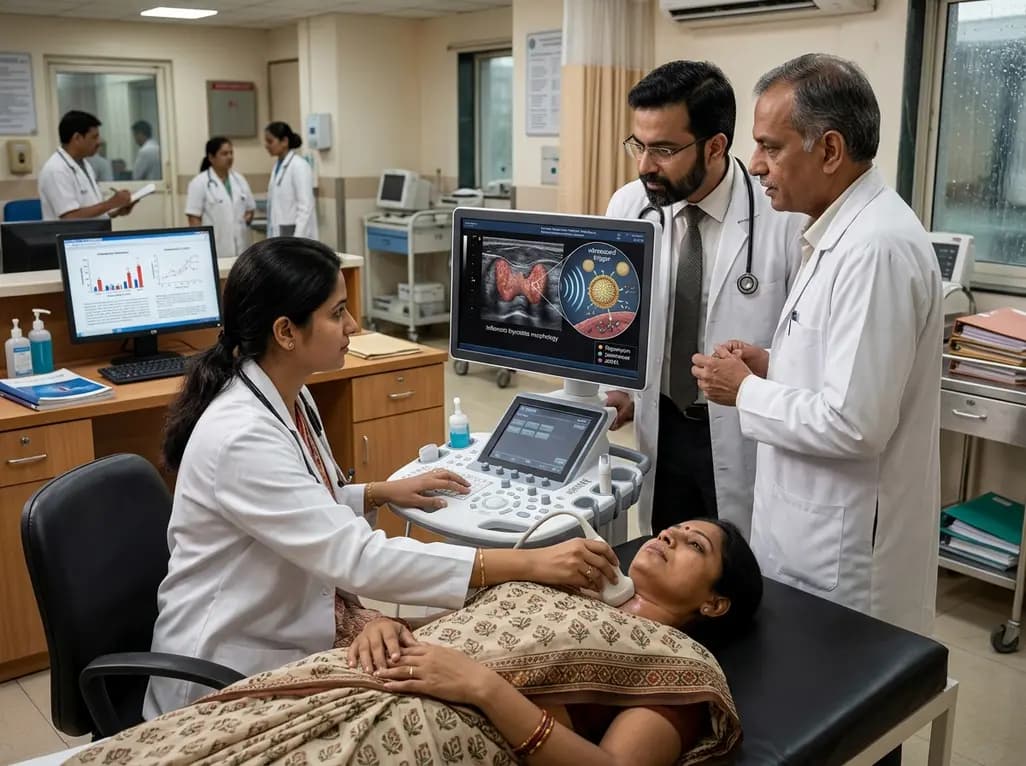
Researchers have developed an innovative ultrasound-responsive nano-contrast agent that co-delivers CIITA-siRNA and rapamycin directly to inflamed thyroid tissue, significantly reducing autoimmune injury and thyroid autoantibodies in preclinical models of Hashimoto thyroiditis.
3 weeks back
