.webp&w=384&q=75)

Loading, please wait...
Loading, please wait...
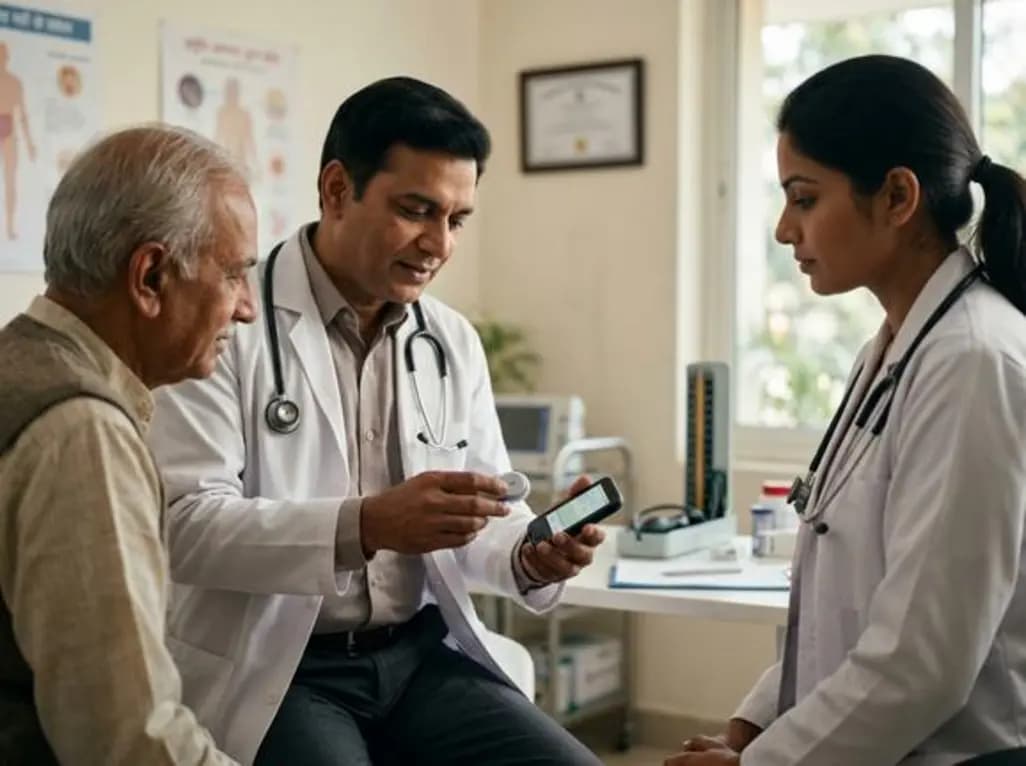
Continuous glucose monitoring (CGM) technology has transformed diabetes management by offering real-time insights into glycemic trends. A groundbreaking study now establishes a clear link between CGM and mortality reduction in older-onset type 1 diabetes (T1D) patients. While clinicians traditionally use CGM to optimize HbA1c and prevent hypoglycemia, its impact on survival was previously less clear. This new target trial emulation within the Veterans Health Administration provides compelling evidence that technology initiation significantly lowers the risk of death.
The researchers analyzed data from over 8,400 veterans to compare mortality rates between CGM users and non-users. Consequently, they found that initiating CGM correlated with a 10% to 16% lower risk of all-cause mortality over a four-year follow-up period. Interestingly, the survival advantage appeared most pronounced in patients older than 65 years. Furthermore, those not using insulin pumps experienced similar life-prolonging benefits. These results suggest that the protective effects of CGM extend beyond just glycemic metrics to overall patient longevity.
Moreover, the study rigorously accounted for potential biases through inverse probability weighting and negative outcome controls. Specifically, the researchers found no differences in unrelated medical conditions between groups, which reinforces that the mortality benefit relates directly to CGM use. Notably, factors like race, ethnicity, or frailty did not alter these positive outcomes. Therefore, healthcare providers should view CGM as a primary intervention for improving survival in the aging T1D population. By providing a safety net against acute events, this technology effectively serves as a life-saving tool.
CGM provides real-time alerts for impending hypoglycemia and hyperglycemia. By preventing severe acute glycemic events, the technology likely reduces the risk of cardiovascular complications and other mortality-linked emergencies common in older adults.
Yes, the study specifically noted that patients not on insulin pumps showed a significant reduction in mortality. This makes CGM a valuable tool for all T1D patients on intensive insulin therapy, regardless of their delivery method.
The research indicated that the reduction in mortality did not vary by HbA1c levels. This suggests that even patients with relatively stable average glucose can benefit from the continuous oversight provided by CGM sensors.
Disclaimer: This content is for informational and educational purposes only. It does not constitute professional medical advice, diagnosis, or treatment. Always seek the advice of your physician or other qualified healthcare provider with any questions regarding a medical condition. Refer to the latest local and national guidelines for clinical practice.
References
Reaven PD et al. Continuous Glucose Monitoring (CGM) Initiation Is Associated With Reduced Mortality in Older-Onset Type 1 Diabetes Patients: A Target Trial Emulation Study Within the Veterans Health Administration. Diabetes Care. 2026 Jun 19. doi: undefined. PMID: 42319755.
Beck RW, Riddlesworth T, Anderson K, et al. Effect of Continuous Glucose Monitoring on Glycemic Control in Adults With Type 1 Diabetes Using Insulin Injections: The DIAMOND Randomized Clinical Trial. JAMA. 2017;317(4):371-378.

Read summarized clinical updates, watch expert medical content, and earn CME certifications right from your smartphone.
Open your smartphone camera to scan and install.





A target trial emulation study within the Veterans Health Administration shows that starting CGM therapy is associated with a 10% to 16% reduction in all-cause mortality for older-onset type 1 diabetes patients, particularly those over 65 or not using insulin pumps.
4 months ago
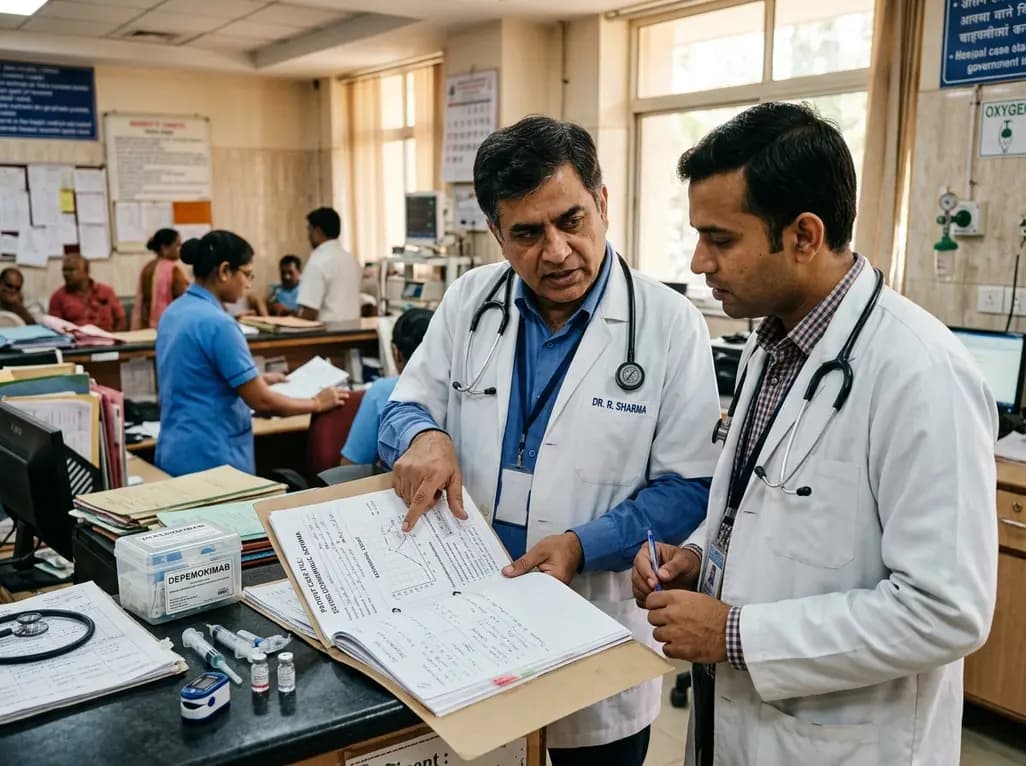
Depemokimab offers twice-yearly dosing for severe eosinophilic asthma and chronic rhinosinusitis with nasal polyps, significantly cutting exacerbations and hospital admissions.
4 days back
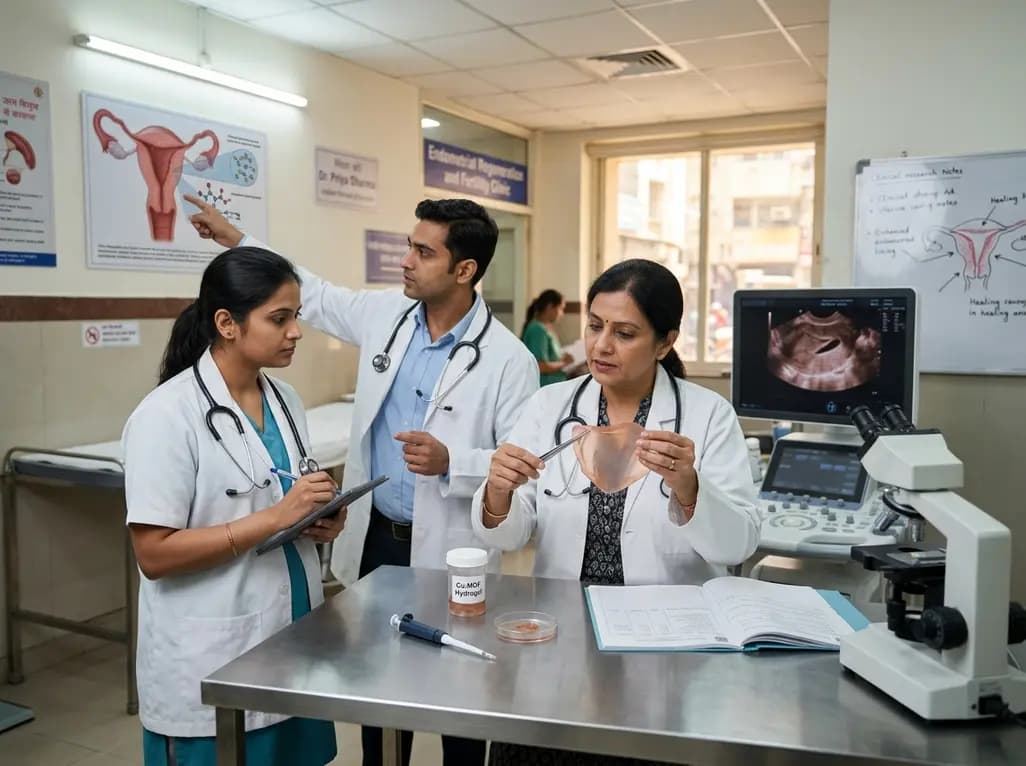
A novel copper metal-organic framework hydrogel remodels the uterine microenvironment to stimulate robust endometrial regeneration, reduce intrauterine fibrosis, and restore reproductive fertility, offering a groundbreaking strategy for managing refractory endometrial damage and Asherman syndrome.
4 days back
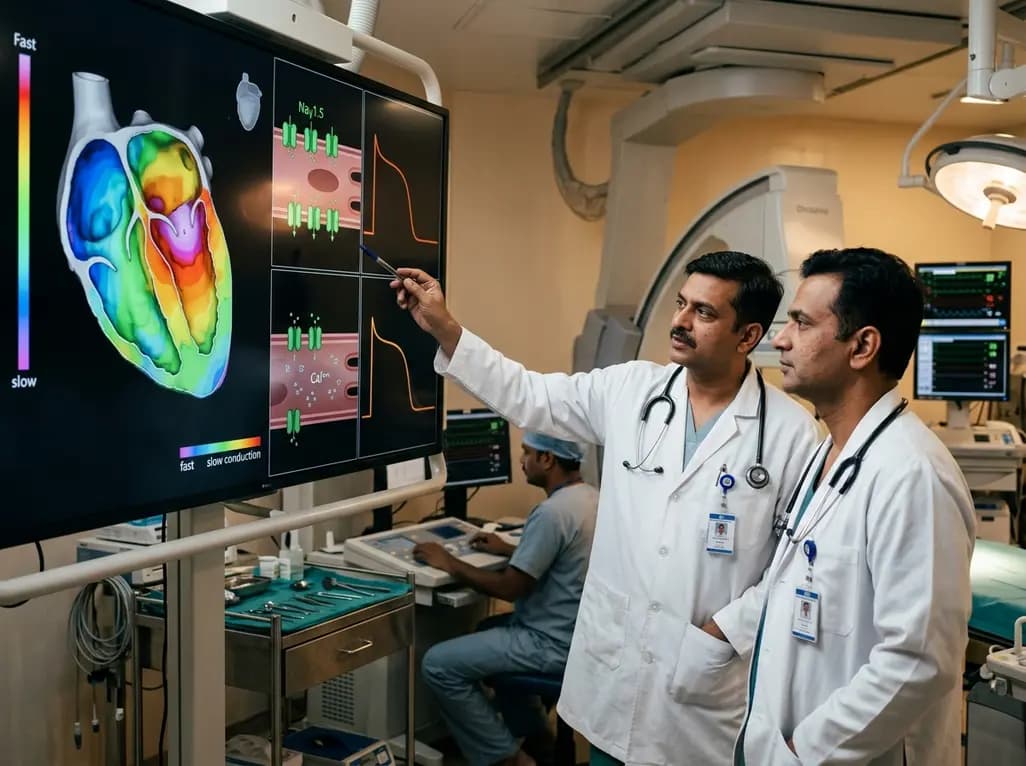
New research reveals that non-ablative radiotherapy suppresses ventricular tachycardia by increasing conduction velocity via NaV1.5 upregulation and action potential prolongation. However, sustained sodium current elevation and depressed calcium handling highlight the need for careful clinical translation.
6 days back
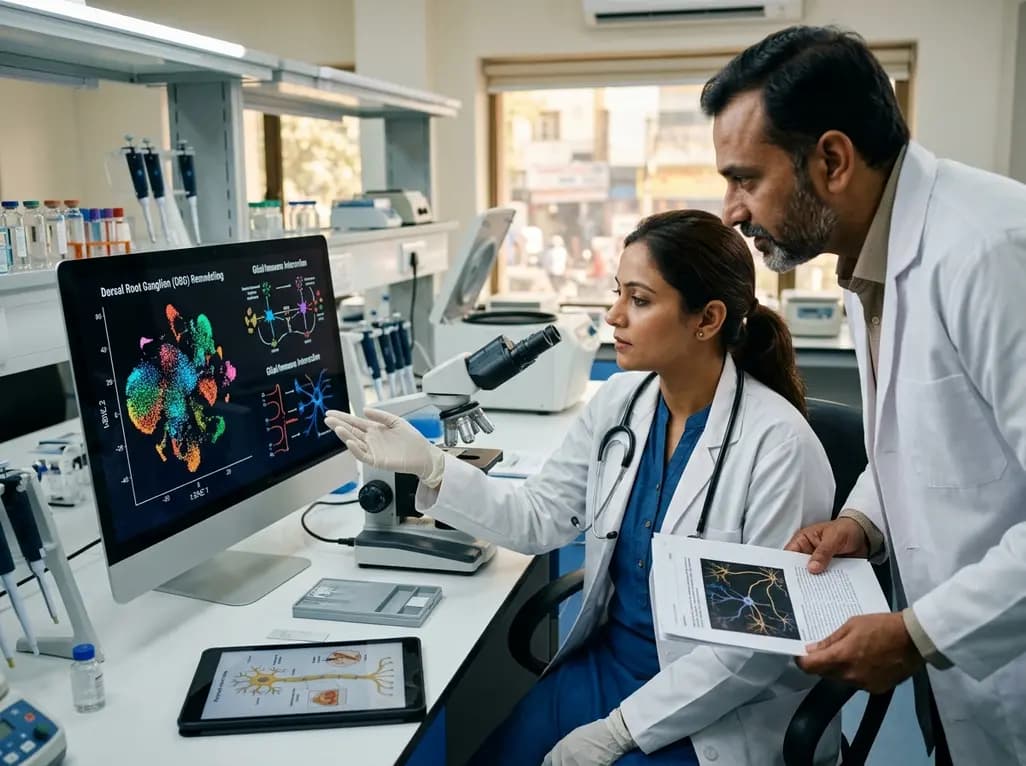
A single-cell transcriptomic atlas reveals how peripheral nerve injuries cause dorsal root ganglion remodeling. By evaluating proximal nerve crush and resection, researchers identify distinct glial and immune programs that resolve neuropathic pain and promote regeneration.
4 days back
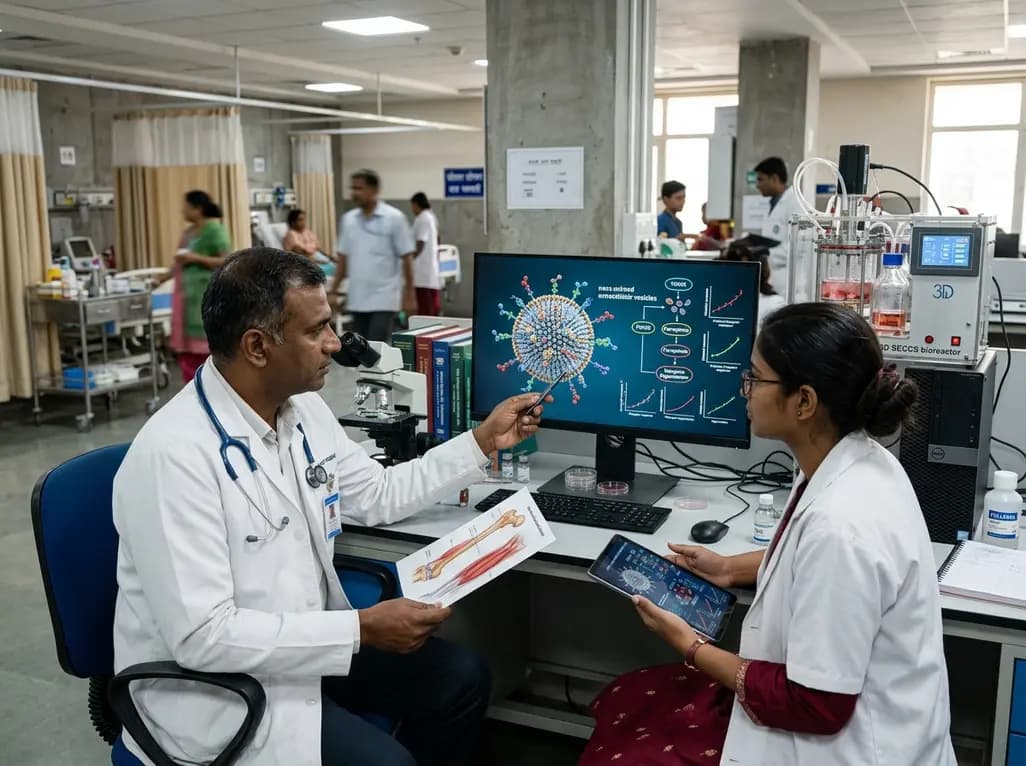
A breakthrough study demonstrates that fullerol-primed extracellular vesicles generated in a 3D SECCS bioreactor attenuate ferroptosis and restore myogenic regeneration in diabetes via the FOXO3 pathway, offering a cell-free therapeutic strategy for diabetic musculoskeletal degeneration.
4 days back
