.webp&w=384&q=75)

Loading, please wait...
Loading, please wait...

The rapidly expanding outbreak in the Democratic Republic of Congo poses a severe public health challenge. Specifically, the regional epidemic involves the rare Bundibugyo strain of the filovirus family. Consequently, health authorities report alarming figures of infections and fatalities across affected provinces. Furthermore, medical teams encounter immense logistical obstacles due to local conflict and resource constraints. Currently, healthcare providers lack approved prophylactic tools against this specific strain. Therefore, international consortiums are rushing to evaluate candidate solutions. In addition, health officials emphasize the critical necessity of rapid intervention. As a result, research institutions are prioritizing Bundibugyo Ebola vaccine candidate deployment. Moreover, epidemiological data indicates that early isolation strategies must combine with immunization. Consequently, researchers are aligning clinical protocols with emergency response frameworks. Furthermore, ongoing transmission highlights the vulnerability of surrounding communities. Therefore, immediate intervention remains essential to prevent widespread regional dissemination. Simultaneously, global health organizations are coordinating emergency funding streams. Consequently, manufacturing partners are scaling production facilities to support imminent clinical testing.
Scientists are exploring multiple platform technologies to combat the virus. Specifically, the recombinant vesicular stomatitis virus platform provides a promising structural foundation. Consequently, this vector-based technology mirrors the successfully licensed Ervebo immunogen against Zaire ebolavirus. Furthermore, the International AIDS Vaccine Initiative developed a single-dose candidate using this proven architecture. Therefore, experts consider this candidate the most viable option for rapid deployment. Additionally, researchers are investigating adenovirus-vectored constructs to diversify the preventive toolkit. Meanwhile, mRNA vaccine technology offers an alternative pathway for rapid manufacturing. As a result, funding organizations are supporting parallel clinical development tracks. Consequently, clinical trial protocols are undergoing expedited regulatory review. Furthermore, pre-clinical trials demonstrated robust neutralizing antibody responses in laboratory models. Therefore, clinical investigators expect favorable safety and immunogenicity profiles in early-stage human trials. Additionally, comparative analyses aim to establish long-term protection parameters. Consequently, health agencies are preparing operational logistics for field trials in endemic regions.
Collaborative networks play a crucial role in advancing candidate formulations. Specifically, Hilleman Laboratories is leading manufacturing efforts in Singapore. Furthermore, this joint venture combines technical expertise from Merck and Wellcome. Consequently, Coalition for Epidemic Preparedness Innovations is providing multi-million dollar grants. In addition, Merck acts as a technical adviser to optimize viral vector yields. Therefore, the partnership aims to produce thousands of clinical-grade doses rapidly. Meanwhile, University of Oxford researchers are advancing a separate ChAdOx1 candidate. Consequently, Serum Institute of India is scaling up production for Oxford human trials. Additionally, Moderna received substantial financial backing to pursue mRNA candidates. As a result, public health authorities are mitigating developmental risks through pipeline diversification. Furthermore, cross-institutional knowledge sharing accelerates regulatory filings. Consequently, technology transfer agreements will enable localized large-scale production if trials succeed. Therefore, global partnerships remain fundamental to epidemic response initiatives.
Scaling up production requires robust infrastructure and optimized process design. Specifically, Hilleman Laboratories utilizes starting materials provided by research partners. Consequently, technicians are formulating finished doses designed specifically for early clinical testing. Furthermore, Merck and CEPI previously collaborated to improve vector manufacturing efficiency. Therefore, engineering teams are enhancing product stability and extending shelf life. Additionally, these technical improvements directly reduce cold-chain reliance in tropical environments. As a result, delivery to remote healthcare facilities becomes significantly more feasible. Moreover, partners have established contingency plans for technology transfer to high-capacity manufacturers. Consequently, global supply chains can rapidly expand if larger outbreaks occur. In addition, standardized quality control measures ensure consistent batch potency. Therefore, regulatory agencies can streamline emergency use authorization procedures. Furthermore, local health authorities are training personnel in proper vaccine storage protocols. Consequently, healthcare systems are preparing to execute targeted ring vaccination strategies efficiently.
While preventive tools undergo testing, clinicians are evaluating therapeutic interventions. Specifically, investigational antibody therapies are entering clinical evaluation in outbreak zones. Consequently, trial coordinators are testing pan-Ebola monoclonal antibody combinations. Furthermore, direct-acting antiviral medications are undergoing evaluation in clinical settings. Therefore, researchers hope to identify molecules that reduce disease mortality. Additionally, combination regimens are receiving prioritized evaluation from world health authorities. As a result, clinical management strategies are continuously evolving based on trial data. Moreover, standardized supportive care remains the primary baseline intervention for patients. Consequently, fluid management and infection control measures are critical during hospitalization. In addition, emergency diagnostic tools have received rapid regulatory approval. Therefore, clinical laboratories can confirm viral cases much earlier in the disease course. Furthermore, early therapeutic administration significantly improves clinical outcomes in filovirus infections. Consequently, integrated treatment protocols are vital for reducing mortality rates.
The current epidemic underscores the necessity for sustained biosecurity preparedness. Specifically, emerging filovirus threats require rapid funding mechanisms and pre-established research networks. Consequently, international coalitions are transforming outbreak response paradigms. Furthermore, investing in versatile manufacturing platforms enhances global health resilience. Therefore, healthcare systems can respond more effectively to future pathogen spillover events. Additionally, cross-border surveillance networks play an essential role in early detection. As a result, neighboring nations can implement timely containment measures. Moreover, community engagement strategies are vital to foster public trust in clinical interventions. Consequently, local leaders are actively participating in public health outreach programs. In addition, ongoing research will inform future regulatory frameworks for emergency vaccines. Therefore, public health institutions must maintain long-term investments in epidemic preparedness. Furthermore, global solidarity remains indispensable in controlling infectious disease threats. Consequently, international partners continue to align technical and financial resources for global protection.
Q1: Why is there an urgent effort to manufacture a Bundibugyo Ebola vaccine candidate?
The ongoing outbreak in the Democratic Republic of Congo involves the rare Bundibugyo strain, for which no licensed vaccines or treatments currently exist. Consequently, rapidly rising infection rates and high fatality numbers create an urgent humanitarian crisis. Therefore, global health coalitions like CEPI are providing substantial funding to manufacture clinical-grade doses, allowing researchers to evaluate vaccine safety and efficacy in human clinical trials rapidly.
Q2: What vaccine technologies are being utilized in the current development efforts?
Researchers are employing multiple innovative vaccine platforms to build a comprehensive defense against the outbreak. Specifically, the Merck and Wellcome collaboration relies on a recombinant vesicular stomatitis virus vector platform developed by IAVI. Meanwhile, Oxford University and Serum Institute of India utilize the ChAdOx1 viral vector technology. Additionally, Moderna is advancing an mRNA candidate to ensure robust pipeline diversity and reliable supply.
Q3: Are there therapeutic options currently undergoing clinical trials for Bundibugyo Ebola?
Yes, several experimental therapeutic options are entering clinical evaluation alongside preventive vaccine development. Specifically, clinicians are conducting human trials testing pan-Ebola monoclonal antibody combinations, such as MBP134 and maftivimab combinations. Furthermore, medical researchers are evaluating direct-acting antiviral medications like remdesivir and oral obeldesivir. Consequently, these trials aim to establish effective treatment regimens that significantly lower patient mortality during active outbreaks.
Disclaimer: This content is for informational and educational purposes only. It does not constitute medical advice or replace professional judgment. Refer to the latest local and national guidelines for clinical practice.
References

Read summarized clinical updates, watch expert medical content, and earn CME certifications right from your smartphone.
Open your smartphone camera to scan and install.





Hilleman Laboratories, Merck, and Wellcome have partnered with CEPI to manufacture an experimental Bundibugyo Ebola vaccine developed by IAVI. With no approved vaccines or treatments currently available for this rare strain, global health agencies are accelerating clinical testing to curb the ongoing outbreak.
last month

A breakthrough study using human colonic organoids demonstrates that bacterial serine protease EspP, an EHEC cytotoxin, halts epithelial proliferation and preferentially triggers enteroendocrine cell differentiation, promoting pro-inflammatory chemokine release and immune cell recruitment.
4 days back
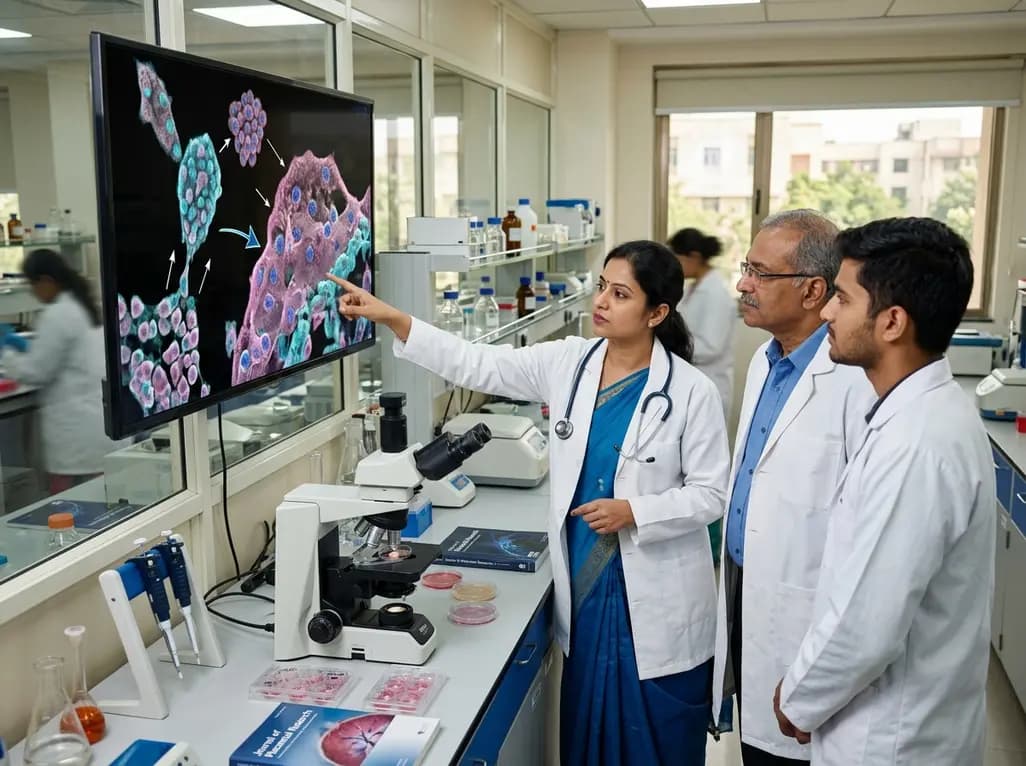
Recent research reveals that downregulating YAP1/TAZ-TEAD via Hippo signaling triggers spontaneous human trophoblast syncytialization in 3D cultures, illuminating placental biology and preeclampsia.
4 days back
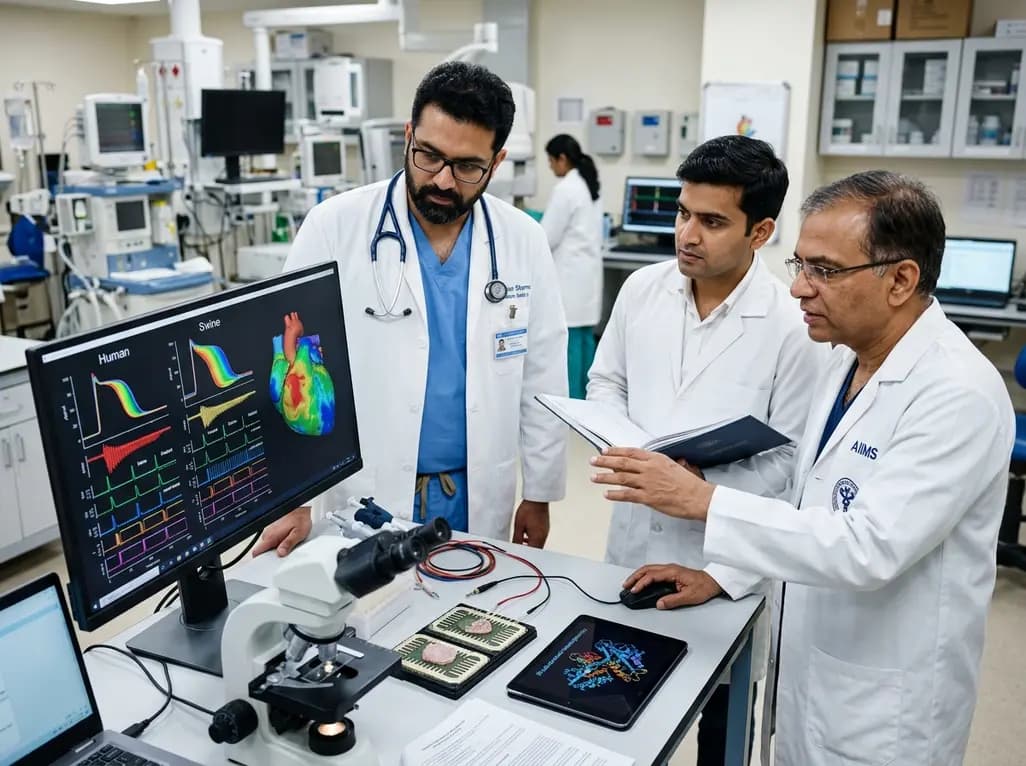
A landmark comparative study evaluates atrial electrophysiology across humans, swine, and rodents. By linking cellular recordings with transcriptomics and in silico modeling, researchers resolve cross-species gaps, explaining translational failures to advance targeted therapies for atrial arrhythmias.
4 days back
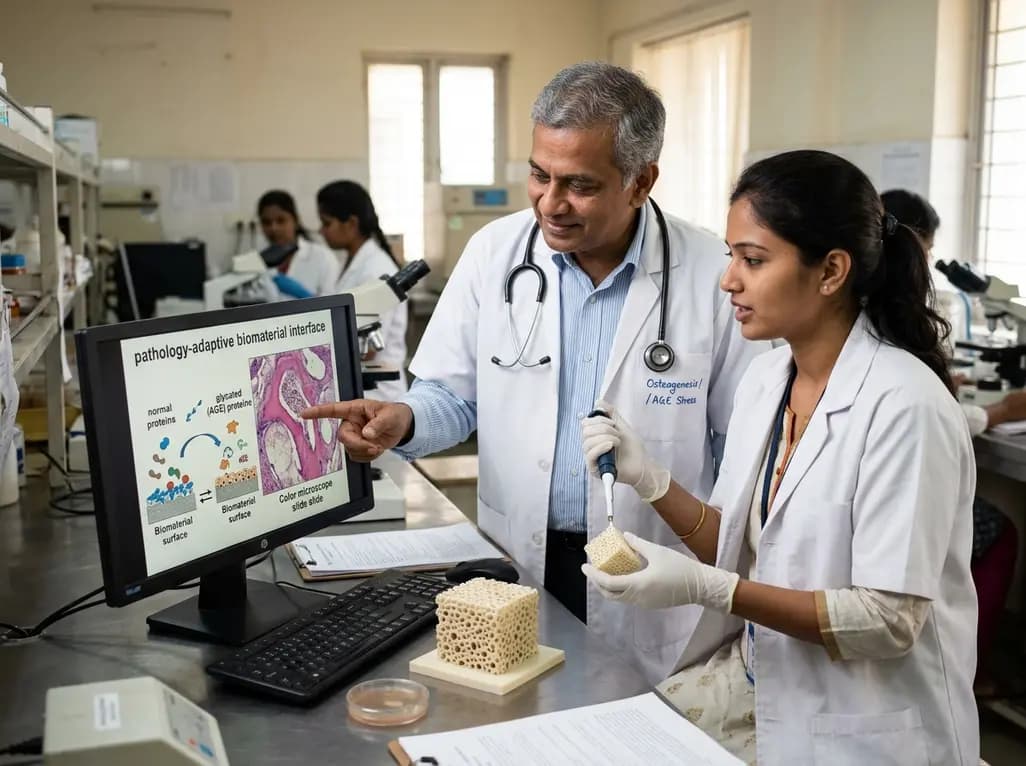
A novel pathology-adaptive surface engineering strategy uses functionalized plasma polymer coatings to selectively modulate AGE adsorption, reducing oxidative stress and restoring bone formation in diabetic and aging microenvironments.
4 weeks back
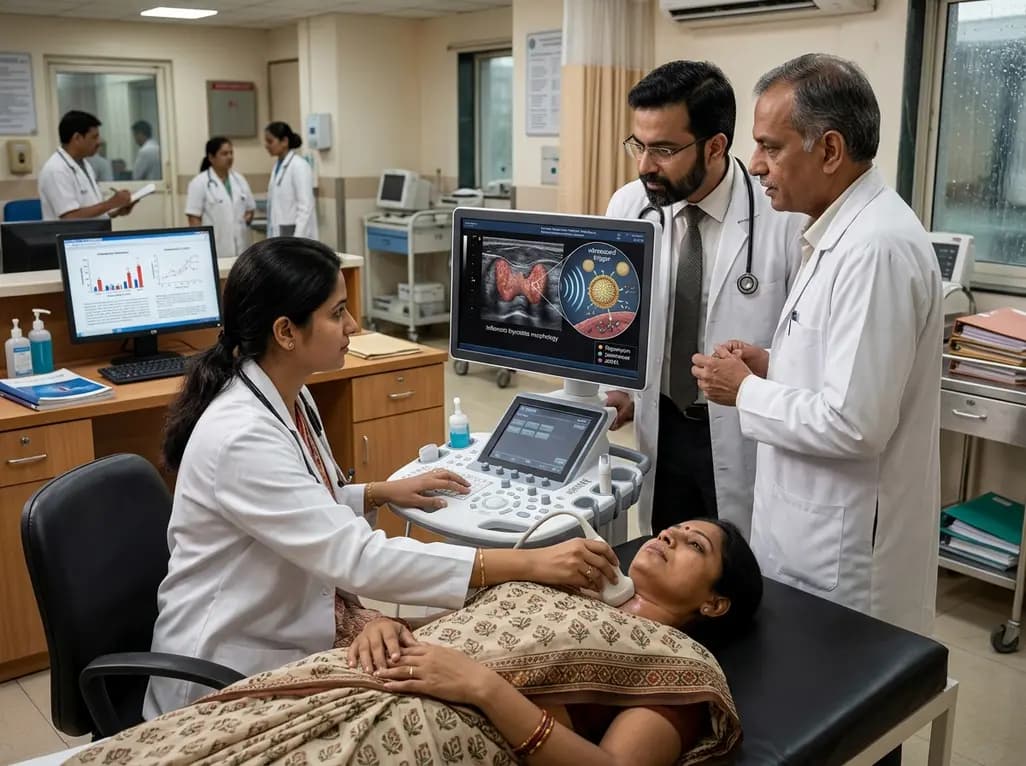
Researchers have developed an innovative ultrasound-responsive nano-contrast agent that co-delivers CIITA-siRNA and rapamycin directly to inflamed thyroid tissue, significantly reducing autoimmune injury and thyroid autoantibodies in preclinical models of Hashimoto thyroiditis.
5 days back
