.webp&w=384&q=75)

Loading, please wait...
Loading, please wait...

Restoring load-bearing connective tissues like bone and cartilage remains a central challenge in regenerative medicine. Conventional autografts often cause donor-site morbidity and immune complications. Consequently, biomass-derived hydrogels have emerged as promising scaffolds for tissue repair. These materials mimic the natural extracellular matrix architecture while offering high biocompatibility. However, their inherent mechanical fragility previously limited clinical use. Recently, researchers developed intrinsic reinforcement strategies to overcome these historical weaknesses. Furthermore, new composition-structure designs now incorporate bio-functional components to enhance therapeutic outcomes.
Advanced hydrogel development relies on integrative reinforcement concepts to ensure stability. Specifically, these strategies involve dynamic bonding and multiphase doping to boost strength. By framing development through a systems perspective, scientists can address the complex mechanics of native tissues. Therefore, next-generation scaffolds achieve both robust physical properties and physiological adaptability. Additionally, interfacial engineering plays a vital role in creating stable, regenerative environments for patient-specific care.
Looking forward, the integration of AI-guided optimization will redefine future material design. Stimuli-responsive hydrogels can now adapt to various dynamic biological environments. Moreover, multiphasic architectures allow for more efficient clinical translation and surgical integration. This synergy between materials science and biomechanics ensures superior regenerative efficacy. In conclusion, these technological advancements provide a rational pathway toward more effective orthopedic treatments globally.
Biomass-derived hydrogels offer superior biocompatibility and a structure that closely mimics the natural extracellular matrix. This promotes better cell integration and reduces the risk of immune rejection compared to traditional synthetic materials.
AI-guided optimization helps researchers identify the ideal composition and structure for scaffolds. This allows for the creation of patient-specific hydrogels that match the mechanical and biological needs of specific tissue types like tendons or ligaments.
Disclaimer: This content is for informational and educational purposes only. It does not constitute medical advice or establish a doctor-patient relationship. Refer to the latest local and national guidelines for clinical practice.
References

Read summarized clinical updates, watch expert medical content, and earn CME certifications right from your smartphone.
Open your smartphone camera to scan and install.





Restoring load-bearing connective tissues remains a challenge in regenerative medicine. This review explores how biomass-derived hydrogels, enhanced by AI and innovative reinforcement strategies, are paving the way for next-generation clinical scaffolds in orthopedics and surgery.
4 months ago
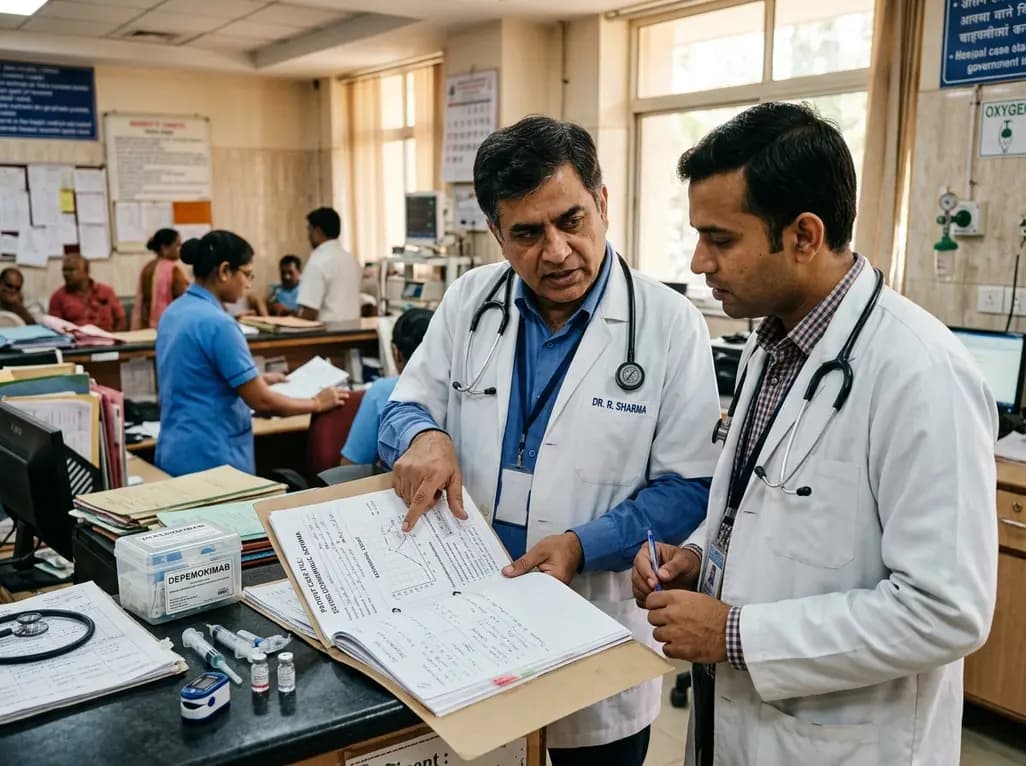
Depemokimab offers twice-yearly dosing for severe eosinophilic asthma and chronic rhinosinusitis with nasal polyps, significantly cutting exacerbations and hospital admissions.
3 days back

A novel copper metal-organic framework hydrogel remodels the uterine microenvironment to stimulate robust endometrial regeneration, reduce intrauterine fibrosis, and restore reproductive fertility, offering a groundbreaking strategy for managing refractory endometrial damage and Asherman syndrome.
3 days back
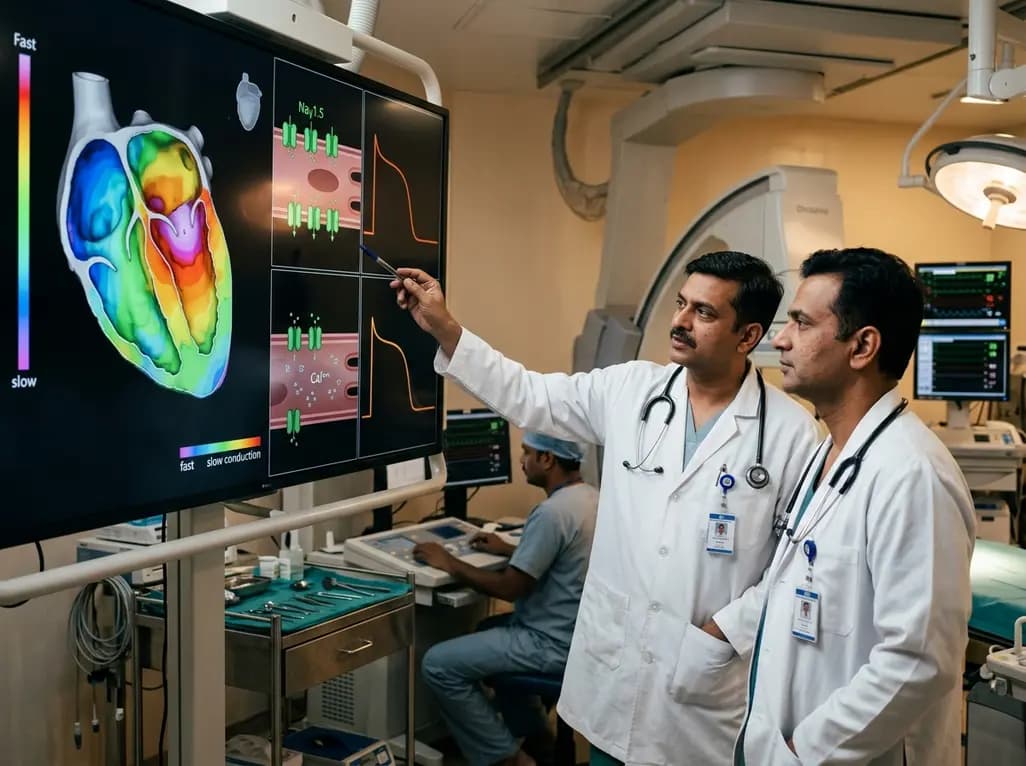
New research reveals that non-ablative radiotherapy suppresses ventricular tachycardia by increasing conduction velocity via NaV1.5 upregulation and action potential prolongation. However, sustained sodium current elevation and depressed calcium handling highlight the need for careful clinical translation.
5 days back
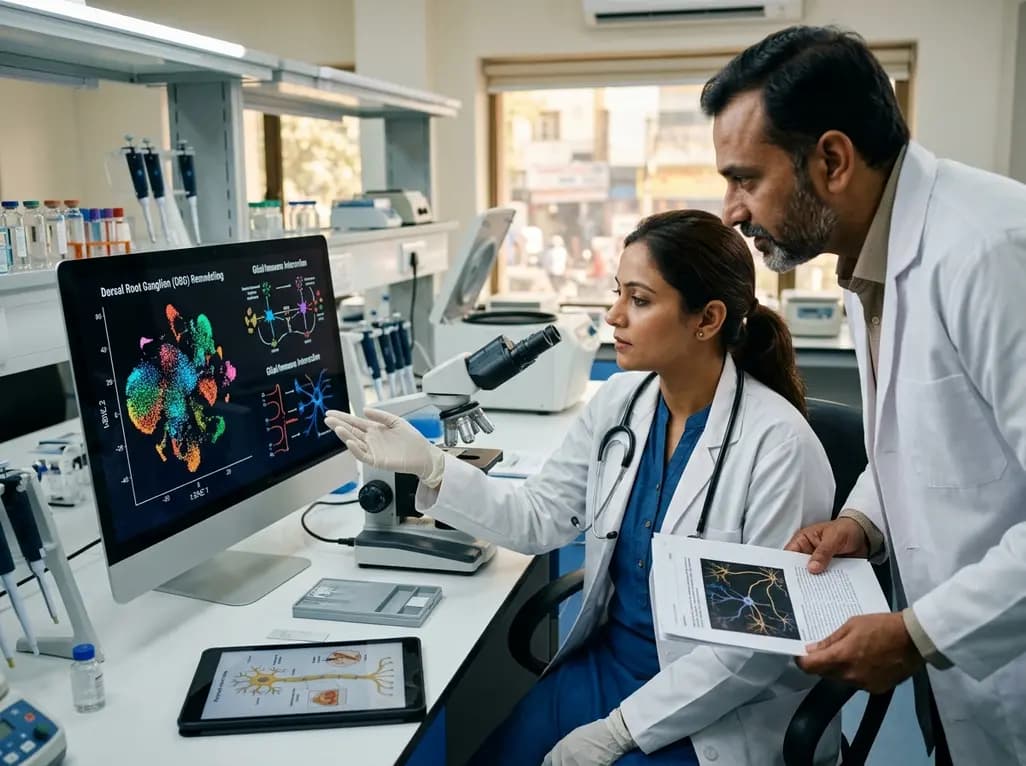
A single-cell transcriptomic atlas reveals how peripheral nerve injuries cause dorsal root ganglion remodeling. By evaluating proximal nerve crush and resection, researchers identify distinct glial and immune programs that resolve neuropathic pain and promote regeneration.
3 days back
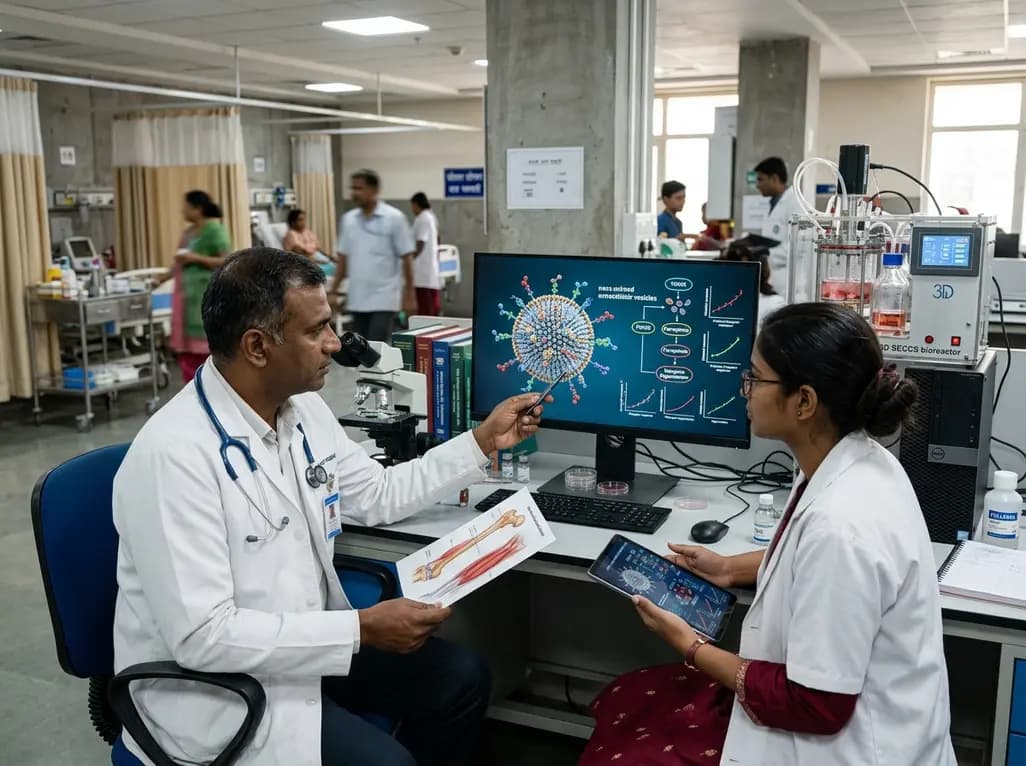
A breakthrough study demonstrates that fullerol-primed extracellular vesicles generated in a 3D SECCS bioreactor attenuate ferroptosis and restore myogenic regeneration in diabetes via the FOXO3 pathway, offering a cell-free therapeutic strategy for diabetic musculoskeletal degeneration.
3 days back
