.webp&w=384&q=75)

Loading, please wait...
Loading, please wait...
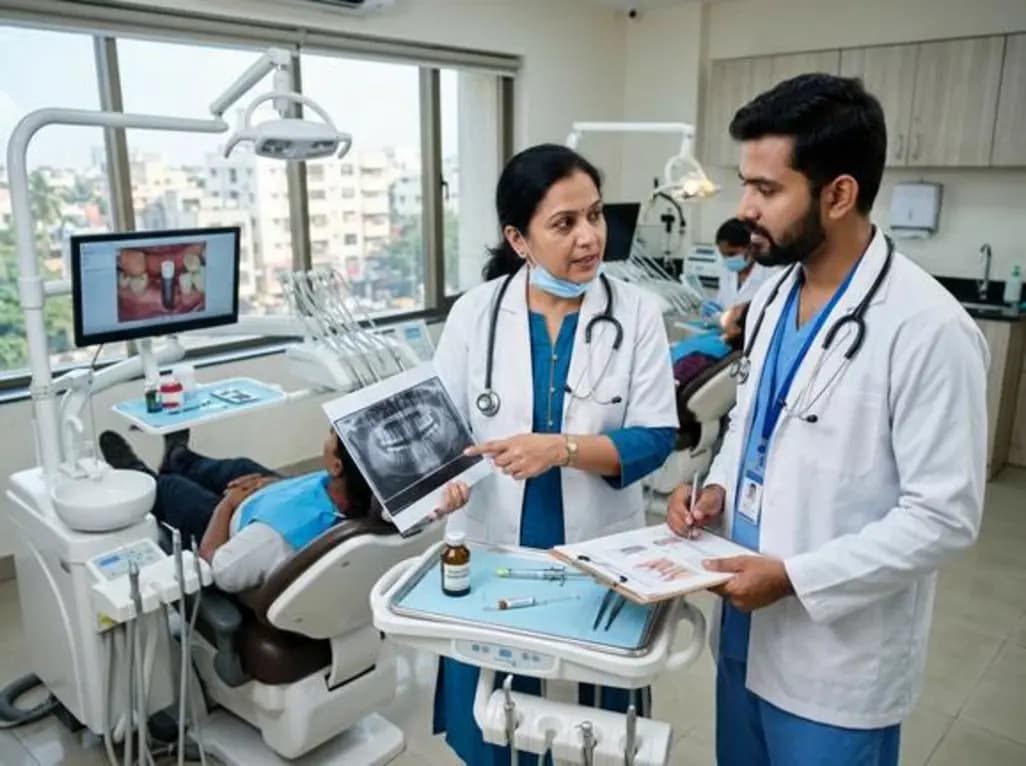
Bioactive dental biomaterials are substances specifically engineered to interact with living biological systems for therapeutic and regenerative purposes. Unlike traditional inert materials, these advanced substances actively modulate the foreign body response and promote tissue repair. The clinical success of these materials depends heavily on their surface properties, which regulate early protein adsorption and subsequent cellular responses. Understanding these immunoinflammatory mechanisms is essential for reducing complications like fibrous encapsulation while enhancing tissue integration.
In the field of dental implantology, bioactive dental biomaterials have become indispensable for functional rehabilitation. However, biological complications remain a significant challenge for clinicians. Recent innovations in surface engineering and nanotechnology have paved the way for materials that not only offer structural support but also actively participate in the healing process. These developments aim to bridge the gap between fundamental biomaterial science and successful clinical outcomes.
Effective clinical translation of bioactive dental biomaterials requires a thorough understanding of the interactions between the material surface and the surrounding host tissue. Research emphasizes the role of host response and regulatory alignment in bringing these innovations to the bedside. By following ISO guidelines for preclinical validation, researchers can ensure that new materials meet the rigorous safety and efficacy standards required for human use.
Modern dental materials now incorporate nanostructured surfaces to improve osseointegration and reduce bacterial adhesion. These bioactive dental biomaterials are designed to release therapeutic ions that encourage the remineralization of dental structures. A pragmatic roadmap for clinical translation involves aligning research objectives with established regulatory frameworks to facilitate faster adoption of these technologies in routine dental practice.
A bioactive material is designed to elicit a specific biological response, such as promoting tissue integration or mineral deposition, rather than remaining biologically inert.
Nanotechnology allows for the creation of surface topographies that enhance cellular attachment and reduce the risk of infection, leading to better long-term implant success.
Regulatory alignment ensures that bioactive materials undergo standardized testing (such as ISO guidelines) to guarantee patient safety and clinical efficacy before they are used in practice.
Disclaimer: This content is for informational and educational purposes only and does not constitute medical advice. Always consult with a qualified dental professional for specific clinical concerns. Refer to the latest local and national guidelines for clinical practice.
References

Read summarized clinical updates, watch expert medical content, and earn CME certifications right from your smartphone.
Open your smartphone camera to scan and install.





Bioactive dental biomaterials are revolutionizing dentistry by actively promoting tissue repair and integration. This review explores the immunoinflammatory mechanisms, regulatory frameworks, and clinical translation strategies essential for enhancing healing outcomes in dental implantology.
4 months ago

Depemokimab offers twice-yearly dosing for severe eosinophilic asthma and chronic rhinosinusitis with nasal polyps, significantly cutting exacerbations and hospital admissions.
4 days back

A novel copper metal-organic framework hydrogel remodels the uterine microenvironment to stimulate robust endometrial regeneration, reduce intrauterine fibrosis, and restore reproductive fertility, offering a groundbreaking strategy for managing refractory endometrial damage and Asherman syndrome.
4 days back
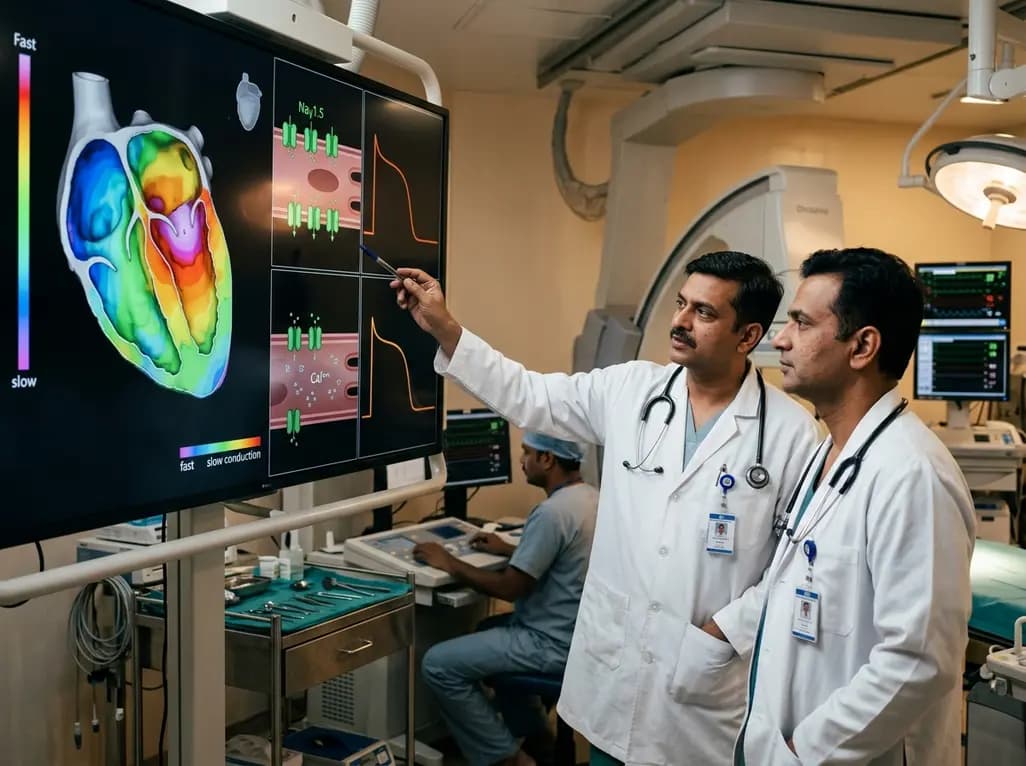
New research reveals that non-ablative radiotherapy suppresses ventricular tachycardia by increasing conduction velocity via NaV1.5 upregulation and action potential prolongation. However, sustained sodium current elevation and depressed calcium handling highlight the need for careful clinical translation.
6 days back
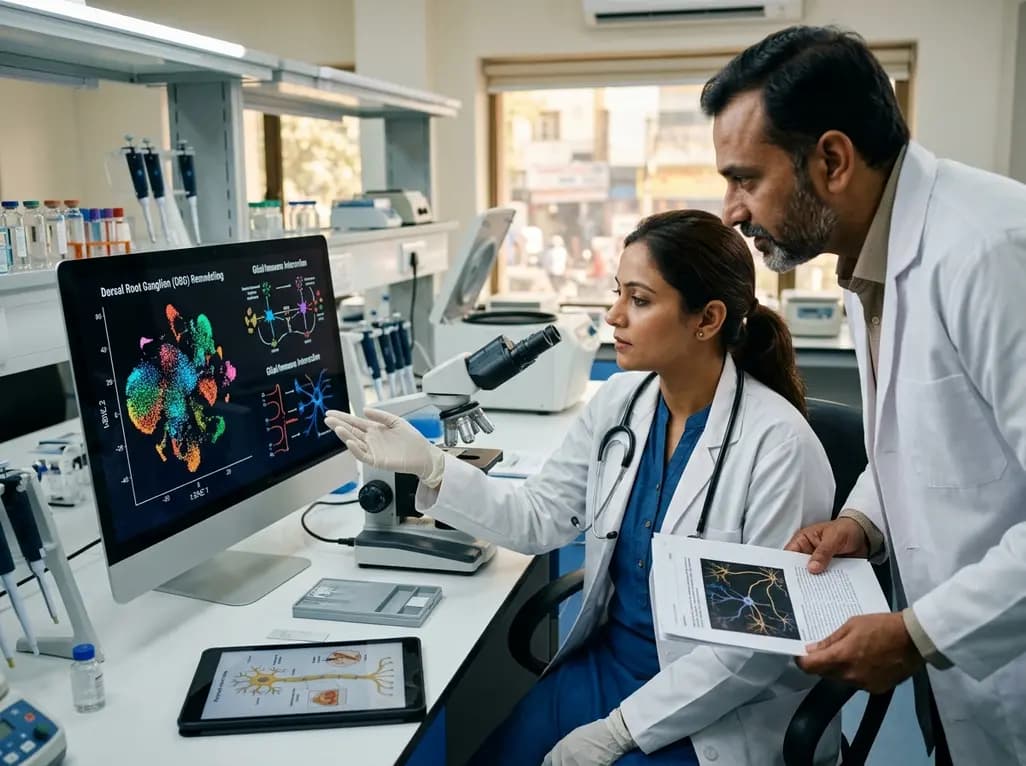
A single-cell transcriptomic atlas reveals how peripheral nerve injuries cause dorsal root ganglion remodeling. By evaluating proximal nerve crush and resection, researchers identify distinct glial and immune programs that resolve neuropathic pain and promote regeneration.
4 days back
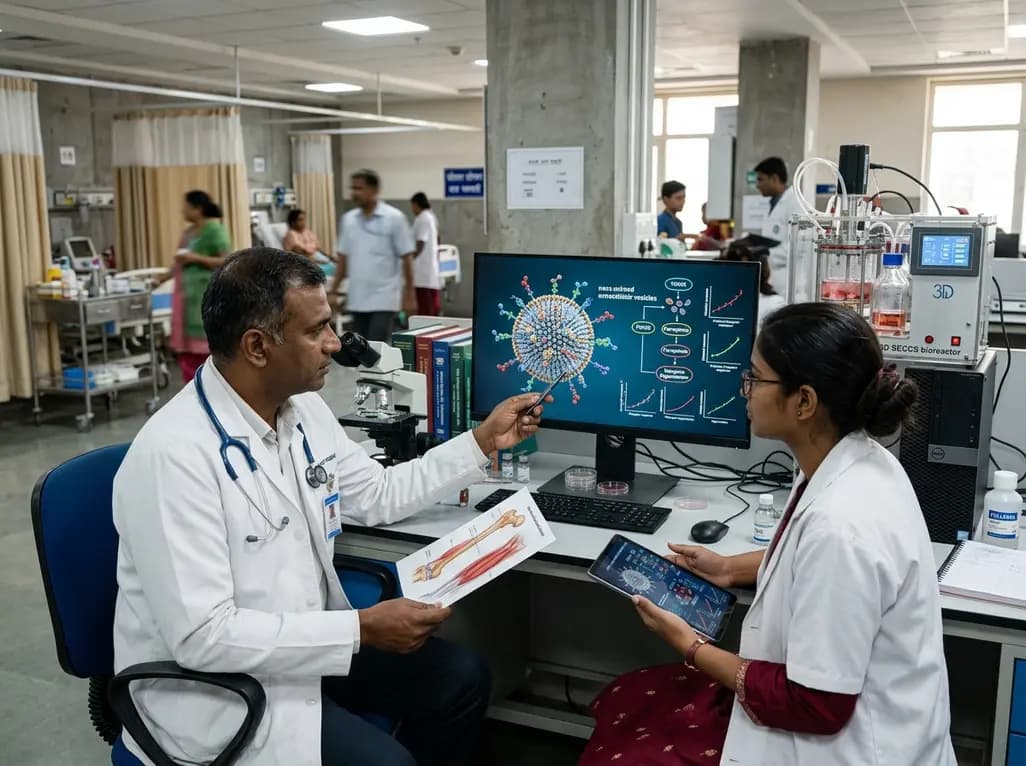
A breakthrough study demonstrates that fullerol-primed extracellular vesicles generated in a 3D SECCS bioreactor attenuate ferroptosis and restore myogenic regeneration in diabetes via the FOXO3 pathway, offering a cell-free therapeutic strategy for diabetic musculoskeletal degeneration.
4 days back
