.webp&w=384&q=75)

Loading, please wait...
Loading, please wait...
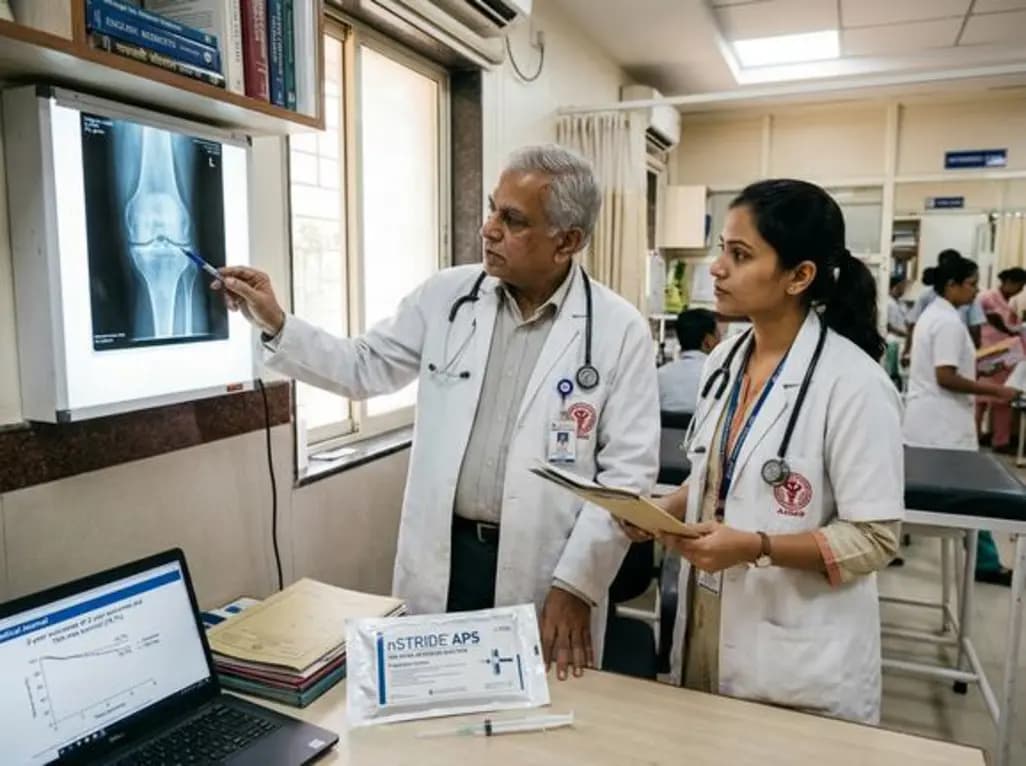
Knee osteoarthritis remains a leading cause of chronic disability and pain for many aging adults. Recent clinical evidence suggests that Autologous Protein Solution injection serves as an effective non-operative bridge for patients who wish to defer total knee arthroplasty (TKA). A prospective case series recently evaluated the two-year outcomes of 67 knees treated with a single injection. This research specifically focused on how structural severity and inflammatory phenotypes influence patient recovery.
Structural joint severity significantly dictates the success of biological therapies. Patients with Kellgren-Lawrence (KL) grades 2 and 3 experienced notably better outcomes in pain relief and physical function. In contrast, those with KL grade 4 showed less improvement in KOOS Pain and activities of daily living scores. Consequently, clinicians should consider structural staging when setting patient expectations. Early-to-moderate stages typically yield the highest durability, while severe degeneration often limits the solution's regenerative potential.
Notably, the volume of pre-injection synovial fluid serves as a critical indicator of the inflammatory phenotype. The study observed that patients with high synovial fluid volume (≥ 2.5 mL) responded less favorably than those with lower volumes. This suggests that a highly inflammatory joint environment may counteract the anti-inflammatory cytokines provided by the injection. Therefore, identifying these phenotypes beforehand can help in personalizing treatment plans. It ensures that patients with excessive inflammation receive appropriate adjunct therapies to optimize results.
One of the most promising findings was the survival rate regarding surgical intervention. Specifically, the Kaplan-Meier analysis showed a 75.7% TKA-free survival rate at the two-year mark. This indicates that most patients can successfully avoid or delay major surgery through a single biological treatment. Moreover, the OMERACT-OARSI responder rates remained consistently high for the majority of the cohort. Accordingly, this therapy offers a significant window of relief for those seeking conservative management options.
In summary, biological solutions provide a robust alternative for managing knee degeneration. Although outcomes vary by structural severity, the overall durability of the treatment is significant. Orthopedic specialists should prioritize patient selection to ensure the best long-term outcomes. Furthermore, this approach represents a meaningful step toward personalized regenerative medicine in osteoarthritis care.
The best candidates are typically patients with mild to moderate (KL 2-3) knee osteoarthritis. Those with severe, bone-on-bone (KL 4) disease generally see lower response rates and less durability.
High levels of joint inflammation, often indicated by large volumes of synovial fluid, can reduce the effectiveness of the injection. Lower inflammatory states correlate with better long-term pain relief.
Yes, clinical data shows that over 75% of patients remained free from total knee arthroplasty for at least two years following a single injection.
Disclaimer: This content is for informational and educational purposes only and does not constitute medical advice. Always seek the advice of a qualified healthcare provider regarding any medical condition. Refer to the latest local and national guidelines for clinical practice.
References
Satake S et al. A prospective case series of autologous protein solution injection in knee osteoarthritis: two-year outcomes stratified by structural severity and inflammatory phenotype. Knee. 2026 Jun 18. doi: undefined. PMID: 42314238.
Kon E et al. Autologous Protein Solution Injections for the Treatment of Knee Osteoarthritis: 3-Year Results. Am J Sports Med. 2020;48(11):2703-2710.
Kuwasawa A et al. Clinical results of autologous protein solution injection for knee osteoarthritis with severe disease grade is inferior to mild or moderate grade. Sci Rep. 2022;12(1):21013.

Read summarized clinical updates, watch expert medical content, and earn CME certifications right from your smartphone.
Open your smartphone camera to scan and install.





A 2-year study reveals that Autologous Protein Solution (APS) injection provides a durable non-operative bridge for knee osteoarthritis, with 75.7% TKA-free survival. Outcomes vary significantly based on Kellgren-Lawrence grade and inflammatory phenotype.
4 months ago
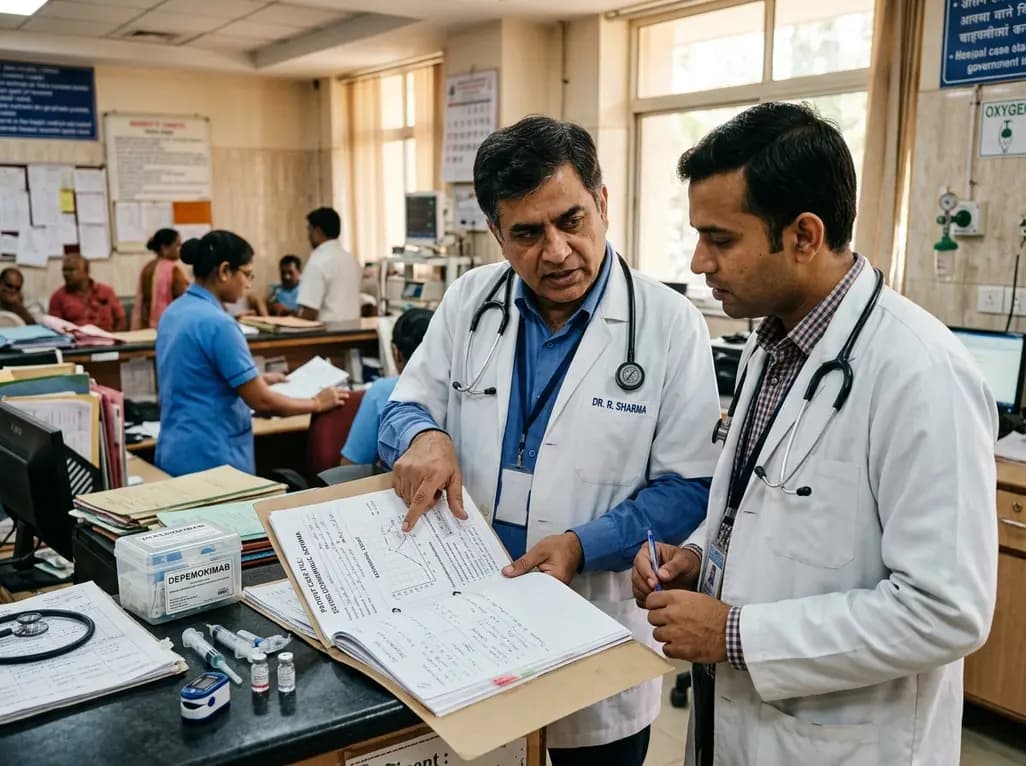
Depemokimab offers twice-yearly dosing for severe eosinophilic asthma and chronic rhinosinusitis with nasal polyps, significantly cutting exacerbations and hospital admissions.
3 days back

A novel copper metal-organic framework hydrogel remodels the uterine microenvironment to stimulate robust endometrial regeneration, reduce intrauterine fibrosis, and restore reproductive fertility, offering a groundbreaking strategy for managing refractory endometrial damage and Asherman syndrome.
4 days back

New research reveals that non-ablative radiotherapy suppresses ventricular tachycardia by increasing conduction velocity via NaV1.5 upregulation and action potential prolongation. However, sustained sodium current elevation and depressed calcium handling highlight the need for careful clinical translation.
6 days back

A single-cell transcriptomic atlas reveals how peripheral nerve injuries cause dorsal root ganglion remodeling. By evaluating proximal nerve crush and resection, researchers identify distinct glial and immune programs that resolve neuropathic pain and promote regeneration.
4 days back
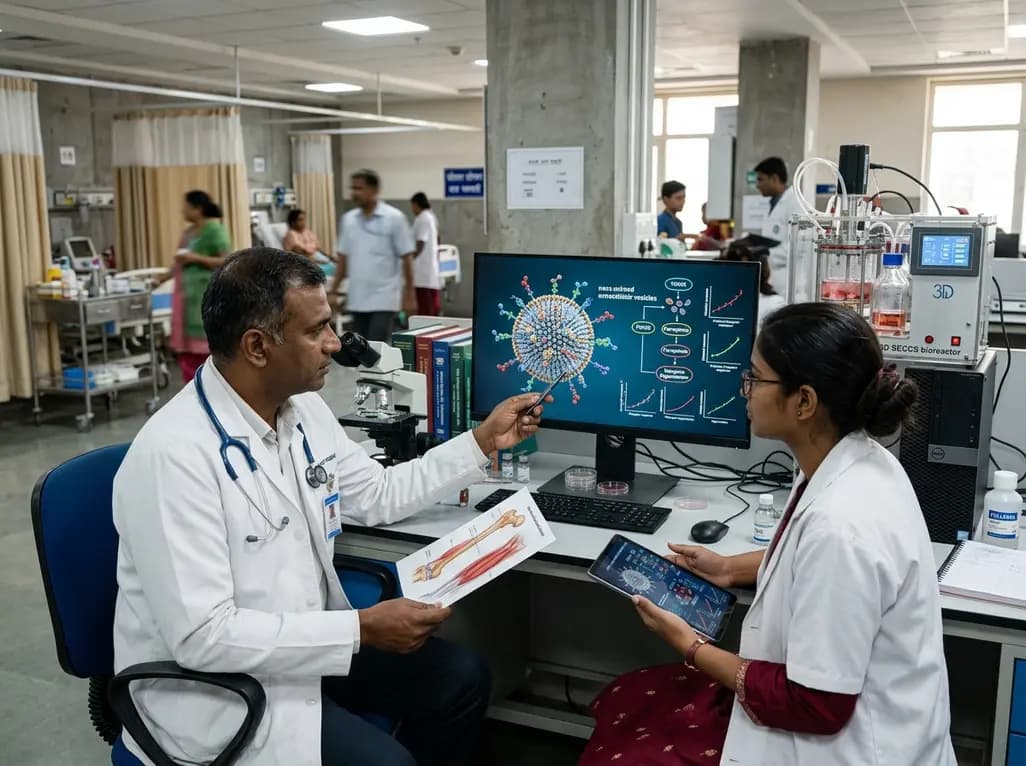
A breakthrough study demonstrates that fullerol-primed extracellular vesicles generated in a 3D SECCS bioreactor attenuate ferroptosis and restore myogenic regeneration in diabetes via the FOXO3 pathway, offering a cell-free therapeutic strategy for diabetic musculoskeletal degeneration.
4 days back
