.webp&w=384&q=75)

Loading, please wait...
Loading, please wait...

Recent clinical research reveals significant challenges in vestibular migraine auditory processing among affected individuals. Vestibular migraine is a complex neurological condition that often involves the trigeminovascular system. Notably, this system innervates critical auditory regions, including the superior olivary complex. Because this region is responsible for decoding spatial information, researchers hypothesized that binaural cues might be compromised. A nonexperimental, cross-sectional study was conducted to compare spatial hearing abilities between patients and healthy controls.
The study compared 17 participants with vestibular migraine against 17 healthy controls aged 20-60 years. Researchers assessed interaural level difference (ILD), interaural time difference (ITD), and Virtual Auditory Space Identification (VASI). Furthermore, they utilized the Kannada version of the Speech, Spatial and Qualities of Hearing Scale (SSQ-K). The results showed that individuals with vestibular migraine exhibited significant deficits in ILD and ITD accuracy scores. Moreover, their ability to identify sounds in a virtual environment was markedly poorer than the control group.
These deficits in vestibular migraine auditory processing have direct consequences on daily communication and quality of life. Patients often struggle to localize sounds or follow conversations in noisy environments. Consequently, clinicians should consider incorporating spatial processing assessments into routine vestibular evaluations. Early detection of these impairments allows for targeted interventions. For instance, auditory spatial training could eventually become a standard component of rehabilitation programs to improve sensory integration in these patients.
Vestibular migraine can disrupt the brain's ability to process binaural cues, such as time and level differences between ears. This disruption makes it significantly harder for patients to pinpoint the exact location of sound sources in their environment.
Clinicians use several assessments, including interaural level difference (ILD), interaural time difference (ITD), and Virtual Auditory Space Identification (VASI) scores. These tests help quantify how well a patient integrates auditory signals from both ears.
While research is ongoing, experts suggest that auditory spatial training may improve communication and quality of life. Training helps the brain adapt to sensory processing deficits, potentially serving as a valuable addition to standard vestibular rehabilitation.
Disclaimer: This content is for informational and educational purposes only. It does not constitute medical advice and is not a substitute for professional clinical judgment. Refer to the latest local and national guidelines for clinical practice.
References
Vinod V et al. Auditory Spatial Processing in Patients With Vestibular Migraine. Am J Audiol. 2026 Jun 18. doi: 10.1044/2026_AJA-25-00325. PMID: 42314221.
Beh SC. Vestibular and Auditory Manifestations of Migraine. PMC - NIH. 2022.
All India Institute of Speech and Hearing. Cognitive Abilities and Listening Effort in Individuals with Vestibular Migraine. PMC. 2024.

Read summarized clinical updates, watch expert medical content, and earn CME certifications right from your smartphone.
Open your smartphone camera to scan and install.





A recent study demonstrates that patients with vestibular migraine face significant challenges in auditory spatial processing. These deficits in binaural cue decoding and sound localization suggest that clinical assessments should prioritize spatial hearing as part of comprehensive migraine rehabilitation.
4 months ago
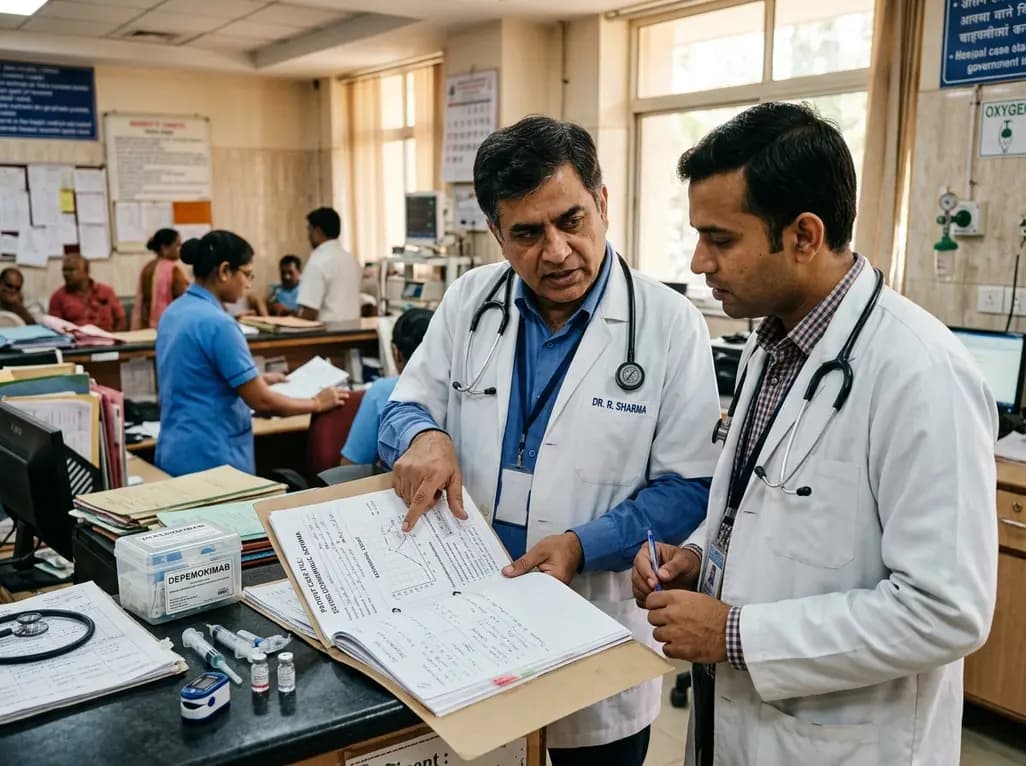
Depemokimab offers twice-yearly dosing for severe eosinophilic asthma and chronic rhinosinusitis with nasal polyps, significantly cutting exacerbations and hospital admissions.
4 days back
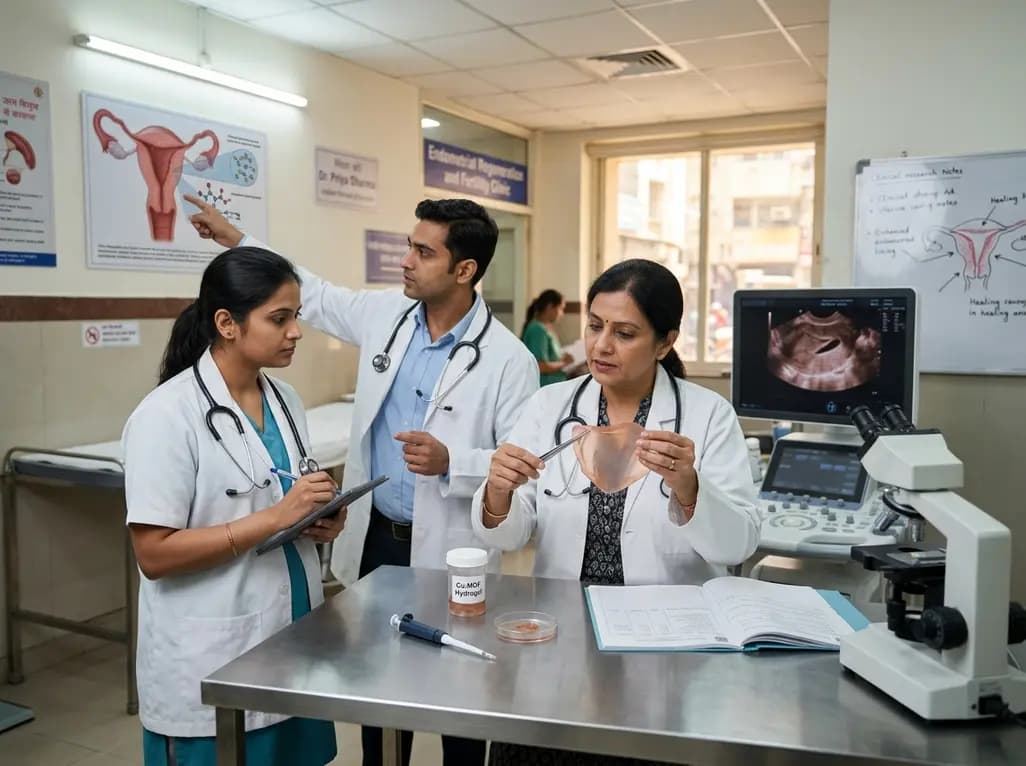
A novel copper metal-organic framework hydrogel remodels the uterine microenvironment to stimulate robust endometrial regeneration, reduce intrauterine fibrosis, and restore reproductive fertility, offering a groundbreaking strategy for managing refractory endometrial damage and Asherman syndrome.
4 days back
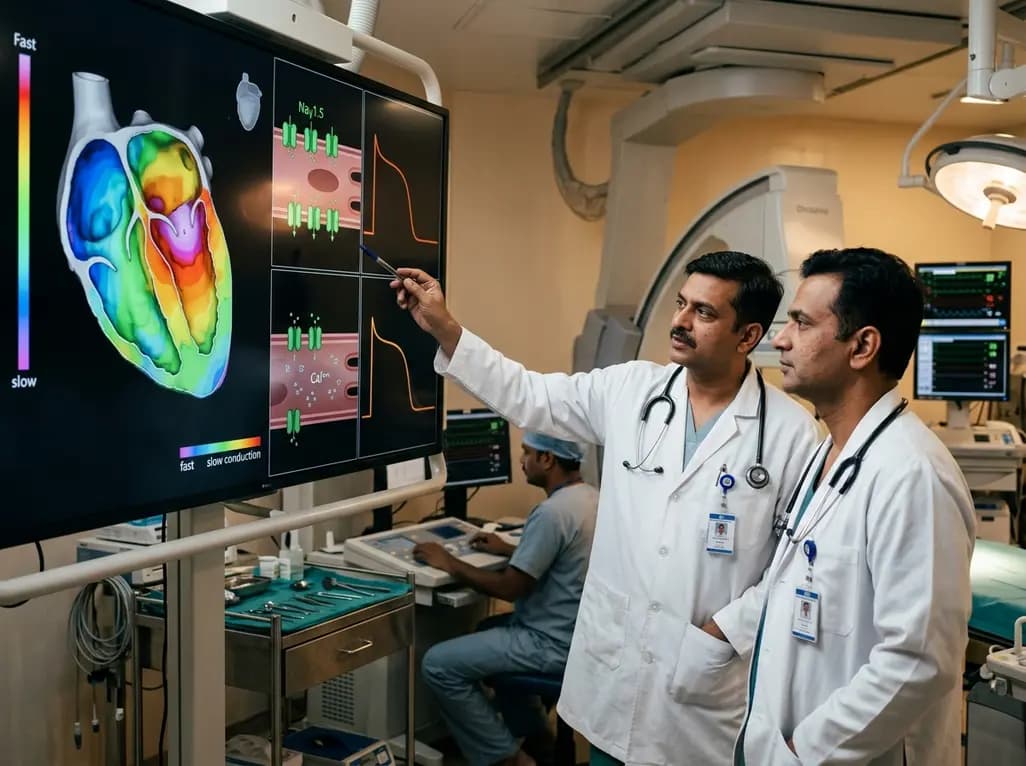
New research reveals that non-ablative radiotherapy suppresses ventricular tachycardia by increasing conduction velocity via NaV1.5 upregulation and action potential prolongation. However, sustained sodium current elevation and depressed calcium handling highlight the need for careful clinical translation.
6 days back
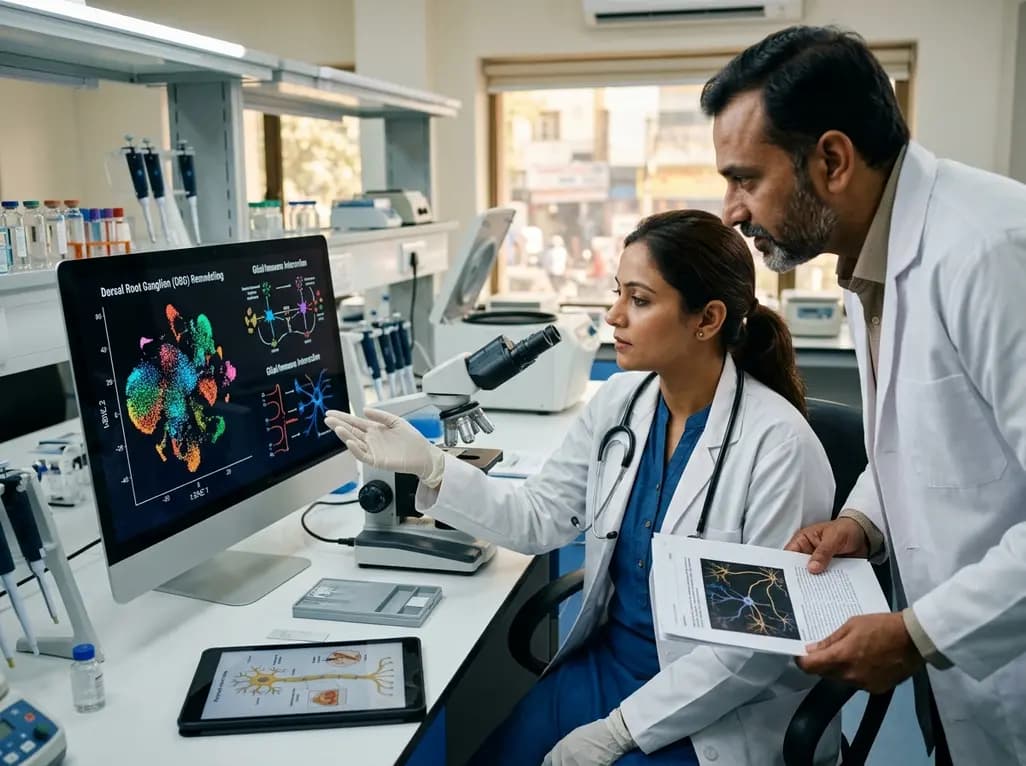
A single-cell transcriptomic atlas reveals how peripheral nerve injuries cause dorsal root ganglion remodeling. By evaluating proximal nerve crush and resection, researchers identify distinct glial and immune programs that resolve neuropathic pain and promote regeneration.
4 days back
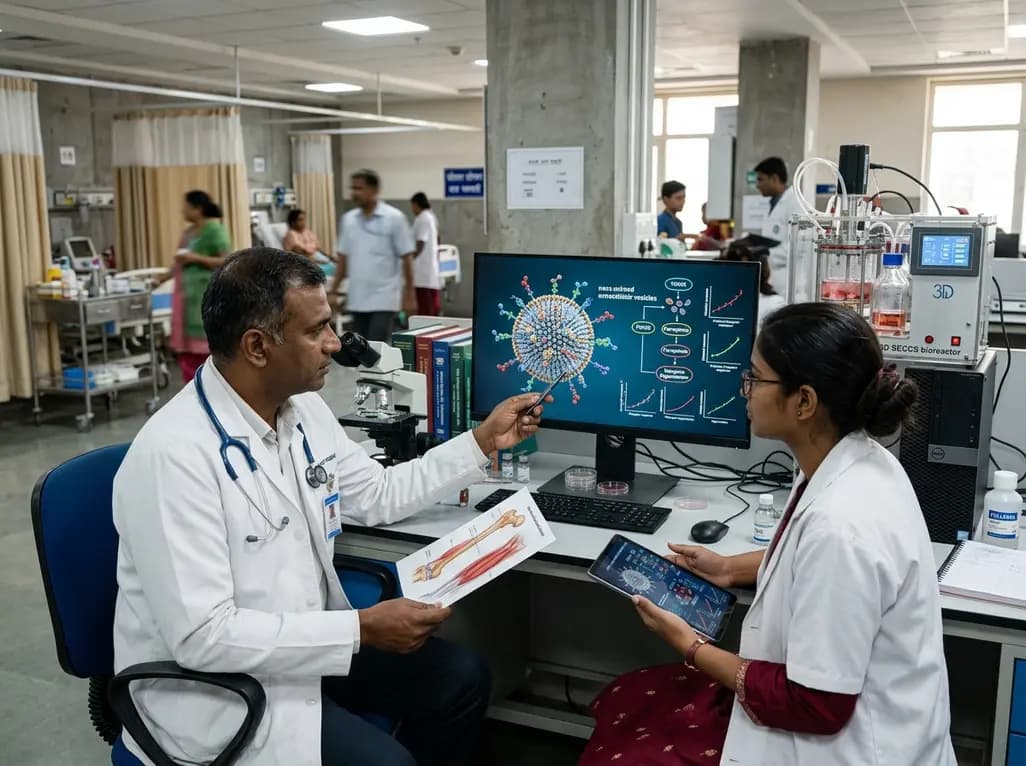
A breakthrough study demonstrates that fullerol-primed extracellular vesicles generated in a 3D SECCS bioreactor attenuate ferroptosis and restore myogenic regeneration in diabetes via the FOXO3 pathway, offering a cell-free therapeutic strategy for diabetic musculoskeletal degeneration.
4 days back
