.webp&w=384&q=75)

Loading, please wait...
Loading, please wait...
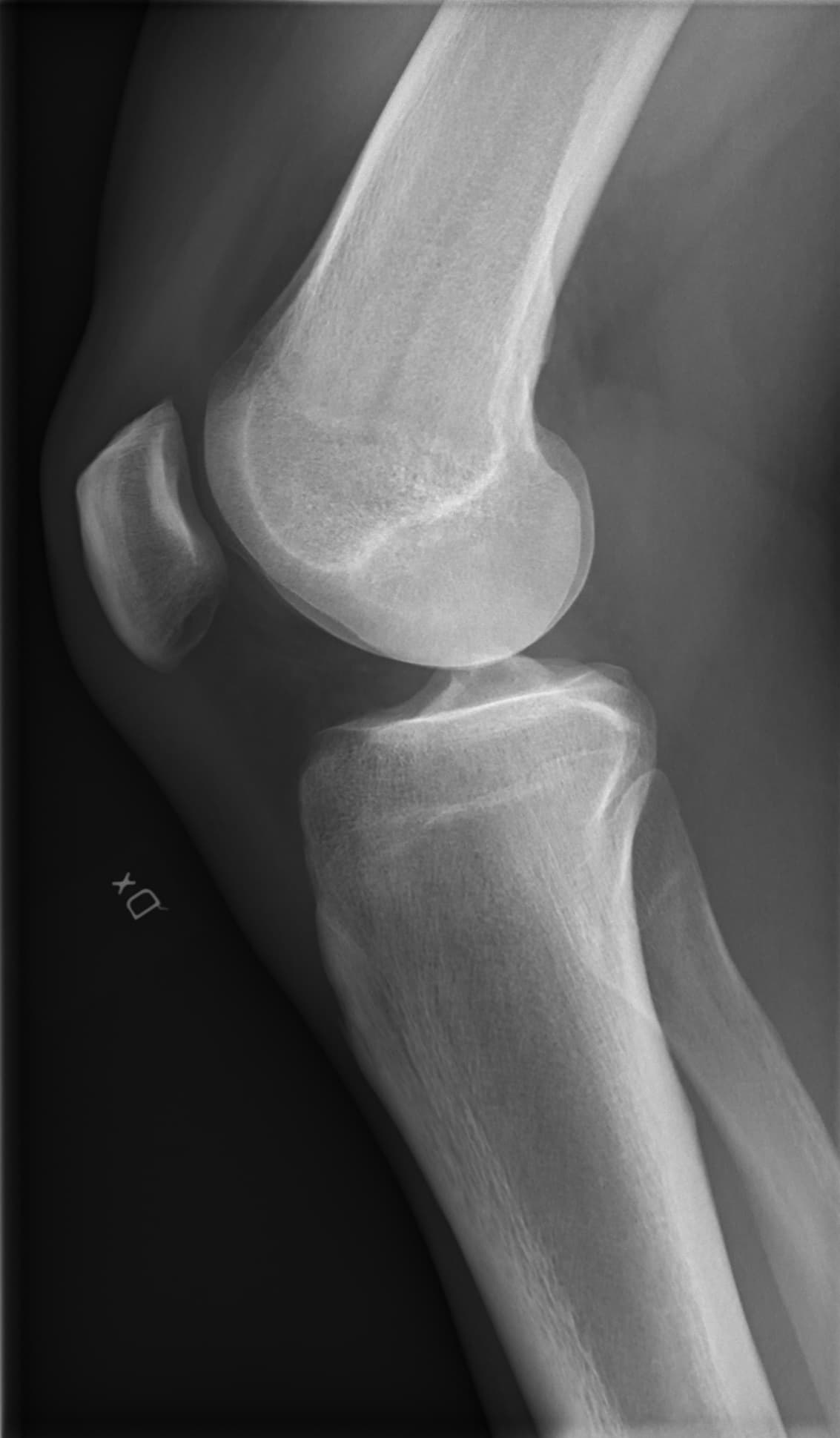
For patients with traumatic anterior shoulder instability and an isolated Bankart lesion, the choice between open and arthroscopic repair has evolved considerably. In this prospective randomized study, 60 patients were assigned to arthroscopic or open Bankart repair using suture anchors and followed for two years. Neither group experienced recurrent dislocation during follow-up, and the major functional scores were broadly comparable. The arthroscopic group had better range-of-motion results on the Constant scale. The study supports arthroscopic stabilization as an effective approach for appropriately selected isolated Bankart lesions and challenges the idea that an open procedure is automatically more stable. The important caveat is that the study involved a relatively small and selected population; patients with substantial glenoid bone loss or complex instability may require different strategies. For HCPs, the message is that minimally invasive stabilization can achieve reliable outcomes when the pathology is suitable and the technique is performed well. Preoperative assessment of bone loss and associated lesions remains essential, and rehabilitation is a key determinant of recovery.

Read summarized clinical updates, watch expert medical content, and earn CME certifications right from your smartphone.
Open your smartphone camera to scan and install.





For patients with traumatic anterior shoulder instability and an isolated Bankart lesion, the choice between open and arthroscopic repair has evolved considerably. In this prospective randomized study, 60 patients were assigned to arthroscopic or open Bankart repair using suture anchors and followed for two years. Neither group experienced recurrent dislocation during follow-up, and the major functional scores were broadly comparable. The arthroscopic group had better range-of-motion results on the Constant scale. The study supports arthroscopic stabilization as an effective approach for appropriately selected isolated Bankart lesions and challenges the idea that an open procedure is automatically more stable. The important caveat is that the study involved a relatively small and selected population; patients with substantial glenoid bone loss or complex instability may require different strategies. For HCPs, the message is that minimally invasive stabilization can achieve reliable outcomes when the pathology is suitable and the technique is performed well. Preoperative assessment of bone loss and associated lesions remains essential, and rehabilitation is a key determinant of recovery.
4 weeks back
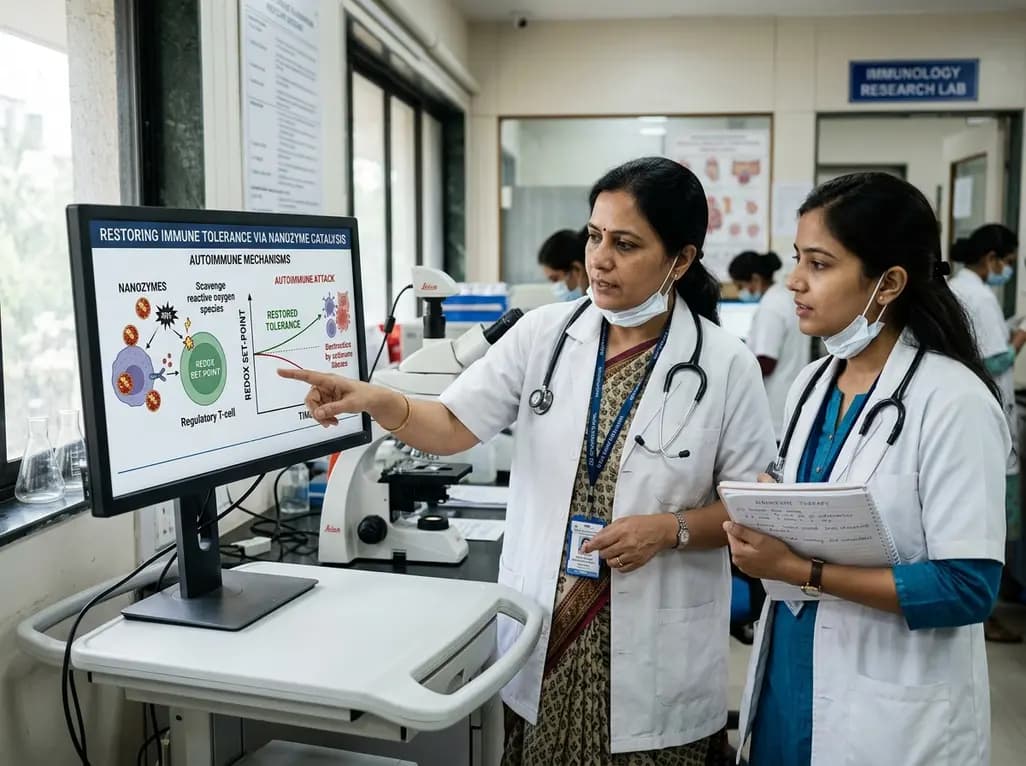
Discover how catalytic nanozymes redefine autoimmune disease therapy by establishing a physiological redox set-point to restore immune tolerance without broad immunosuppression.
Last week
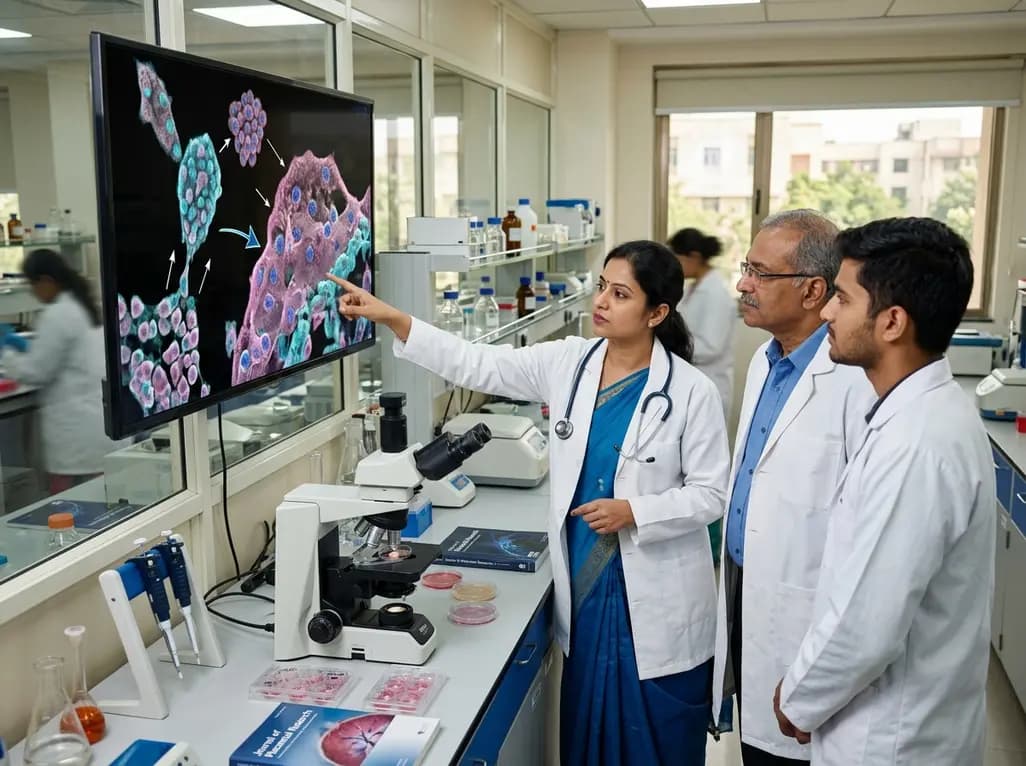
Recent research reveals that downregulating YAP1/TAZ-TEAD via Hippo signaling triggers spontaneous human trophoblast syncytialization in 3D cultures, illuminating placental biology and preeclampsia.
3 weeks back
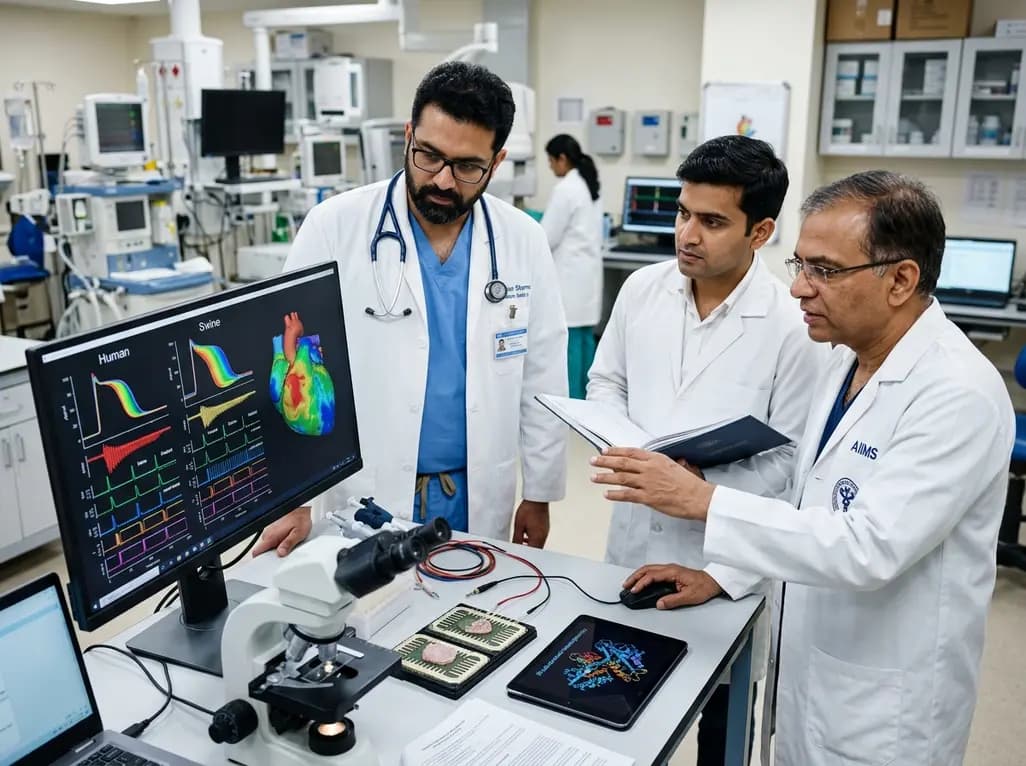
A landmark comparative study evaluates atrial electrophysiology across humans, swine, and rodents. By linking cellular recordings with transcriptomics and in silico modeling, researchers resolve cross-species gaps, explaining translational failures to advance targeted therapies for atrial arrhythmias.
3 weeks back
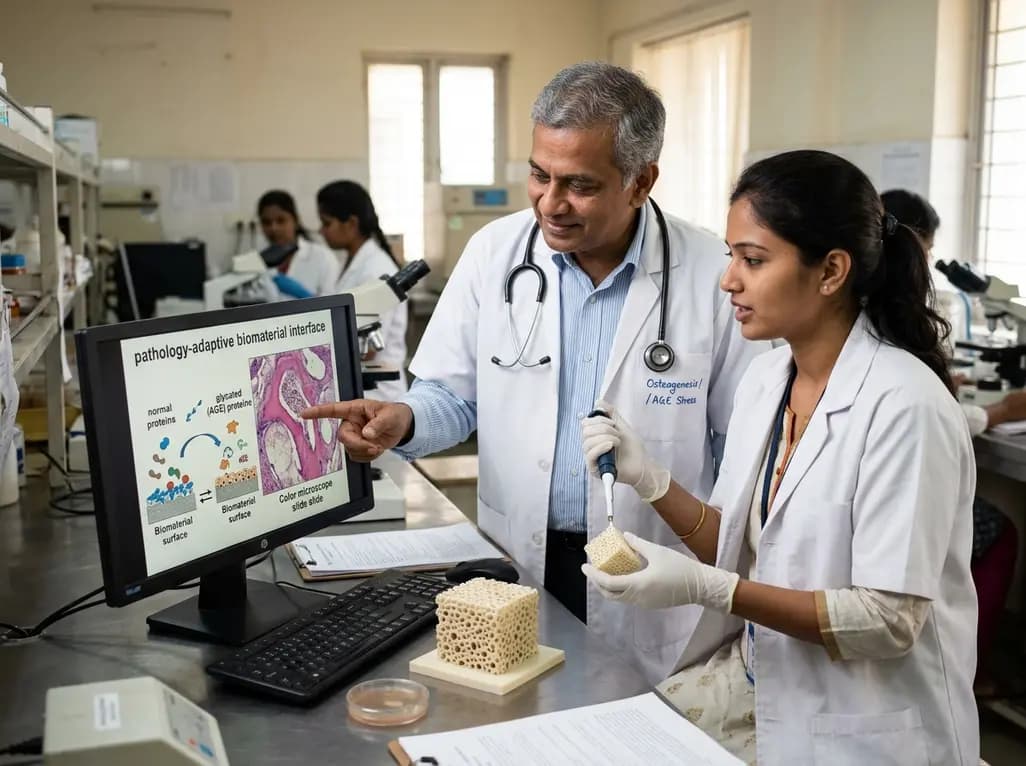
A novel pathology-adaptive surface engineering strategy uses functionalized plasma polymer coatings to selectively modulate AGE adsorption, reducing oxidative stress and restoring bone formation in diabetic and aging microenvironments.
last month
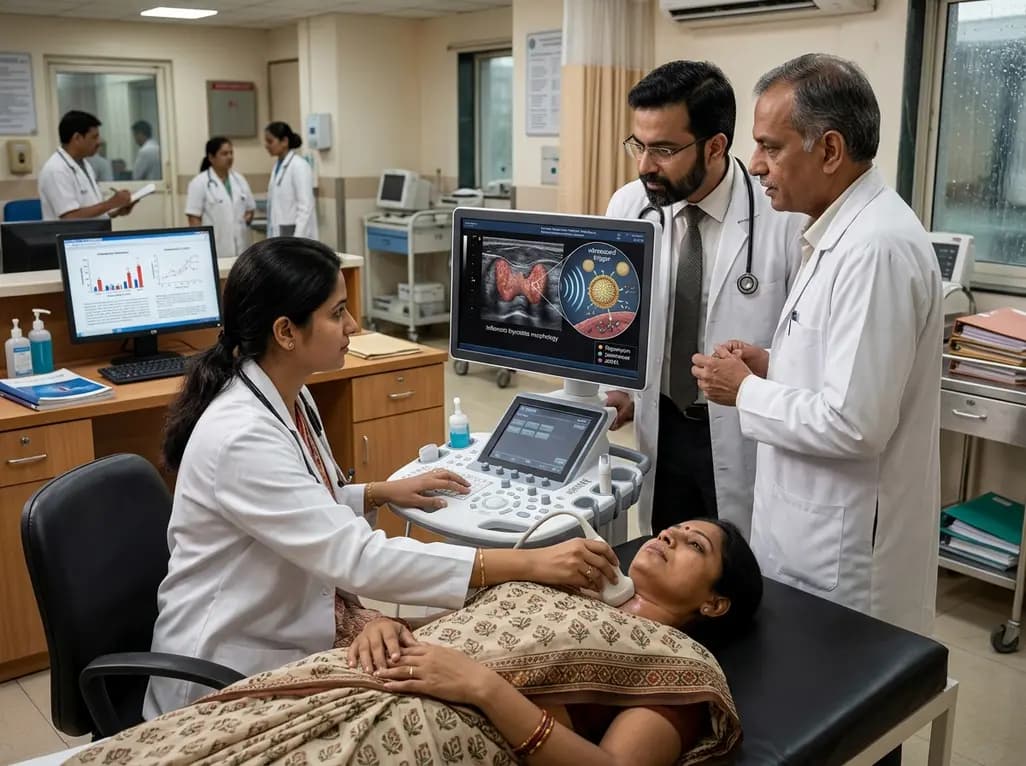
Researchers have developed an innovative ultrasound-responsive nano-contrast agent that co-delivers CIITA-siRNA and rapamycin directly to inflamed thyroid tissue, significantly reducing autoimmune injury and thyroid autoantibodies in preclinical models of Hashimoto thyroiditis.
3 weeks back
