.webp&w=384&q=75)

Loading, please wait...
Loading, please wait...
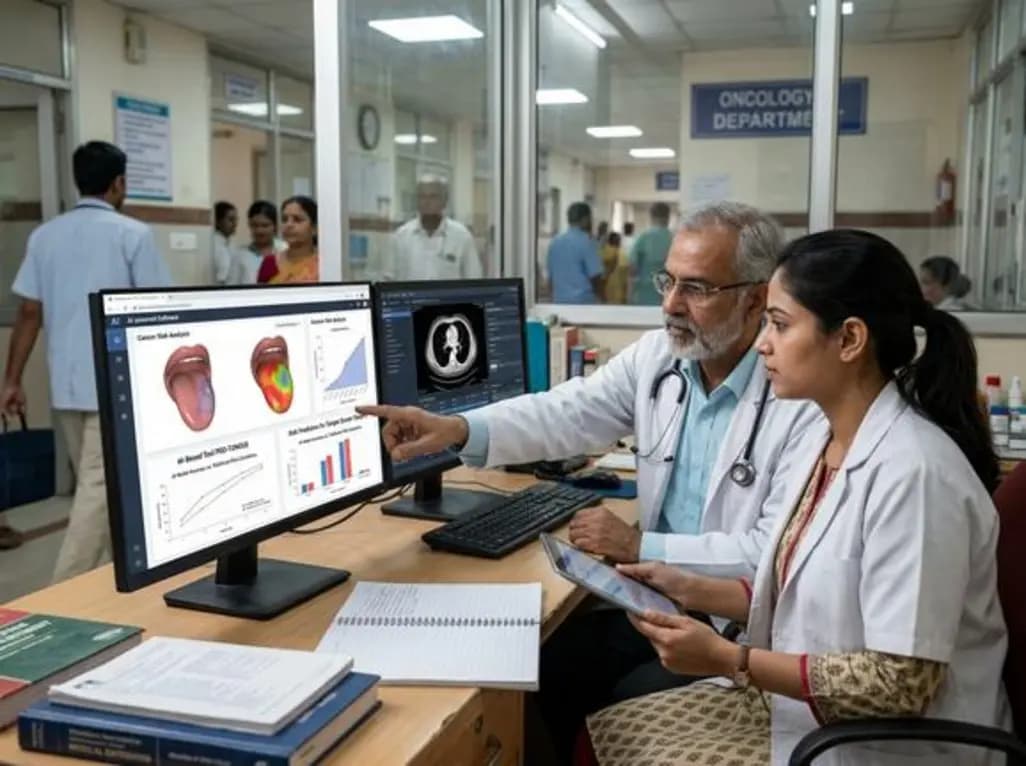
Managing tongue cancer surgery risk requires precise preoperative evaluation to minimize postoperative morbidity. Typically, surgeons rely on generalized tools like the ACS-NSQIP risk calculator. However, a recent study introduces PRO-TONGUE, which is a machine learning model specifically designed for glossectomy patients. Specifically, this tool provides individualized estimates for major 30-day complications.
In this study, researchers developed the PRO-TONGUE tool by analyzing data from 8,266 adults. These patients underwent various procedures, ranging from partial to total glossectomy. Initially, the study evaluated six primary outcomes, including pneumonia and surgical site infection. Furthermore, the researchers compared the AI model's performance against standard clinical calculators to ensure reliability.
The PRO-TONGUE tool utilizes advanced machine learning algorithms like XGBoost and LightGBM. Consequently, the tool identifies specific risks more accurately than traditional methods. Notably, the AI models demonstrated exceptional performance in predicting bleeding. This particular outcome is often missing from traditional risk calculators. By offering interpretable data, the model helps clinicians tailor surgical plans to individual patient profiles.
The study results showed that XGBoost was the optimal model for predicting serious complications. Meanwhile, LightGBM performed best for identifying risks of pneumonia and reoperation. Furthermore, the discrimination performance matched or exceeded existing clinical standards. Therefore, integrating these AI models into clinical workflows could significantly improve surgical safety. However, physicians should use these tools as adjunctive support alongside established guidelines.
It provides specific risk scores for six different 30-day complications. This allows surgeons to implement preventive measures for high-risk patients before the operation occurs.
The tool primarily uses XGBoost and LightGBM algorithms. Researchers selected these models based on their high accuracy and excellent calibration across various surgical outcomes.
The AI models showed comparable or superior performance across most outcomes. Crucially, they predict bleeding risks that traditional calculators often overlook, providing a more comprehensive risk profile.
Disclaimer: This content is for informational and educational purposes only. It does not constitute professional medical advice, diagnosis, or treatment. Always seek the advice of your physician or other qualified healthcare provider with any questions regarding a medical condition. Refer to the latest local and national guidelines for clinical practice.
References

Read summarized clinical updates, watch expert medical content, and earn CME certifications right from your smartphone.
Open your smartphone camera to scan and install.





The PRO-TONGUE tool uses machine learning to predict 30-day complications after tongue cancer surgery with high accuracy. This AI-based model helps surgeons assess risks for bleeding, infection, and reoperation, offering a more individualized approach than traditional risk calculators like ACS-NSQIP.
4 months ago

Depemokimab offers twice-yearly dosing for severe eosinophilic asthma and chronic rhinosinusitis with nasal polyps, significantly cutting exacerbations and hospital admissions.
3 days back

A novel copper metal-organic framework hydrogel remodels the uterine microenvironment to stimulate robust endometrial regeneration, reduce intrauterine fibrosis, and restore reproductive fertility, offering a groundbreaking strategy for managing refractory endometrial damage and Asherman syndrome.
4 days back
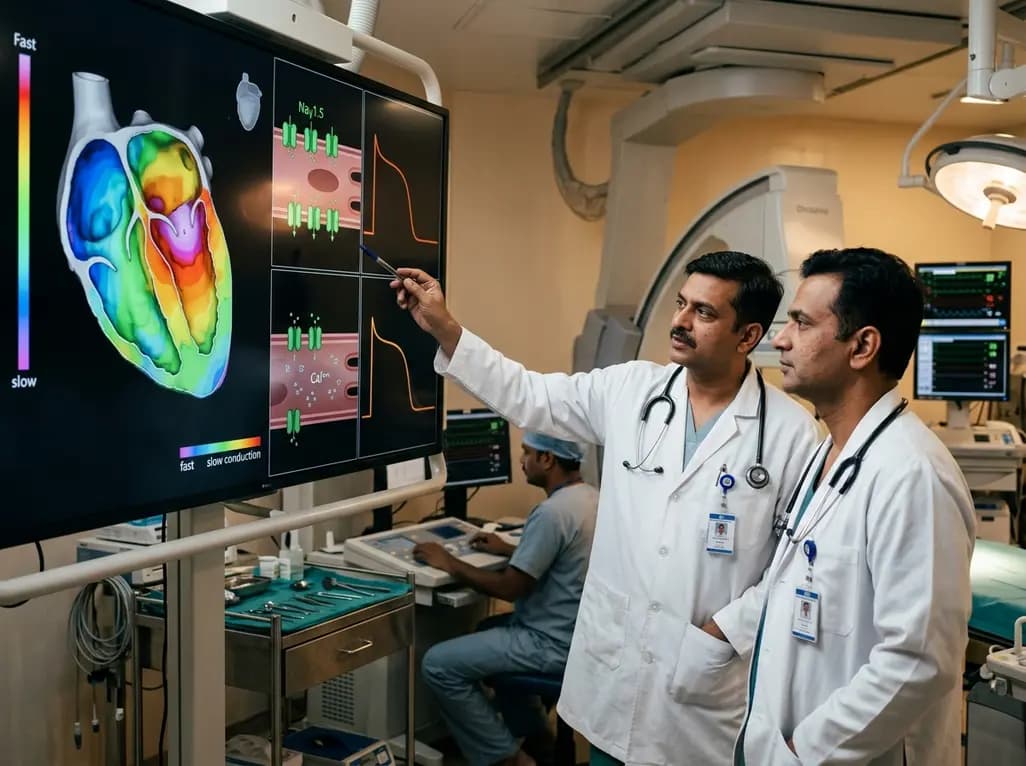
New research reveals that non-ablative radiotherapy suppresses ventricular tachycardia by increasing conduction velocity via NaV1.5 upregulation and action potential prolongation. However, sustained sodium current elevation and depressed calcium handling highlight the need for careful clinical translation.
6 days back
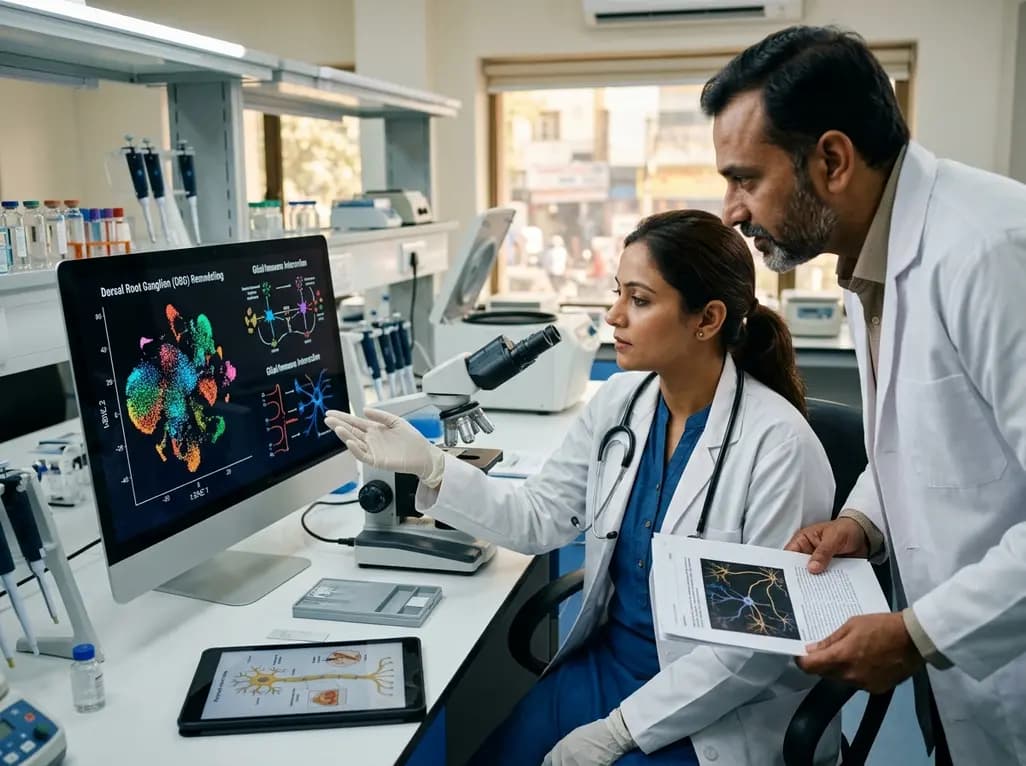
A single-cell transcriptomic atlas reveals how peripheral nerve injuries cause dorsal root ganglion remodeling. By evaluating proximal nerve crush and resection, researchers identify distinct glial and immune programs that resolve neuropathic pain and promote regeneration.
3 days back
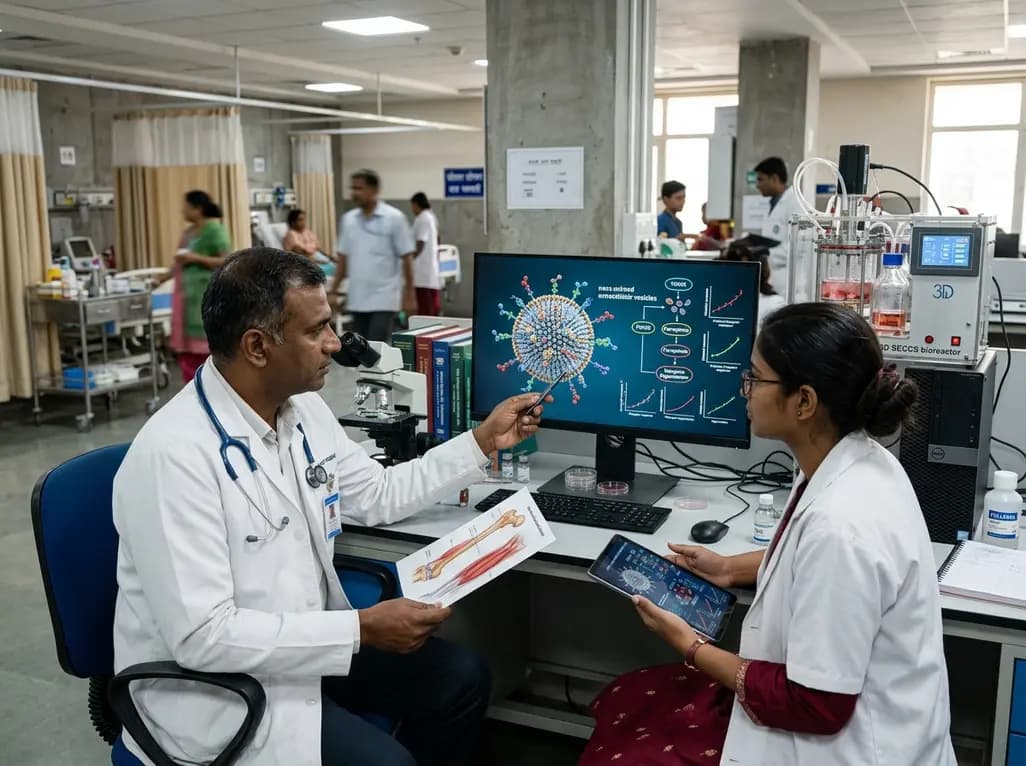
A breakthrough study demonstrates that fullerol-primed extracellular vesicles generated in a 3D SECCS bioreactor attenuate ferroptosis and restore myogenic regeneration in diabetes via the FOXO3 pathway, offering a cell-free therapeutic strategy for diabetic musculoskeletal degeneration.
3 days back
