.webp&w=384&q=75)

Loading, please wait...
Loading, please wait...
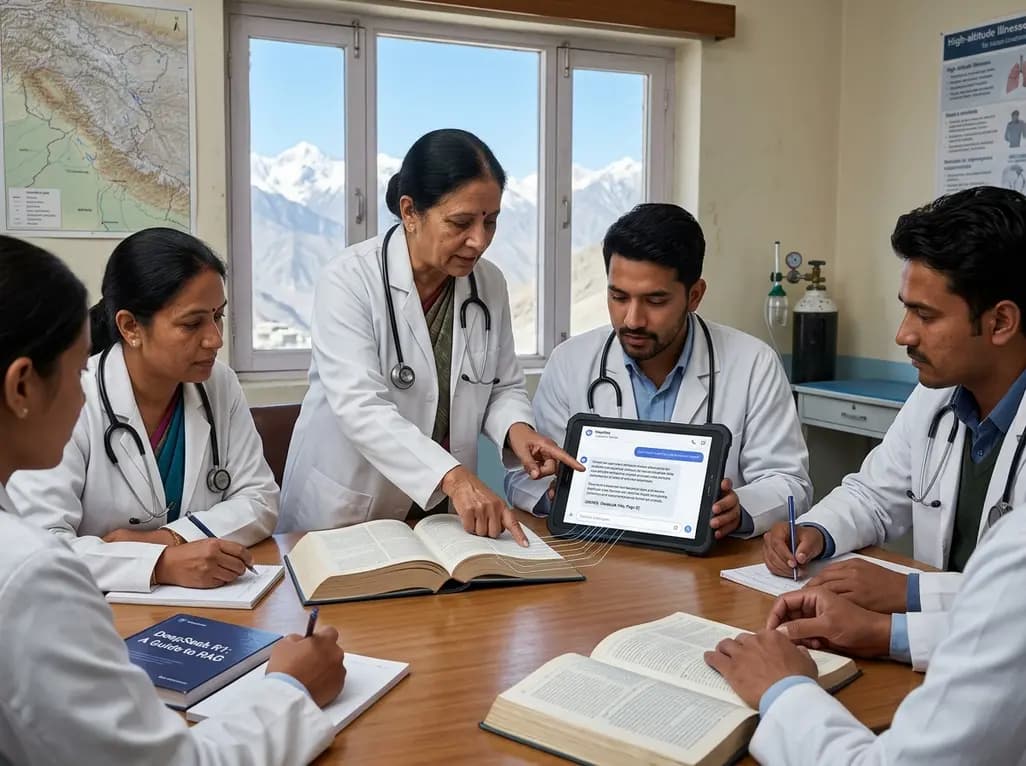
Innovations in high-altitude medical education are crucial for practitioners working in mountainous regions such as Ladakh or the Xizang Autonomous Region. Historically, healthcare workers in these low-resource areas have struggled with limited access to interactive and updated training materials. While general large language models (LLMs) offer a potential solution, they often struggle with specialized medical accuracy. Specifically, these models may hallucinate when answering complex questions about physiology at extreme elevations. However, a new study reveals that combining AI with authoritative textbooks can bridge this critical knowledge gap effectively.
Researchers recently conducted a two-stage evaluation to identify the most effective AI tools for specialized training. Initially, the team benchmarked four prominent models: GPT-5.2, Gemini 3.0 Pro, DeepSeek R1, and Tencent HY 2.0. They tested these models using 80 specialized questions designed by medical experts. Notably, DeepSeek R1 emerged as the top performer, achieving the highest weighted score for comprehensiveness and relevance. Furthermore, the experts found that even the best general models required additional support to ensure clinical safety in high-altitude scenarios.
To improve reliability, the researchers implemented Retrieval-Augmented Generation (RAG) technology. This system connects the AI to an external knowledge base containing four authoritative textbooks on high-altitude physiology and protection. Consequently, the augmented model, named HPHME-Xplus-RAG, showed remarkable improvements. It achieved significantly higher scores in accuracy and clarity compared to its baseline version. Because the system retrieves information directly from trusted sources, it drastically reduces the risk of incorrect medical advice. Therefore, this technology provides a cost-effective and trustworthy alternative to building entirely new AI models from scratch.
The success of this workflow suggests a bright future for medical training in remote regions. Educators can now deploy specialized tools without the need for expensive high-end hardware or extensive data sets. Additionally, this approach allows for easy updates as new medical literature becomes available. Practitioners in high-altitude zones can access expert-level guidance on their mobile devices, ensuring better patient outcomes during emergencies. Finally, this methodology serves as a replicable blueprint for other specialized medical domains facing similar resource constraints.
Retrieval-Augmented Generation (RAG) is a technique that links an AI model to a specific database, such as medical textbooks. This ensures the AI provides answers based on verified facts rather than just its general training data.
High-altitude medicine involves unique physiological changes and rare conditions like HAPE and HACE. General educational tools often lack the depth required to train doctors for these specific, life-threatening scenarios.
DeepSeek R1 was identified as the optimal base model in this study, outperforming other prominent models in terms of accuracy and relevance for high-altitude public health tasks.
Disclaimer: This content is for informational and educational purposes only and does not constitute medical advice or a professional relationship. AI-generated information should always be cross-referenced with clinical expertise and official medical standards. Refer to the latest local and national guidelines for clinical practice.
References
He K et al. Authoritative Textbook-Augmented Large Language Models for High-Altitude Public Health Medical Education in the Xizang Autonomous Region: Cross-Sectional Comparative Evaluation Study. J Med Internet Res. 2026 Jun 16. doi: 10.2196/92852. PMID: 42302307.
Gao Y et al. Retrieval-Augmented Generation for Large Language Models: A Survey. arXiv preprint arXiv:2312.10997. 2024.
West JB. High-altitude medicine. American Journal of Respiratory and Critical Care Medicine. 2012;186(12):1229-1237.
"
Read summarized clinical updates, watch expert medical content, and earn CME certifications right from your smartphone.
Open your smartphone camera to scan and install.





A groundbreaking study demonstrates how integrating authoritative textbooks with AI models like DeepSeek R1 significantly enhances high-altitude medical education. This RAG-based approach reduces hallucinations and provides reliable clinical support for healthcare workers in low-resource mountainous regions.
4 months ago
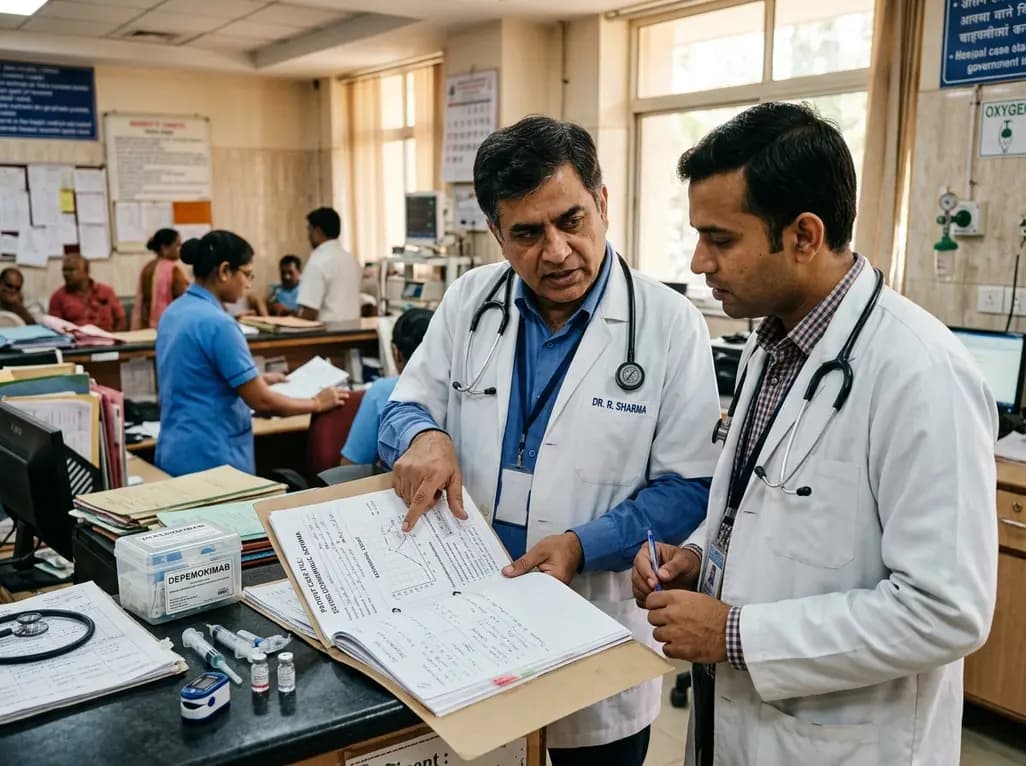
Depemokimab offers twice-yearly dosing for severe eosinophilic asthma and chronic rhinosinusitis with nasal polyps, significantly cutting exacerbations and hospital admissions.
4 days back
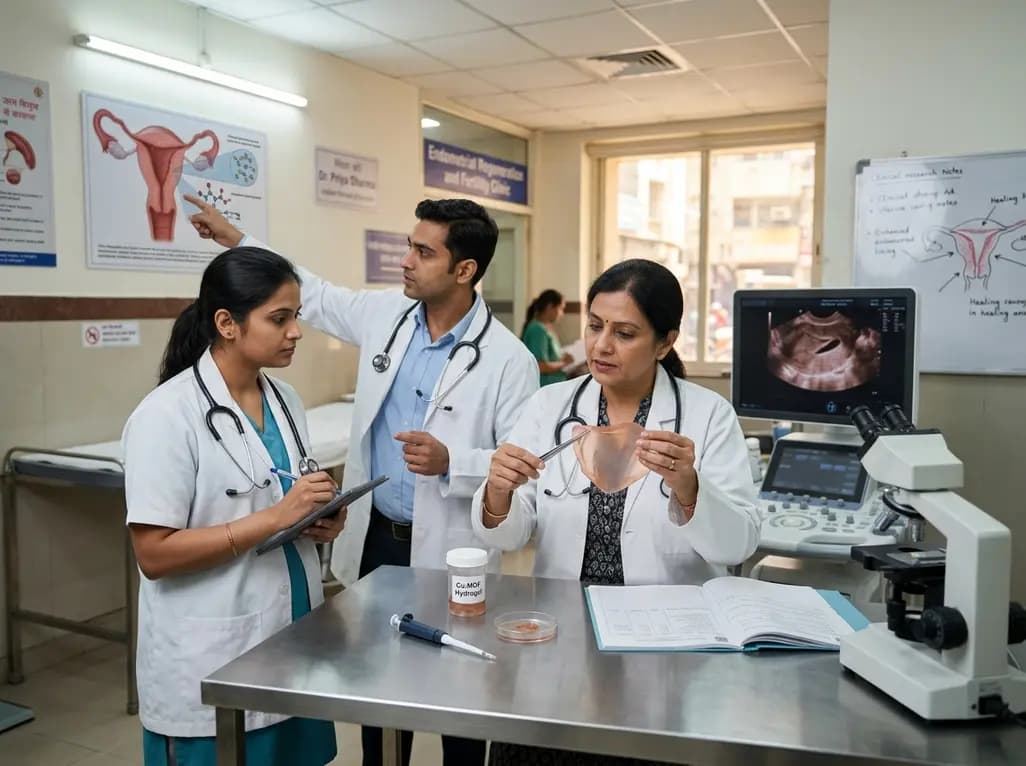
A novel copper metal-organic framework hydrogel remodels the uterine microenvironment to stimulate robust endometrial regeneration, reduce intrauterine fibrosis, and restore reproductive fertility, offering a groundbreaking strategy for managing refractory endometrial damage and Asherman syndrome.
4 days back
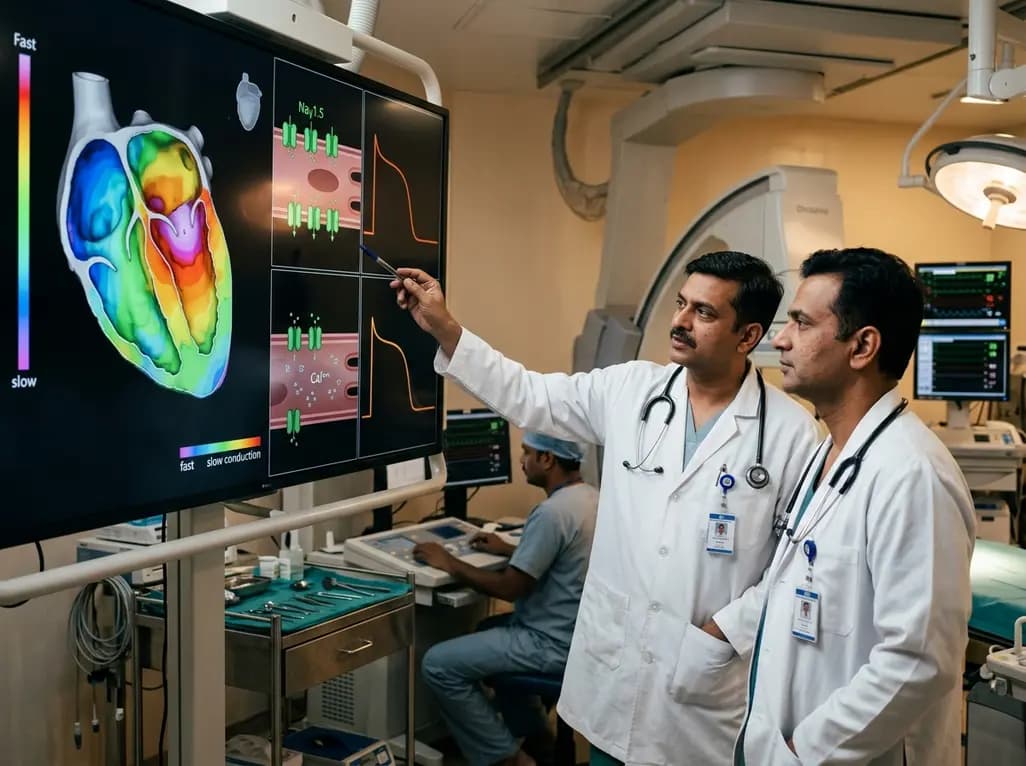
New research reveals that non-ablative radiotherapy suppresses ventricular tachycardia by increasing conduction velocity via NaV1.5 upregulation and action potential prolongation. However, sustained sodium current elevation and depressed calcium handling highlight the need for careful clinical translation.
6 days back
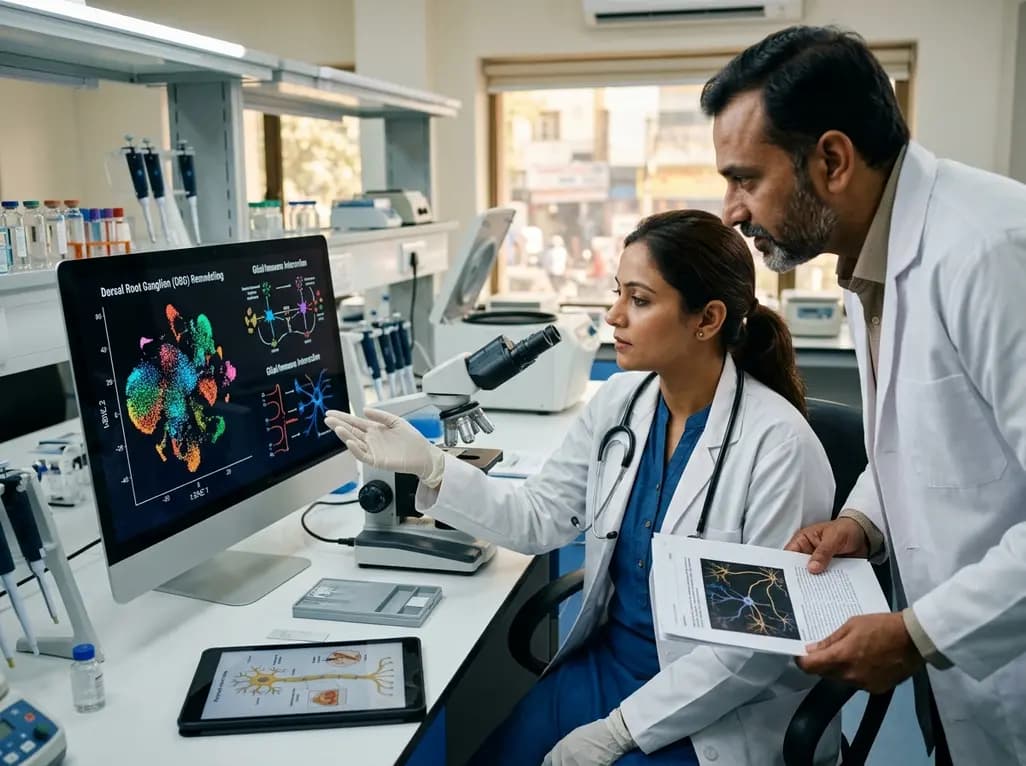
A single-cell transcriptomic atlas reveals how peripheral nerve injuries cause dorsal root ganglion remodeling. By evaluating proximal nerve crush and resection, researchers identify distinct glial and immune programs that resolve neuropathic pain and promote regeneration.
4 days back
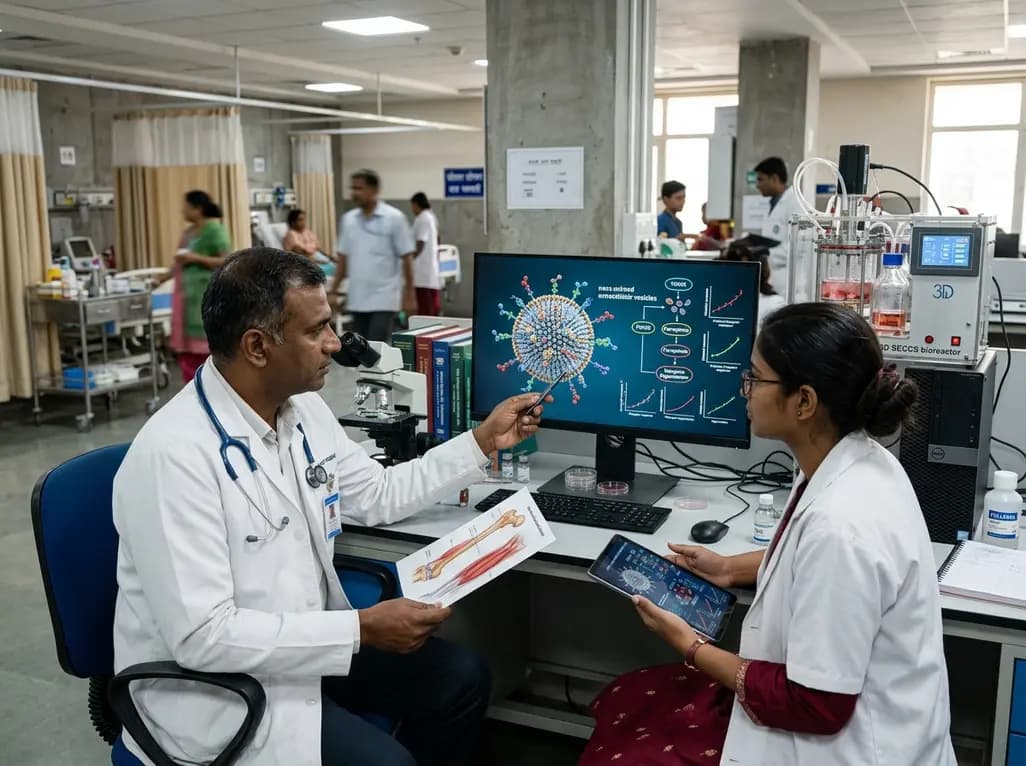
A breakthrough study demonstrates that fullerol-primed extracellular vesicles generated in a 3D SECCS bioreactor attenuate ferroptosis and restore myogenic regeneration in diabetes via the FOXO3 pathway, offering a cell-free therapeutic strategy for diabetic musculoskeletal degeneration.
4 days back
