.webp&w=384&q=75)

Loading, please wait...
Loading, please wait...
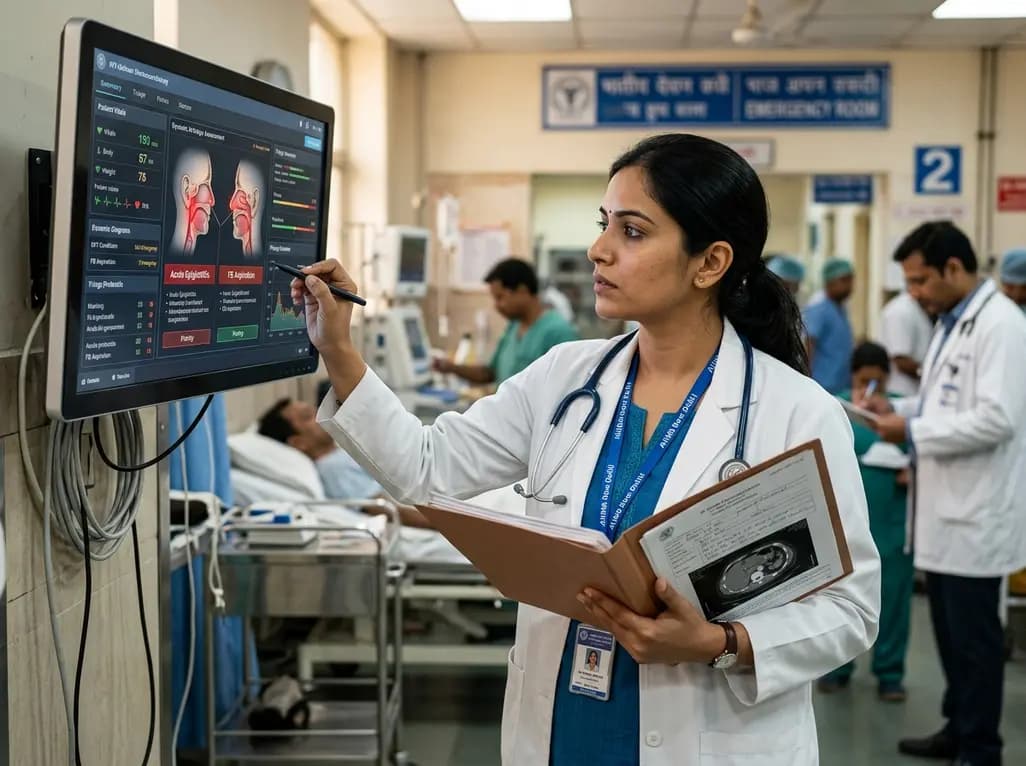
Modern healthcare systems increasingly explore the role of AI in emergency triage to manage rising patient volumes and specialist shortages. Recently, researchers evaluated whether large language models (LLMs) could match the diagnostic reasoning of experienced clinicians within the field of otolaryngology. This blinded cross-sectional study compared performance across several AI platforms and medical professionals in a simulated emergency environment. The results indicate a significant shift in the potential for digital tools to assist with complex clinical decision-making.
The research team analyzed 30 emergency referral scenarios covering a wide spectrum of otolaryngologic conditions. Interestingly, GPT-5 demonstrated triage performance comparable to an otolaryngology attending. Specifically, the model showed no statistically significant difference in either the appropriateness of urgency or the quality of its explanations. Furthermore, GPT-4 outperformed emergency clinicians in the study, although it scored slightly lower than the senior ENT specialist.
Conversely, other models like DeepSeek and Grok showed varied results. DeepSeek performed at the level of an otolaryngology resident, whereas Grok and the emergency clinicians received the lowest ratings in this sample. Consequently, these findings suggest that advanced LLMs possess the potential to support decision-making when specialist consultation is limited. However, the performance gap between different models highlights the importance of choosing high-performing systems for clinical applications.
Integrating AI in emergency triage could significantly enhance clinical education and decision support. By providing high-quality explanations for triage decisions, these models serve as valuable teaching tools for residents and non-specialists. However, specialists emphasize that these models require rigorous supervision and local calibration. Because AI can sometimes misinterpret nuanced clinical cues, transparency remains a critical requirement for safe deployment. Therefore, medical institutions should view LLMs as digital adjuncts rather than replacements for human judgment. Future implementation must focus on safety, ethics, and the integration of local guidelines.
Recent studies show that advanced models like GPT-5 can match the performance of otolaryngology attendings in determining the urgency of emergency referrals. However, performance varies significantly between different AI models, with older or less specialized models scoring lower.
No, LLMs are designed to support decision-making and education rather than replace clinical expertise. They still require human supervision, expert calibration, and careful monitoring to ensure patient safety and clinical accuracy in high-stakes environments.
Potential risks include the undertriage of critical conditions, a lack of local clinical calibration, and the possibility of algorithmic bias. Specialists recommend that these tools be used with transparency and under strict professional oversight to mitigate these risks.
Disclaimer: This content is for informational and educational purposes only and does not constitute medical advice. It is not a substitute for professional medical judgment, diagnosis, or treatment. Always seek the advice of your physician or other qualified health provider with any questions you may have regarding a medical condition. Refer to the latest local and national guidelines for clinical practice.
References

Read summarized clinical updates, watch expert medical content, and earn CME certifications right from your smartphone.
Open your smartphone camera to scan and install.





A recent study demonstrates that GPT-5 matches the performance of otolaryngology specialists in emergency triage decisions. While showing significant potential for decision support and education, these AI tools currently require expert supervision and local calibration to ensure patient safety.
4 months ago

Depemokimab offers twice-yearly dosing for severe eosinophilic asthma and chronic rhinosinusitis with nasal polyps, significantly cutting exacerbations and hospital admissions.
3 days back

A novel copper metal-organic framework hydrogel remodels the uterine microenvironment to stimulate robust endometrial regeneration, reduce intrauterine fibrosis, and restore reproductive fertility, offering a groundbreaking strategy for managing refractory endometrial damage and Asherman syndrome.
4 days back
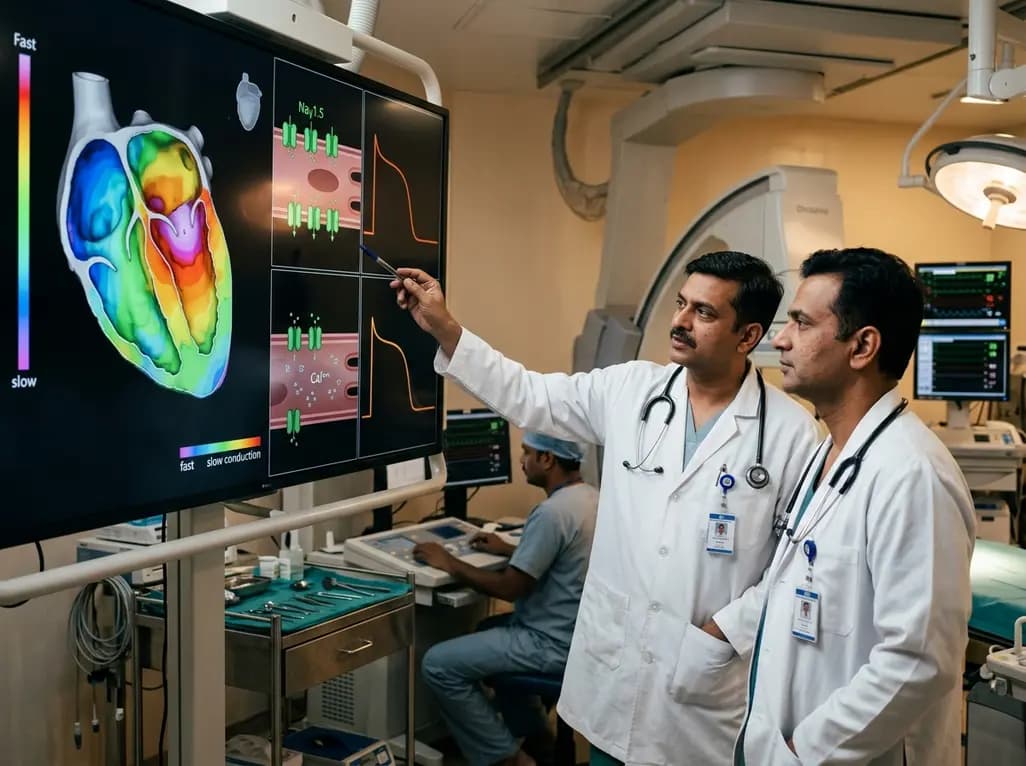
New research reveals that non-ablative radiotherapy suppresses ventricular tachycardia by increasing conduction velocity via NaV1.5 upregulation and action potential prolongation. However, sustained sodium current elevation and depressed calcium handling highlight the need for careful clinical translation.
6 days back
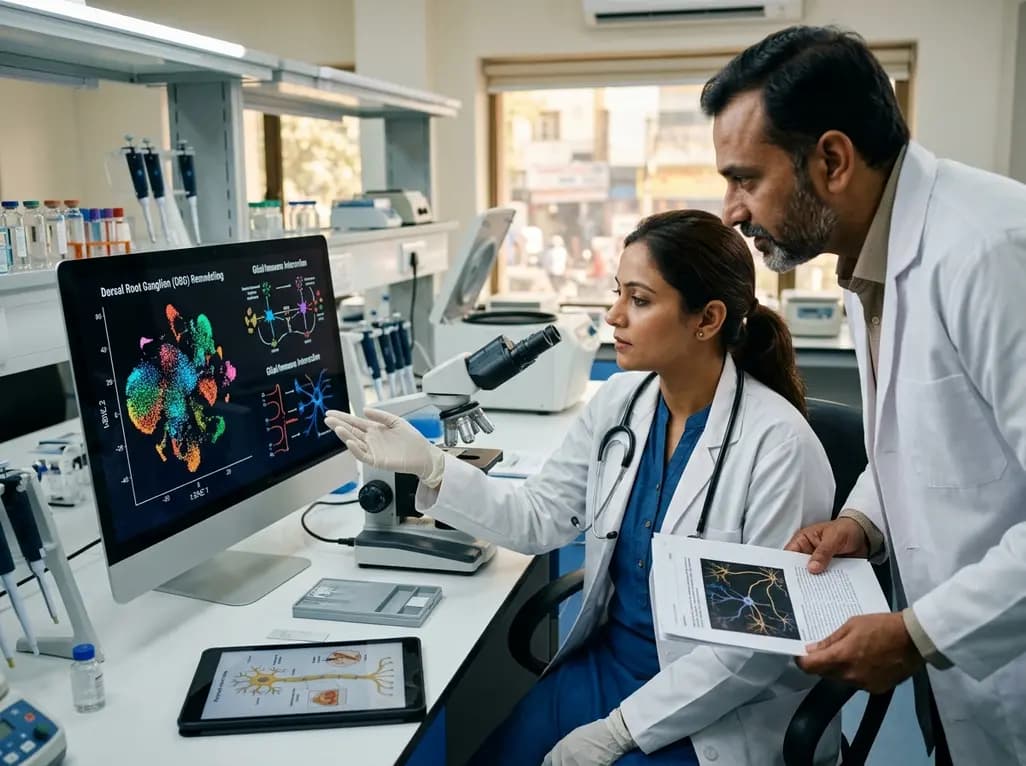
A single-cell transcriptomic atlas reveals how peripheral nerve injuries cause dorsal root ganglion remodeling. By evaluating proximal nerve crush and resection, researchers identify distinct glial and immune programs that resolve neuropathic pain and promote regeneration.
3 days back
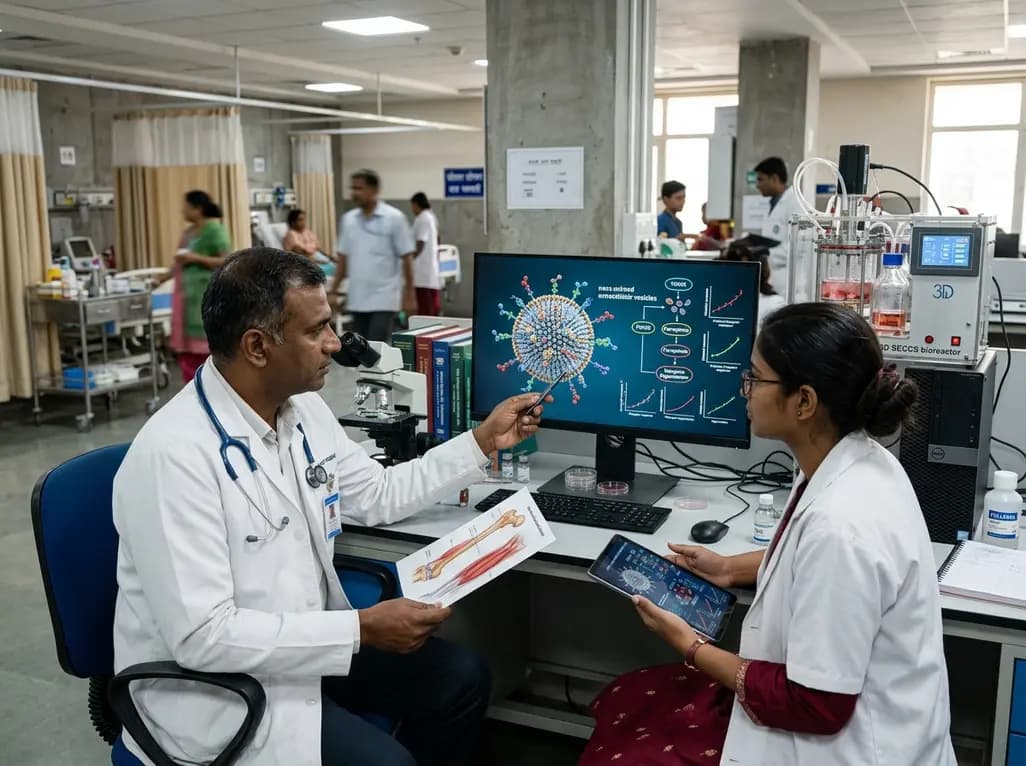
A breakthrough study demonstrates that fullerol-primed extracellular vesicles generated in a 3D SECCS bioreactor attenuate ferroptosis and restore myogenic regeneration in diabetes via the FOXO3 pathway, offering a cell-free therapeutic strategy for diabetic musculoskeletal degeneration.
3 days back
