.webp&w=384&q=75)

Loading, please wait...
Loading, please wait...
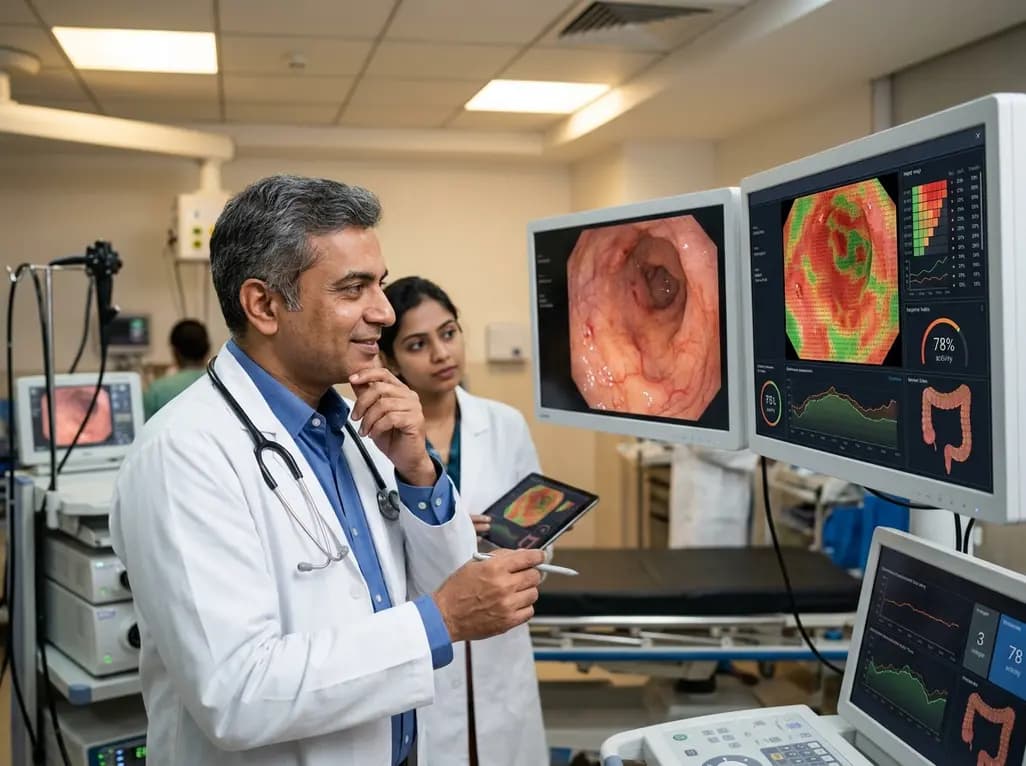
The management of ulcerative colitis (UC) has traditionally relied on the Mayo Endoscopic Subscore (MES) to evaluate disease activity. While this categorical system is the gold standard in clinical trials, it is often limited by significant inter-reader variability. Furthermore, traditional scores typically focus on the most severely inflamed segment, potentially overlooking the total inflammatory burden across the entire colon. To address these gaps, researchers have developed the ulcerative colitis AI assessment tool known as AI-ESe (Artificial Intelligence Assessment of Endoscopic Severity and Extent). This innovative machine learning approach aims to provide a continuous and more granular evaluation of mucosal inflammation. By analyzing full endoscopic videos rather than static images, AI-ESe captures the heterogeneity of the disease more effectively than human readers alone. This shift toward automated, objective scoring represents a significant advancement in how gastroenterologists can monitor disease progression and treatment response in patients with chronic inflammatory bowel disease.
The development of the AI-ESe system involved a sophisticated multistep process designed to ensure high-quality data analysis. Initially, the model performs preprocessing to filter out poor-quality images and artifacts that could skew results. A critical feature of this technology is the "stalling detection" algorithm. During a colonoscopy, an endoscope may pause at certain sections, leading to mucosal oversampling. AI-ESe identifies these pauses to prevent the inflation of severity scores in specific areas. Following this, the severity algorithm assesses the degree of inflammation throughout the colon, ultimately generating a detailed inflammatory heatmap. This heatmap provides a visual and quantitative representation of disease extent, moving beyond the binary or categorical classifications used in the past. By integrating these complex datasets, the model offers a comprehensive view of the colonic environment, allowing for a more precise understanding of the patient's current inflammatory status.
To ensure clinical reliability, the researchers validated the stalling and severity algorithms against human reference standards. The results were impressive, as stalling detection reduced temporal disagreement in position estimates to levels comparable to human inter-reader variability. Specifically, the disagreement dropped from 39 seconds with uniform sampling to just 23 seconds using the AI-ESe model. In terms of assessing disease severity, the model achieved a quadratic weighted kappa of 0.80, indicating high agreement with expert gastroenterologists. These metrics suggest that the ulcerative colitis AI assessment is not only accurate but also highly reproducible. Such consistency is vital for clinical trials where objective endpoints are necessary to determine drug efficacy. The ability of AI to mirror or even exceed human precision in certain tasks paves the way for its integration into routine clinical practice, potentially reducing the diagnostic burden on healthcare providers.
One of the most significant findings of the AI-ESe study was its ability to reveal substantial heterogeneity within traditional scoring categories. For instance, among patients assigned an endoscopy subscore of 3—indicating severe disease—the AI-ESe analysis showed that the proportion of moderately to severely inflamed mucosa actually ranged from 17.9% to 100%. This wide range demonstrates that two patients with the same traditional score may have vastly different total inflammatory burdens. By quantifying this variation, AI-ESe provides a more nuanced picture of the disease. This level of granularity is essential for personalized medicine, as it allows clinicians to tailor treatments based on the actual extent of inflammation rather than a single peak score. Capturing the totality of the disease helps in better predicting long-term outcomes, such as the risk of relapse or the need for surgical intervention.
The introduction of AI-ESe marks a pivotal moment in the evolution of gastroenterology. As machine learning models become more integrated into endoscopic workflows, they offer the potential to standardize reporting across different centers and practitioners. This standardization is particularly beneficial in diverse healthcare settings, including India, where access to specialized IBD experts may vary. By providing a "second opinion" that is objective and data-driven, the ulcerative colitis AI assessment can help bridge the gap between generalists and specialists. Furthermore, the continuous nature of the AI-ESe score allows for more sensitive monitoring of treatment effects over time. Instead of waiting for a patient to jump between broad categories like MES 2 and MES 1, clinicians can observe incremental improvements in the inflammatory heatmap, enabling earlier adjustments to therapeutic regimens and improving overall patient care.
In conclusion, AI-ESe represents a transformative approach to the evaluation of ulcerative colitis. By providing a continuous, granular assessment of both severity and extent, it overcomes the inherent limitations of traditional categorical scoring systems. The high correlation with expert assessments and the ability to capture hidden disease heterogeneity make it a powerful tool for both clinical research and routine practice. As we move toward a more digital and automated future in medicine, tools like AI-ESe will be instrumental in achieving the goal of deep mucosal healing. By leveraging artificial intelligence, the medical community can ensure that every patient receives a comprehensive and objective evaluation, leading to more informed clinical decisions and better long-term health outcomes. The era of precision endoscopy is truly beginning, driven by the integration of machine learning and clinical expertise.
The traditional Mayo Endoscopic Subscore (MES) is a categorical system that usually focuses on the single most severely inflamed segment of the colon. In contrast, AI-ESe provides a continuous and granular assessment of the entire colon. It uses machine learning to generate an inflammatory heatmap, capturing the total burden and heterogeneity of the disease. This allows for a more detailed understanding of inflammation that traditional scores might overlook, especially in complex cases.
Stalling detection is a specific algorithm within the AI-ESe system that identifies when the endoscope has paused or slowed down during a procedure. This is crucial because pausing can lead to mucosal oversampling, where the AI might analyze the same inflamed area multiple times, leading to an inaccurately high severity score. By detecting these stalls, the AI-ESe model ensures that the inflammatory assessment remains balanced and representative of the entire colon's health.
While AI-ESe primarily focuses on the current state of inflammation, its granular data is highly valuable for monitoring treatment response. Because it provides a continuous score rather than broad categories, it can detect subtle, incremental improvements in the mucosa that traditional scores might miss. This sensitivity allows clinicians to objectively track how a patient is responding to a specific therapy over time, potentially leading to earlier and more precise adjustments in their long-term treatment plan.
Disclaimer: This content is for informational and educational purposes only. It does not constitute medical advice or a professional relationship. Always seek the advice of a qualified healthcare provider regarding any medical condition. Refer to the latest local and national guidelines for clinical practice.
References
George AT et al. Artificial intelligence assessment of endoscopic severity and extent: A machine learning approach to continuous evaluation of endoscopic inflammation in ulcerative colitis. Inflamm Bowel Dis. 2026 Jul 17. doi: undefined. PMID: 42467467.
Lidola I et al. Transforming ulcerative colitis care: AI-powered endoscopic scoring from clinical trials to clinical practice. EMJ. 2026;11(1):36-40. doi: 10.33590/emj/26-00036.
Takenaka K et al. Artificial intelligence for endoscopy in inflammatory bowel disease. Intest Res. 2022;20(2):165-170. doi: 10.5217/ir.2021.00079.

Read summarized clinical updates, watch expert medical content, and earn CME certifications right from your smartphone.
Open your smartphone camera to scan and install.





Researchers have developed AI-ESe, an artificial intelligence tool that offers a granular and continuous assessment of endoscopic inflammation in ulcerative colitis, overcoming the limitations of traditional scoring systems like the Mayo Endoscopic Subscore to better capture the total disease burden.
3 months ago

Depemokimab offers twice-yearly dosing for severe eosinophilic asthma and chronic rhinosinusitis with nasal polyps, significantly cutting exacerbations and hospital admissions.
4 days back

A novel copper metal-organic framework hydrogel remodels the uterine microenvironment to stimulate robust endometrial regeneration, reduce intrauterine fibrosis, and restore reproductive fertility, offering a groundbreaking strategy for managing refractory endometrial damage and Asherman syndrome.
4 days back
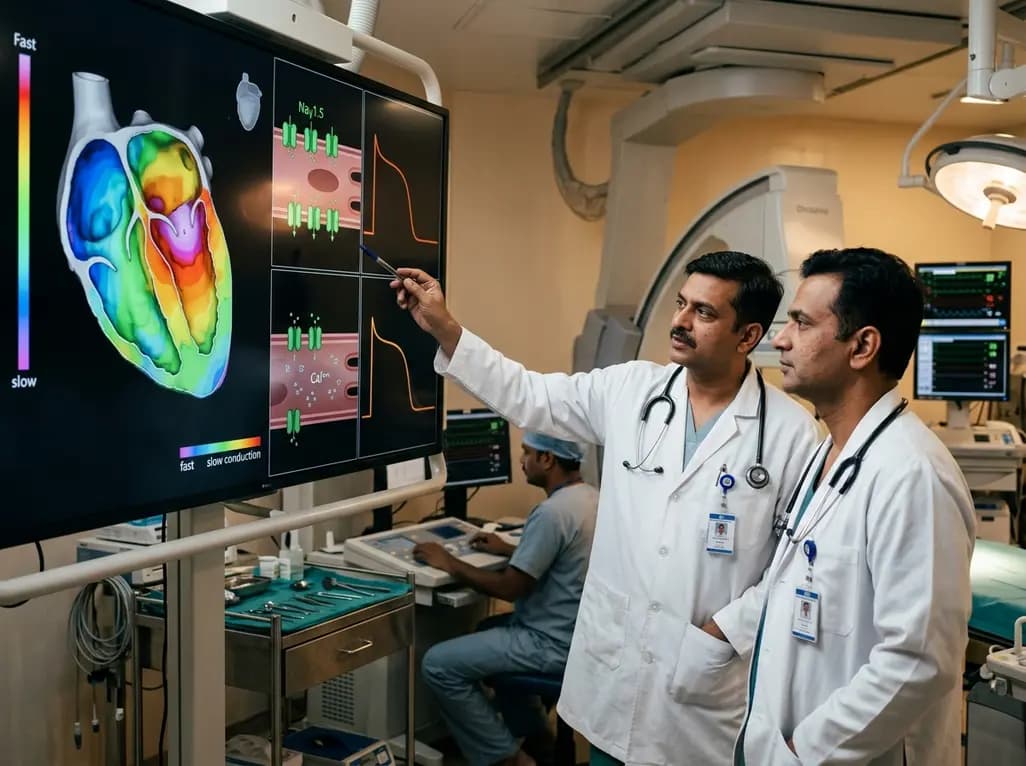
New research reveals that non-ablative radiotherapy suppresses ventricular tachycardia by increasing conduction velocity via NaV1.5 upregulation and action potential prolongation. However, sustained sodium current elevation and depressed calcium handling highlight the need for careful clinical translation.
6 days back
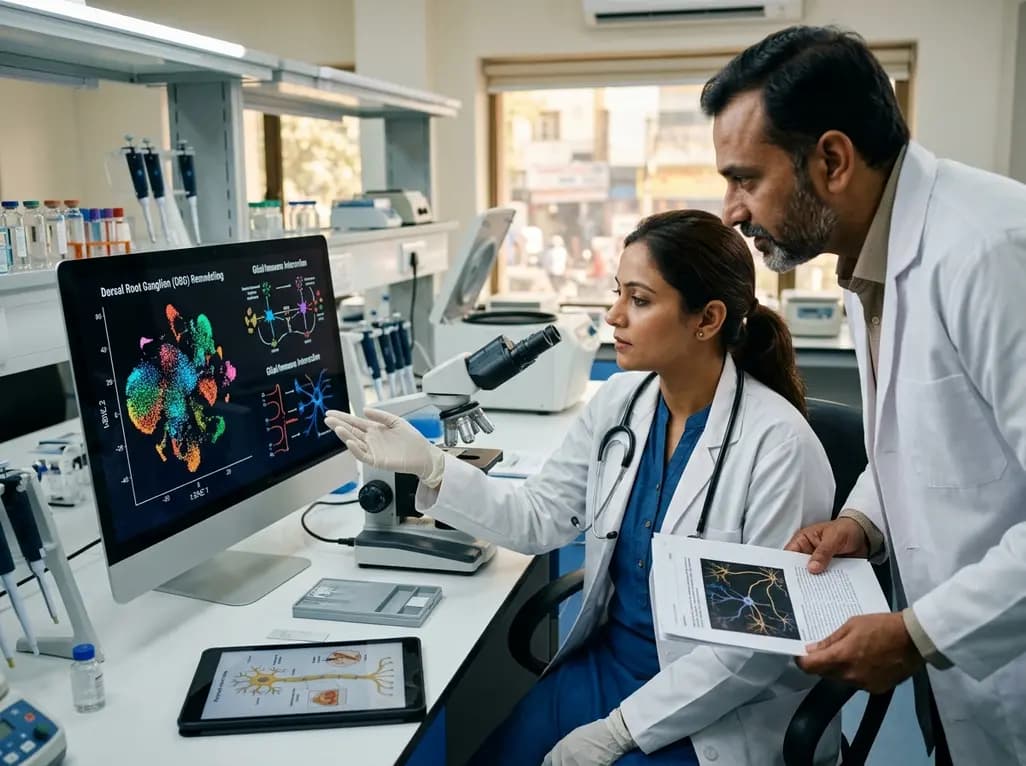
A single-cell transcriptomic atlas reveals how peripheral nerve injuries cause dorsal root ganglion remodeling. By evaluating proximal nerve crush and resection, researchers identify distinct glial and immune programs that resolve neuropathic pain and promote regeneration.
4 days back
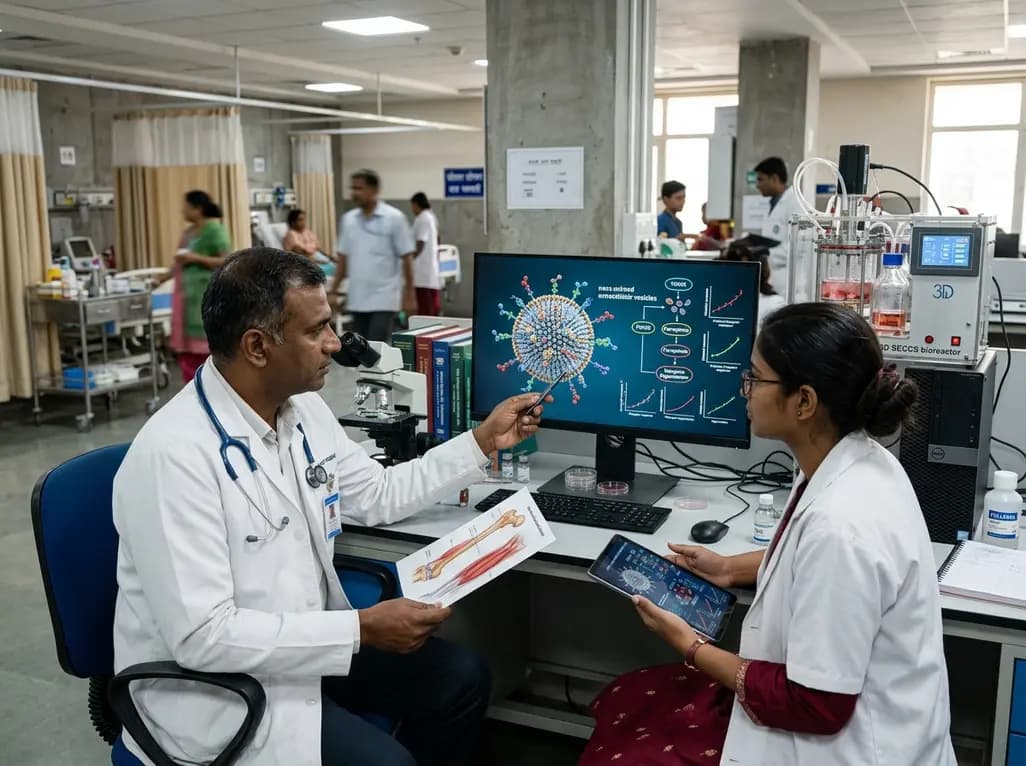
A breakthrough study demonstrates that fullerol-primed extracellular vesicles generated in a 3D SECCS bioreactor attenuate ferroptosis and restore myogenic regeneration in diabetes via the FOXO3 pathway, offering a cell-free therapeutic strategy for diabetic musculoskeletal degeneration.
4 days back
