.webp&w=384&q=75)

Loading, please wait...
Loading, please wait...
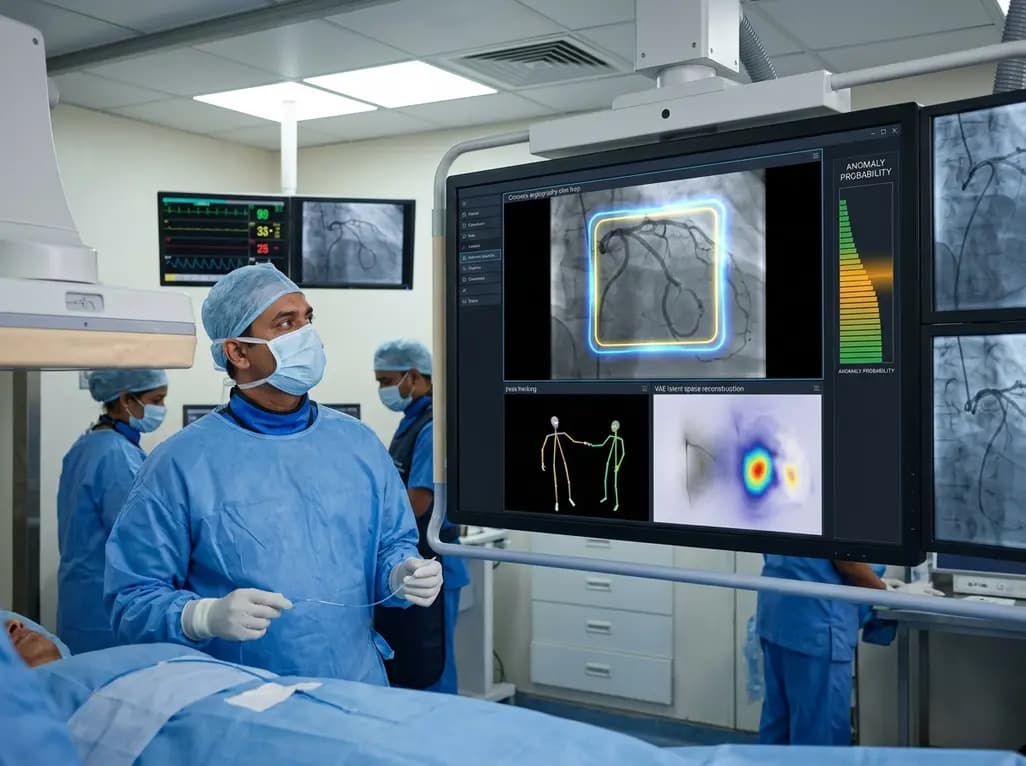
Coronary angiography remains a gold standard procedure in modern interventional cardiology. Physicians perform millions of cardiac catheterizations worldwide every year to evaluate coronary artery disease. However, unexpected procedural complications often cause delays in the catheterization laboratory. Unplanned technical adjustments frequently increase operational stress and patient risk. Automated systems capable of tracking the coronary angiography workflow offer a promising solution to these operational challenges. Traditional monitoring tools often fail because surgical anomalies are subtle and complex. Furthermore, single-data streams cannot capture the dynamic nature of cardiac catheterization. Consequently, researchers have turned toward advanced artificial intelligence frameworks. Specifically, multi-modal machine learning models integrate different visual and spatial data sources. By combining video footage with anatomical pose tracking, automated systems can now recognize subtle operational disruptions. Early identification of workflow anomalies helps clinical teams anticipate equipment needs. Moreover, real-time monitoring can reduce radiation exposure for patients and staff alike. As a result, artificial intelligence represents a major leap forward in catheterization laboratory management. Ultimately, continuous workflow surveillance enhances both patient safety and operational efficiency across busy medical centers.
Patient anatomical variability presents a significant hurdle during cardiac catheterization. In particular, severe vessel tortuosity often complicates standard vascular access and catheter manipulation. Interventional cardiologists must frequently replace standard catheters with specialized equipment during complex cases. These unplanned catheter exchanges significantly prolong total procedure duration. Consequently, longer interventions increase the cumulative radiation dose delivered to both patient and operator. Furthermore, extended operative times elevate the overall risk of vascular complications and contrast-induced nephropathy. In a recent clinical investigation, procedures requiring extra catheter exchanges comprised nearly thirty percent of all evaluated cases. Remarkably, these complicated cases required a thirty-four percent longer mean procedure time compared to standard interventions. Average procedural duration jumped from thirty-five minutes in routine cases to over forty-seven minutes in prolonged cases. Detecting these disruptions automatically using a single monitoring source remains extraordinarily difficult. Visual video feeds alone cannot consistently capture micro-adjustments in operator technique. Similarly, movement tracking without visual context lacks essential surgical context. Therefore, relying on unimodal assessment leads to missed anomalies and inaccurate workflow predictions. Combining multiple complementary data streams solves this clinical monitoring limitation effectively.
To solve the limitations of single-source monitoring, researchers developed a novel multi-modal framework. This advanced system utilizes an unsupervised variational autoencoder architecture. Unsupervised models excel at medical anomaly detection because labeled surgical data remains extremely scarce. The study analyzed real-world coronary angiography procedures divided into concise ten-second video clips. The network processed both video recordings and spatial pose data from the surgical team. First, three-dimensional convolutional neural networks extracted high-level spatial features from video frames. Next, modality-specific long short-term memory encoders captured sequential temporal patterns over time. The model then fused these distinct representations within a unified probabilistic latent space. Reconstructing normal surgical patterns allows the network to measure deviation through mean squared error. High reconstruction error scores immediately signal procedural anomalies or unexpected operational disruptions. Moreover, thresholds were calibrated using a held-out clinical validation dataset. Because the model learns strictly from normal workflow patterns, it identifies unexpected events without requiring manual clinical annotation. Consequently, this multi-modal fusion strategy establishes a robust foundation for automated artificial intelligence monitoring in surgical environments.
The research team rigorously evaluated the multi-modal variational autoencoder against traditional unimodal models. The multi-modal framework demonstrated superior diagnostic precision across all standard evaluation metrics. Specifically, the integrated system achieved an impressive F1-score of zero point eighty-three. Furthermore, the model recorded an area under the receiver operating characteristic curve of zero point eighty-eight. Similarly, the area under the precision-recall curve reached zero point ninety. In contrast, unimodal networks relying solely on single video feeds or pose streams performed significantly worse. In addition, detection sensitivity peaked precisely during procedure phases where workflow disruptions occurred most frequently. This high accuracy highlights the value of fusing video footage with operator pose data. Fusing data sources allows the artificial intelligence system to filter background noise and focus on critical operator movements. Consequently, the model reliably identifies subtle catheter exchanges without triggering frequent false alarms. These statistical findings prove that multi-modal machine learning can accurately interpret complex catheterization procedures. As a result, clinical artificial intelligence can successfully support human operators in high-acuity surgical environments.
Integrating artificial intelligence into routine interventional cardiology practice provides far-reaching clinical benefits. Automated workflow surveillance enables real-time tracking of procedural milestones in the catheterization laboratory. By monitoring the coronary angiography workflow, intelligent software can automatically notify support staff when specialized catheters are required. Consequently, nursing teams can prepare complex interventional devices before the primary operator requests them. This proactive preparation minimizes downtime and reduces patient time on the procedure table. Furthermore, automated tracking generates precise operational data for hospital administration. Administrators can analyze systemic bottlenecks, catheterization lab utilization rates, and staff allocation patterns. Therefore, AI-driven monitoring fosters data-informed decision-making across interventional departments. Moreover, automated anomaly detection enhances training for cardiology fellows and junior interventionists. Supervisory staff can review flagged procedural anomalies to provide targeted feedback on technical efficiency. As a result, artificial intelligence improves both immediate clinical execution and long-term medical education. Ultimately, modern healthcare facilities can optimize resource distribution while maintaining the highest standard of patient care.
The successful deployment of multi-modal variational autoencoders marks an important milestone in surgical automation. However, transitioning from clinical research to daily hospital workflow requires ongoing technical refinement. Future artificial intelligence models must adapt seamlessly to diverse cath lab environments and varying anatomical challenges. Furthermore, incorporating additional sensing modalities, such as real-time hemodynamic streams or fluoroscopic image feeds, could further boost accuracy. Consequently, multi-modal systems will become increasingly resilient against unexpected intraoperative artifacts. Interoperability with existing electronic health records and hospital information systems remains another critical priority. Seamless integration ensures that artificial intelligence alerts do not interrupt the primary operator during delicate manual maneuvers. In addition, prospective clinical trials across multiple centers will confirm the generalizability of these AI frameworks. As hardware computational power expands, real-time edge computing will allow instant local processing without cloud latency. Therefore, intelligent surveillance networks will soon become standard infrastructure in modern cardiac centers globally. Ultimately, combining human clinical expertise with automated artificial intelligence will redefine safe interventional cardiac care.
A multi-modal variational autoencoder is an advanced machine learning framework that processes multiple data types simultaneously, such as surgical video and team pose dynamics. By projecting these diverse inputs into a shared probabilistic space, the network learns normal operational patterns. Consequently, when procedural anomalies occur, the system identifies them based on high reconstruction error scores without requiring manually labeled training data.
Unplanned catheter exchanges occur when patient anatomical tortuosity demands specialized equipment during catheterization. These exchanges prolong overall procedure duration by over thirty percent on average. Consequently, longer procedures increase cumulative radiation exposure for both patients and healthcare personnel. Furthermore, extended procedure times elevate the overall risk of vascular access site complications and contrast-induced acute kidney injury during interventional procedures.
Automated workflow monitoring tracks catheterization procedures in real time, detecting operational disruptions instantly. By anticipating technical adjustments, intelligent systems notify cath lab staff to prepare specialized equipment ahead of time. This proactive preparation reduces procedural downtime, streamlines operational scheduling, and optimizes hospital resource allocation. Ultimately, automated monitoring minimizes patient exposure time on the procedure table while improving overall lab throughput.
Disclaimer: This content is for informational and educational purposes only. It does not constitute medical advice or substitute for professional clinical judgment. Refer to the latest local and national guidelines for clinical practice.
References
Frassini E et al. Unsupervised multi-modal variational autoencoder for anomaly detection in coronary angiography. Minim Invasive Ther Allied Technol. 2026 Jul 23. doi: 10.1080/13645706.2026.2705585. PMID: 42489019.

Read summarized clinical updates, watch expert medical content, and earn CME certifications right from your smartphone.
Open your smartphone camera to scan and install.





Discover how a multi-modal variational autoencoder uses video and pose data to detect coronary angiography workflow anomalies, improving cath lab efficiency.
3 months ago
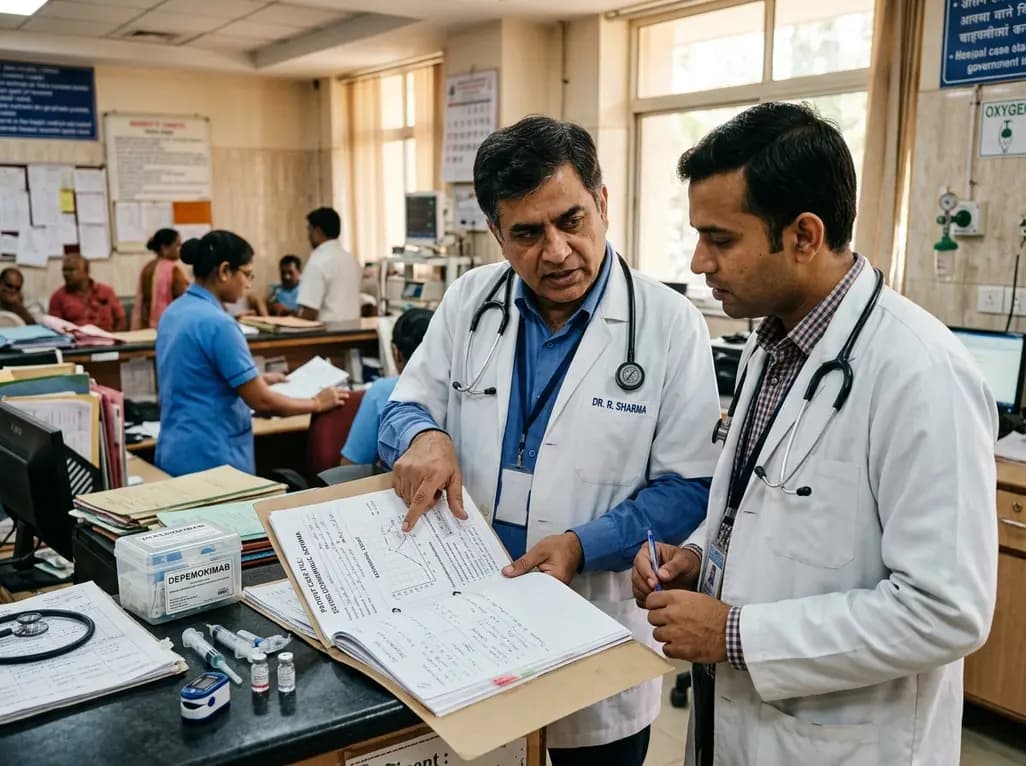
Depemokimab offers twice-yearly dosing for severe eosinophilic asthma and chronic rhinosinusitis with nasal polyps, significantly cutting exacerbations and hospital admissions.
4 days back
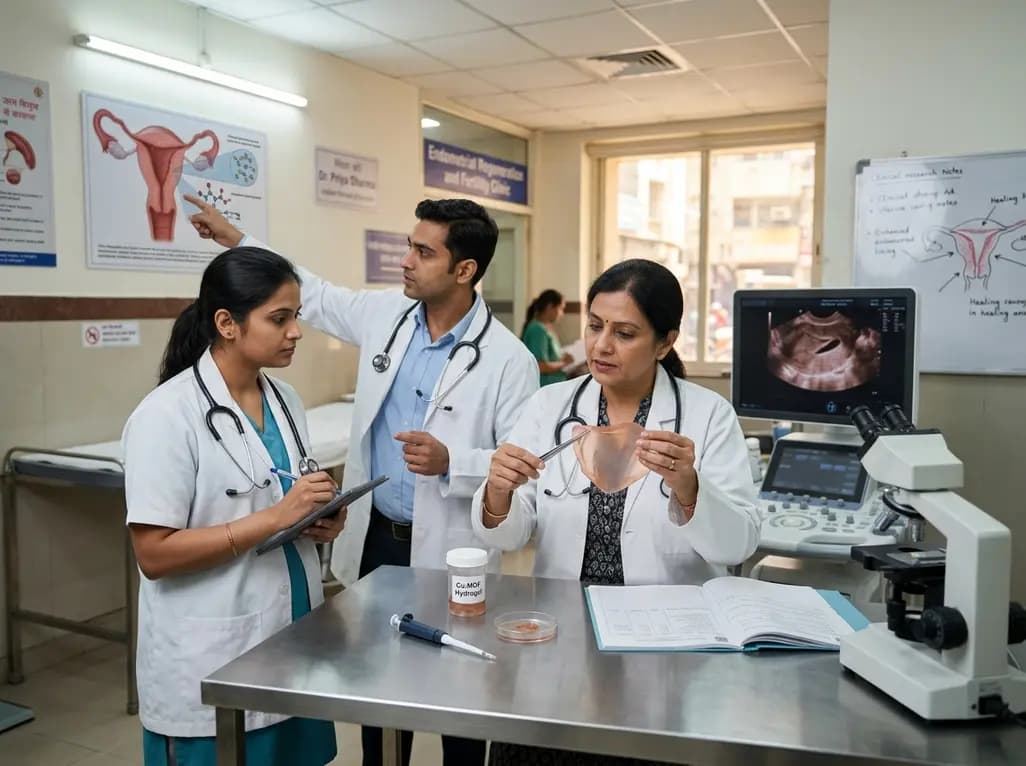
A novel copper metal-organic framework hydrogel remodels the uterine microenvironment to stimulate robust endometrial regeneration, reduce intrauterine fibrosis, and restore reproductive fertility, offering a groundbreaking strategy for managing refractory endometrial damage and Asherman syndrome.
4 days back
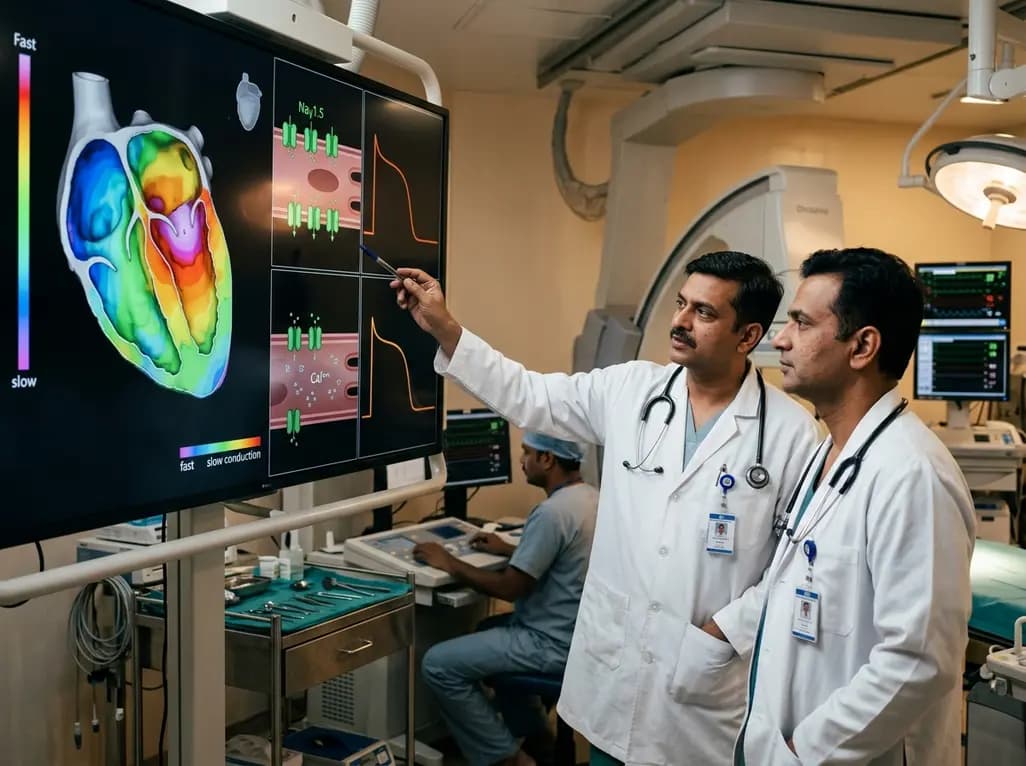
New research reveals that non-ablative radiotherapy suppresses ventricular tachycardia by increasing conduction velocity via NaV1.5 upregulation and action potential prolongation. However, sustained sodium current elevation and depressed calcium handling highlight the need for careful clinical translation.
6 days back
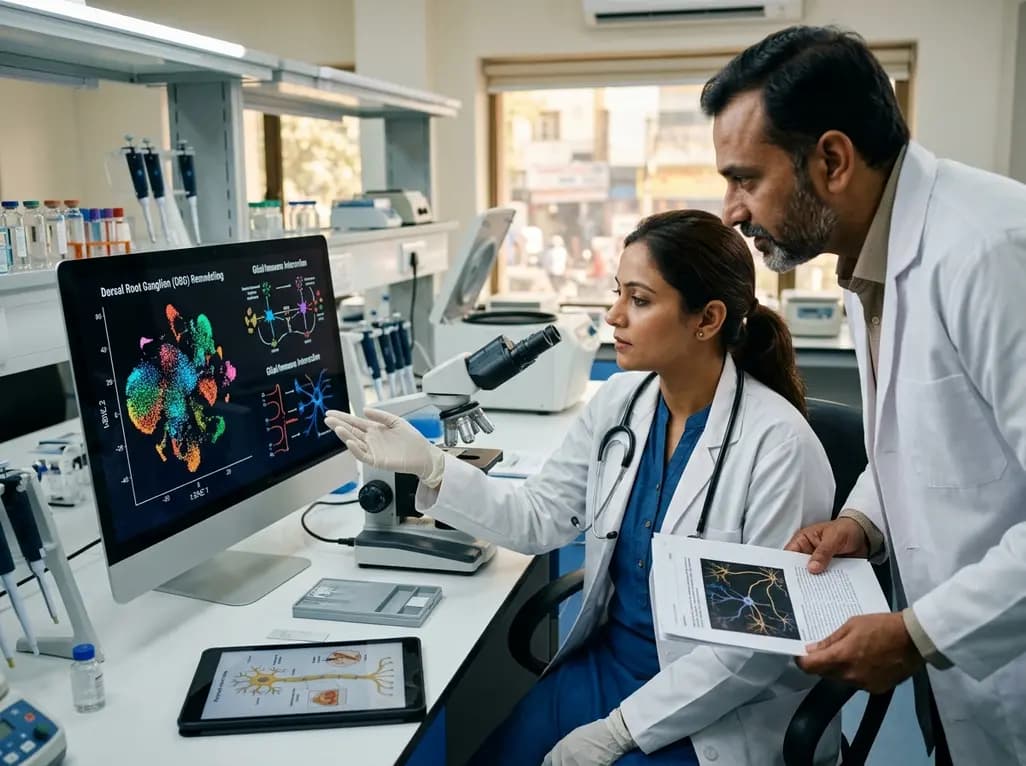
A single-cell transcriptomic atlas reveals how peripheral nerve injuries cause dorsal root ganglion remodeling. By evaluating proximal nerve crush and resection, researchers identify distinct glial and immune programs that resolve neuropathic pain and promote regeneration.
4 days back
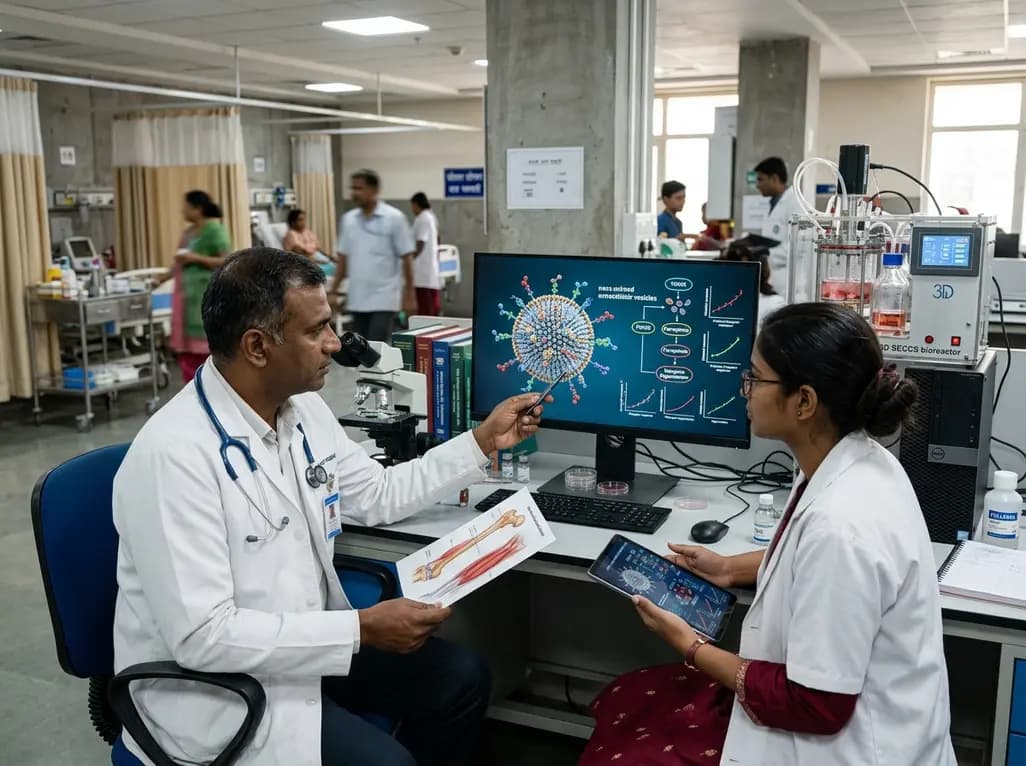
A breakthrough study demonstrates that fullerol-primed extracellular vesicles generated in a 3D SECCS bioreactor attenuate ferroptosis and restore myogenic regeneration in diabetes via the FOXO3 pathway, offering a cell-free therapeutic strategy for diabetic musculoskeletal degeneration.
4 days back
