.webp&w=384&q=75)

Loading, please wait...
Loading, please wait...
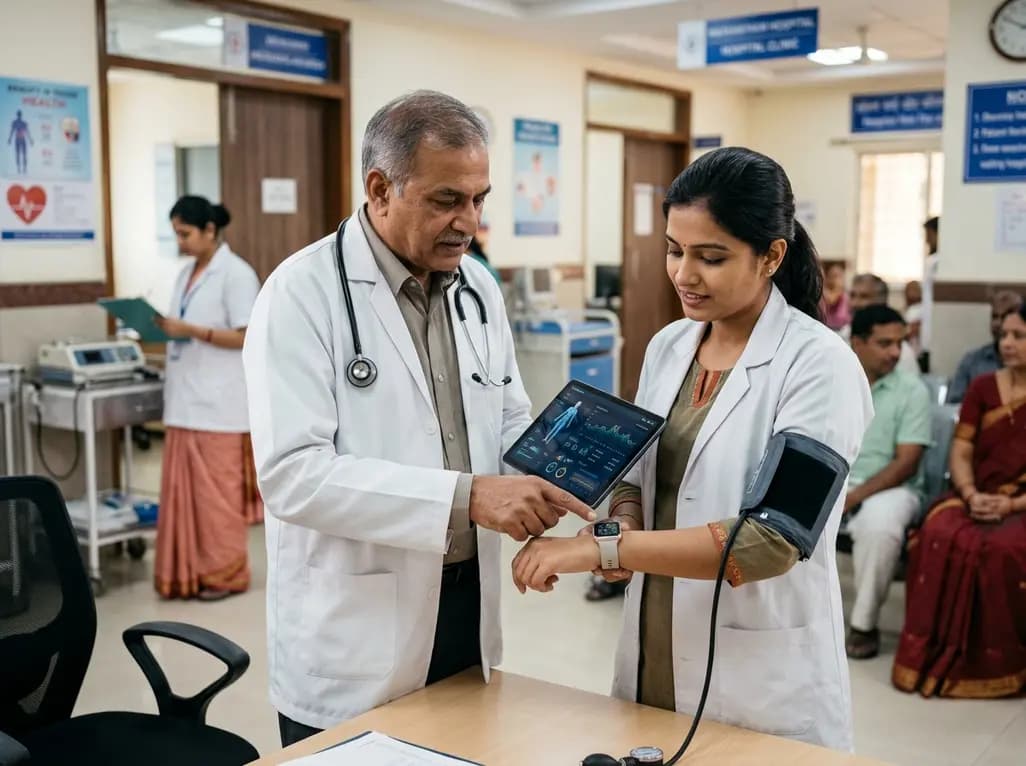
Modern healthcare is witnessing a paradigm shift from reactive illness treatment to proactive healthspan optimization. The integration of wearable longevity technology into clinical workflows represents a major leap forward for preventive medicine. Recently, wearable technology startup Temple acquired London-based longevity medicine clinic LongeVus, signaling a powerful convergence of consumer hardware and clinical expertise. By incorporating clinical practitioners directly into device development, health technology developers aim to move beyond basic activity tracking. Consequently, clinicians now have unprecedented opportunities to evaluate continuous physiological trends, quantify biological resilience, and personalize preventive interventions before chronic conditions manifest.
Historically, consumer wellness devices and clinical medicine operated in separate silos. Basic fitness trackers counted steps and estimated caloric burn, but they lacked medical precision. However, contemporary longevity clinics demand high-resolution, continuous physiological data to guide therapeutic strategies. The acquisition of LongeVus by Temple illustrates this essential industry evolution. By integrating clinic co-founders into executive leadership as chief medical officer and head of science, technology companies are aligning device engineering with rigorous medical standards. Furthermore, this clinical integration ensures that data capture addresses real-world clinical endpoints rather than superficial lifestyle metrics. Physicians in internal medicine and geriatrics can utilize continuous baseline monitoring to detect subclinical deviations early. As a result, medical practices can transition from episodic consultations to dynamic, continuous patient care models.
Continuous biometric monitoring provides granular insights into the body's internal homeostasis. Head-worn and temple-placed sensors can track localized vascular dynamics, autonomic nervous system activity, and cerebral oxygenation with remarkable fidelity. In particular, developers are pioneering advanced analytical frameworks such as the physiological entropy metric. In biological systems, entropy reflects the degree of physiological disorder, metabolic inefficiency, and autonomic dysregulation. When clinicians assess changes in autonomic tone through heart rate variability and microvascular fluctuations, they gain valuable indicators of biological strain. Moreover, sustained elevations in physiological entropy often correlate with chronic systemic inflammation, sleep architecture disruption, and impaired recovery capacity. By pressure-testing these analytical indices in clinical environments, researchers ensure that algorithms accurately capture genuine biological resilience rather than transient noise.
Before any digital health tool can guide therapeutic decision-making, it must undergo robust clinical validation. Rigorous peer review remains the gold standard for establishing diagnostic and prognostic utility. During the development of wearable longevity technology, dedicated clinical trials must benchmark sensor accuracy against established hospital diagnostics like polysomnography and continuous electrocardiography. Furthermore, clinical trials must demonstrate that wearable-derived endpoints correlate with meaningful patient outcomes. Early user feedback from athletes, researchers, and practicing physicians helps refine signal processing algorithms across diverse demographic cohorts. In addition, longitudinal validation confirms whether specific digital biomarkers reliably track therapeutic interventions over time. Ultimately, robust clinical evidence bridges the gap between commercial wellness enthusiasm and evidence-based clinical adoption.
Determining biological age versus chronological age is a foundational pillar of modern longevity medicine. While traditional biological age clocks rely on intermittent blood panels or DNA methylation assays, wearable sensors offer real-time digital phenotyping. Deep neural networks trained on continuous motion, autonomic tone, and sleep variability data can quantify biological age acceleration effectively. Consequently, when an individual experiences acute lifestyle stress or metabolic dysfunction, digital biomarkers capture immediate declines in systemic resilience. Conversely, structured exercise regimens, sleep hygiene improvements, and targeted nutritional protocols produce measurable improvements in physiological recovery kinetics. Therefore, continuous sensor telemetry provides physicians with immediate feedback regarding intervention efficacy, eliminating the multi-month waiting periods required between consecutive biochemical lab draws.
Integrating continuous biomarker tracking into daily medical practice empowers doctors to provide highly individualized care plans. Instead of relying solely on isolated clinic visits, practitioners can monitor long-term physiological trends across varied patient environments. For instance, sudden resting heart rate elevations or declining heart rate variability can alert clinicians to incipient infection, overtraining, or worsening cardiovascular strain. Moreover, combining wearable telemetry with metabolic tracking allows for precise lifestyle prescriptions tailored to an individual's unique biological clock. Therefore, patients receive actionable, data-driven lifestyle recommendations that improve adherence and clinical outcomes. This proactive clinical model helps mitigate chronic lifestyle disorders, including type 2 diabetes, hypertension, and neurodegenerative disease, well before severe functional decline occurs.
Despite rapid technological progress, several regulatory and methodological challenges remain in digital longevity medicine. Health regulatory bodies require clear differentiation between general wellness gadgets and validated medical software. Consequently, manufacturers must maintain transparent clinical audit trails, rigorous data provenance, and stringent patient privacy safeguards. In addition, medical professionals must avoid data overload by utilizing integrated clinical platforms that distill continuous telemetry into actionable summaries. Looking forward, the marriage of specialized longevity clinics and continuous wearable engineering will establish standardized digital endpoints. As peer-reviewed literature expands, continuous biomarker monitoring will become an indispensable component of mainstream geriatric, cardiovascular, and preventive health strategies globally.
Q1: What is the primary clinical significance of the entropy metric in wearable health devices?
The entropy metric quantifies physiological disorder and autonomic dysregulation by analyzing continuous biometric signals such as microvascular tone and heart rate variability. Clinicians evaluate entropy trends to assess biological resilience, monitor systemic stress levels, and identify subclinical health deviations before overt symptoms appear.
Q2: How does continuous wearable monitoring complement traditional laboratory biomarkers in longevity care?
Wearable monitoring captures real-time, 24/7 physiological dynamics that episodic blood tests cannot detect, including circadian rhythm fluctuations and recovery kinetics. Combining static biochemical markers with continuous digital phenotyping provides clinicians with a comprehensive, longitudinal assessment of biological aging and intervention response.
Q3: Why is clinical peer review essential for emerging longevity wearables?
Peer review validates sensor accuracy against gold-standard clinical diagnostic equipment and confirms the statistical validity of proprietary algorithms. This rigorous academic process ensures that the captured biometric data reliably reflects true human physiology, fostering trust and clinical adoption among medical professionals.
Disclaimer: This content is for informational and educational purposes only. It does not constitute medical advice or replace professional judgment. Refer to the latest local and national guidelines for clinical practice.
References

Read summarized clinical updates, watch expert medical content, and earn CME certifications right from your smartphone.
Open your smartphone camera to scan and install.





Temple's acquisition of London longevity clinic LongeVus highlights the shift toward validating continuous wearable monitoring. Discover how clinicians evaluate biological entropy, physiological biomarkers, and preventive health strategies to enhance patient healthspan and clinical trial outcomes.
Today
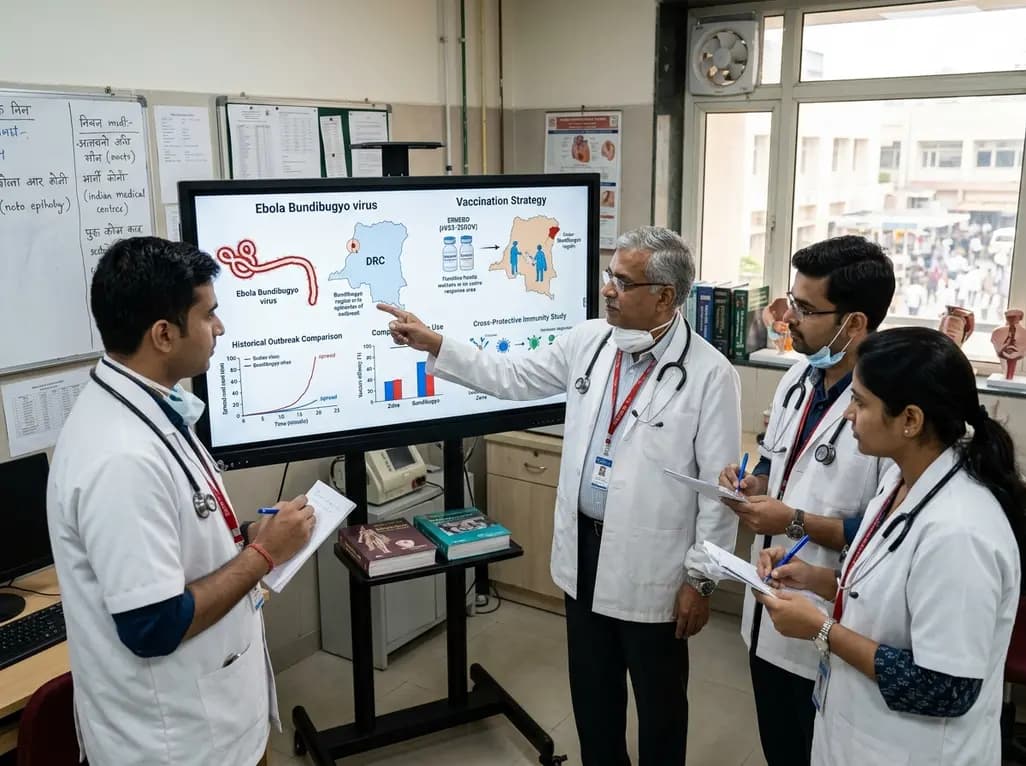
Facing the fastest-spreading Ebola crisis in history driven by the Bundibugyo species, health authorities in the Democratic Republic of the Congo have initiated compassionate-use immunization using the Ervebo vaccine to safeguard frontline personnel and evaluate potential cross-protective immunity.
Today

The Ministry of Health has launched a comprehensive healthcare expansion to strengthen acute life-support infrastructure across 160 district hospitals by March 2027. The phased initiative upgrades clinical capacity, trains over 1.5 lakh caregivers, and reinforces regional mental health networks nationwide.
Today
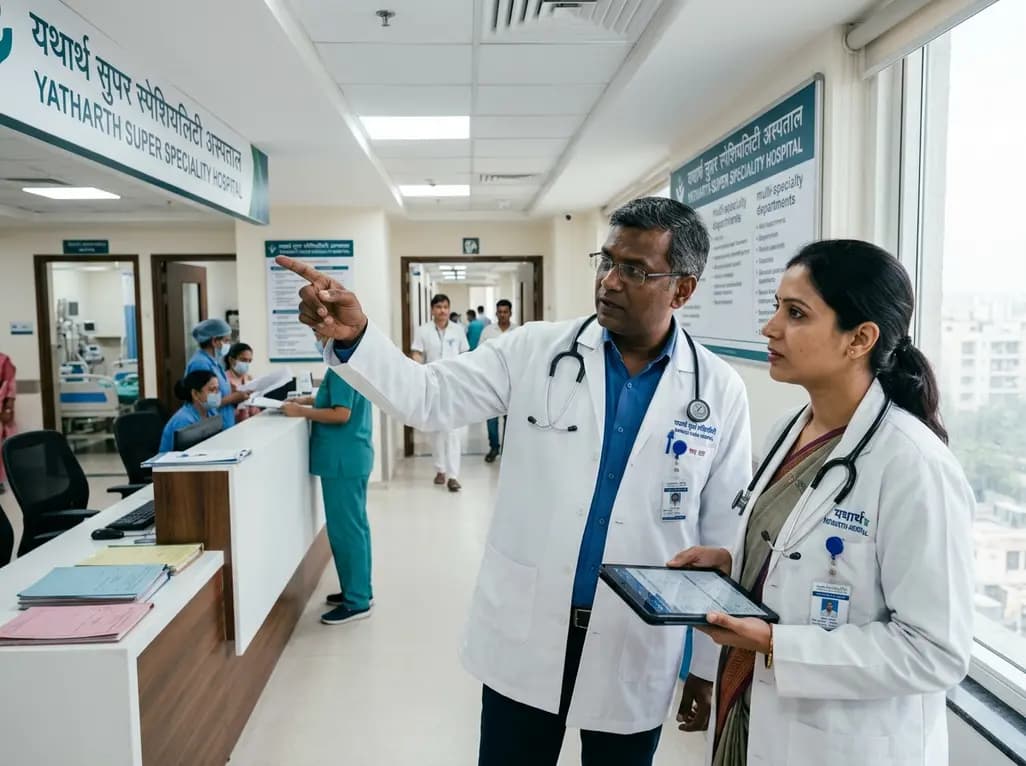
Aster DM Quality Care and Advent International are exploring acquisition opportunities in Yatharth Hospitals, reflecting rapid corporate expansion, rising private equity interest, and multi-specialty capacity growth across India.
Today
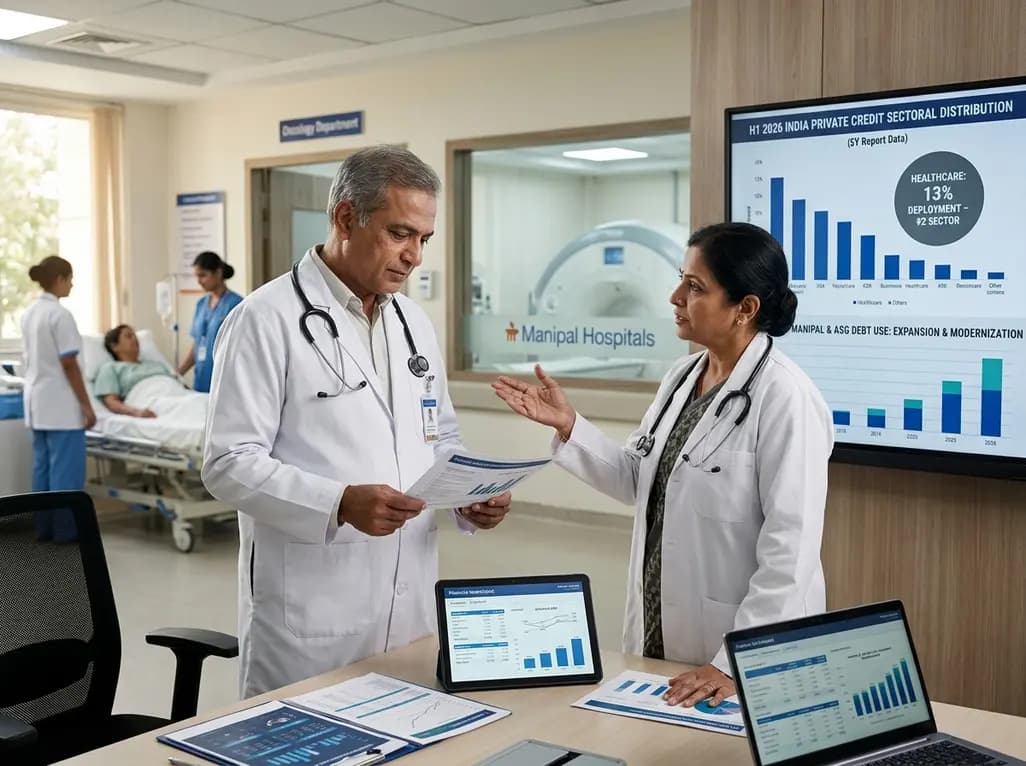
An EY report reveals that healthcare became the second-largest sector for private credit deployment in India during H1 2026, capturing 13% of total deal value. Explore how major networks like Manipal and ASG utilize structured debt to finance expansion, refinance liabilities, and modernize clinical infrastructure.
Today
