.webp&w=384&q=75)

Loading, please wait...
Loading, please wait...
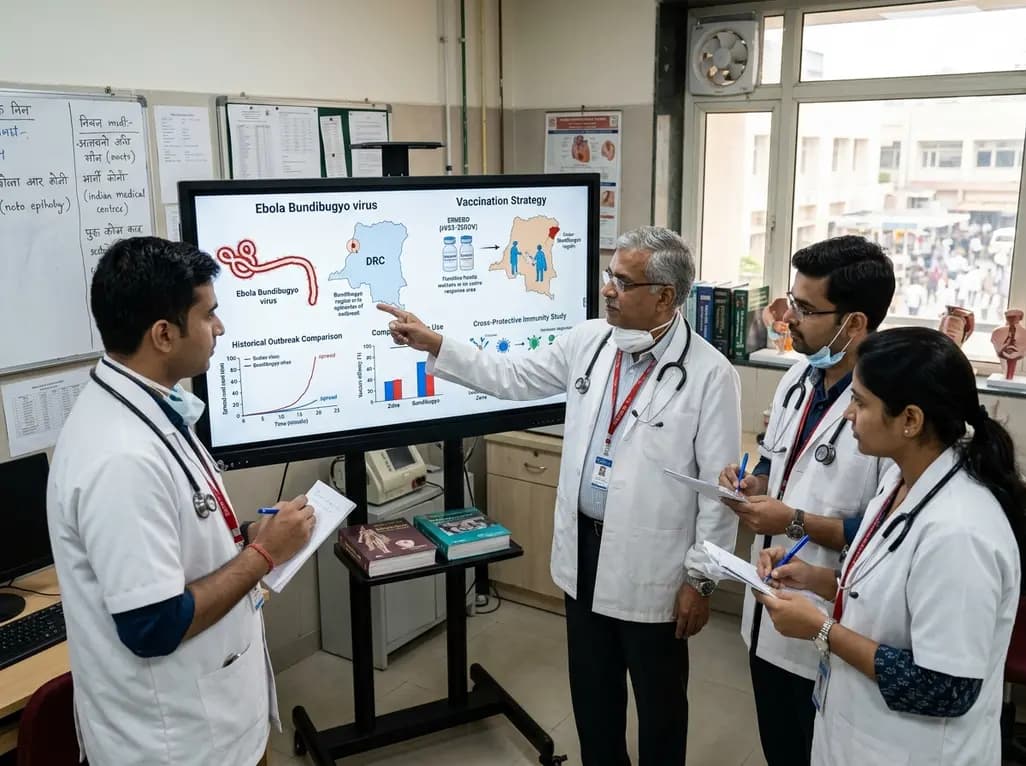
The Democratic Republic of the Congo has launched an unprecedented emergency immunization campaign to contain the rapidly expanding Bundibugyo Ebola outbreak. Health officials are confronting a staggering surge in cases across multiple eastern provinces. Consequently, authorities have deployed thousands of vaccine doses to protect vulnerable medical personnel. This escalating public health crisis represents the deadliest viral hemorrhagic fever event in the nation's recorded history. Because the current crisis involves an uncommon filovirus strain, international public health bodies are closely monitoring clinical outcomes. Clinicians worldwide must understand the implications of this intervention for global biosecurity, travel medicine, and emergent infectious disease containment.
The current epidemiological trajectory in the Democratic Republic of the Congo demonstrates an alarming transmission velocity. Historically, the 2014 to 2016 West African epidemic stood as the global benchmark for filovirus morbidity. However, health authorities confirm that case counts in this surge are accumulating at a vastly accelerated pace. Confirmed infections have already exceeded 5,700 individuals, resulting in more than 2,740 deaths across six heavily affected provinces. The epicentre remains concentrated within Ituri province, but secondary clusters have rapidly emerged across Tshopo, Bas-Uele, and Haut-Uele. Furthermore, the overall case fatality rate remains close to fifty percent among confirmed clinical presentations.
Several compounding socioeconomic factors severely amplify viral transmission throughout the affected regions. Intense population displacement driven by civil conflict forces communities into crowded, precarious settlements. In addition, ongoing labor strikes among local health workers have weakened standard triage protocols and community surveillance networks. Because asymptomatic early stages mimic common tropical febrile illnesses like malaria and typhoid, delayed isolation remains a widespread hazard. Therefore, public health experts emphasize that robust point-of-care diagnostics and swift contact tracing are indispensable. Without swift containment, the pathogen threatens to cross international borders, creating broader regional vulnerability.
To blunt the sharp upward curve of transmission, the national health ministry initiated vaccination in Kisangani, the provincial capital of Tshopo. Officials are prioritizing healthcare providers and ancillary hospital staff who face continuous occupational exposure. Through coordination with international bodies, the country secured an initial allocation of 70,000 doses from global emergency stockpiles. Approximately 50,000 doses are dedicated to protecting frontline personnel across fourteen high-risk health zones. Meanwhile, investigators have earmarked 20,000 doses for structured clinical trials to evaluate real-world prophylactic efficacy.
Because regulatory agencies have not licensed any preventative countermeasure specifically for this viral species, authorities are administering the vaccine under an ethical compassionate-use framework. This structured protocol enables emergency deployment of existing medical countermeasures during critical humanitarian crises. Nevertheless, the regulatory framework requires stringent informed consent, comprehensive post-administration pharmacovigilance, and systematic adverse event tracking. Clinical research teams from the Africa Centres for Disease Control and Prevention are actively gathering prospective data. Consequently, this deployment serves a dual purpose by delivering immediate frontline biological defense while generating essential scientific evidence.
The Ervebo vaccine utilizes a recombinant vesicular stomatitis virus platform that expresses the surface glycoprotein of the Zaire ebolavirus species. In previous outbreaks involving the Zaire species, this viral vector demonstrated extraordinary protective efficacy through rapid induction of neutralizing antibodies. However, the current emergency stems from the Bundibugyo ebolavirus, which exhibits distinct structural and antigenic divergences in its envelope glycoprotein. Therefore, complete cross-neutralization cannot be assumed without rigorous clinical verification.
Despite these genomic variations, immunologists hypothesize that conserved epitopes between the two filovirus species may stimulate partial heterologous protection. Preclinical investigations and animal challenge models suggest that cellular and humoral cross-reactive pathways could attenuate clinical severity. Furthermore, rapid vaccine-induced innate immune activation may provide early antiviral barriers during acute exposure windows. Health authorities acknowledge that while Ervebo may not completely prevent infection, mitigating severe disease and reducing secondary transmission remain valuable clinical goals. Thus, current observational cohorts in the field will determine whether vector-induced immunity establishes meaningful cross-species defense in human populations.
Delivering temperature-sensitive biologics across conflict-affected tropical terrain presents formidable logistics obstacles. Ervebo requires ultra-cold chain storage conditions, demanding specialized refrigeration infrastructure that remains scarce in rural provincial zones. Consequently, logistics teams must deploy portable ultra-low freezers and mobile solar-powered cooling containers across remote jungle corridors. Additionally, persistent civil insecurity, armed skirmishes, and damaged transport routes frequently complicate the safe transportation of delicate biological supplies to isolated rural health clinics.
Simultaneously, healthcare workers face severe physical and psychological strain within decentralized treatment facilities. Inadequate personal protective equipment and deep-seated community mistrust exacerbate occupational transmission hazards among bedside caregivers. Moreover, historical misinformation and social stigma surrounding viral hemorrhagic fevers occasionally incite localized hostility toward medical intervention teams. To overcome these deep hurdles, health leaders are actively engaging local civic groups, tribal elders, and community influencers. Transparent communication regarding vaccine rationale and safety is paramount to fostering public cooperation and maintaining sustained frontline healthcare resilience.
For international physicians and travel medicine consultants, the expanding crisis highlights the vital necessity of heightened diagnostic vigilance. In an interconnected modern world, international air travel facilitates rapid geographical dispersion of acute pathogens before symptom onset. Therefore, clinicians evaluating febrile patients returning from Central Africa must conduct thorough travel and exposure histories. Presenting symptoms including sudden high fever, profound fatigue, myalgia, headache, and severe gastrointestinal distress demand immediate infection control precautions.
Furthermore, medical institutions must maintain strict adherence to standard, contact, and droplet barrier precautions during the clinical evaluation of suspected filovirus cases. Early supportive therapy, including aggressive intravenous fluid resuscitation, electrolyte repletion, and hemodynamic monitoring, drastically improves patient survival rates. Meanwhile, the global scientific community must continue accelerating the clinical development of species-specific biologics and broad-spectrum multivalent filovirus vaccines. Ultimately, managing this complex public health emergency requires sustained international cooperation, equitable medical resource distribution, and proactive clinical preparedness across all healthcare systems.
Q1: Why are health authorities using the Ervebo vaccine against the Bundibugyo virus?
Authorities are deploying Ervebo under a compassionate-use framework because no approved vaccine exists specifically for the Bundibugyo species. Because the Zaire and Bundibugyo viruses share substantial genetic similarities, scientists anticipate partial cross-protective immunity. Vaccinating frontline medical workers provides potential immediate biological defense while ongoing clinical trials collect critical epidemiological data regarding real-world vaccine effectiveness and safety in human populations.
Q2: What are the main clinical challenges associated with the Bundibugyo Ebola strain?
The Bundibugyo strain presents significant clinical hurdles due to the lack of licensed targeted antiviral therapeutics or monoclonal antibody treatments. Furthermore, early symptoms closely resemble endemic tropical infections such as malaria and typhoid, which frequently delays diagnosis. In addition, the infection causes severe systemic toxicity and high mortality, necessitating immediate fluid resuscitation, rigorous electrolyte management, and vigilant hemodynamic support in specialized isolation units.
Q3: How does the compassionate-use framework function during acute disease outbreaks?
A compassionate-use framework permits the emergency administration of unlicensed or off-label pharmaceutical products during life-threatening health emergencies when no approved alternatives exist. Under this structured protocol, clinicians must obtain informed patient consent, maintain strict pharmacovigilance, and report adverse events diligently. This approach enables vulnerable populations to access potentially lifesaving countermeasures while generating essential safety and efficacy data for future regulatory consideration.
Disclaimer: This content is for informational and educational purposes only. It does not constitute medical advice or replace professional judgment. Refer to the latest local and national guidelines for clinical practice.
References

Read summarized clinical updates, watch expert medical content, and earn CME certifications right from your smartphone.
Open your smartphone camera to scan and install.





Facing the fastest-spreading Ebola crisis in history driven by the Bundibugyo species, health authorities in the Democratic Republic of the Congo have initiated compassionate-use immunization using the Ervebo vaccine to safeguard frontline personnel and evaluate potential cross-protective immunity.
Today
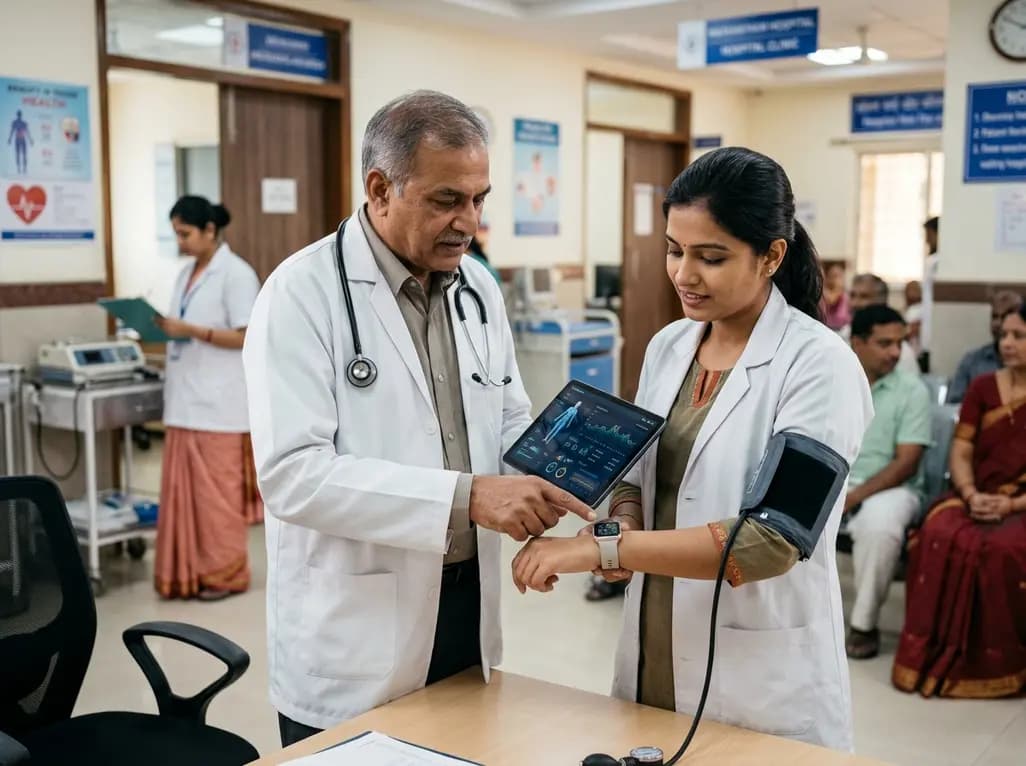
Temple's acquisition of London longevity clinic LongeVus highlights the shift toward validating continuous wearable monitoring. Discover how clinicians evaluate biological entropy, physiological biomarkers, and preventive health strategies to enhance patient healthspan and clinical trial outcomes.
Today
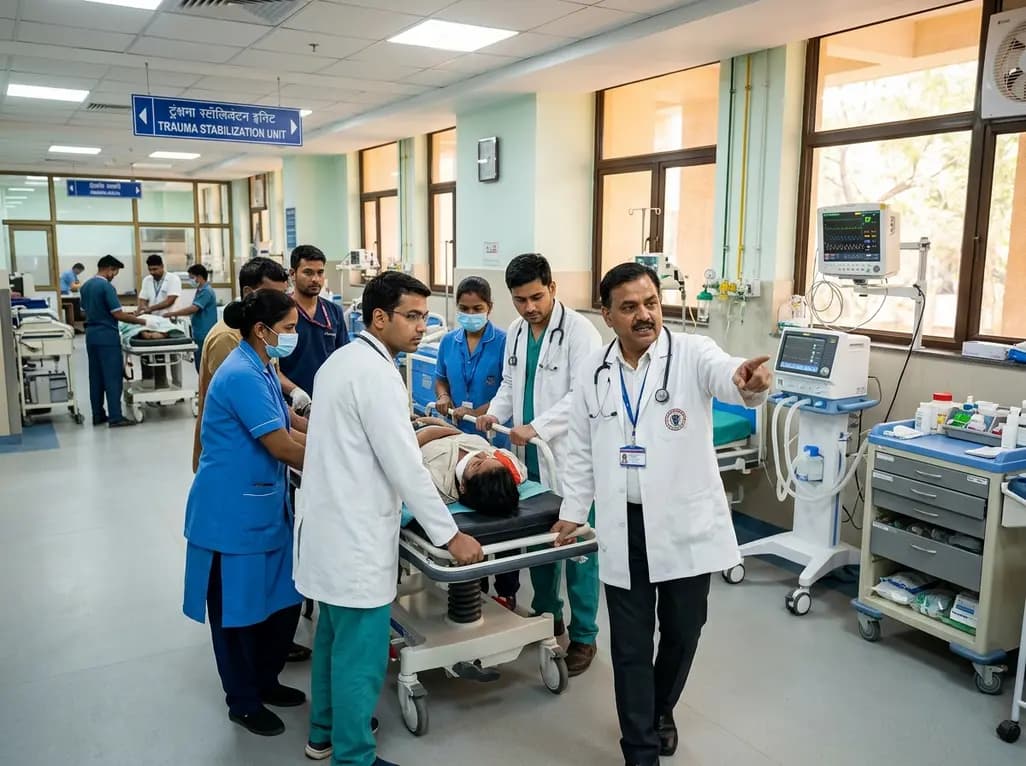
The Ministry of Health has launched a comprehensive healthcare expansion to strengthen acute life-support infrastructure across 160 district hospitals by March 2027. The phased initiative upgrades clinical capacity, trains over 1.5 lakh caregivers, and reinforces regional mental health networks nationwide.
Today
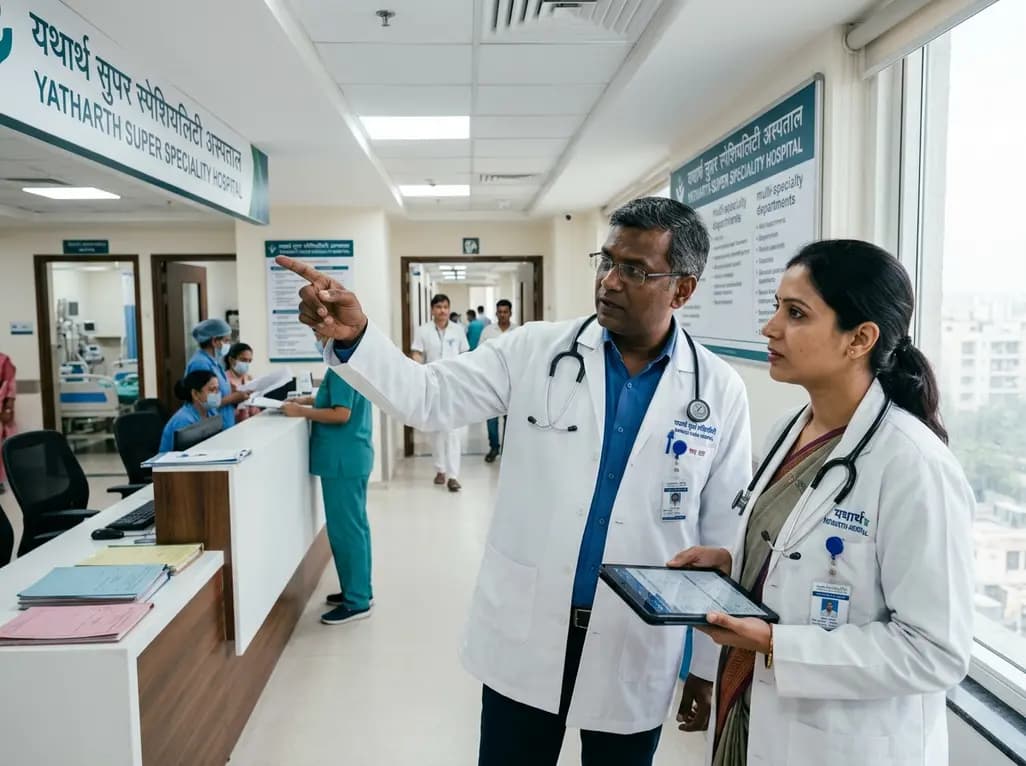
Aster DM Quality Care and Advent International are exploring acquisition opportunities in Yatharth Hospitals, reflecting rapid corporate expansion, rising private equity interest, and multi-specialty capacity growth across India.
Today
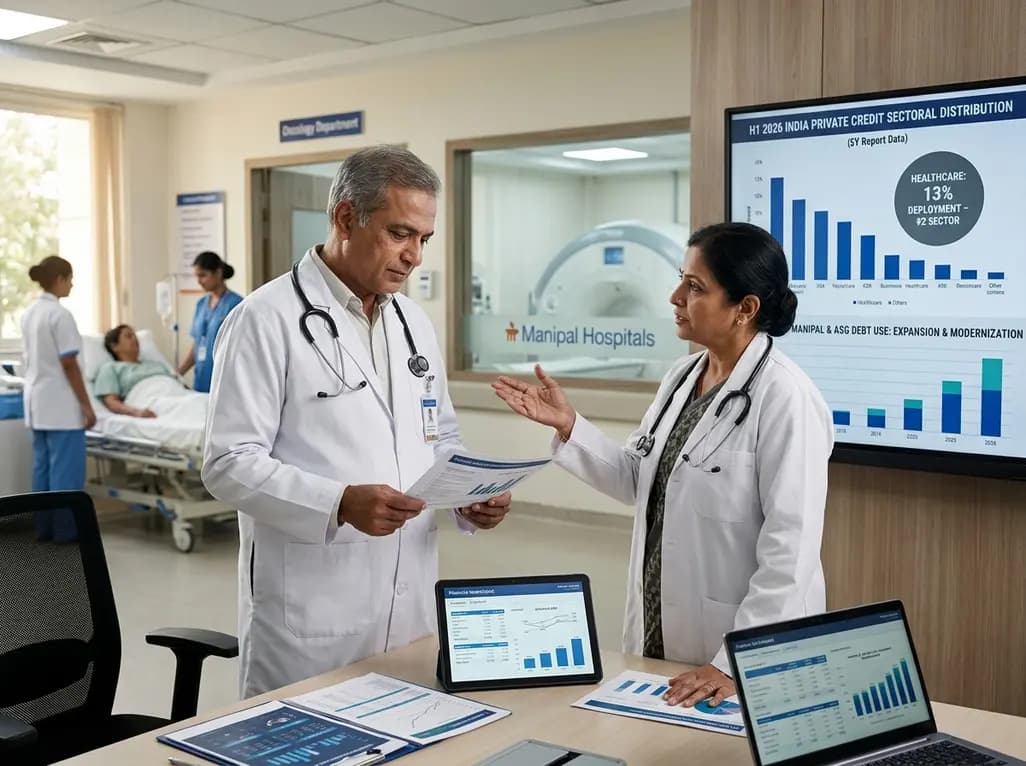
An EY report reveals that healthcare became the second-largest sector for private credit deployment in India during H1 2026, capturing 13% of total deal value. Explore how major networks like Manipal and ASG utilize structured debt to finance expansion, refinance liabilities, and modernize clinical infrastructure.
Today
