

Loading, please wait...
Loading, please wait...

Tata Elxsi and the Sree Chitra Tirunal Institute for Medical Sciences and Technology (SCTIMST) have formally entered into a Memorandum of Understanding (MoU) to accelerate healthcare technology development across India and global markets. Consequently, this strategic alliance brings together clinical research excellence and high-performance product design to transform how medical devices reach patients. By combining engineering expertise with specialized clinical experience, both institutions aim to solve complex medical challenges. Furthermore, this initiative establishes a structured framework for joint intellectual property creation and rapid prototyping. As a result, healthcare leaders expect this collaborative effort to drive impactful digital health solutions.
The collaboration between Tata Elxsi and SCTIMST marks a crucial turning point for biomedical engineering in India. SCTIMST functions as an Institution of National Importance under the Department of Science and Technology. Therefore, its clinical researchers possess deep expertise in cardiovascular sciences, neurosciences, and biotechnology. Meanwhile, Tata Elxsi brings world-class capabilities in artificial intelligence, software design, and digital engineering. Together, these organizations will co-develop advanced medical solutions for domestic and international markets.
Moreover, the partnership focuses on key sectors, including medical imaging, diagnostic tools, and digital health platforms. Additionally, the MoU establishes project-specific collaborations aimed at academic engagement and collaborative research. Consequently, engineering teams can now interact directly with medical experts to identify unaddressed clinical needs. This direct exchange allows engineers to construct precise prototypes that fit clinical workflows seamlessly. Furthermore, the partnership creates a strong foundation for domestic intellectual property development. Ultimately, this cooperative approach ensures that emerging health technologies remain affordable, safe, and effective for patient care.
Historically, medical technology development in India suffered from fragmented coordination between clinicians and product designers. However, this new ecosystem connects frontline healthcare providers, specialist researchers, and software engineers within a single unified pipeline. Consequently, developers can validate functional concepts much faster than traditional development cycles permitted. Additionally, clinicians offer real-time feedback during early design phases, which drastically reduces structural errors.
Furthermore, Tata Elxsi's software mastery complements SCTIMST's decades of clinical research in high-risk medical devices. Indeed, creating sophisticated neuro-interventional devices or cardiovascular implants requires meticulous testing and precise specifications. Therefore, integrating clinical insights early in engineering design helps developers navigate complex functional challenges effortlessly. Moreover, this approach speeds up the transition from conceptual laboratory research to clinical prototypes. As a result, MedTech firms can manufacture robust equipment tailored to diverse patient demographics. Ultimately, this seamless integration of clinical and technological disciplines elevates the global competitiveness of Indian medical device manufacturing.
A major challenge for any new medical device involves satisfying rigorous safety and regulatory standards. Fortunately, the SCTIMST and Tata Elxsi partnership directly addresses these regulatory hurdles by enhancing local testing capabilities. Specifically, SCTIMST operates advanced laboratories dedicated to comprehensive biocompatibility evaluation and toxicological testing. Therefore, medical device manufacturers can conduct thorough pre-clinical validations locally without relying solely on expensive international testing facilities.
Additionally, Tata Elxsi provides sophisticated digital simulation tools and automated testing systems to support material validation. Consequently, engineering teams can predict material behavior under simulated physiological conditions before physical fabrication begins. Moreover, this dual capability reduces testing expenses and significantly shortens time-to-market for critical healthcare innovations. Furthermore, establishing reliable local testing protocols ensures that all newly developed devices comply strictly with national and international quality benchmarks. Consequently, Indian healthcare institutions can adopt locally produced medical devices with complete confidence in their therapeutic safety.
Digital transformation is rapidly restructuring modern clinical diagnostics and remote patient management systems. In response, the partnership prioritizes artificial intelligence integration across medical imaging, remote diagnostics, and smart monitoring platforms. Furthermore, Tata Elxsi's proprietary digital health architectures enable the rapid deployment of cloud-based medical software. Consequently, clinicians can access real-time patient data and AI-assisted diagnostic tools right at the point of care.
Additionally, integrating artificial intelligence into radiology workflows improves diagnostic accuracy while reducing clinician burnout. SCTIMST's vast repository of clinical expertise ensures that algorithms undergo rigorous validation against authentic medical datasets. Therefore, these digital tools maintain exceptionally high precision across diverse clinical scenarios. Moreover, the alliance seeks to build scalable digital health platforms that serve both urban medical centers and remote rural clinics. As a result, healthcare systems can deliver consistent diagnostic quality across geographically dispersed populations. Ultimately, these advanced digital solutions promise to democratize modern healthcare access throughout developing nations.
The long-term impact of this partnership extends beyond technological innovation to direct clinical practice improvements. By creating an extended engineering ecosystem, Tata Elxsi and SCTIMST empower MedTech companies to scale production efficiently. Consequently, hospitals and clinics across India will gain faster access to cutting-edge diagnostic and therapeutic devices. Furthermore, producing high-quality medical equipment domestically lowers acquisition and maintenance costs for healthcare facilities.
Additionally, affordable medical technology allows tier-two and tier-three hospitals to upgrade their diagnostic capabilities significantly. As a result, patients in rural regions will no longer need to travel to major cities for advanced cardiac or neurological evaluations. Furthermore, local manufacturing strengthens supply chain resilience against global disruptions, ensuring uninterrupted clinical operations. Consequently, clinicians can rely on steady access to necessary medical devices and diagnostic tools. Ultimately, this strategic partnership establishes a sustainable model for affordable, clinician-led healthcare innovation worldwide.
Q1: What is the primary objective of the MoU between Tata Elxsi and SCTIMST?
The main objective is to establish a collaborative innovation ecosystem for medical technology development. By combining SCTIMST's clinical research expertise with Tata Elxsi's engineering and artificial intelligence capabilities, the partnership aims to design, validate, and commercialize advanced healthcare solutions. These solutions encompass diagnostics, medical devices, digital health software, and biomedical technologies tailored for both Indian and international healthcare markets.
Q2: How does this partnership benefit medical device manufacturers and MedTech startups?
This partnership provides MedTech companies access to an extended innovation framework, including advanced laboratories, prototyping infrastructure, and specialist clinicians. Consequently, startups can conduct early-stage clinical feedback, biocompatibility testing, and toxicological validation within a single ecosystem. This streamlined process dramatically reduces product development costs, minimizes design errors, and significantly accelerates the timeline required to bring regulatory-compliant medical products to market.
Q3: What specific medical domains will benefit from this joint healthcare initiative?
The collaboration focuses primarily on cardiovascular sciences, neurosciences, digital health, medical imaging, biomedical engineering, and clinical diagnostics. Furthermore, the partnership enhances capabilities in material biocompatibility and toxicological testing. By integrating artificial intelligence and cloud software into medical hardware, the initiative supports the development of smart diagnostic tools, remote patient monitoring devices, and high-precision therapeutic implants.
Disclaimer: This content is for informational and educational purposes only. It does not constitute medical advice or replace professional judgment. Refer to the latest local and national guidelines for clinical practice.
References

Read summarized clinical updates, watch expert medical content, and earn CME certifications right from your smartphone.
Open your smartphone camera to scan and install.





Tata Elxsi has signed a Memorandum of Understanding with the Sree Chitra Tirunal Institute for Medical Sciences and Technology to accelerate medical device innovation, clinical research, digital health, and diagnostic technology creation for domestic and international markets.
3 months ago
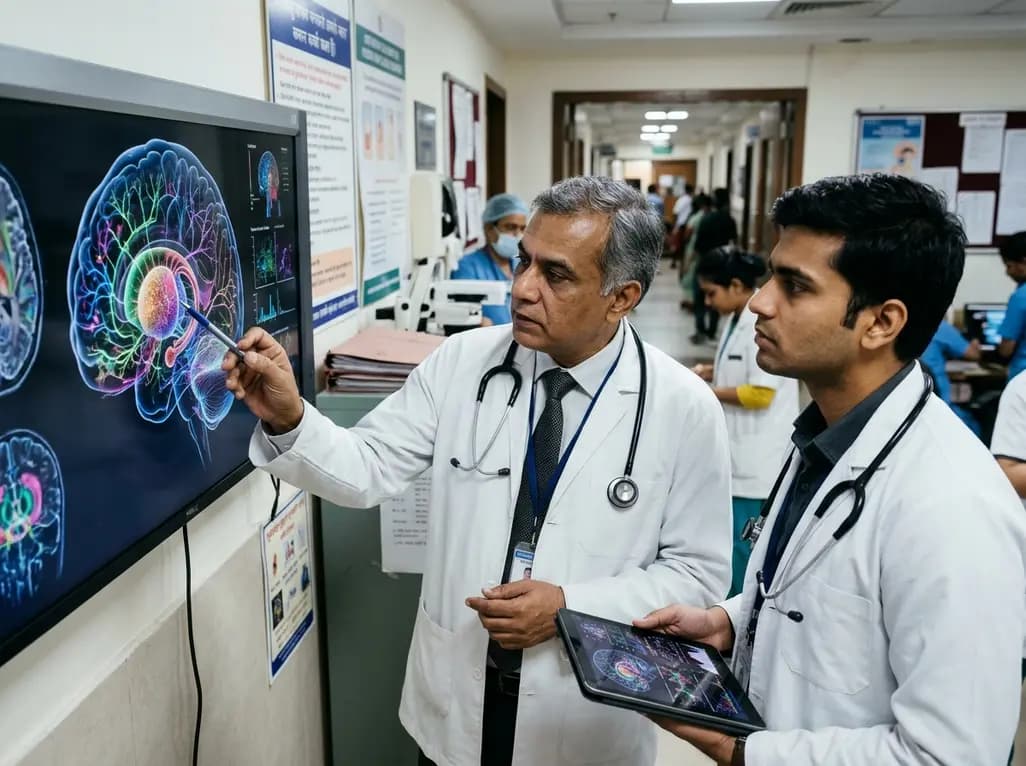
Researchers have unveiled an unprecedented cross-species cellular atlas of the basal ganglia, detailing over 21 million human cells. This breakthrough illuminates how non-coding genomic switches govern neuronal function, offering clinicians new roadmaps for Parkinson's disease, schizophrenia, and targeted gene therapies.
Today

Six months in, DR Congo faces over 11,000 cases from the Bundibugyo ebolavirus strain. Severe resource deficits, hospital transmission, and regional insecurity hinder containment. Clinicians worldwide must maintain heightened vigil for acute hemorrhagic fever and uphold strict infection control standards.
Today

Recent data from the US CDC highlights six measles-related fatalities in 2026, doubling the previous year's mortality figure. This critical development underscores the vulnerability of unimmunized cohorts and reminds healthcare providers worldwide to reinforce surveillance, early triage, and timely vaccination.
Today
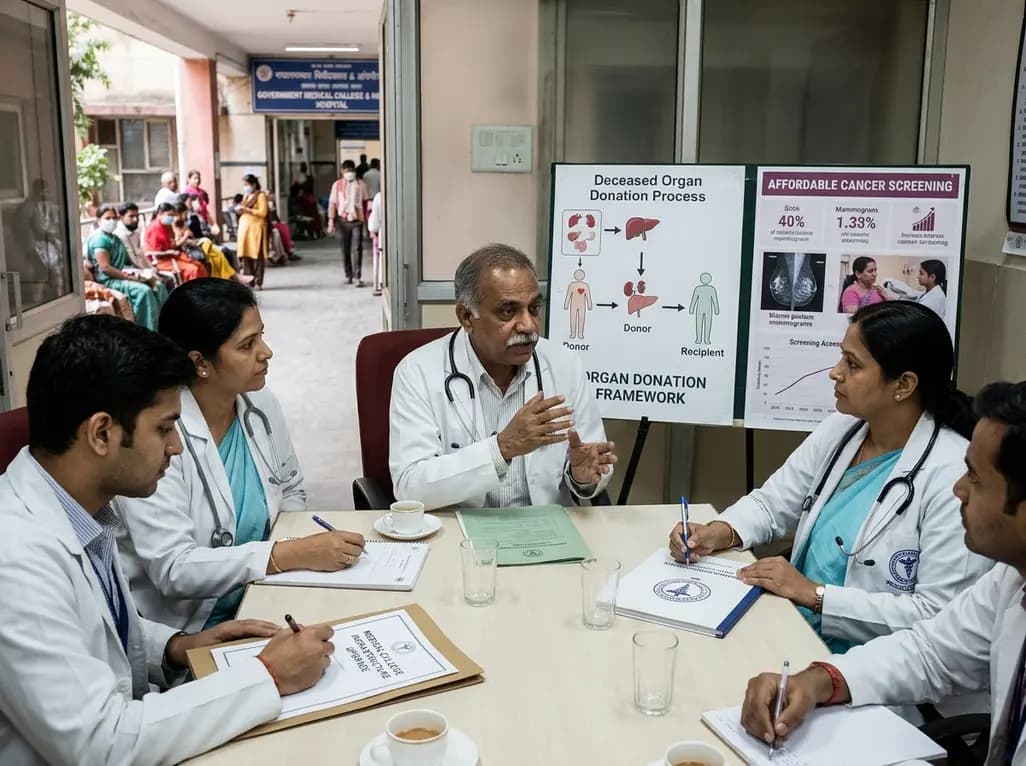
The Parliamentary Standing Committee on Health has identified twelve key subjects for national review. Crucial areas include affordable oncology screening, legal frameworks for organ donation, a dedicated national mission for liver disease, and infrastructure upgrades across government medical colleges.
Today
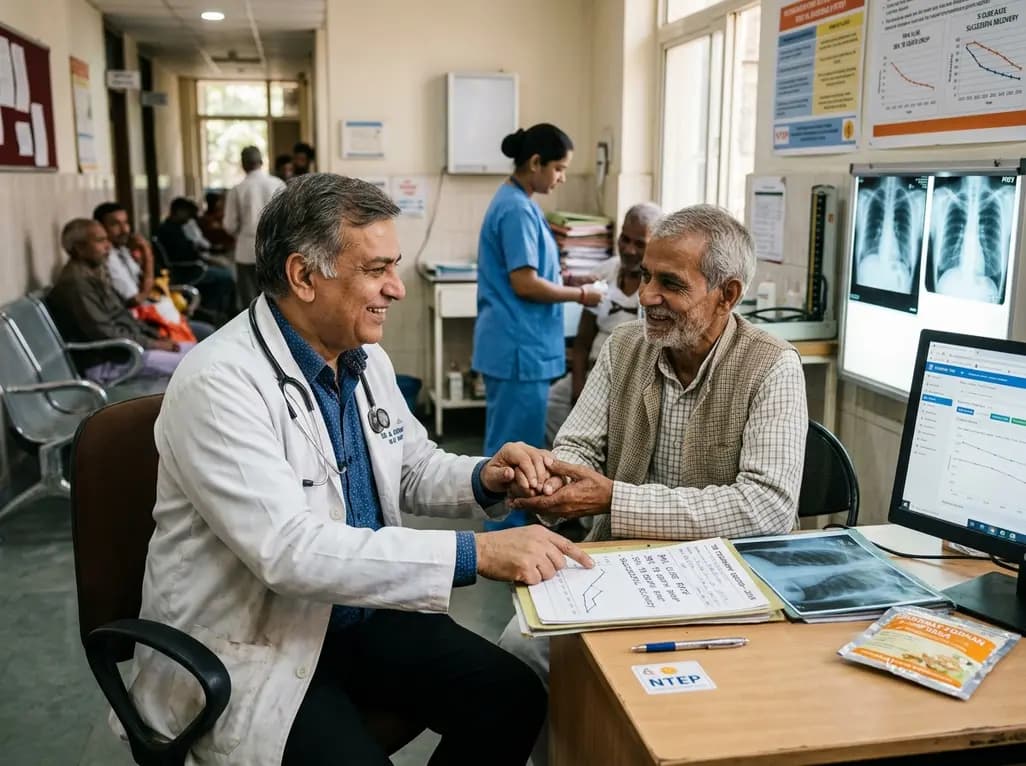
According to the WHO Global Tuberculosis Report 2026, India recorded a historic 38% reduction in TB mortality since 2015 and achieved a 94% treatment success rate for drug-susceptible cases. Accelerated screening, AI diagnostics, and nutritional support under NTEP drive these unprecedented public health milestones.
Today
