

Loading, please wait...
Loading, please wait...
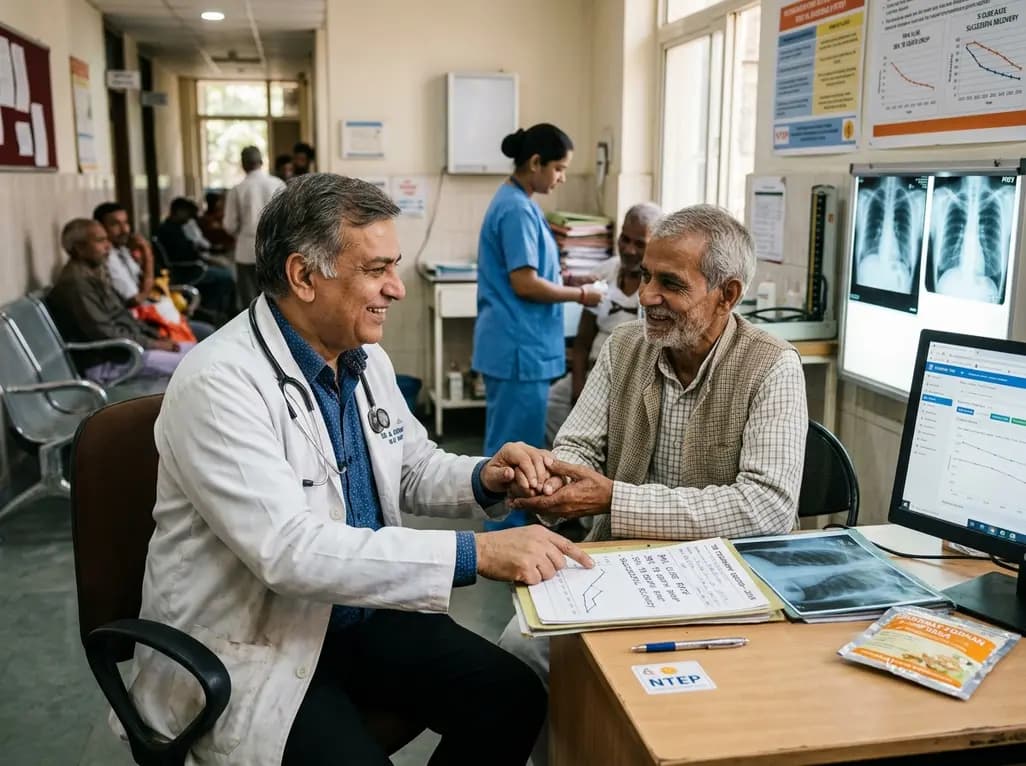
The World Health Organization published its Global Tuberculosis Report 2026, showcasing unprecedented progress in the fight against tuberculosis across the subcontinent. Most notably, TB mortality in India declined by 38% between 2015 and 2025, outperforming the global decline of 35%. Concurrently, the national programme recorded an impressive 94% treatment success rate among patients presenting with drug-susceptible tuberculosis. These figures demonstrate how nationwide public health initiatives can translate into measurable clinical improvements for high-burden communities. Consequently, clinicians across India now witness substantial transformations in treatment efficacy, diagnostic speed, and case fatality reductions.
Historically, India shouldered a massive share of the worldwide tuberculosis burden. However, sustained programmatic interventions under the National TB Elimination Programme have steadily reversed these mortality curves. Estimated annual mortality plummeted from 28 deaths per lakh population in 2015 down to 18 per lakh in 2025. Furthermore, India achieved these milestones despite previous global health disruptions. This notable reduction outpaced worldwide metrics, proving that domestic investments yield meaningful life-saving results.
In addition, the 94% treatment success rate underscores a robust clinical delivery architecture across urban and rural centers. While global treatment benchmarks typically hover around 88%, Indian healthcare facilities systematically closed the gaps in patient retention. Prompt therapy initiation has minimized early complications and sudden mortality. Moreover, healthcare centers effectively curtailed transmission chains through rapid case notification. Therefore, the national epidemiological landscape is shifting decisively toward durable infection control and sustainable disease suppression across all states.
Consequently, primary care practitioners observe significantly fewer late-stage clinical presentations. Earlier diagnosis shields patients from extensive parenchymal destruction and irreversible respiratory failure. Thus, aggressive programmatic surveillance directly preserves lung capacity and improves long-term functional recovery.
Technological modernizations have fundamentally transformed early case detection under the TB Mukt Bharat Abhiyaan. Between December 2024 and November 2026, healthcare personnel screened more than 25 crore individuals across vulnerable populations. Specifically, the government deployed portable, artificial intelligence-enabled digital chest X-ray units in remote regions. These automated algorithms immediately identify suspicious radiological opacities, directing symptomatic individuals toward confirmatory diagnostic pathways without diagnostic delays.
Furthermore, frontline providers conducted over 11 crore chest X-rays and three crore nucleic acid amplification tests. This unprecedented laboratory expansion detected approximately 48.64 lakh tuberculosis cases during this intense surveillance period. Notably, screening protocols uncovered nearly 14.97 lakh entirely asymptomatic infections that routine passive surveillance would have missed. As a result, early detection effectively arrested covert transmission networks within crowded community settings.
Simultaneously, decentralized rapid molecular diagnostics reduced the traditional reliance on low-sensitivity sputum smear microscopy. These advanced platforms detect Mycobacterium tuberculosis along with rifampicin resistance markers within two hours. Consequently, clinicians initiate precise antimicrobial regimens almost immediately, preventing empirical treatment failures and secondary resistance amplification.
Achieving a 94% treatment success rate requires far more than diagnostic precision alone. Patients must complete multi-month chemotherapy regimens without debilitating default rates. Accordingly, the National TB Elimination Programme pioneered differentiated care pathways to stratify individual clinical risks. Healthcare providers proactively assess each patient for baseline comorbidities, extreme malnutrition, and adverse socioeconomic risk factors.
Moreover, modern digital platforms like Ni-kshay streamline daily adherence monitoring and patient communications. Novel artificial intelligence tools, such as interactive chatbots and avatar videobots, offer continuous counselling and reminders. Consequently, patients receive rapid assistance whenever drug toxicities or treatment doubts arise during therapy. Furthermore, localized treatment supporters remain in frequent contact, building genuine community trust and personal accountability.
In addition, specialized referral pathways guarantee timely critical care for unstable inpatients. Clinicians rapidly manage acute hepatotoxicity, peripheral neuropathy, and severe drug hypersensitivities before they become fatal. Thus, integrated clinical vigilance maintains exceptional treatment completion rates across diverse healthcare settings.
Ultimately, this personalized management paradigm protects patients throughout their intensive and continuation phases. Physicians can tailor monitoring intensity based on clinical risk profiles, ensuring optimal recovery for every diagnosed individual.
Clinical medicine alone cannot eradicate tuberculosis without resolving underlying biological and social vulnerabilities. Indeed, severe undernutrition represents the single greatest risk factor driving active tuberculosis progression across India. Recognizing this profound pathophysiological link, the central government integrated comprehensive social safety nets directly into tuberculosis care. Specifically, the Ni-kshay Poshan Yojana delivers direct financial assistance to alleviate dietary deficiencies during active therapy.
Furthermore, the community-led Ni-kshay Mitra initiative enables citizens, non-governmental groups, and private corporations to sponsor monthly food baskets. These nutritional rations deliver vital macronutrients and micronutrients necessary for robust cell-mediated immunity. Consequently, patients experience accelerated sputum conversion and rapid weight gain during early treatment months. Studies repeatedly demonstrate that adequate dietary supplementation dramatically curtails mortality risks among severely malnourished tuberculosis cohorts.
Moreover, nutritional empowerment alleviates catastrophic household spending, allowing vulnerable individuals to focus on physical recovery. Community participation also reduces social stigmatization, fostering open health-seeking behaviors across marginalized rural regions. Therefore, nutritional intervention serves as both a biological therapy and a transformative public health catalyst.
Hence, clinicians increasingly evaluate baseline body mass index alongside microbial clearance, ensuring holistic and comprehensive patient management.
These remarkable epidemiological triumphs present clear, actionable directives for daily medical practice in India. General practitioners and internal medicine specialists operate on the frontlines of tuberculosis triage. Therefore, clinicians must routinely implement low-threshold screening for any unexplained systemic symptoms, including persistent weight loss, fever, or chronic cough. Furthermore, physicians should consistently leverage molecular testing instead of relying exclusively on conventional radiography or smear examinations.
In addition, primary care doctors must ensure seamless integration with the public health reporting ecosystem. Mandatory notification via the Ni-kshay portal guarantees that private patients access vital diagnostic subsidies, free medications, and nutritional incentives. Clinicians should also actively advocate for tuberculosis preventive therapy among close household contacts. By treating latent infection early, practitioners eliminate future active disease reservoirs across susceptible family units.
Simultaneously, practitioners must aggressively screen for common comorbidities such as diabetes mellitus, human immunodeficiency virus, and chronic tobacco use. Uncontrolled hyperglycemia significantly worsens tuberculosis prognosis and increases recurrence hazards. Thus, dual disease management represents an indispensable priority for contemporary clinical practitioners throughout India.
Ultimately, private-public partnerships remain the definitive cornerstone for eliminating tuberculosis and preserving clinical milestones nationwide.
Q1: What factors contributed most to the 38% decline in TB mortality in India?
The remarkable mortality decline stems from multifaceted programmatic enhancements under the National TB Elimination Programme. Key drivers include widespread deployment of AI-enabled portable chest radiography, rapid nucleic acid amplification testing, and immediate treatment initiation. Additionally, differentiated patient care protocols, early hospitalization for high-risk presentations, and substantial nutritional support through the Ni-kshay Poshan Yojana have dramatically mitigated case fatality rates across vulnerable populations nationwide.
Q2: Why is the detection of asymptomatic TB cases clinically significant for disease control?
Detecting asymptomatic tuberculosis cases via intensified community screening prevents silent transmission networks from propagating within crowded households. Clinically, asymptomatic individuals often harbor viable bacilli that cause progressive pulmonary tissue damage before classic symptoms emerge. Early therapeutic intervention halts disease progression, diminishes long-term parenchymal fibrosis, and substantially lowers mortality risks. Furthermore, treating infection before extensive cavitation develops prevents the generation of drug-resistant strains and preserves vital lung function.
Q3: How do nutritional interventions directly impact tuberculosis treatment success?
Undernutrition severely impairs cell-mediated immunity, predisposing patients to delayed sputum conversion, treatment failure, and elevated mortality. Nutritional assistance programs, such as Ni-kshay Poshan Yojana and Ni-kshay Mitra food baskets, replenish essential micronutrients and macronutrients during chemotherapy. Consequently, well-nourished patients experience improved drug absorption, lower incidence of adverse pharmacotherapy events, faster physical recovery, and enhanced therapeutic completion rates, directly enabling India to attain a 94% success rate.
Disclaimer: This content is for informational and educational purposes only. It does not constitute medical advice or replace professional judgment. Refer to the latest local and national guidelines for clinical practice.
References

Read summarized clinical updates, watch expert medical content, and earn CME certifications right from your smartphone.
Open your smartphone camera to scan and install.





According to the WHO Global Tuberculosis Report 2026, India recorded a historic 38% reduction in TB mortality since 2015 and achieved a 94% treatment success rate for drug-susceptible cases. Accelerated screening, AI diagnostics, and nutritional support under NTEP drive these unprecedented public health milestones.
Today
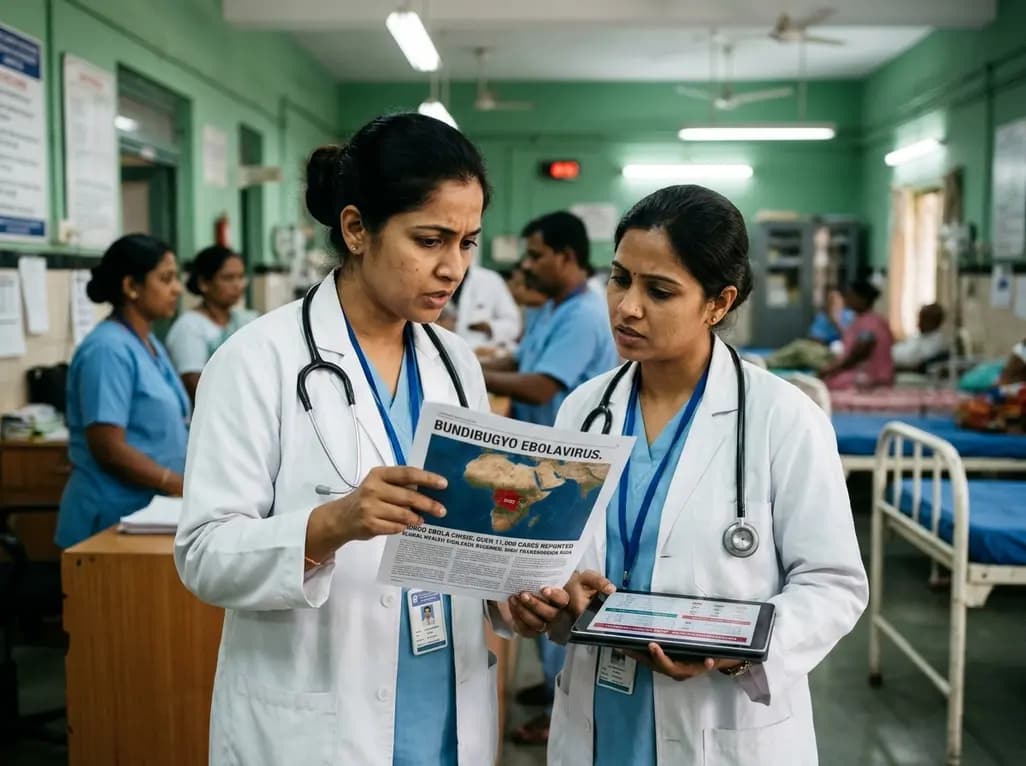
Six months in, DR Congo faces over 11,000 cases from the Bundibugyo ebolavirus strain. Severe resource deficits, hospital transmission, and regional insecurity hinder containment. Clinicians worldwide must maintain heightened vigil for acute hemorrhagic fever and uphold strict infection control standards.
Today
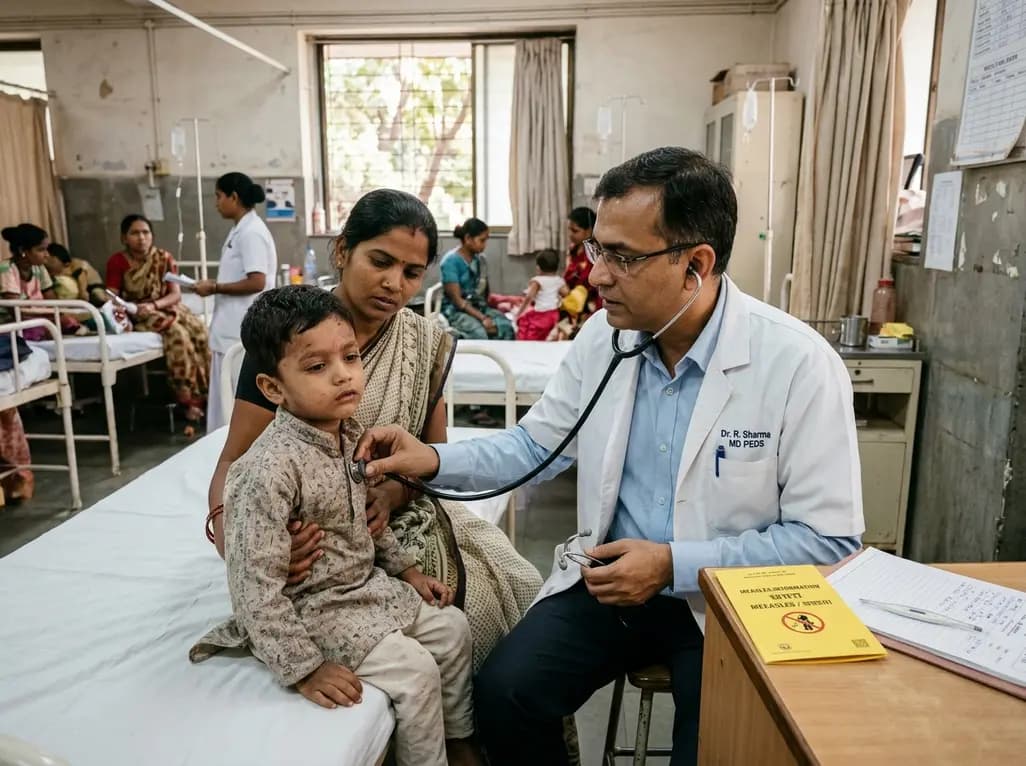
Recent data from the US CDC highlights six measles-related fatalities in 2026, doubling the previous year's mortality figure. This critical development underscores the vulnerability of unimmunized cohorts and reminds healthcare providers worldwide to reinforce surveillance, early triage, and timely vaccination.
Today
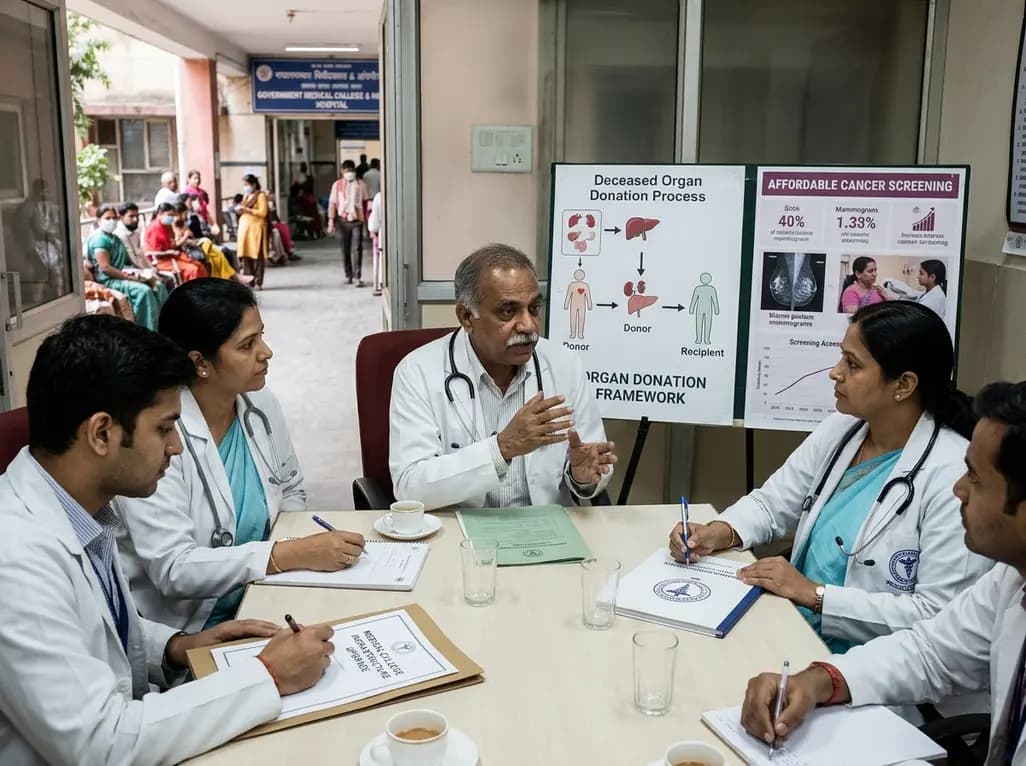
The Parliamentary Standing Committee on Health has identified twelve key subjects for national review. Crucial areas include affordable oncology screening, legal frameworks for organ donation, a dedicated national mission for liver disease, and infrastructure upgrades across government medical colleges.
Today
Groundbreaking research from IIT Kanpur demonstrates that resident islet macrophages can shut down beta-cell insulin secretion within minutes via direct signaling. This rapid non-inflammatory communication reshapes our understanding of diabetes pathogenesis and highlights novel targets for therapeutic interventions.
Today
