.webp&w=384&q=75)

Loading, please wait...
Loading, please wait...
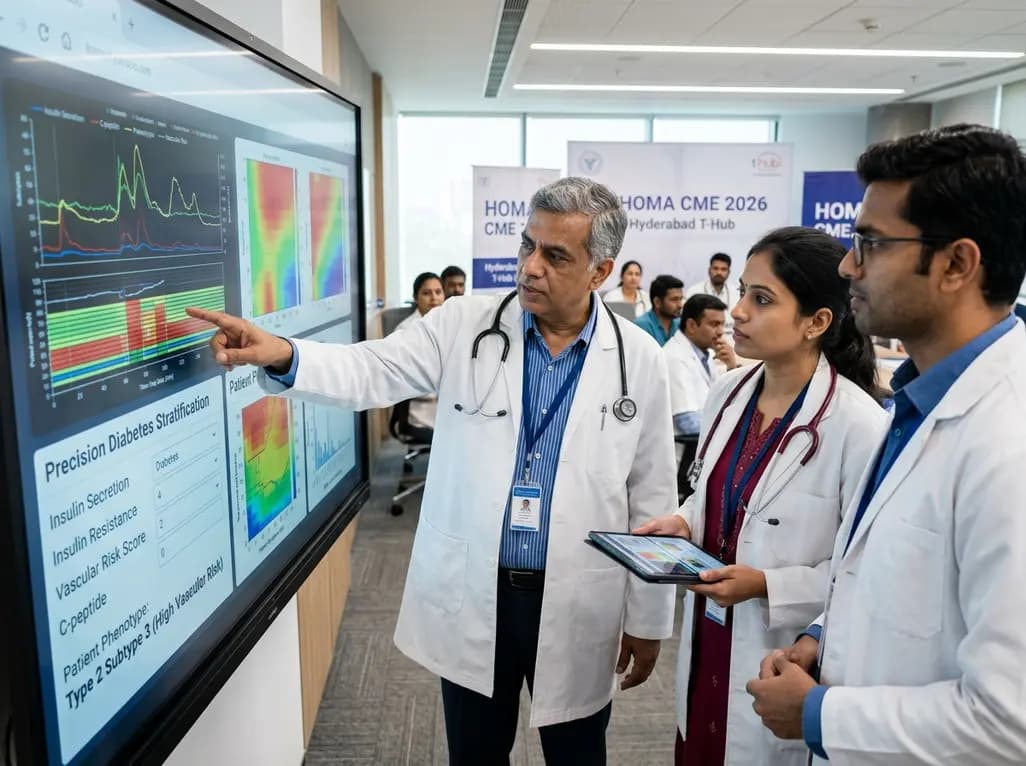
Modern endocrinology is advancing rapidly beyond static glycated hemoglobin targets to address biological heterogeneity. Implementing precision phenotyping in diabetes allows medical practitioners to evaluate unique pathophysiology rather than treating an arbitrary blood sugar number. Consequently, clinical teams can identify individual drivers of hyperglycemia, such as predominant beta-cell failure or profound peripheral insulin resistance. At the recent Homa CME 2026 conference held at T-Hub in Hyderabad, experts highlighted this essential shift. The conference theme, 'Beyond Numbers – Precision Phenotyping in Diabetes and Metabolic Care', emphasized that uniform protocols frequently fail diverse patient cohorts. Furthermore, modern diagnostic technologies now enable clinicians to map personalized metabolic trajectories with remarkable clarity. By integrating physiological data, physicians can prevent therapeutic inertia and mitigate microvascular complications early. Moreover, early identification protects beta-cell reserve before irreversible exhaustion occurs. Therefore, healthcare providers must embrace phenotypic classifications to refine therapeutic choices. This nuanced strategy ensures that every patient receives optimal pharmacological agents tailored to their individual metabolic signature. Additionally, shifting away from generic empiricism empowers clinicians to achieve durable glycemic control. As a result, treatment regimens become more cost-effective and clinically sustainable over the patient lifetime.
The South Asian population displays distinct metabolic characteristics that diverge noticeably from Western populations. Specifically, Indian patients frequently exhibit the classic thin-fat phenotype, presenting high visceral adiposity despite a normal body mass index. Consequently, these individuals develop severe insulin resistance and hyperinsulinemia at significantly younger chronological ages. In addition, lean Indian individuals often suffer from premature beta-cell secretory defects, leading to accelerated glycemic deterioration. Recent landmark data-driven cluster analyses identify several distinct diabetes subgroups across India, including severe insulin-deficient and insulin-resistant phenotypes. Therefore, treating every Asian Indian patient with standard escalating metformin monotherapy often proves suboptimal. For example, individuals with primary secretory defects require early insulin secretagogues or exogenous insulin rather than high-dose insulin sensitizers. Conversely, patients with severe visceral adiposity benefit substantially from sodium-glucose cotransporter-2 inhibitors and incretin-based therapies. These newer agents directly address hepatic steatosis, vascular stiffness, and excessive adiposity. Thus, comprehensive metabolic phenotyping provides the necessary diagnostic roadmap for targeted intervention. By distinguishing between insulin deficiency and insulin resistance, clinicians can personalize therapy effectively. Furthermore, this targeted approach prevents adverse medication effects like unexpected hypoglycemia or weight gain. As a result, patient compliance and long-term metabolic health improve substantially. Ultimately, acknowledging these unique ethnic variations transforms daily clinical outcomes across outpatient practices.
Modern digital health tools now allow medical professionals to perform precise metabolic phenotyping at point of care. During the Homa CME 2026 conference, leaders launched Metric Explorer, an innovative and free metabolic calculator application. This mobile tool rapidly synthesizes routine clinical parameters to calculate homeostatic model assessments, lipid ratios, and estimated vascular risks. Consequently, busy practitioners can instantly quantify both beta-cell function and peripheral insulin resistance in daily outpatient settings. Furthermore, integrating algorithmic assessment replaces cumbersome manual estimations that often delay therapeutic modifications. In addition, digital risk profiling identifies subclinical metabolic dysfunction before overt fasting hyperglycemia emerges. Emerging technologies bridge the critical gap between academic research and practical community care. Therefore, technology-driven risk stratification empowers primary physicians to practice evidence-based endocrinology with confidence. In the modern era, software algorithms can complement standard biochemical assays to monitor patient trajectories longitudinally. Moreover, automated clinical decision support helps practitioners spot microalbuminuria and dyslipidemia patterns earlier. By harnessing real-time computation, healthcare centers ensure standardized quality across various clinical tiers. As a result, healthcare teams make rapid, data-informed treatment modifications that preserve long-term organ health. Similarly, accessible digital calculators facilitate meaningful doctor-patient discussions regarding lifestyle adherence. Thus, intuitive digital solutions elevate preventative metabolic medicine to a new clinical standard.
Metabolic dysfunction rarely occurs in isolation, as cardiovascular complications remain the leading cause of morbidity among diabetic patients. At the Hyderabad conference, medical experts unveiled the insightful book BP: The New Paradigm, authored by Dr Muddu Surendra Nehru. This publication stresses the profound pathophysiological interplay connecting hyperinsulinemia, arterial stiffness, and refractory hypertension. Specifically, chronic hyperinsulinemia activates the sympathetic nervous system and triggers renal sodium retention. Furthermore, systemic endothelial dysfunction impairs nitric oxide synthesis, which worsens vascular resistance. Consequently, treating hypertension in diabetic patients requires far more than merely lowering cuff pressure values. Clinicians must select antihypertensive agents that offer organ protection while maintaining metabolic neutrality. For instance, renin-angiotensin system blockers provide proven renoprotective benefits and improve peripheral insulin sensitivity. Conversely, non-selective beta-blockers may mask hypoglycemia symptoms and worsen dyslipidemia if prescribed indiscriminately. Therefore, holistic cardiometabolic phenotyping evaluates concurrent hemodynamic abnormalities, central adiposity, and renal biomarkers simultaneously. In addition, addressing arterial stiffness early helps reduce stroke and myocardial infarction risks. Thus, modern therapeutic regimens must harmoniously target glycemic indices, lipid parameters, and blood pressure dynamics. This unified approach provides comprehensive protection for the entire vascular tree. Moreover, personalized vascular profiling prevents sudden heart failure decompensation in vulnerable elderly cohorts. As a result, dual cardio-renal protection remains a top priority in routine clinical management.
Translating precision diabetology from specialized academic conferences into scalable public health infrastructure represents a vital milestone. Telangana is actively positioning itself as a global healthcare innovation hub by connecting doctors, life sciences institutions, and technological startups. In an inspiring demonstration of this vision, state authorities announced an innovative proof-of-concept initiative. Under this structured protocol, clinicians will deliver personalized precision metabolic care to fifty selected government hospital patients. Consequently, this initiative tests whether advanced phenotyping algorithms can succeed within resource-constrained public healthcare environments. Furthermore, public sector trials generate valuable real-world evidence reflecting diverse socioeconomic cohorts. In addition, establishing collaborative health networks allows government hospitals to adopt modern diagnostic apps without prohibitive costs. Therefore, scalable technological solutions democratize high-quality metabolic medicine across rural and urban settings alike. Moreover, early precision intervention reduces long-term public health expenditures associated with chronic hemodialysis and coronary bypass surgeries. As healthcare ecosystems evolve, public-private partnerships will accelerate preventative care delivery across India. Thus, integrating clinical phenotyping into primary community clinics fosters equitable chronic disease management. Ultimately, continuous institutional support bridges scientific discovery and bedside medical practice for lasting societal benefit. Similarly, trained community health workers can utilize simplified mobile algorithms to detect metabolic deterioration early. In conclusion, state-supported health innovation models provide an inspiring template for national chronic disease control.
Q1: What does precision phenotyping in diabetes mean for daily clinical practice?
Precision phenotyping involves categorizing patients based on their individual pathophysiology, including insulin deficiency, insulin resistance, body fat distribution, and genetic markers, rather than relying solely on glycemic numbers. Consequently, this approach enables doctors to move away from empirical trial-and-error therapy. Clinicians can choose specific pharmacological classes that directly correct underlying metabolic defects, thereby improving long-term glycemic control, reducing adverse medication effects, and preventing microvascular and cardiovascular organ damage effectively across diverse patient populations.
Q2: How does the Metric Explorer tool assist healthcare providers in metabolic assessment?
Metric Explorer is a free digital calculator designed to evaluate complex metabolic parameters swiftly at point of care. Furthermore, it synthesizes clinical and biochemical data to compute homeostatic model indices of beta-cell function and insulin resistance. By translating complex laboratory values into actionable risk stratifications, the application helps busy physicians detect cardiometabolic abnormalities early. Consequently, primary care doctors can tailor drug therapies, adjust lifestyle interventions, and monitor therapeutic responses objectively without requiring expensive specialist consultations.
Q3: Why is hypertension considered an integral part of metabolic care in diabetes?
Hypertension and type 2 diabetes share common pathophysiological roots, primarily driven by hyperinsulinemia, sympathetic overactivation, and accelerated vascular stiffness. Moreover, the coexistence of both conditions dramatically multiplies the risk of stroke, myocardial infarction, and diabetic nephropathy. Books like BP: The New Paradigm advocate managing hypertension not simply as an elevated pressure reading, but as an integral cardiometabolic entity. Therefore, choosing metabolic-friendly antihypertensive agents ensures optimal blood pressure reduction while preserving renal function and insulin sensitivity.
Disclaimer: This content is for informational and educational purposes only. It does not constitute medical advice or replace professional judgment. Refer to the latest local and national guidelines for clinical practice.
References

Read summarized clinical updates, watch expert medical content, and earn CME certifications right from your smartphone.
Open your smartphone camera to scan and install.





At Homa CME 2026 at Hyderabad's T-Hub, healthcare leaders emphasized moving beyond routine metrics through digital calculators and precision stratification. Discover why characterizing individual insulin secretion, resistance patterns, and vascular risks transforms chronic metabolic care in India.
Today

The World Health Organization has launched a 10-year framework to address evidence gaps in traditional, complementary, and integrative medicine. Prioritizing conditions such as stroke, cancer, and depression, this global roadmap highlights rigorous clinical trials, pharmacovigilance, and safer patient care.
Today
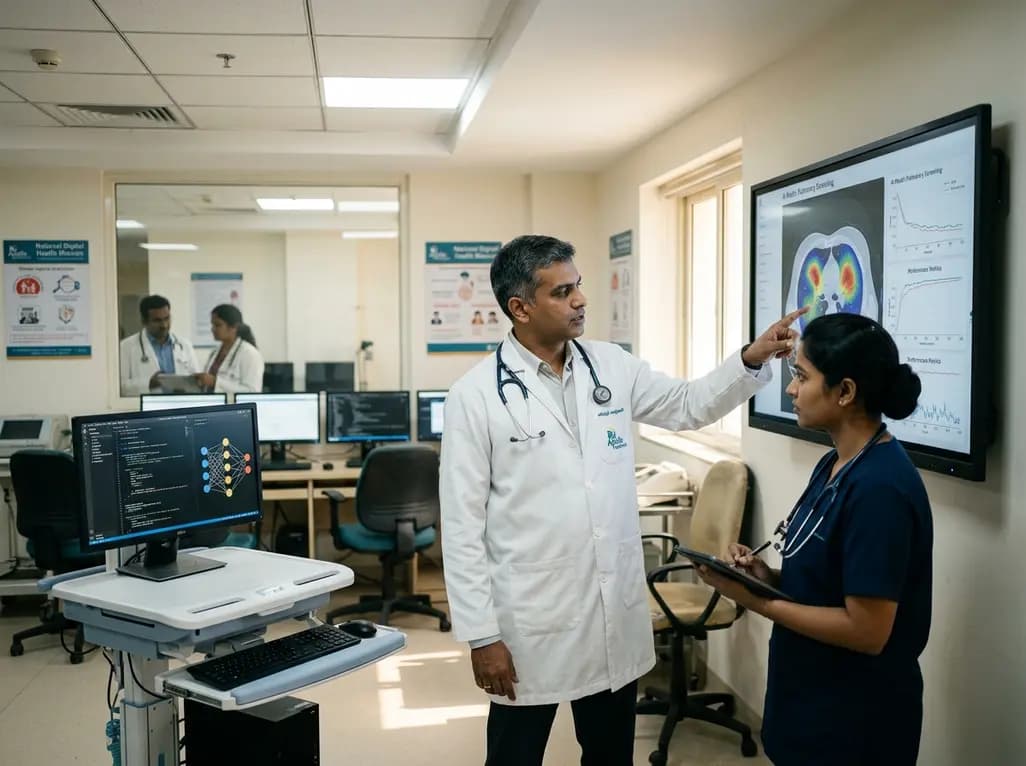
India is transitioning from being the pharmacy of the world to an emerging global hub for artificial intelligence in health. By leveraging digital public infrastructure, open-weight models, and preventive screening at scale, the nation aims to pioneer accessible, cost-effective digital clinical care.
Today
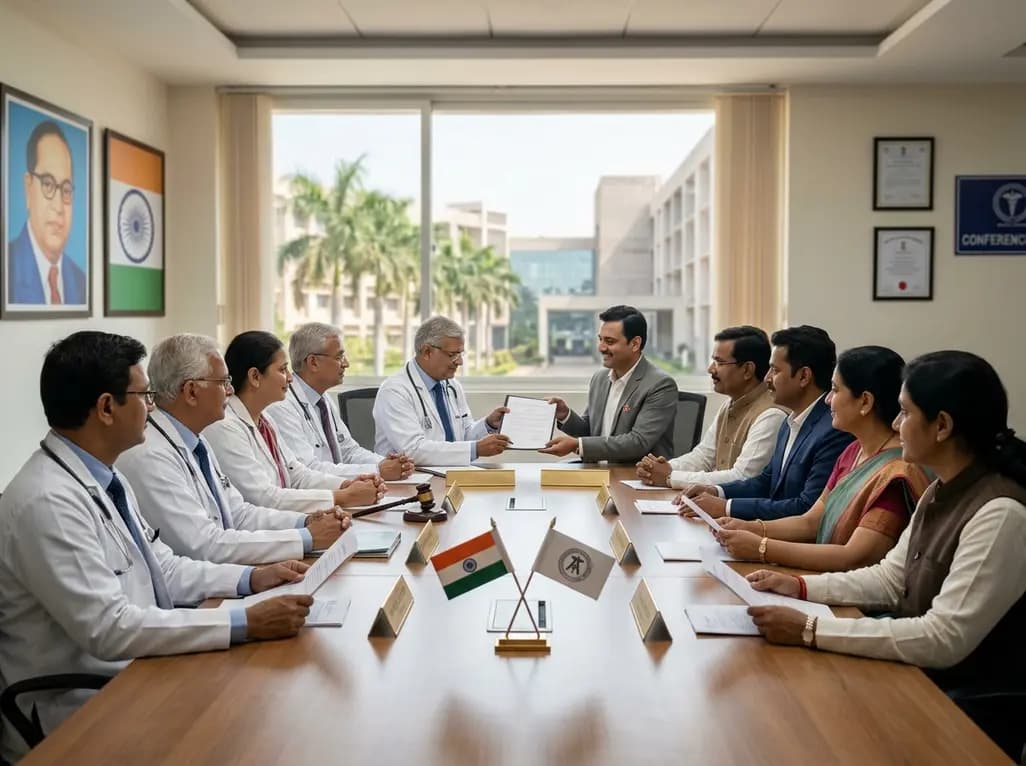
The Union Health Ministry has formally notified the nomination of seven Members of Parliament to the Institute Bodies of seven regional AIIMS facilities under the AIIMS Act. This legislative inclusion aims to reinforce administrative transparency, regional alignment, and accountability in apex medical education.
Today
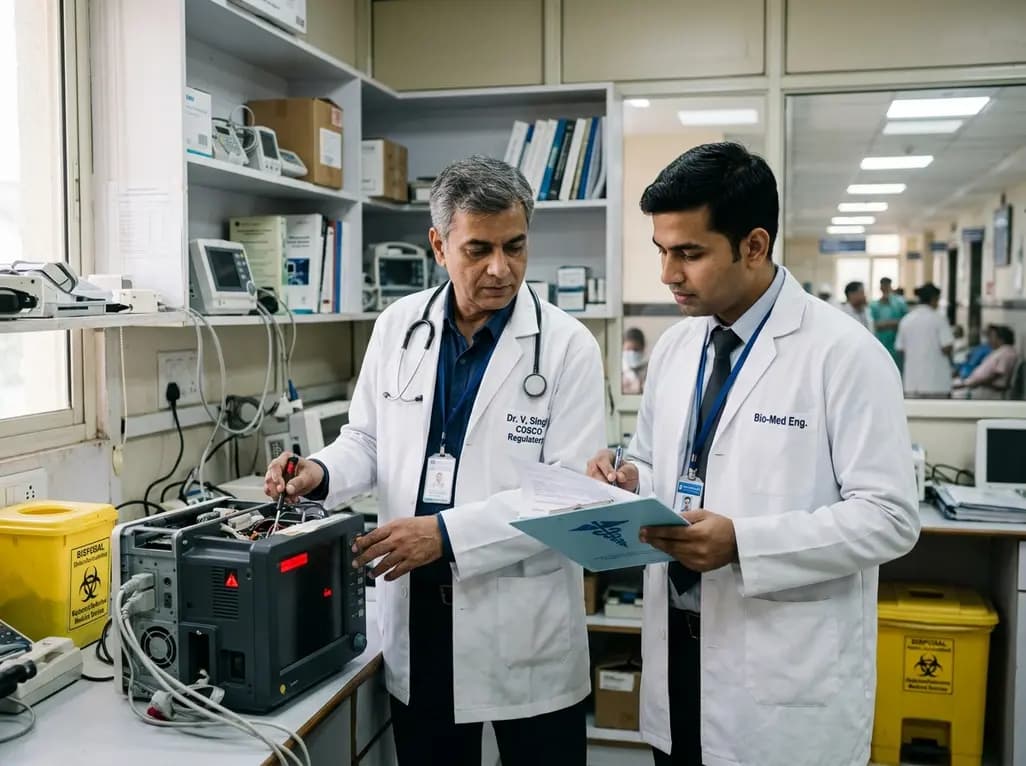
The Indian government is deliberating key amendments to Rule 30(1) of the Medical Devices Rules, 2017. Regulators including CDSCO and state licensing bodies may soon hold explicit legal authority to halt the production, distribution, and sale of substandard or spurious medical equipment and oversee rapid destruction.
Today
