

Loading, please wait...
Loading, please wait...
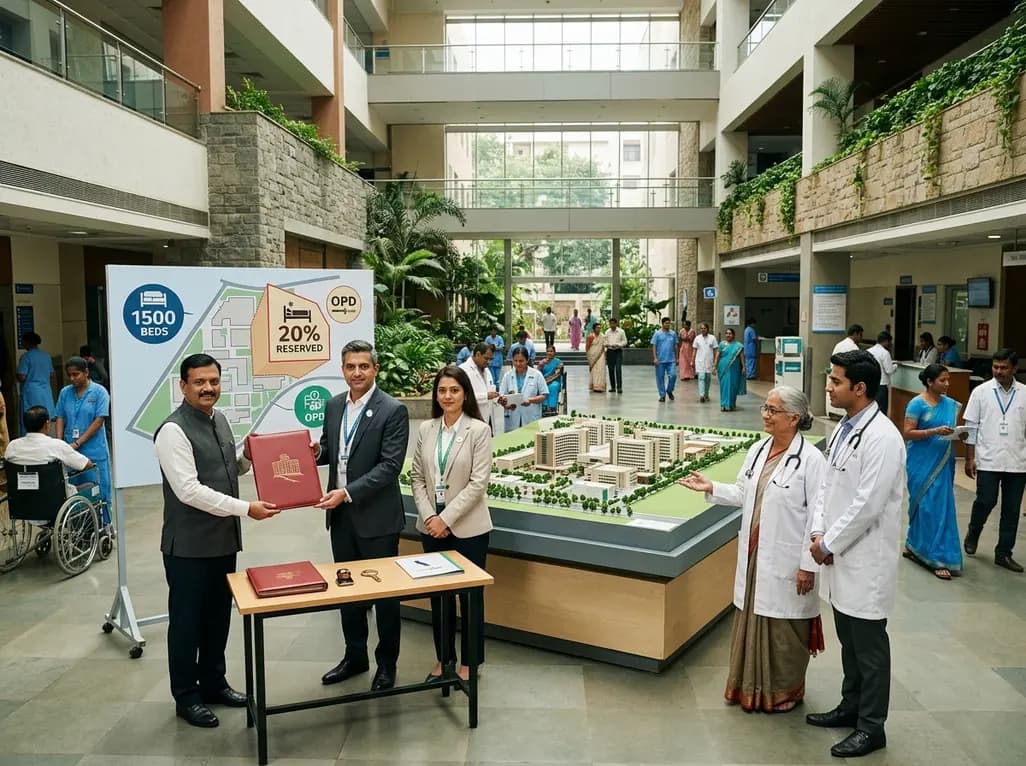
The Brihanmumbai Municipal Corporation (BMC) Improvement Committee recently approved a significant decision regarding the SevenHills Hospital lease in Marol, Andheri East. The ruling panel pushed through the proposal to hand over the sprawling campus to Capri Global Ventures Private Limited despite severe objections from opposition members. This strategic move aims to reactivate a major medical institution that remained non-operational for years. Furthermore, this resolution allows a comprehensive public-private partnership (PPP) model to re-establish tertiary care services in metropolitan Mumbai. Healthcare administrators view this approval as a landmark moment in urban health governance. Consequently, understanding the regulatory, financial, and clinical implications of this partnership provides essential insights into contemporary healthcare delivery models.
The approved resolution plan facilitates a fresh lease agreement with SevenHills Healthcare Private Limited under Capri Global ownership. Consequently, the agreement grants a 30-year lease for nearly 66,688 square meters of prime municipal land in Marol. Furthermore, the contract includes an extension clause for another 30 years under defined regulatory parameters. Under this structured framework, Capri Global will receive equity-based support from Reliance Foundation, which currently operates Sir H. N. Reliance Foundation Hospital in Girgaum.
In addition, the project aims to transform the facility into a 1,500-bed not-for-profit tertiary care hospital. The promoter agreed to uphold the original core conditions established in previous agreements. Specifically, the hospital must reserve 20% of operational beds, amounting to 300 beds, for patients referred by civic hospitals. Similarly, the institution will reserve 20% of outpatient department services for municipal patients. These patients will receive diagnostic tests, consultations, and essential medicines at subsidized municipal rates. Furthermore, the revised lease framework enforces rigid operational guidelines to maintain compliance across all clinical departments.
Capri Global emerged as the successful resolution applicant through a comprehensive corporate insolvency resolution process. Previously, SevenHills Healthcare faced severe financial distress, operational collapse, and accumulated unpaid dues. Lenders and municipal authorities evaluated multiple restructuring proposals before finalizing the current plan. Subsequently, the National Company Law Tribunal approved the takeover plan, paving the way for complete infrastructure rehabilitation.
Additionally, the incoming entity agreed to clear substantial outstanding liabilities owed to municipal authorities. The new promoter will pay hundreds of crores directly toward settled lease rentals and property tax arrears. Moreover, private investors plan to infuse over 400 crore rupees to modernise civil structures and procure advanced medical equipment. Healthcare analysts note that resolving these financial bottlenecks is essential for restoring tertiary care capacity in northern Mumbai. Consequently, this corporate restructuring safeguards public land while attracting necessary capital for healthcare expansion. In addition, clearing legacy debt allows the institution to re-establish creditworthiness among major medical equipment suppliers.
Despite statutory approval, the proposal sparked intense political debates within the civic administration. Opposition members from Shiv Sena (UBT) and Congress questioned both the necessity of private management and procedural transparency. For instance, opposition corporators argued that the civic body possesses sufficient financial reserves to build and operate major healthcare institutions independently. They highlighted the health department's massive budget allocations to emphasize that public funds could sustain such facilities.
Furthermore, opposition leaders raised serious procedural concerns regarding preliminary site work. Representatives alleged that site development began before receiving formal statutory clearance from the Improvement Committee. Consequently, committee members requested site inspections and thorough administrative re-evaluations before granting final clearance. Opponents also emphasized that SevenHills Hospital played a crucial public health role during the COVID-19 pandemic under direct civic administration. Therefore, critics cautioned that transferring prime municipal property to private entities sets an undesirable precedent for urban public health assets. Moreover, committee members emphasized that municipal oversight must remain active throughout every phase of redevelopment.
Civic officials strongly defended the decision, arguing that reviving the facility significantly augments Mumbai's public health infrastructure. Restoring a long-defunct mega hospital brings critical medical resources back into active service without burdening municipal treasuries. Moreover, the public-private partnership guarantees dedicated clinical beds and specialized tertiary services for lower-income populations. Therefore, municipal planners regard this initiative as a pragmatic solution to expanding urban hospital capacity.
In addition, the involvement of established philanthropic foundations enhances clinical oversight and operational efficiency. Reliance Foundation plans to integrate advanced diagnostic tools, digital health platforms, and specialized treatment centers. The planned tertiary care facility will emphasize specialized fields such as oncology, cardiology, organ transplantation, and emergency medicine. Consequently, underprivileged patients will gain access to cutting-edge clinical technologies at civic rates. This collaborative framework demonstrates how structured PPP models can bridge critical gaps in urban healthcare delivery. Specifically, integrating high-volume emergency networks ensures rapid triage for acute surgical and medical emergencies.
Moving forward, the hospital redevelopment plan focuses on rapid structural retrofitting and modern equipment procurement. Because the facility experienced prolonged neglect, engineers must complete extensive structural repairs before clinical commissioning. Furthermore, the new management team is recruiting multidisciplinary clinical staff, specialized nurses, and allied healthcare professionals. These operational steps ensure that clinical units meet rigorous quality and safety standards prior to receiving patients.
Additionally, the civic administration will establish dedicated monitoring committees to ensure strict adherence to reservation quotas. Municipal officers will audit bed utilization, outpatient registrations, and fee structures regularly. This strict oversight guarantees that civic patients receive equitable access to subsidized medical services. Ultimately, successful execution of the SevenHills project could serve as a valuable blueprint for future public healthcare collaborations across India. Medical administrators will observe these operational developments closely as the facility transitions into full service. Consequently, robust administrative governance will play a crucial role in maintaining long-term public trust.
Q1: What are the primary terms of the SevenHills Hospital lease agreement?
The agreement grants a 30-year lease, extendable by another 30 years, for 66,688 square meters of municipal land. Capri Global, backed by Reliance Foundation, will redevelop the hospital into a 1,500-bed not-for-profit tertiary care facility. Crucially, the agreement reserves 20% of operational beds and outpatient services for municipal patients at civic rates.
Q2: Why did opposition members object to the lease approval?
Opposition members argued that the municipal corporation has adequate financial resources to manage the hospital directly without private operators. Additionally, they raised procedural concerns regarding alleged work starting before statutory clearance. Opponents also highlighted the facility's success during the COVID-19 pandemic under direct civic control, advocating for public management of prime municipal land.
Q3: How does the new model benefit public patients in Mumbai?
The public-private partnership reserves 300 inpatient beds and 20% of OPD capacity specifically for patients referred by civic hospitals. These patients will receive consultations, diagnostic evaluations, and medications at subsidized municipal rates. Furthermore, patients gain access to modern medical technologies and specialized clinical departments supported by Reliance Foundation.
Disclaimer: This content is for informational and educational purposes only. It does not constitute medical advice or replace professional judgment. Refer to the latest local and national guidelines for clinical practice.
References

Read summarized clinical updates, watch expert medical content, and earn CME certifications right from your smartphone.
Open your smartphone camera to scan and install.





The Brihanmumbai Municipal Corporation Improvement Committee cleared the lease transfer of SevenHills Hospital in Marol to Capri Global Ventures. Supported by Reliance Foundation, the 1,500-bed facility will operate under a public-private partnership model, reserving 20% of beds and OPD services at civic rates.
3 months ago
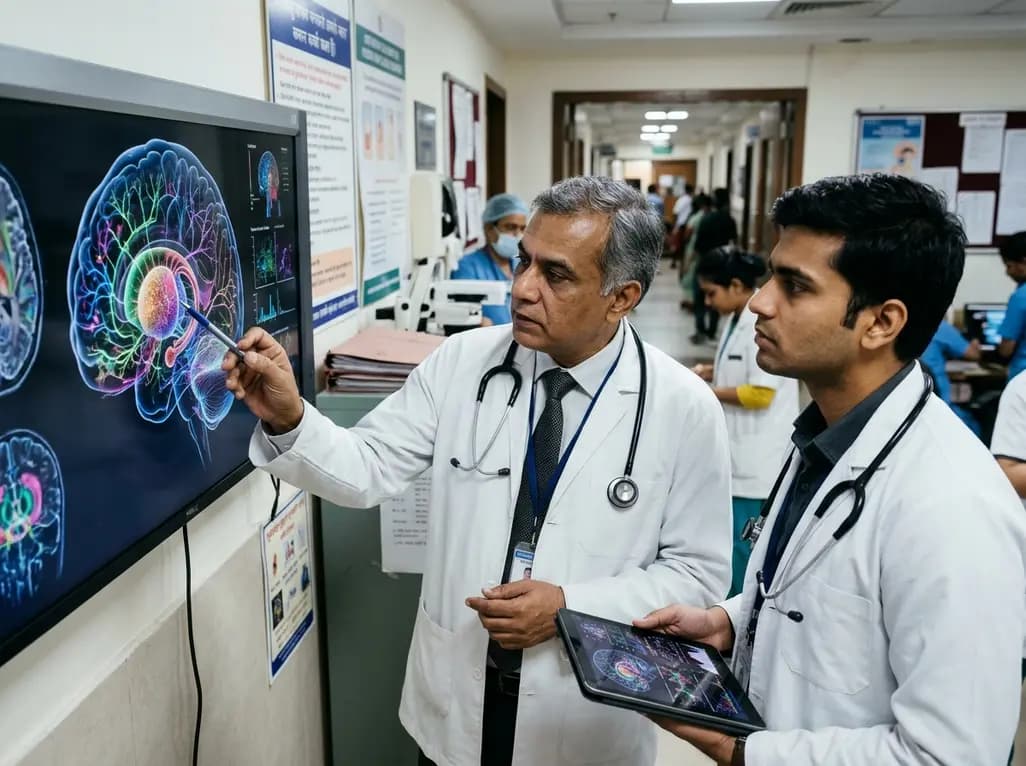
Researchers have unveiled an unprecedented cross-species cellular atlas of the basal ganglia, detailing over 21 million human cells. This breakthrough illuminates how non-coding genomic switches govern neuronal function, offering clinicians new roadmaps for Parkinson's disease, schizophrenia, and targeted gene therapies.
Today
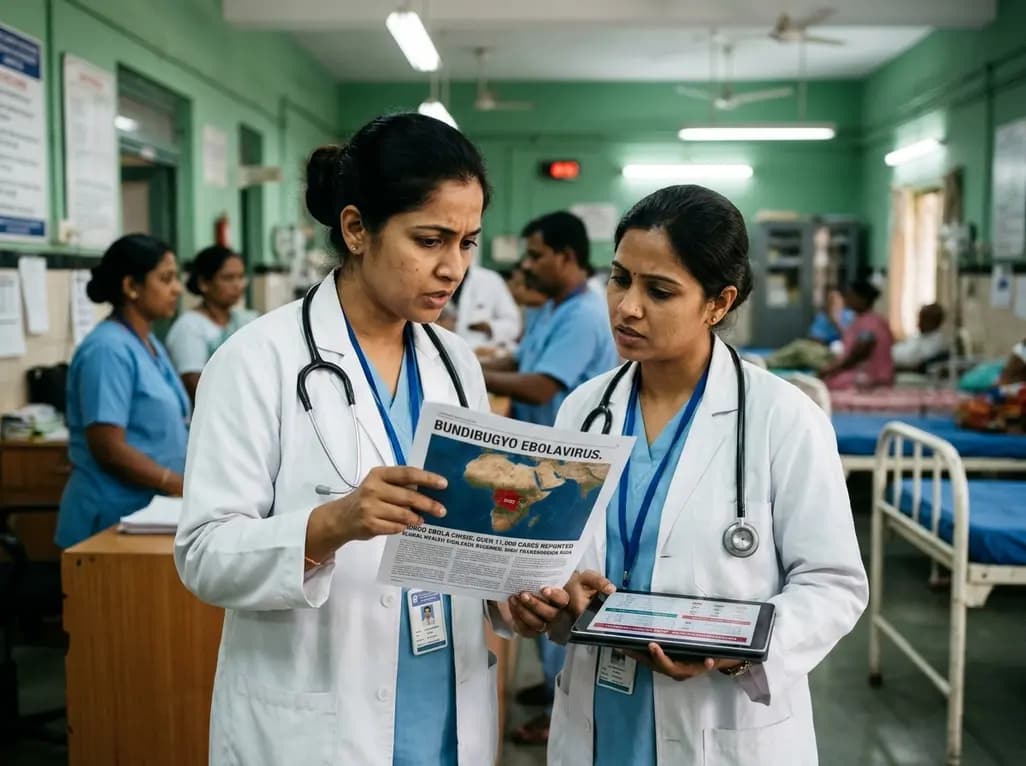
Six months in, DR Congo faces over 11,000 cases from the Bundibugyo ebolavirus strain. Severe resource deficits, hospital transmission, and regional insecurity hinder containment. Clinicians worldwide must maintain heightened vigil for acute hemorrhagic fever and uphold strict infection control standards.
Today
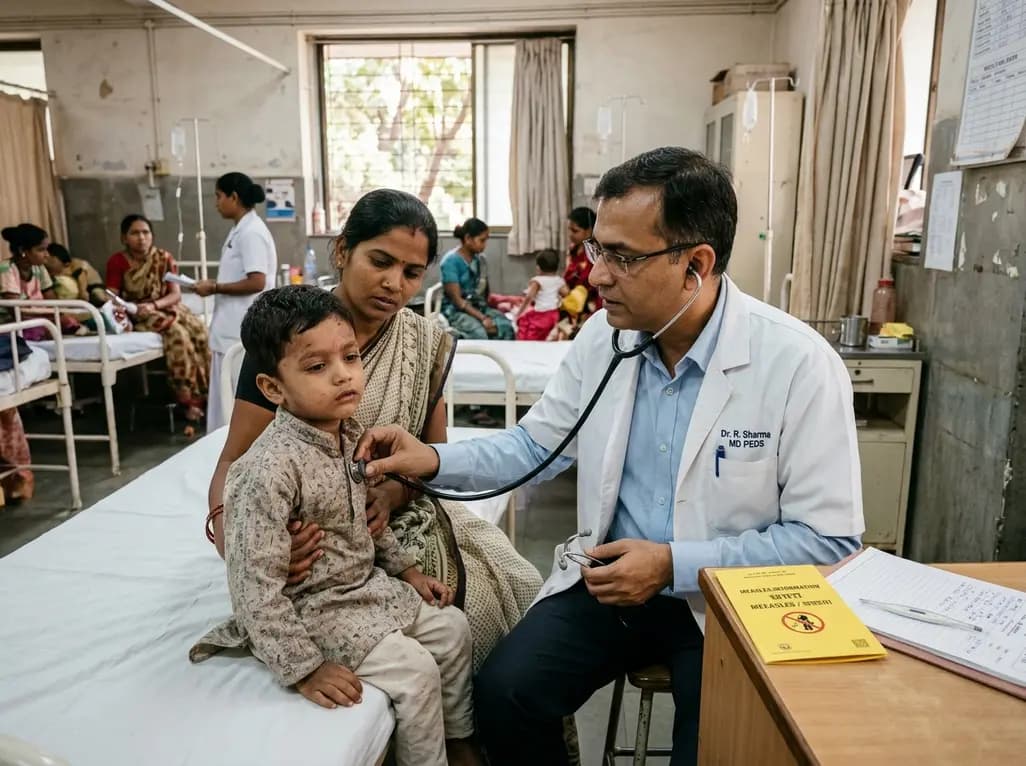
Recent data from the US CDC highlights six measles-related fatalities in 2026, doubling the previous year's mortality figure. This critical development underscores the vulnerability of unimmunized cohorts and reminds healthcare providers worldwide to reinforce surveillance, early triage, and timely vaccination.
Today
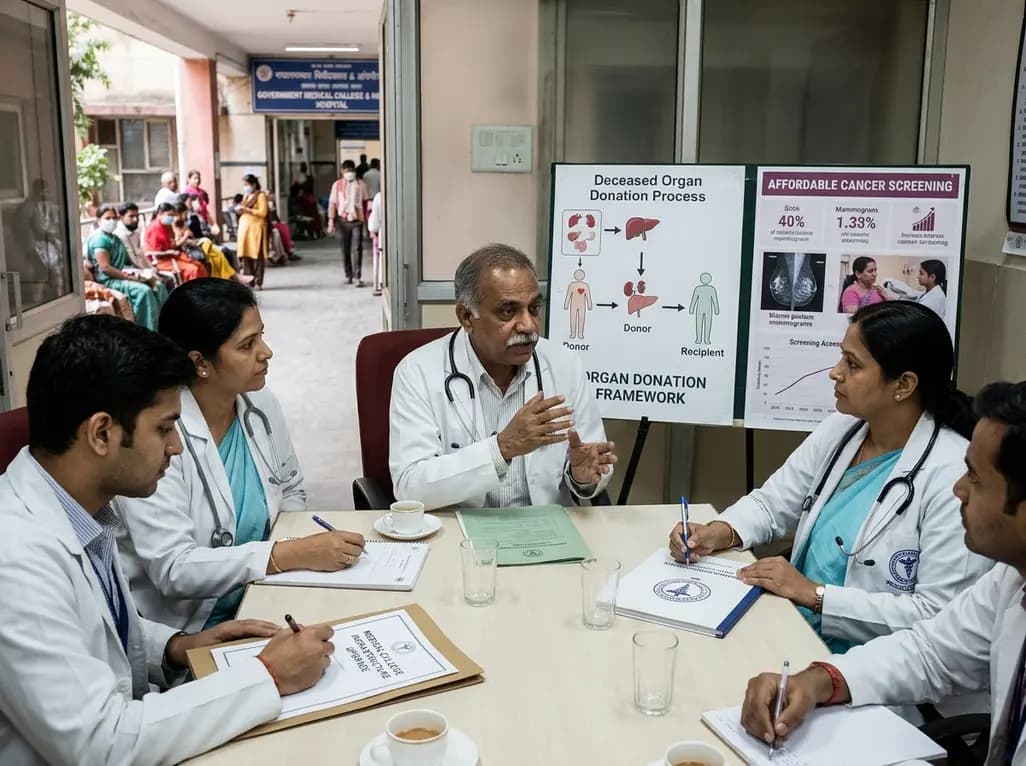
The Parliamentary Standing Committee on Health has identified twelve key subjects for national review. Crucial areas include affordable oncology screening, legal frameworks for organ donation, a dedicated national mission for liver disease, and infrastructure upgrades across government medical colleges.
Today
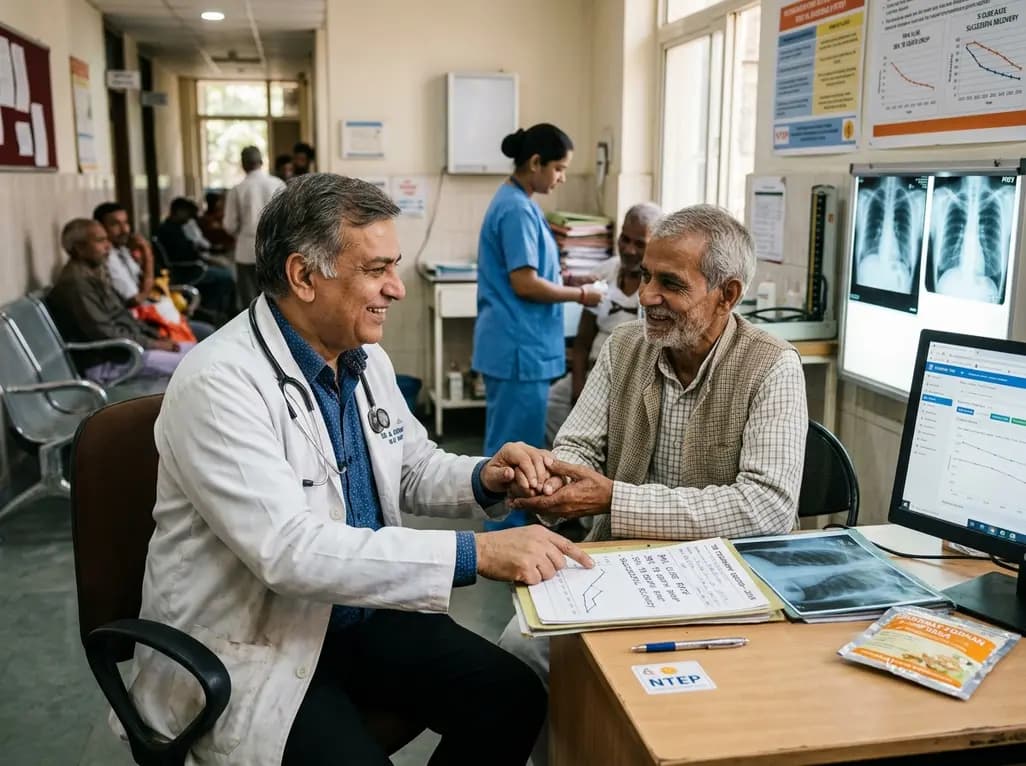
According to the WHO Global Tuberculosis Report 2026, India recorded a historic 38% reduction in TB mortality since 2015 and achieved a 94% treatment success rate for drug-susceptible cases. Accelerated screening, AI diagnostics, and nutritional support under NTEP drive these unprecedented public health milestones.
Today
