.webp&w=384&q=75)

Loading, please wait...
Loading, please wait...

The global health community is on high alert. Recently, the United States Centers for Disease Control and Prevention activated its highest-level emergency response. This critical decision addresses an escalating health crisis. Specifically, the action follows the rapid spread of the Bundibugyo Ebola outbreak in the Democratic Republic of Congo. The lethal virus has also crossed borders into neighboring Uganda. Therefore, international health authorities are mobilizing substantial resources to prevent a repeat of the devastating 2014-2016 West African epidemic. Fortunately, the CDC currently assesses the risk of domestic transmission in the United States as low. Nevertheless, this Level 1 activation signals that the situation remains a top global priority. Consequently, healthcare agencies are coordinating swiftly to deploy diagnostic tools and support clinical staff.
The current crisis in Central Africa represents a severe challenge for global public health. In the Democratic Republic of Congo, the disease has claimed hundreds of lives within a very short timeframe. In addition, the epidemic has successfully expanded into Uganda, where health workers are fighting to contain regional transmission. This particular crisis is uniquely dangerous because the rare Bundibugyo species of the ebolavirus drives it. Historically, this pathogen has caused fewer outbreaks than the notorious Zaire strain. However, the lack of pre-existing vaccines makes this specific outbreak highly unpredictable and difficult to control. Standard preventative therapies do not offer protection against the Bundibugyo strain. As a result, frontline medical teams must rely heavily on basic supportive care and rigorous isolation protocols. This limitation complicates clinical management in resource-limited settings where healthcare infrastructure is already fragile. Furthermore, active armed conflicts in the region impede surveillance efforts and disrupt critical patient tracking. Consequently, international aid agencies warn that the official numbers may significantly underestimate the true scale of the epidemic. Without rapid and coordinated global interventions, the disease could spread to other vulnerable nations in the region.
To address this growing threat, the US Centers for Disease Control and Prevention officially declared a Level 1 response. This designation represents the agency's highest internal alert status, signaling that the outbreak is a top priority. Previously, the agency activated this level during the historic 2014 West African epidemic. Under this protocol, the CDC will immediately mobilize additional personnel and deploy technical experts. These professionals will support the regional response teams directly on the ground. Simultaneously, the agency is preparing advanced diagnostic tests to help local clinics identify the specific viral strains. Quick identification of the pathogen remains essential for managing patient cohorts effectively. Although the direct risk to the American public is low, global travel networks necessitate high vigilance. Therefore, the CDC is also updating clinical recommendations for domestic healthcare providers. Clinicians in the United States must remain alert to travel histories when evaluating patients with unexplained fever. Ultimately, this proactive level of preparedness aims to contain the pathogen at its source before it spreads internationally. By supporting African health authorities, the US bolsters global health security and protects communities worldwide.
Because no approved therapies exist for this rare strain, health authorities are turning to experimental options. Specifically, the US government is shipping doses of an investigational monoclonal antibody cocktail known as MBP134. Developed by Mapp Biopharmaceutical, this treatment has demonstrated significant efficacy in preclinical animal models. In those studies, MBP134 successfully neutralized several different species of the ebolavirus, including the Bundibugyo pathogen. However, researchers have not yet validated its efficacy in large-scale human trials. To resolve this critical evidence gap, the World Health Organization is coordinating with clinical researchers in Africa. They plan to administer the treatment under strict clinical trial protocols in the coming weeks. In addition, researchers at the University of Oxford in the United Kingdom will receive doses for laboratory and clinical evaluation. This collaborative effort represents a major milestone in tropical medicine. If the trial succeeds, MBP134 could become the first validated therapeutic for this neglected strain. Consequently, doctors on the frontlines would finally possess a targeted tool to reduce the high mortality rate. In the meantime, the current distribution relies on compassionate use guidelines to save critically ill patients.
Understanding the differences between ebolavirus species is vital for medical professionals. The Zaire strain is the most famous and deadly variant, causing massive epidemics in West and Central Africa. Fortunately, researchers have developed highly effective vaccines and monoclonal antibodies, such as Ervebo and Inmazeb, to target Zaire. In contrast, the Bundibugyo strain remains far less common and genetically distinct from its counterpart. Because of these genetic differences, the established vaccines and treatments do not work against Bundibugyo. This lack of cross-protection creates a significant therapeutic blind spot during active outbreaks. Clinically, both strains present with similar initial symptoms, including high fever, severe fatigue, muscle pain, and vomiting. However, some clinical reports suggest that the Bundibugyo strain may have a slightly lower case-fatality rate. Indeed, early data from the current outbreak shows a mortality rate of approximately twenty-six percent. While this is lower than the typical fifty percent rate of Zaire, it still poses a devastating threat. Therefore, healthcare systems must implement rapid diagnostic screening to identify the strain immediately. This ensures that clinical trials can evaluate candidate treatments correctly without delay. Ultimately, developing specialized tools for each species is the only way to ensure comprehensive pandemic preparedness.
To address the therapeutic deficit, the World Health Organization is launching randomized clinical trials in the DRC. Specifically, these studies will evaluate two promising antiviral agents, MBP134 and remdesivir. Frontline clinicians will administer these drugs to confirmed patients either individually or in combination. Furthermore, this trial aims to generate high-quality efficacy and safety data under extreme outbreak conditions. Ethical guidelines require that affected communities receive full consultations before these studies begin. Consequently, public health experts are engaging with local leaders to build trust and explain the scientific process. In the past, community resistance has severely hindered clinical research during epidemics. Therefore, establishing transparent communication is just as vital as distributing the medical compounds. If these therapies demonstrate a reduction in mortality, manufacturers can apply for accelerated regulatory approvals. This would enable the stockpiling of treatments for future emergencies. Meanwhile, the Biomedical Advanced Research and Development Authority is also seeking proposals for new vaccine candidates. This comprehensive strategy ensures that the global medical community is better prepared for subsequent outbreaks. Ultimately, these clinical efforts will transform the management of this neglected disease.
Q1: Why are existing Ebola vaccines ineffective against the Bundibugyo strain?
Existing approved Ebola vaccines, such as Ervebo, specifically target the Zaire strain of the ebolavirus. Because of significant genetic differences, antibodies from Zaire-based vaccines cannot neutralize the Bundibugyo pathogen. Therefore, clinicians currently have no approved immunizations to protect high-risk populations or healthcare workers during the current outbreak. Consequently, researchers must develop and test new candidates specifically engineered for this distinct strain.
Q2: What is MBP134 and how does it function as a therapeutic agent?
MBP134 is an experimental monoclonal antibody cocktail designed as a pan-Ebola therapeutic. Specifically, it targets highly conserved regions on the surface glycoproteins of multiple ebolaviruses. In preclinical animal studies, this antibody combination successfully neutralized several species, including Zaire, Sudan, and Bundibugyo strains. Consequently, health authorities hope that it will reduce mortality in infected patients. The drug is currently entering clinical trials in the Democratic Republic of Congo to confirm these benefits.
Q3: How does the CDC’s Level 1 response impact international travel and safety?
Currently, the CDC maintains that the direct risk of Ebola transmission to the United States remains low. Nevertheless, the Level 1 response activates extensive internal surveillance and technical deployment. This protocol does not restrict international travel to the affected regions immediately. Instead, it ensures that border agents and clinicians receive updated screening guidelines. Consequently, healthcare providers can identify potential cases early, ensuring that global travel networks remain safe and secure during this active crisis.
Disclaimer: This content is for informational and educational purposes only. It does not constitute medical advice or replace professional judgment. Refer to the latest local and national guidelines for clinical practice.
References

Read summarized clinical updates, watch expert medical content, and earn CME certifications right from your smartphone.
Open your smartphone camera to scan and install.





The US has activated its highest Ebola response level and shipped experimental treatments to Africa as the Bundibugyo Ebola outbreak escalates. Learn about the global response, clinical trial plans, and therapeutic strategies.
3 months ago
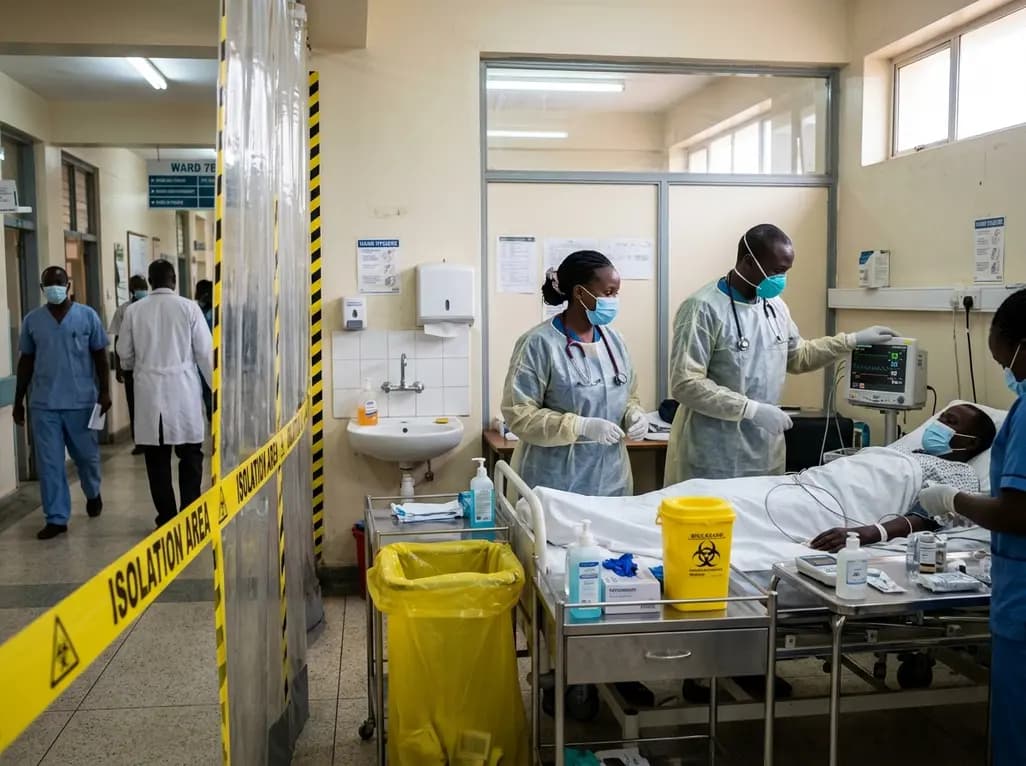
Kenya's confirmation of its eighth Ebola infection highlights the acute risk of secondary transmission in hospital environments. Clinicians must maintain high vigilance, enforce strict infection prevention protocols, and implement rapid triage mechanisms for viral hemorrhagic fevers across healthcare settings.
4 days back
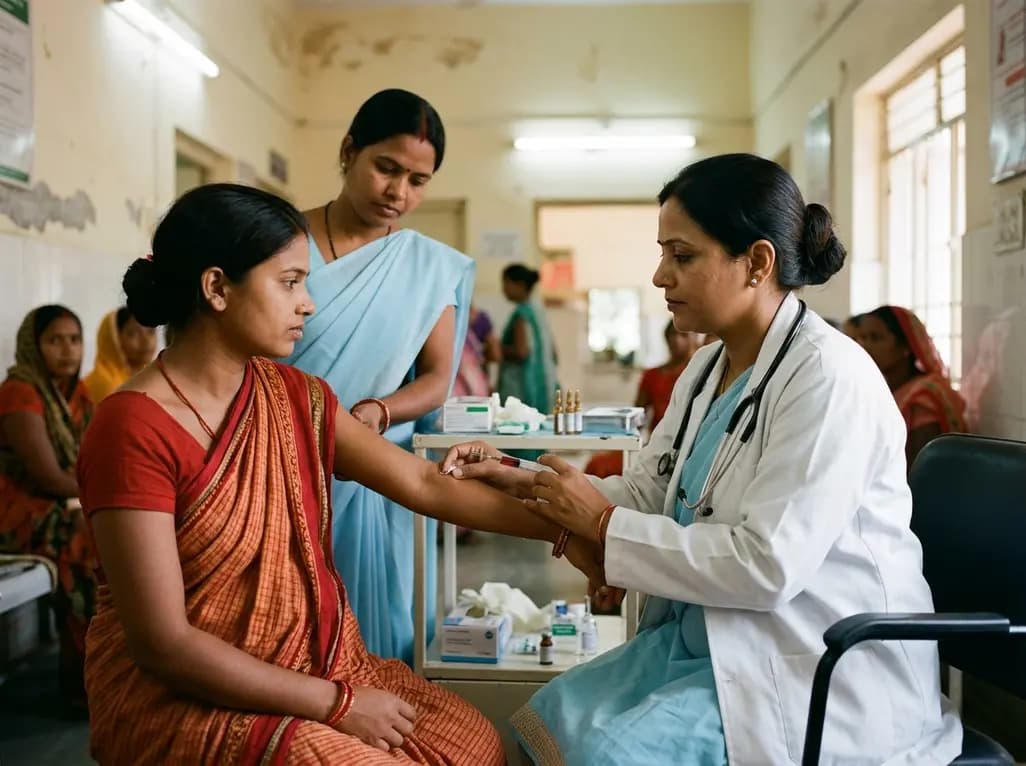
Maternal anaemia contributes to nearly half of pregnancy-related fatalities across India. To prevent complications, Uttar Pradesh has added single-dose parenteral iron to its essential medicines list. This clinical transition aims to restore haemoglobin rapidly and protect high-risk mothers across rural facilities.
Last week

India's food safety authority FSSAI has issued show-cause notices to Gemini Edibles, BigBasket, and Flipkart for unpermitted cardiovascular claims regarding Freedom Rice Bran Oil. This regulatory move highlights the strict enforcement of advertising standards and the clinical necessity of evidence-based lipid care.
6 days back
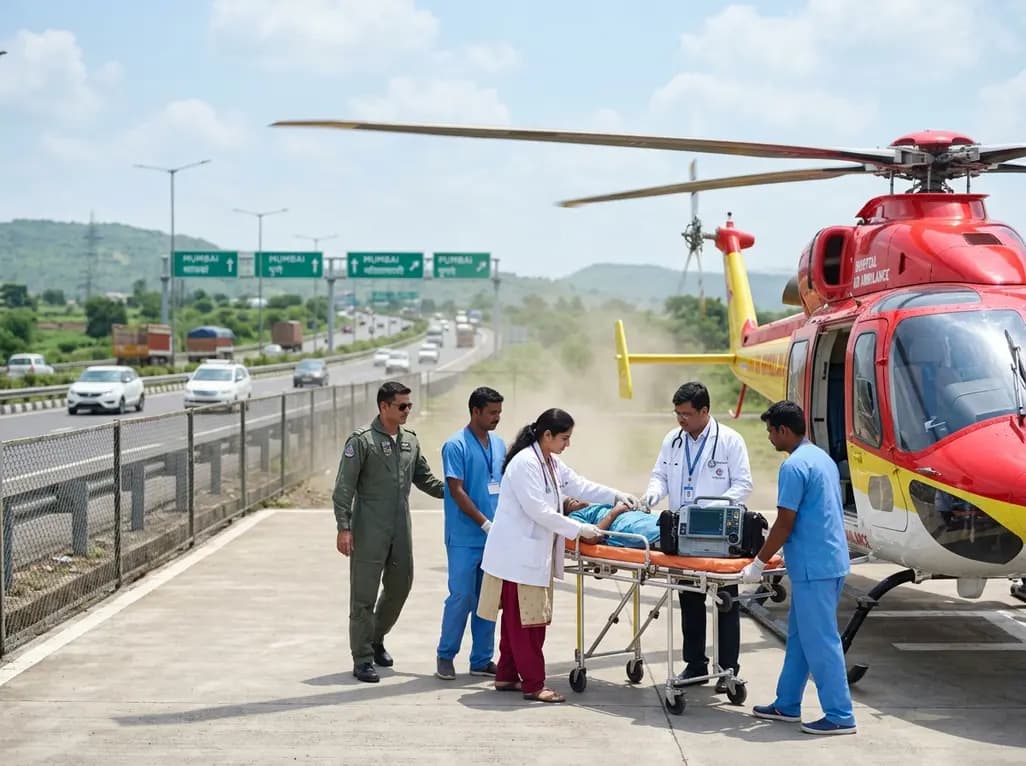
The state government is deploying helicopter emergency medical services across the Mumbai-Pune Expressway, Samruddhi Mahamarg, and Mumbai-Goa Highway. This initiative establishes unified standard operating procedures to enable rapid triage, advanced prehospital resuscitation, and seamless trauma care transfers.
Last week
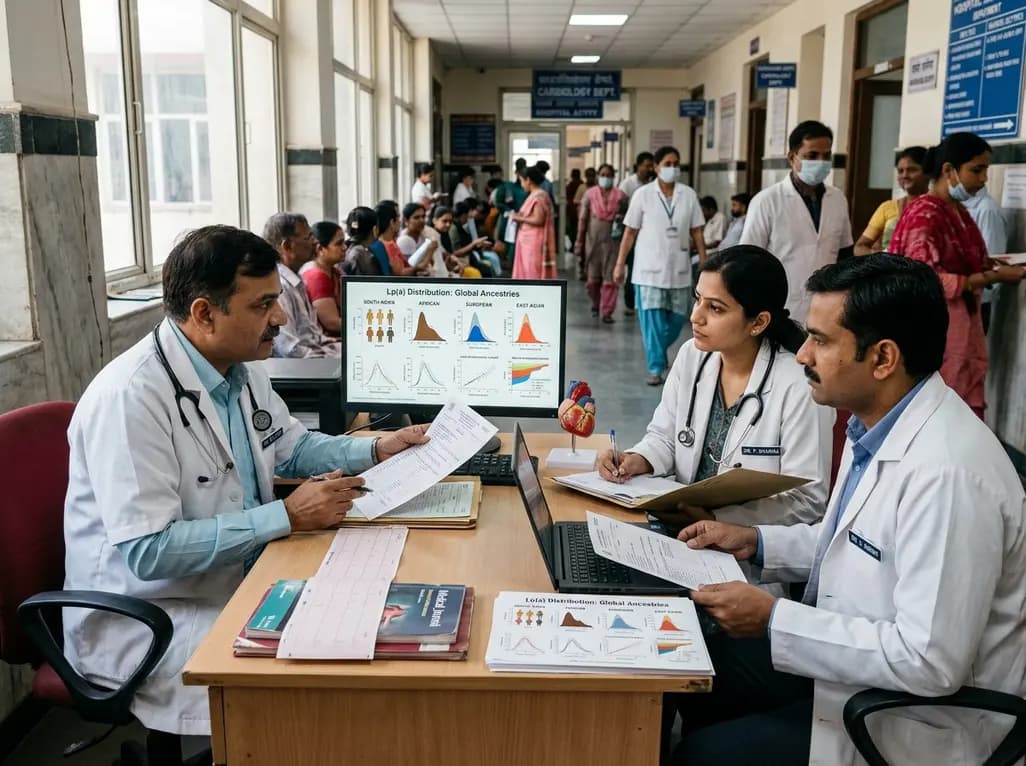
Atherosclerotic cardiovascular disease guidelines often rely on European-derived lipoprotein(a) cutoffs. However, baseline Lp(a) levels vary widely across ancestries, including South Asians and Africans. Clinicians must interpret Lp(a) values within overall absolute cardiovascular risk.
Last week
